
Loading, please wait...
LOT 0512
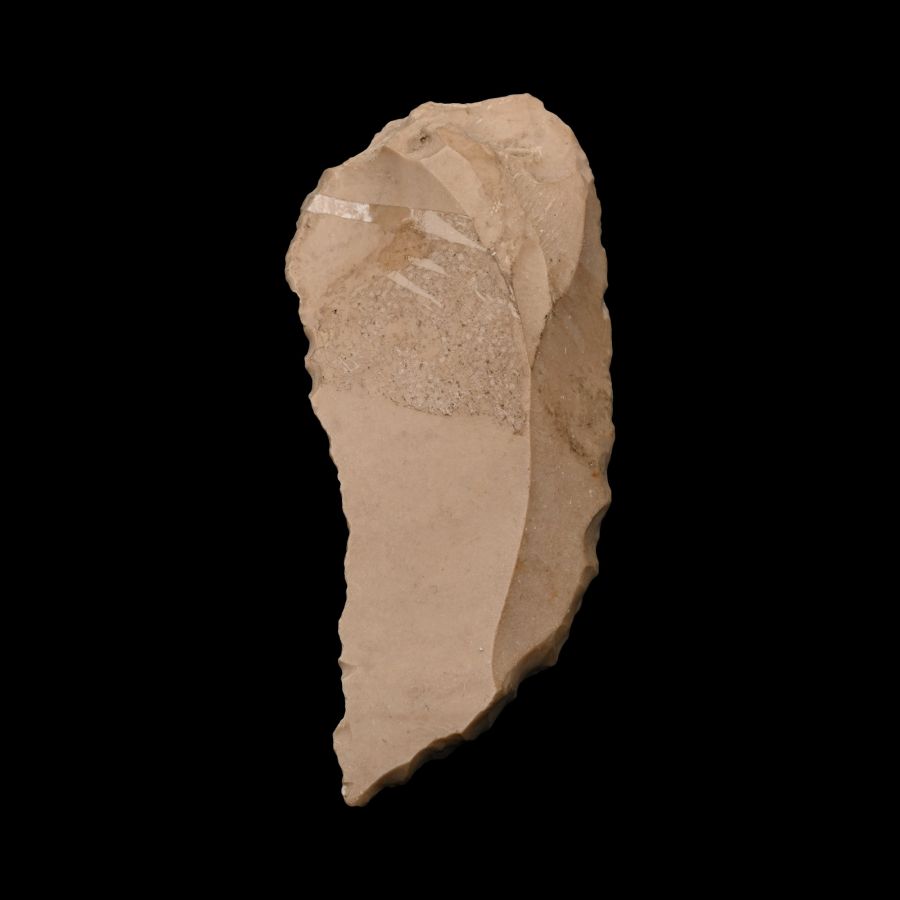
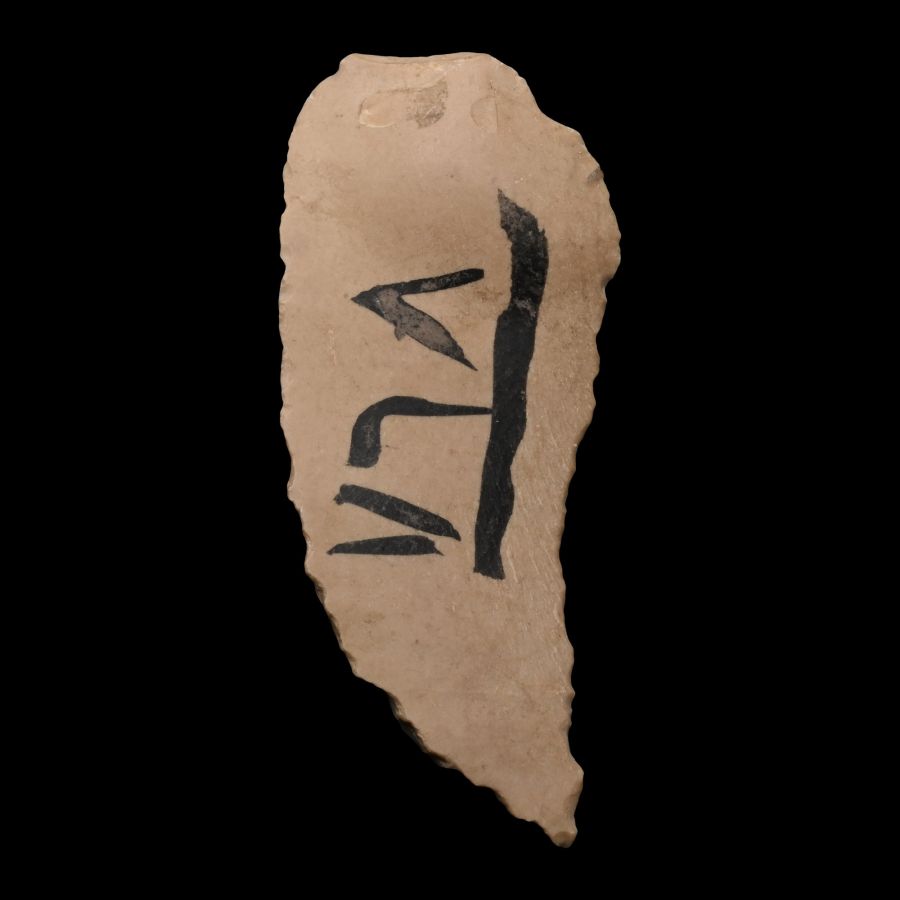
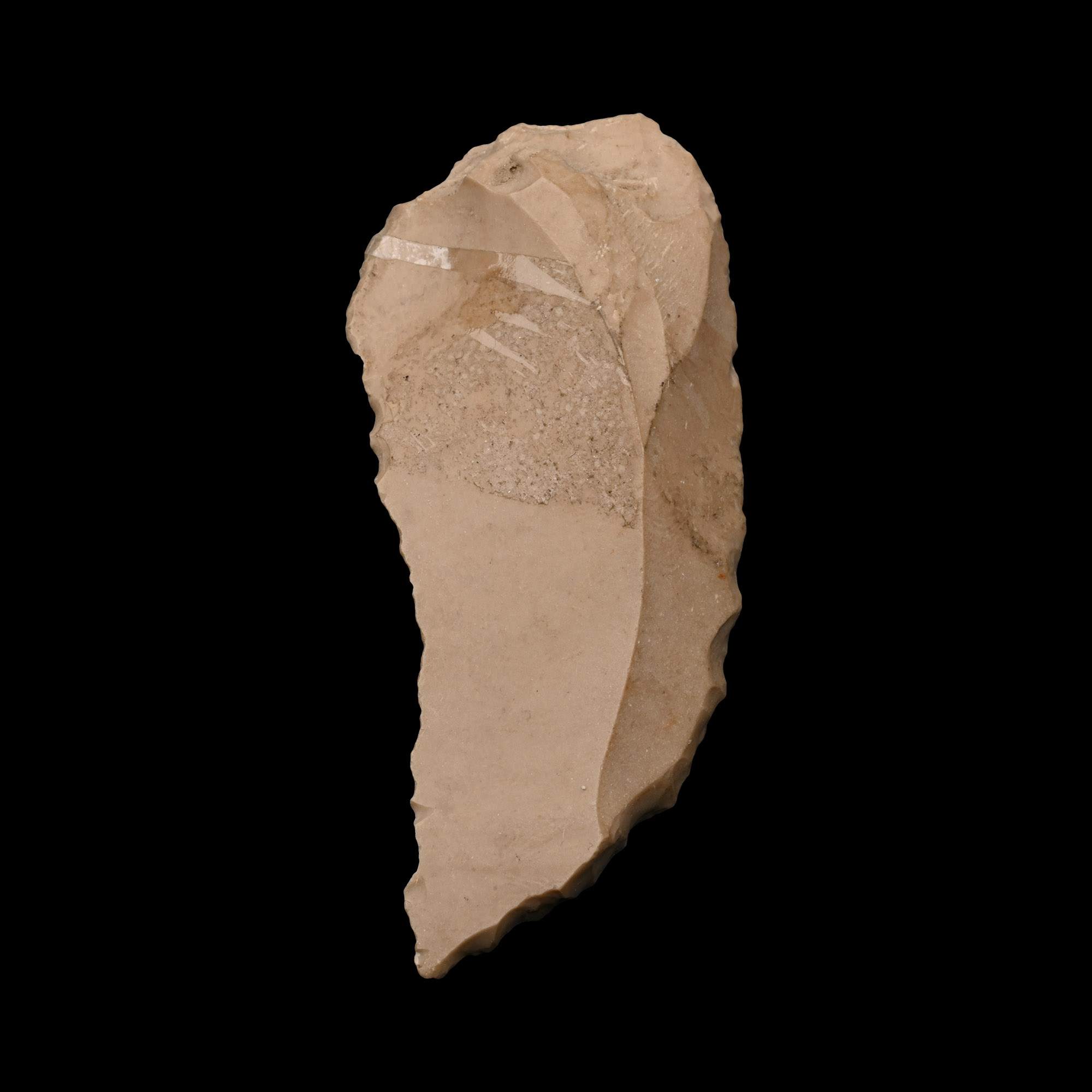
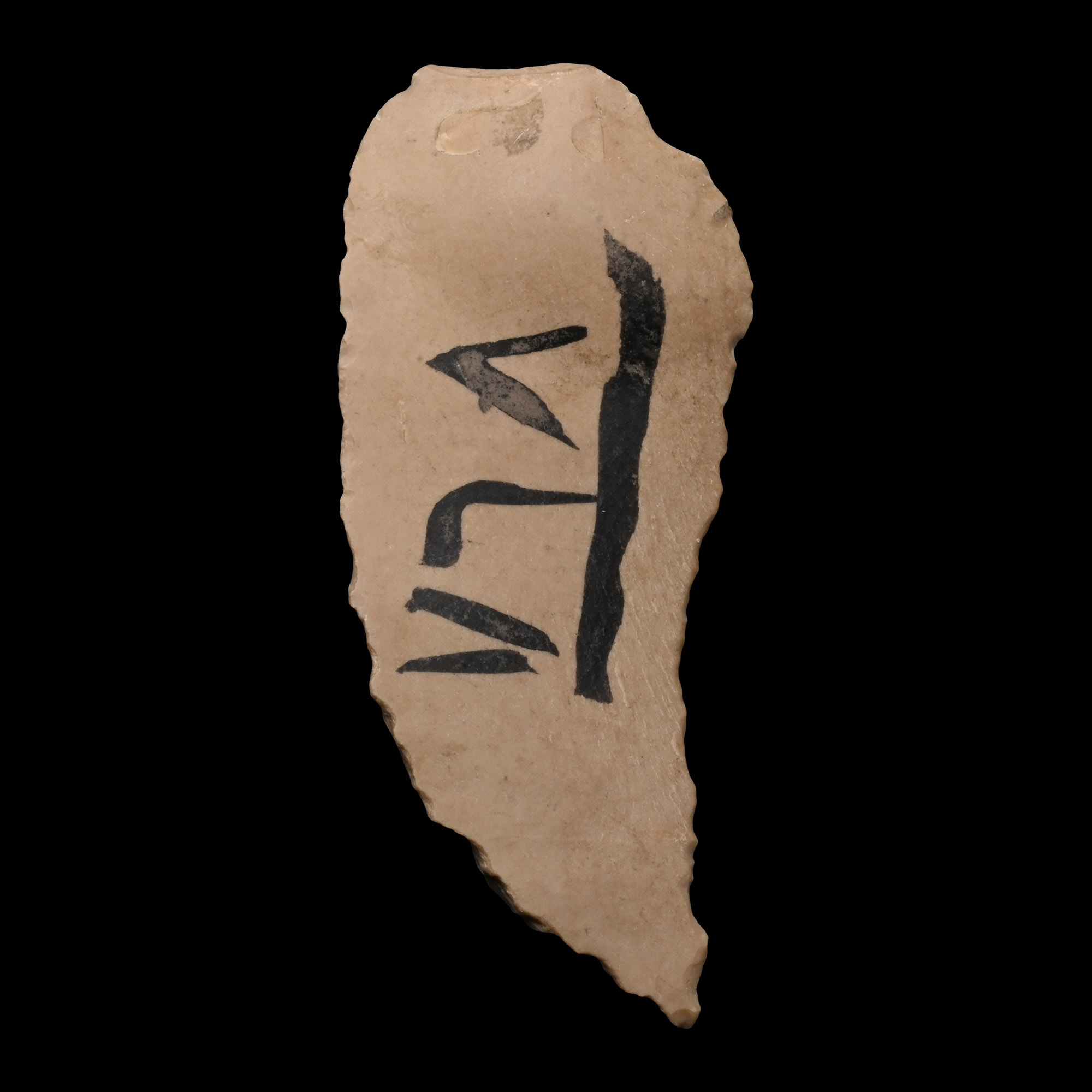
Egyptian Predynastic Flint Pocket Knife
NAQADA II PERIOD, 3500-3100 B.C.
2 3/4 in. (19.80 grams, 72 mm).
Slightly curved blade with broad flake forming cutting edge.
ProvenanceEx Armand Trampitsch, Monte Carlo, 1990s.
Private collection, Europe.
TimeLine Auctions follows a vetting process to ensure the authenticity and legality of all items, reinforcing our commitment to integrity and responsible trading. Each antiquity, antique, and coin lot undergoes thorough examination by a vetting committee of at least ten external specialists, professional trade association members, scientists, and archaeologists: Our Vetting Process
AUCTIONS:
TimeLine is a leading auction house specialising in antiquities, ancient art, collectables, natural history, coins, medals, and books. Our auctions offer museums, collectors, historians, and enthusiasts the opportunity to acquire unique and historically significant pieces.
-
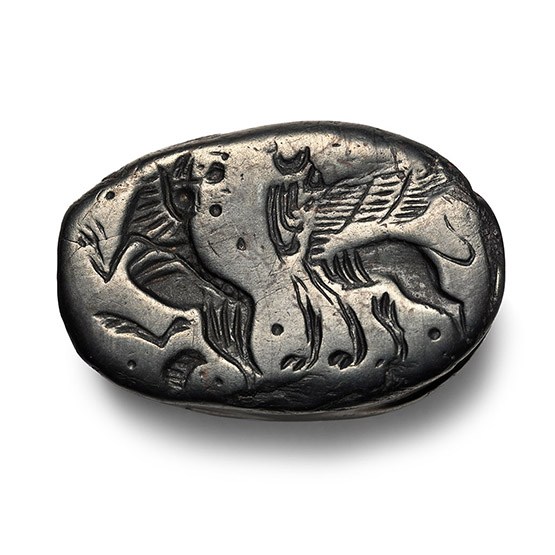
Egypto-Phoenician Haematite Scaraboid Seal
Circa 5th century B.C.Estimate: £2,000 - 3,000 (‡+bp*)
Opening Bid: £1,000
With rampant lion and statant winged gryphon. 8.35 grams, 21 mm
Acquired in the mid 1980s-1990s. Private collection, Switzerland, thence by descent. Private collection, since the late 1990s. Accompanied by a copy of an Art Loss Register certificate, no.3095.WW. This lot has been checked against the Interpol Database of stolen works of art and is accompanied by a search certificate number no.12715-234628. -
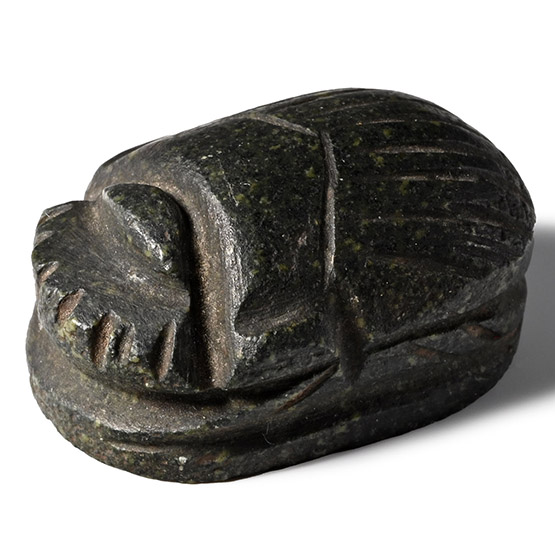
Egyptian Black Hardstone Scarab
Late Period, 664-332 B.C.Sold for (Inc. bp): £234
Dark green hardstone with paler speckles; with a boldly carved head, clypeus, prothorax and elytra, and legs indicated at the sides; plain underside. 17 grams, 29 mm
Ex Irene Newman, Birdham, Chichester, West Sussex, England. with Stride & Son Auctioneers, Chichester, West Sussex, England, 23 April 2015, no.1599 [Part]. Acquired by the present owner at the above sale.
The scarab, which represented the dung beetle, was the most popular amulet in ancient Egypt for approximately two thousand years until the Ptolemaic Period when it gradually fell out of favour. The popularity of scarabs extended beyond the borders of Egypt, and they were also distributed and produced in other regions, such as Phoenicia and Israel. The beetle is named khepri, derived from the verb 'to come into existence', and was considered the embodiment of the creator god Khepri, who was self-engendered. The ancient Egyptians mistakenly believed that the young beetle emerging from the dung ball was the result of an act of self-creation. -
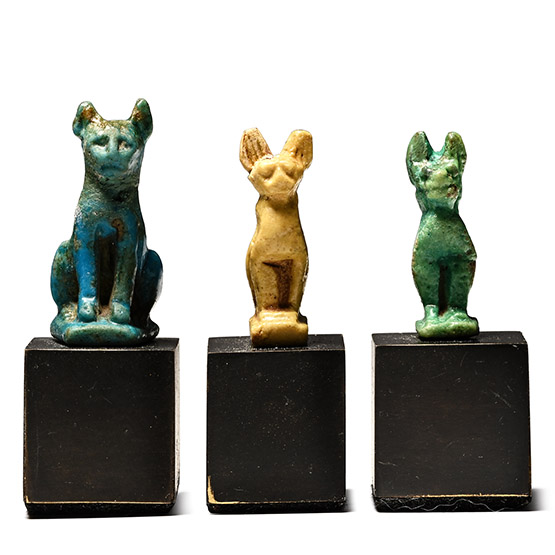
Egyptian Faience Bastet Cat Amulet Collection
New Kingdom, 1550-1070 B.C. and laterEstimate: £1,200 - 1,700 (+bp*)
Opening Bid: £600
Pale yellow, turquoise, and blue faience seated cat figures, each shown on a base plinth and with a suspension loop behind the head. 83 grams total, 47-52 mm including stands
Collection of a Lady, circa 1940. From a specialist collection.
In ancient Egypt, the cat was revered as the sacred animal of the goddess Bastet, whose main cult centre was Bubastis in the Nile Delta. Although cats were once part of folk customs, their formal worship expanded across Egypt during the Late Period. Bastet was closely connected to lion-headed goddesses such as Sekhmet, Tefnut, and Pakhet, and the cat itself became linked to solar imagery: the Book of the Dead depicts the sun god as a Great Cat defeating Apophis beneath the sacred Ished Tree. The cat could also represent the Eye of the Sun or, more commonly in Bastet’s case, the Eye of the Moon. Mummified cats were often offered as votive offerings, and some were decorated with finely crafted bronze heads to emphasise their divine likeness.
