
Loading, please wait...
LOT 0495
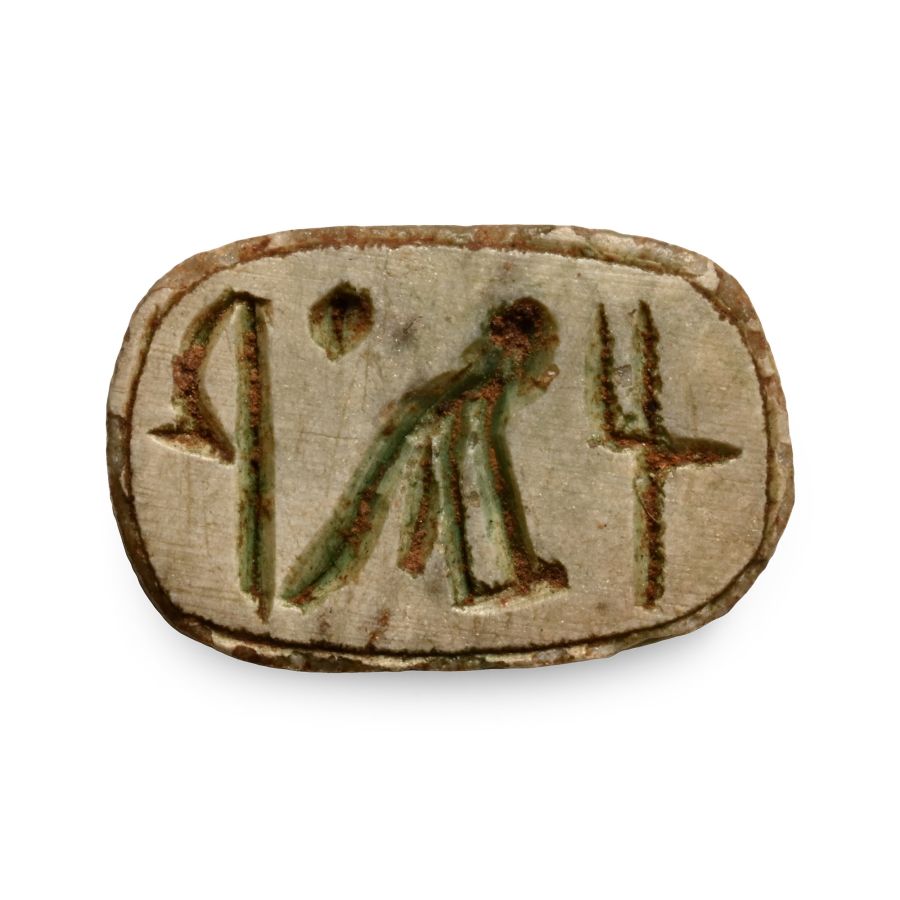
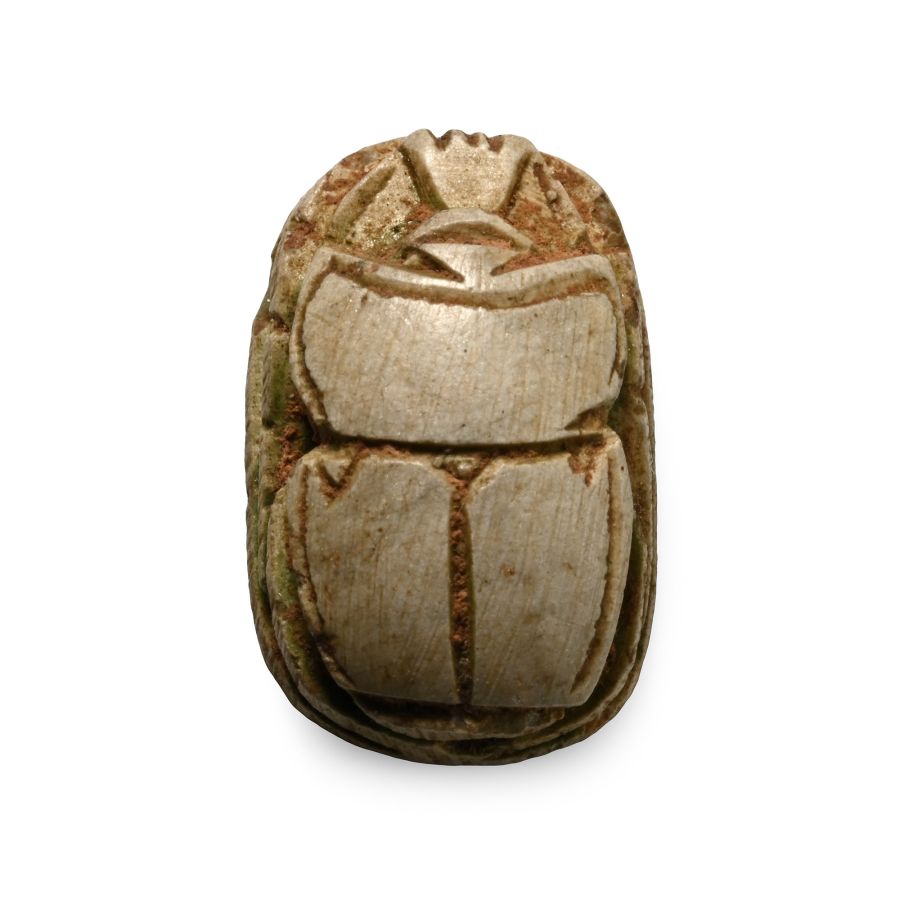
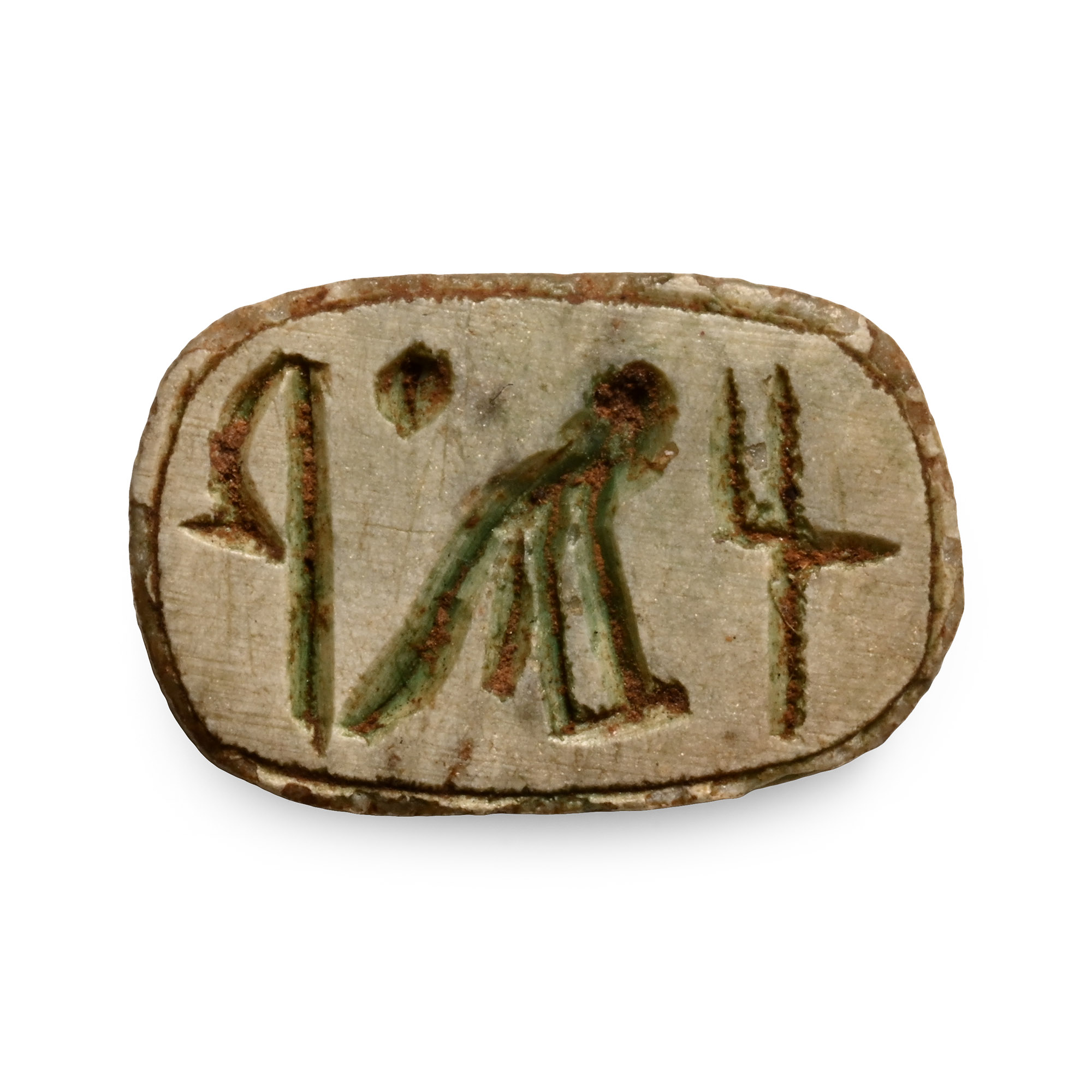
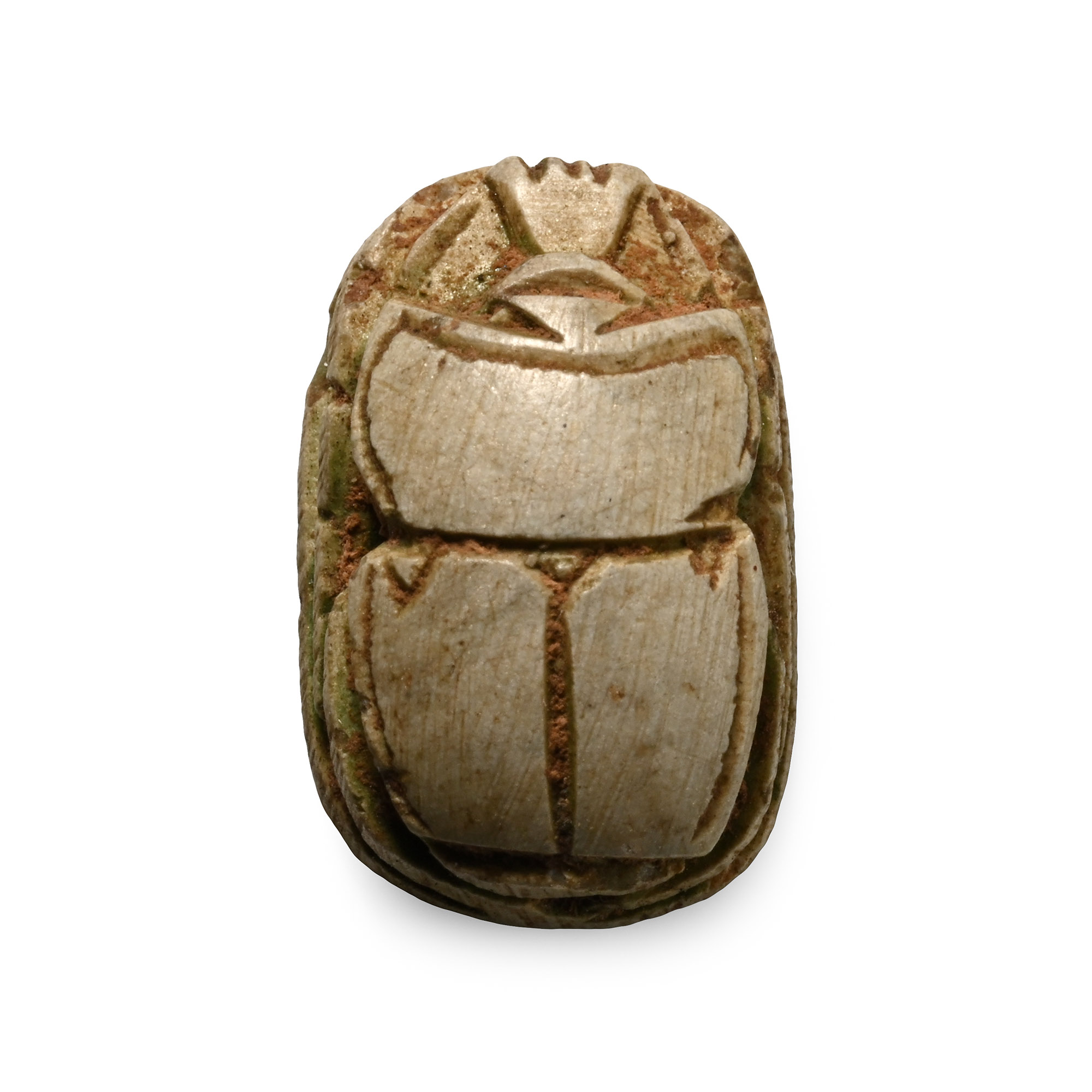
Egyptian Pale Blue Steatite Scarab with Hieroglyphs
LATE PERIOD, 664-332 B.C. OR LATER
5/8 in. (2.22 grams, 17 mm).
Plano-convex in section with scarab detailing to the upper face; underside with hieroglyphic inscription; pierced longitudinally. [No Reserve]
ProvenanceEx Constable collection, 1990s.
Ex P. Morris collection.
TimeLine Auctions follows a vetting process to ensure the authenticity and legality of all items, reinforcing our commitment to integrity and responsible trading. Each antiquity, antique, and coin lot undergoes thorough examination by a vetting committee of at least ten external specialists, professional trade association members, scientists, and archaeologists: Our Vetting Process
AUCTIONS:
TimeLine is a leading auction house specialising in antiquities, ancient art, collectables, natural history, coins, medals, and books. Our auctions offer museums, collectors, historians, and enthusiasts the opportunity to acquire unique and historically significant pieces.
-
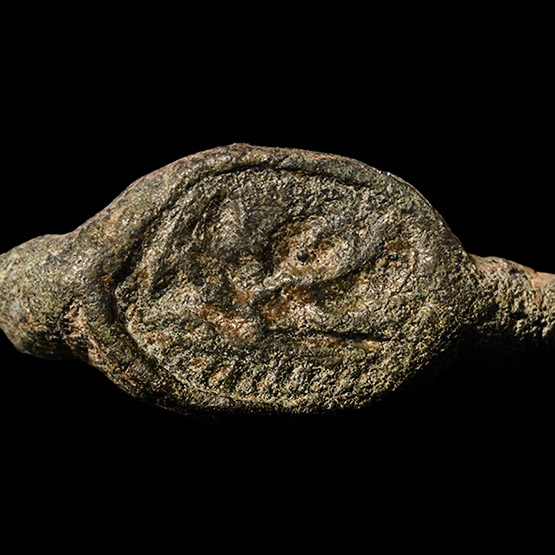
Phoenician Inscribed Bronze Scaraboid Seal
600-400 B.C.Sold for (Inc. bp): £65
With ribbed loop and ellipsoid face, gryphon motif. 10.9 grams, 26 mm wide
Ex London, UK, gentleman, 1990. -
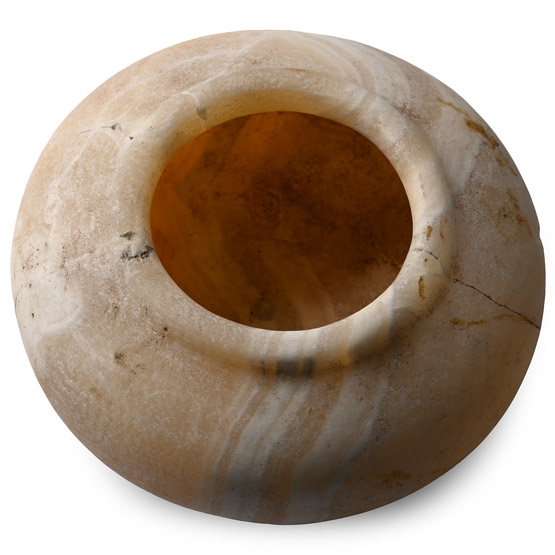
Egyptian Alabaster Jar
2nd-1st millennium B.C.Sold for (Inc. bp): £286
Of squat profile with flattened base, flat shoulder and rounded rim. 574 grams, 11.5 cm wide
From a West Country, UK, collection, 1980-2020s. -
.jpg)
Egyptian Bronze Statue of Isis with Inscribed Base
Late Period, 664-332 B.C.Sold for (Inc. bp): £5,330
Seated figure of the goddess, wearing a vulture headdress from which the bird’s head projects, topped by a crown consisting of a low modius of rearing cobras, surmounted by cow horns and a central sun disk; a tight-fitting three-quarter-length dress; shown suckling the naked infant Horus, with a uraeus at his brow; the goddess’s feet rest on a plinth, of which two sides are inscribed with a dedication, only partially preserved: (May) Isis give life (to) Wennenefer [......] Ankh-hor-(en)-sa (Ꜣst rdı͗ Ꜥnḫ wn n nfr [……] ꜥnḫ ḥr (n) sꜢ (?)). 875 grams, 22.1 cm including stand
From the estate of Alexander Dobkin (1908-1975), New York, USA, acquired prior to 1975. Thence by descent to his daughter, Katherine Dobkin, New York, USA.
Isis, one of the principal goddesses of the Egyptian pantheon, was revered as divine mother, protector of kingship, and mistress of magic. As the wife of Osiris and mother of Horus, she embodied maternal care, resurrection, and cosmic order, playing a central role in myths of death and renewal. Isis lactans statuettes emphasise this intimate maternal relationship and its protective and regenerative power; such bronzes were widely dedicated in temples and domestic shrines as votive objects invoking divine protection, healing, and royal legitimacy. The lacuna in the inscription on this example most likely supplied the filiation between the two named individuals.
