
Loading, please wait...

LOT 0529
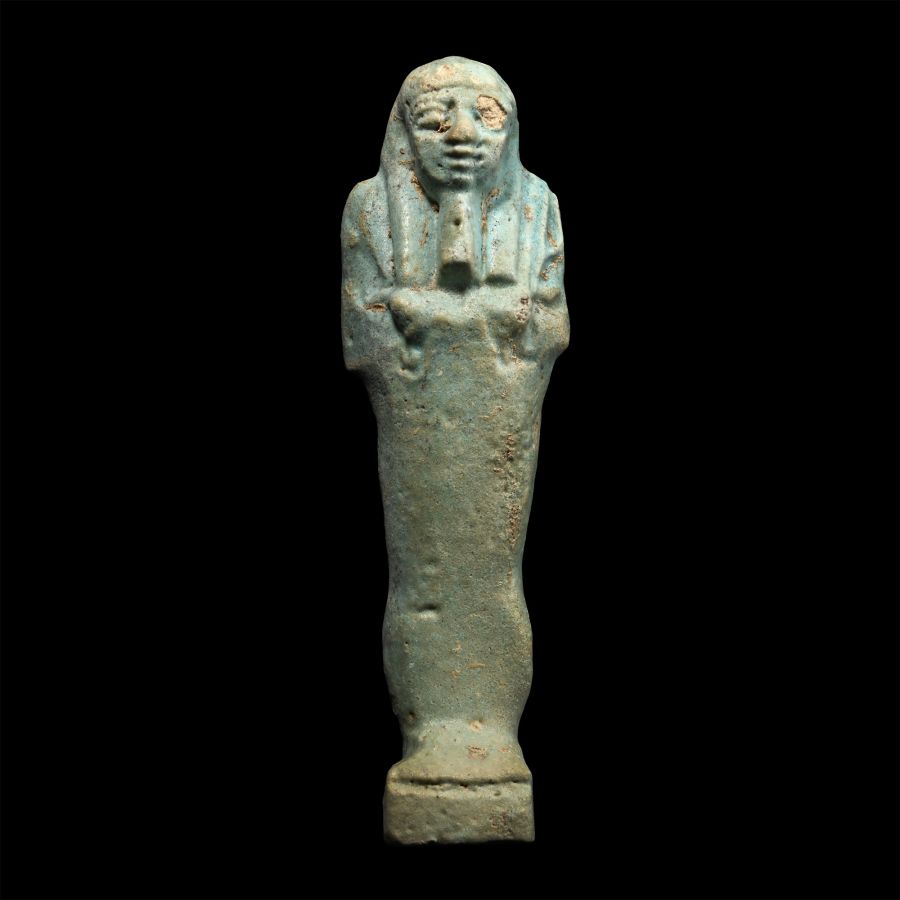
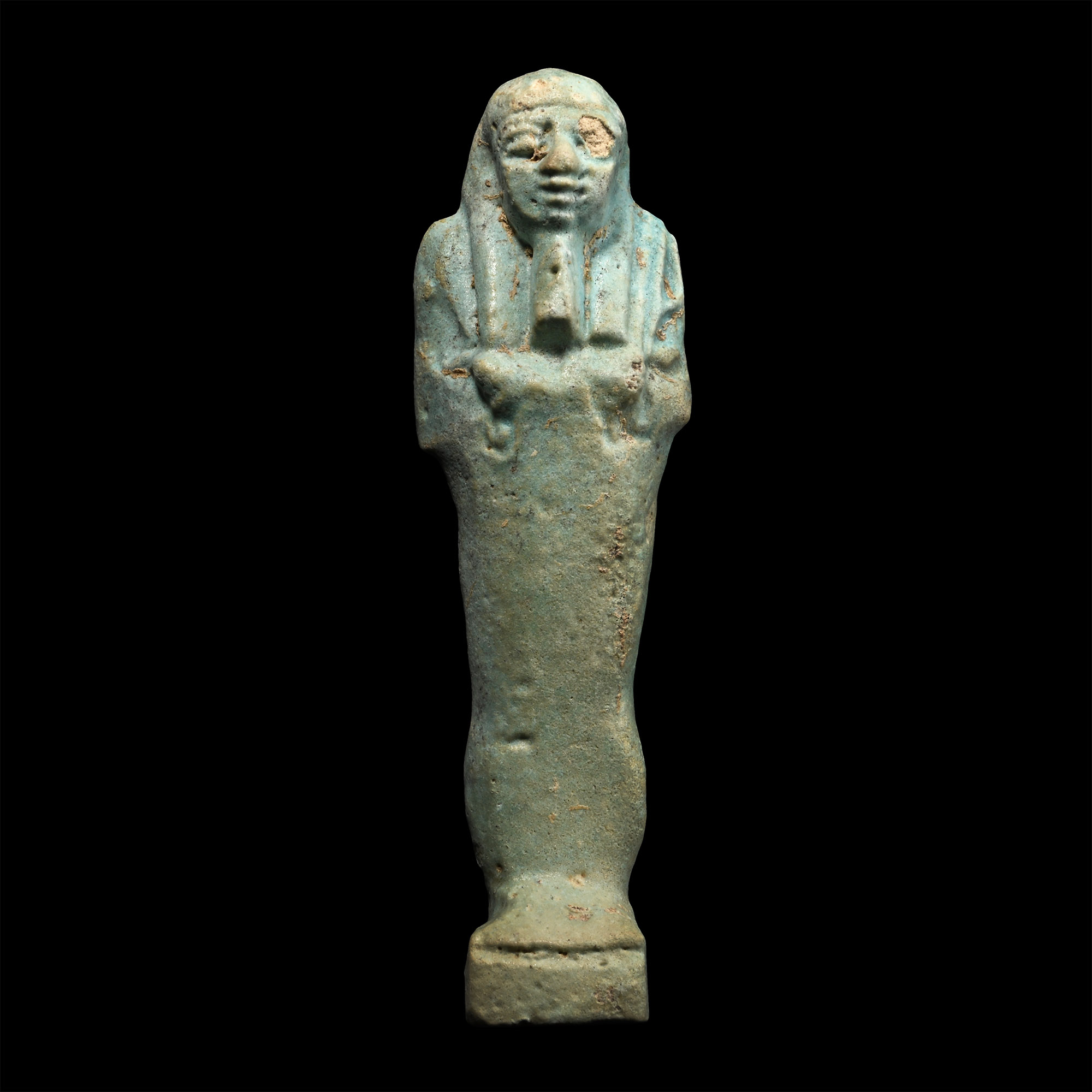
Egyptian Pale Blue Glazed Shabti
LATE PERIOD, CIRCA 664-332 B.C.
4 3/4 in. (71 grams, 11.9 cm).
Typical mummiform figure with a square base and dorsal pillar; a detailed face; a long false beard; a lappet wig; and crossed hands holding a pick, a hoe, and the cord of a seed bag, shown over the left shoulder. [No Reserve]
Provenancewith a privately curated collection, 1980s-early 2000s.
From the private collection and estate of Christine Simons (1943-2025), West Midlands, UK.
Cf. Janes, G., The Shabti Collections 6: A Selection from the World Museum, Liverpool, Lymm, 2016, p. 499, no. 262, for a similar uninscribed shabti from Tell Nabasha.
CONDITIONTimeLine Auctions follows a vetting process to ensure the authenticity and legality of all items, reinforcing our commitment to integrity and responsible trading. Each antiquity, antique, and coin lot undergoes thorough examination by a vetting committee of at least ten external specialists, professional trade association members, scientists, and archaeologists: Our Vetting Process
AUCTIONS:
TimeLine is a leading auction house specialising in antiquities, ancient art, collectables, natural history, coins, medals, and books. Our auctions offer museums, collectors, historians, and enthusiasts the opportunity to acquire unique and historically significant pieces.
LOT 0529
Egyptian Pale Blue Glazed Shabti
Estimate £100 - 140€120 - 160 (for guidance only)$140 - 190 (for guidance only)
Opening Bid
£5 (EUR 6; USD 7) +BP*
-
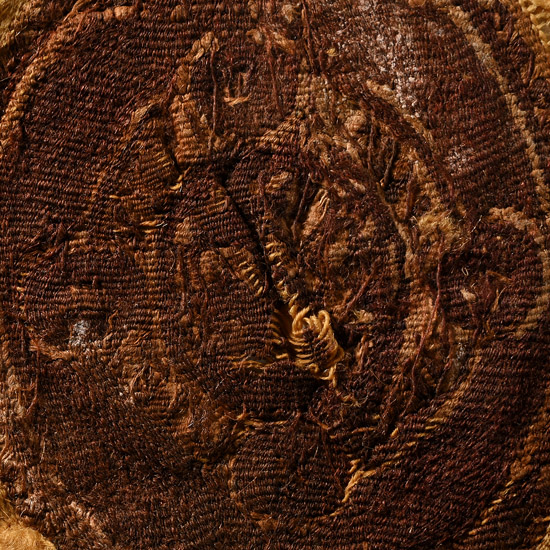
Egyptian Coptic Textile Fragment of an Orbiculus from a Tunic
Circa 4th century A.D.Estimate: £30 - 40 (+bp*)
Opening Bid: £5
In purple wool and coarse linen, on a brown linen background, S-torsion, embroidered with vegetal ornaments, and the borders decorated with meanders. 6.38 grams, 10 x 9.8 cm
Acquired 1970s-1996. Property of a North American collector. London collection, 2016.
In the Late Roman Period, round orbiculi decorated the shoulders and the lower part of tunics and kamisia (inner tunics). These fabrics were of great decorative finesse, displaying an unusual and extremely well-preserved colour palette. When the tunic was removed from use, these embroideries could be recycled and patched onto another garment. -
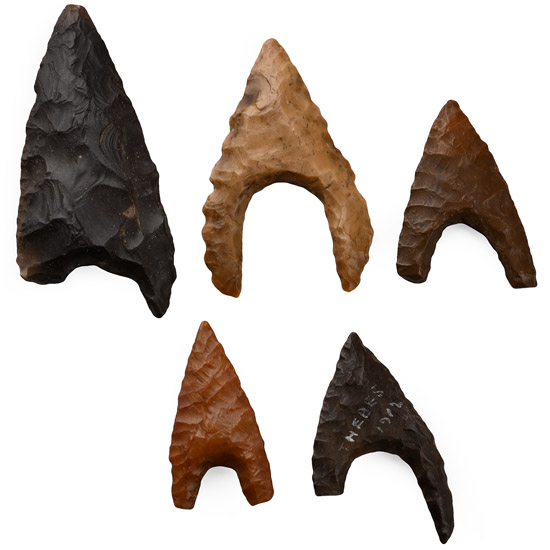
Egyptian Stone Age Knapped Arrowhead Group from Thebes
Neolithic Period, 11,000-5,200 B.P.Estimate: £150 - 200 (+bp*)
Opening Bid: £5
Comprising five barbed types, two with chipped barbs; accompanied with a handwritten tag reading 'Neolithic hollow-based arrowheads. Fayuum type. c.5000 BC'. 24.8 grams total, 33-58 mm
Found Thebes. From the collection of A.D. Passmore (1879-1958), his collection of flints from the area of Stonehenge was donated to the Ashmolean Museum in the 1950s. From the private collection of Peter Clayton, FCILIP, Dip, Arch, FSA, FRNS, Hemel Hempstead, Hertfordshire, UK; formed since the late 1950s. Accompanied by a copy of an old handwritten information card by Peter Clayton. -
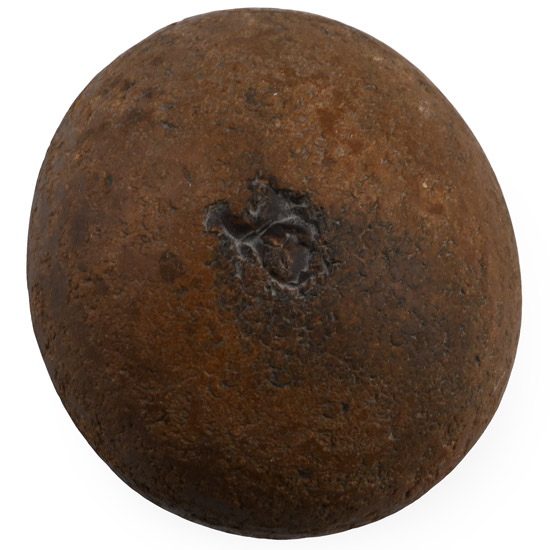
Egyptian Stone Smoothing Tool
3rd-late 1st millennium B.C.Estimate: £40 - 60 (+bp*)
Opening Bid: £5
Spherical pounder with a smooth surface. 625 grams, 86 mm
From the private collection of Peter Clayton, FCILIP, Dip, Arch, FSA, FRNS, Hemel Hempstead, Hertfordshire, UK; formed since the late 1950s. Accompanied by an old handwritten information card by Peter Clayton, collection no.134.
Stone pounders were used to shape and harden metal, as well as to pound stone architectural elements and statues.
