
Loading, please wait...
LOT 0464
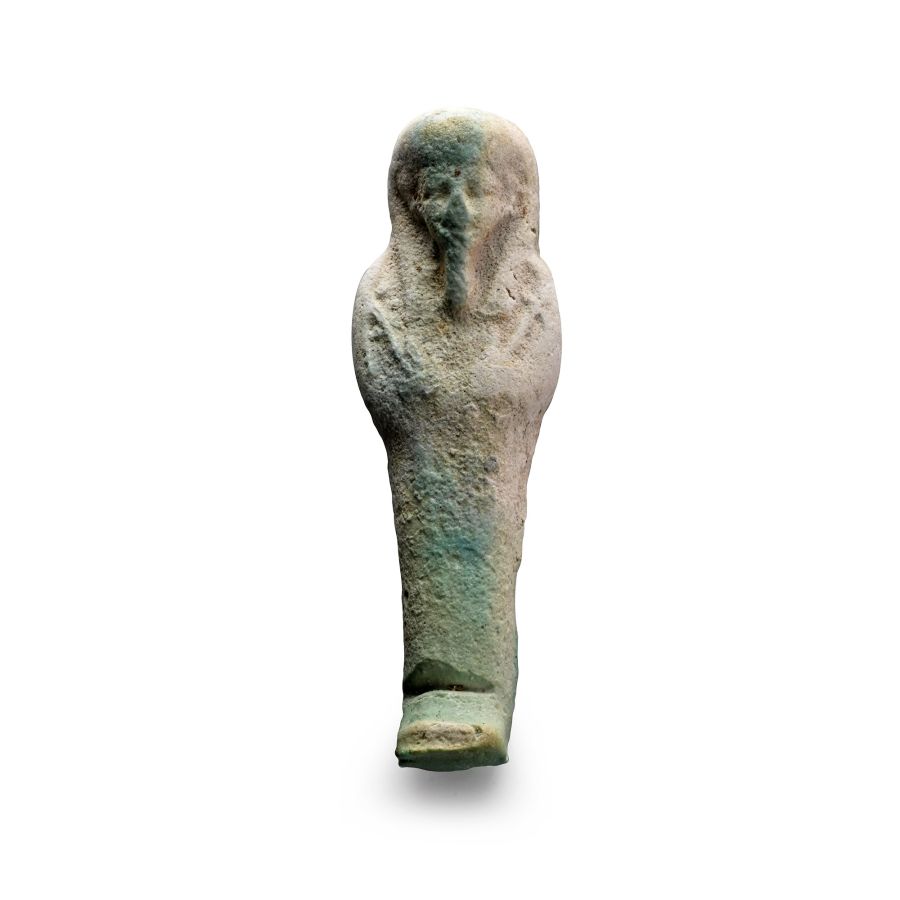
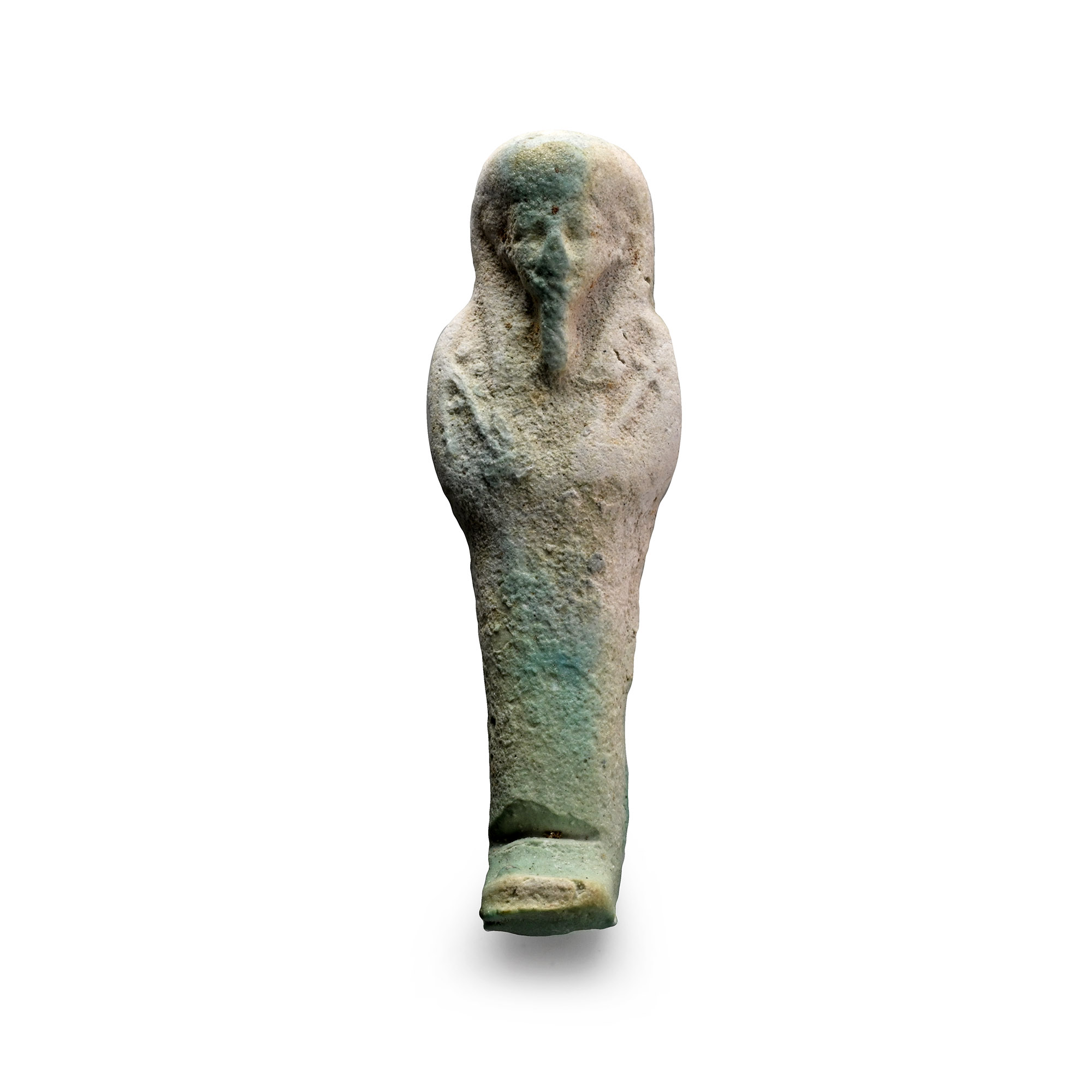
Egyptian Pale Blue Faience Shabti
PTOLEMAIC PERIOD, 332-30 B.C.
2 1/2 in. (9.17 grams, 63 mm).
Mummiform figure with false beard and holding agricultural implements in the crossed hands. [No Reserve]
ProvenanceEx London, UK, collection, 1990s.
This lot is accompanied by an illustrated lot declaration signed by the Head of the Antiquities Department, Dr Raffaele D'Amato.
Cf. Schneider, H.D. Shabtis. An Introduction to the History of Ancient Egyptian Funerary Statuettes with a Catalogue of the Collection of Shabtis in the National Museum of Antiquities at Leiden, Vol.3, Leiden, 1977, p. 79, no. 5.3.4.147, for a similar example.
CONDITIONTimeLine Auctions follows a vetting process to ensure the authenticity and legality of all items, reinforcing our commitment to integrity and responsible trading. Each antiquity, antique, and coin lot undergoes thorough examination by a vetting committee of at least ten external specialists, professional trade association members, scientists, and archaeologists: Our Vetting Process
AUCTIONS:
TimeLine is a leading auction house specialising in antiquities, ancient art, collectables, natural history, coins, medals, and books. Our auctions offer museums, collectors, historians, and enthusiasts the opportunity to acquire unique and historically significant pieces.
-
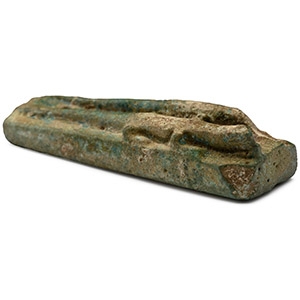
Egyptian Faience Double Lizard Amulet
Late Period, 664-332 B.C.Sold for (Inc. bp): £169
Gentle trapezoidal plinth with modelled depictions of two long-tailed lizards on the top; four evenly spaced holes pierce the plinth for attachment. 12 grams, 54 mm
From a UK dealer since the 1970s. From an old London, UK, collection since circa 1985. This lot is accompanied by an illustrated lot declaration signed by the Head of the Antiquities Department, Dr Raffaele D'Amato.
The lizard was the animal manifestation of the creator god Atum. His sun-god aspect is embodied in the lizard's need to bask in sunshine. -
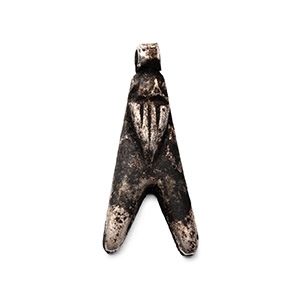
Egyptian Silver Fly Amulet
Late-Ptolemaic Period, 664-30 B.C.Sold for (Inc. bp): £78
With linear detailing to wings, raised eyes, pierced for suspension. 0.84 grams, 19 mm
Ex London, UK, art market, 1990s. This lot is accompanied by an illustrated lot declaration signed by the Head of the Antiquities Department, Dr Raffaele D'Amato.
Although flies might seem like mere nuisances—often shown being swatted by pharaohs or officials—ancient Egyptians admired them for their speed, agility, and persistence. Fly-shaped amulets, first appearing in Naqada II burials around 3200 B.C., became especially popular in the New Kingdom. Made from materials like gold, silver, faience, lapis lazuli, and bone, they served apotropaic purposes, protecting against bites and warding off pests. Some may have also symbolised fertility. Gold fly pendants were even awarded by pharaohs to honour soldiers’ bravery and tenacity. -
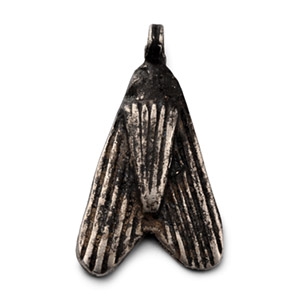
Egyptian Silver Fly Amulet
Late-Ptolemaic Period, 664-30 B.C.Sold for (Inc. bp): £91
With detailing to wings and eyes, loop for suspension above the head. 2 grams, 24 mm
Ex London, UK, gentleman 1980-1990s. This lot is accompanied by an illustrated lot declaration signed by the Head of the Antiquities Department, Dr Raffaele D'Amato.
Considering that Egyptian artists often depicted fly whisks in the hands of pharaohs and high officials, one might assume that flies were merely a nuisance. However, the Egyptians held flies in high regard for their speed, quick reactions, and persistence. Small fly amulets first appeared in burials during the Naqada II Period, around 3200 B.C. These amulets gained popularity, and the materials used to make them varied during the New Kingdom. They were crafted from various materials such as gold, silver, lapis lazuli, carnelian, amethyst, faience, and bone. These amulets were believed to protect against insect bites and to ward off troublesome flying creatures through apotropaic magic. Some believe they may have even symbolised the fly’s fecundity. Additionally, pharaohs would bestow gold fly-shaped pendants as military awards to honour the bravery and persistence of soldiers in battle.
