
Loading, please wait...
LOT 0642
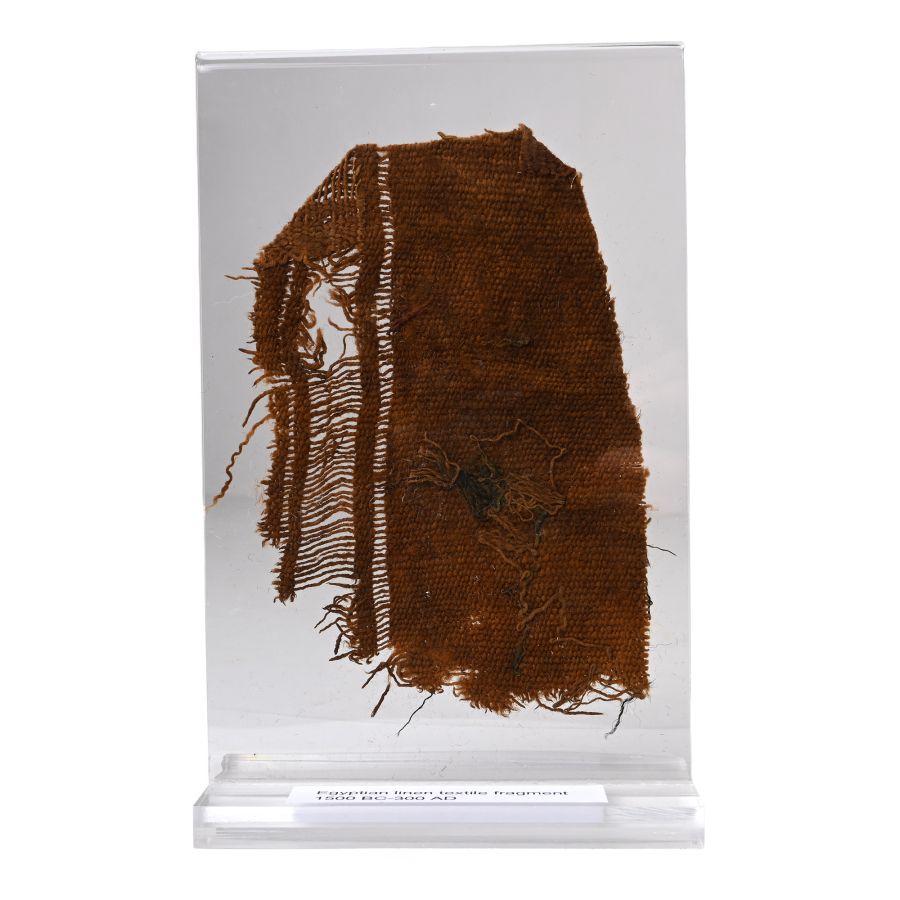
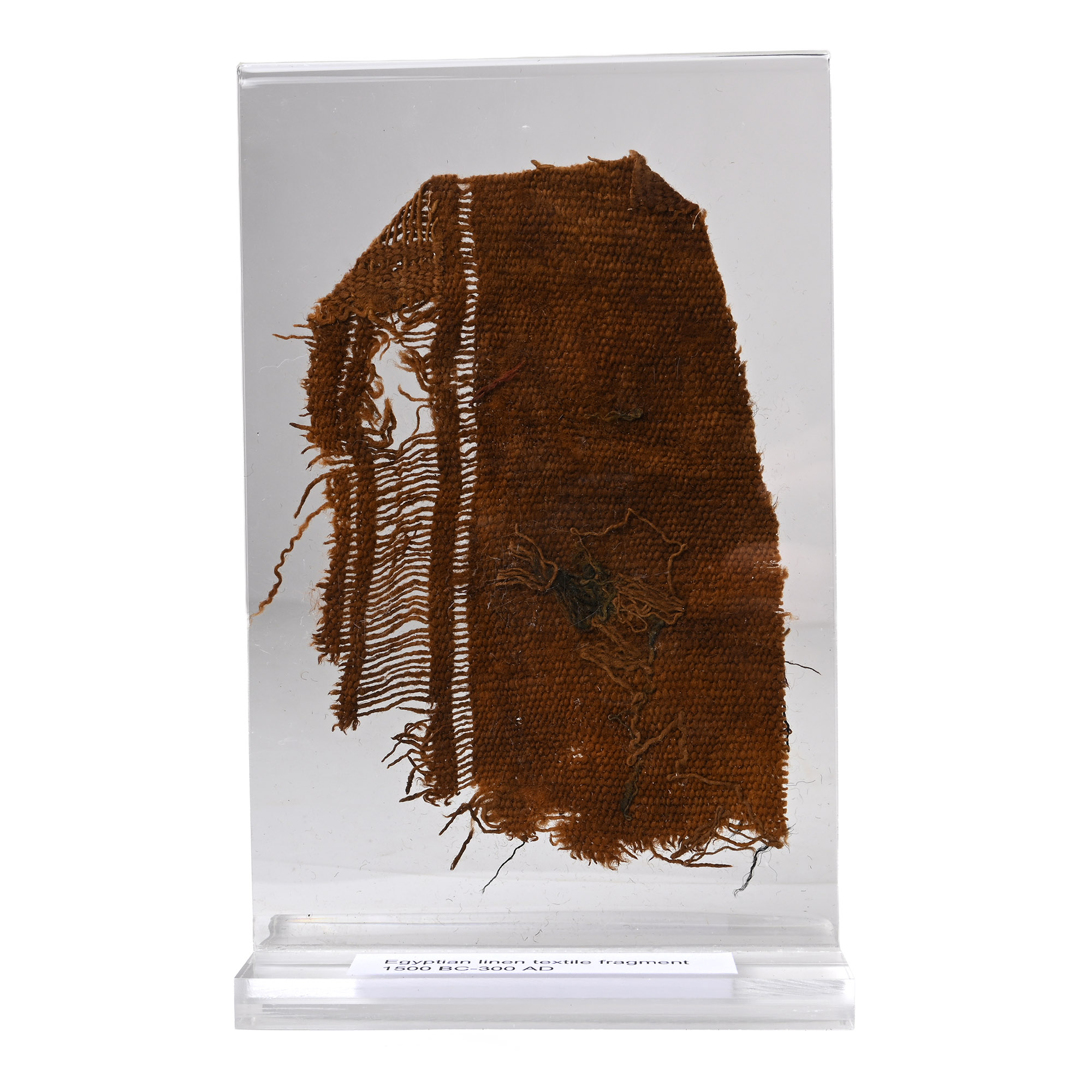
Egyptian Mummy Wrapping Fragment in Display Stand
CIRCA 1500 B.C.-300 A.D.
6 1/4 in. (83 grams total, 16 cm including stand).
Textile fragment with a decorative openwork section on one side; mounted in a protective acrylic display. [No Reserve]
Provenancewith a privately curated collection, 1980s-early 2000s.
From the private collection and estate of Christine Simons (1943-2025), West Midlands, UK.
TimeLine Auctions follows a vetting process to ensure the authenticity and legality of all items, reinforcing our commitment to integrity and responsible trading. Each antiquity, antique, and coin lot undergoes thorough examination by a vetting committee of at least ten external specialists, professional trade association members, scientists, and archaeologists: Our Vetting Process
AUCTIONS:
TimeLine is a leading auction house specialising in antiquities, ancient art, collectables, natural history, coins, medals, and books. Our auctions offer museums, collectors, historians, and enthusiasts the opportunity to acquire unique and historically significant pieces.
LOT 0642
Egyptian Mummy Wrapping Fragment in Display Stand
Estimate £50 - 70€58 - 81 (for guidance only)$68 - 95 (for guidance only)
Opening Bid
£5 (EUR 6; USD 7) +BP*
-
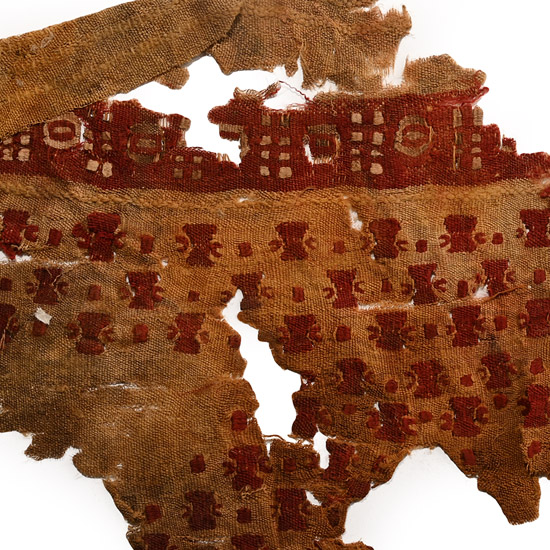
Egyptian Coptic Wall Tapestry Textile Fragment with Geometric Ornament
Circa 6th century A.D.Estimate: £50 - 70 (+bp*)
Opening Bid: £5
Striped linen fabric, embellished with red wool and linen tapestry featuring butterfly-like motifs; side clavus decorated with alternating dots and geometric bands; S-twist. 24 grams total including paper folder, 36.5 cm
Acquired 1970s-1996. Property of a North American collector. London collection, 2016.
The fragment might have belonged to a wall hanging, but its resemblance to the fabric from Antinoe and its lightness do not rule out the possibility that it was part of a scarf. -
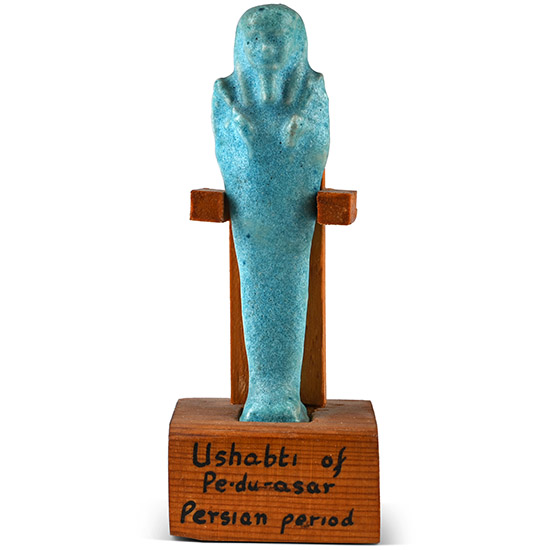
Egyptian Blue Glazed Faience Shabti
Ptolemaic Period, 323-30 B.C.Estimate: £200 - 300 (+bp*)
Opening Bid: £5
Typical mummiform type wearing a lappet wig, with arms crossed and hands holding agricultural implements; uninscribed; mounted on a custom-made stand marked 'Ushabti of Pe-du-asar Persian period'. 41.3 grams total, 99 mm
Acquired Church Street, 14th December 1957, for 10 shillings. From the private collection of Peter Clayton, FCILIP, Dip, Arch, FSA, FRNS, Hemel Hempstead, Hertfordshire, UK; formed since the late 1950s. Accompanied by an old handwritten information card by Peter Clayton, collection no.6.
The 'Pe-du-asar' on the label likely refers to the individual whose burial Flinders Petrie discovered at Abydos in 1902, which contained many blue-glazed, uninscribed shabtis. However, his shabtis have different hand positions and a glassier, often bichrome, glaze, suggesting that this example comes from a different burial. -
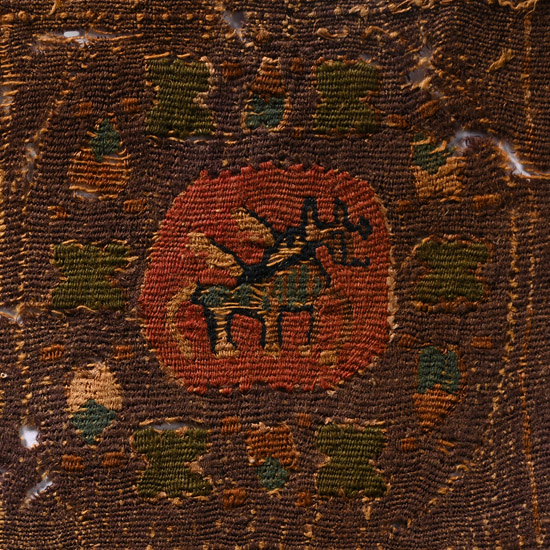
Egyptian Coptic Textile Fragment of a Tunic Tablion with Pegasus
Circa 7th century A.D.Estimate: £40 - 60 (+bp*)
Opening Bid: £5
In natural wool in shades of light brown, yellow, green, blue, and red with S-twist yarn, depicting the figure of Pegasus within a central medallion, surrounded by geometric and vegetal motifs; borders ornamented with meanders. 1.3 grams, 10.5 cm
Acquired 1970s-1996. Property of a North American collector. London collection, 2016.
The tabula, or tablion, was a square embroidery used to decorate tunics or mantles. The central figure is a rare representation of the winged horse Pegasus, a motif derived from Greek mythology, showing that classical iconography was still alive among the Christian Graeco-Roman people.
