
Loading, please wait...
LOT 0454
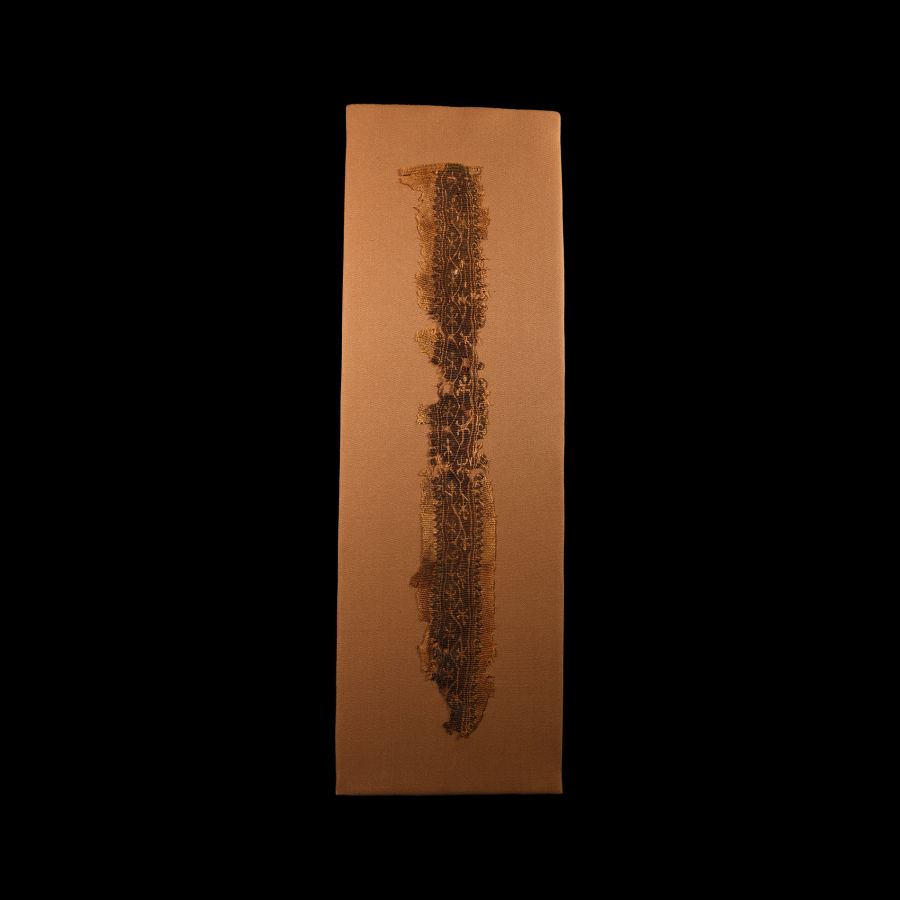
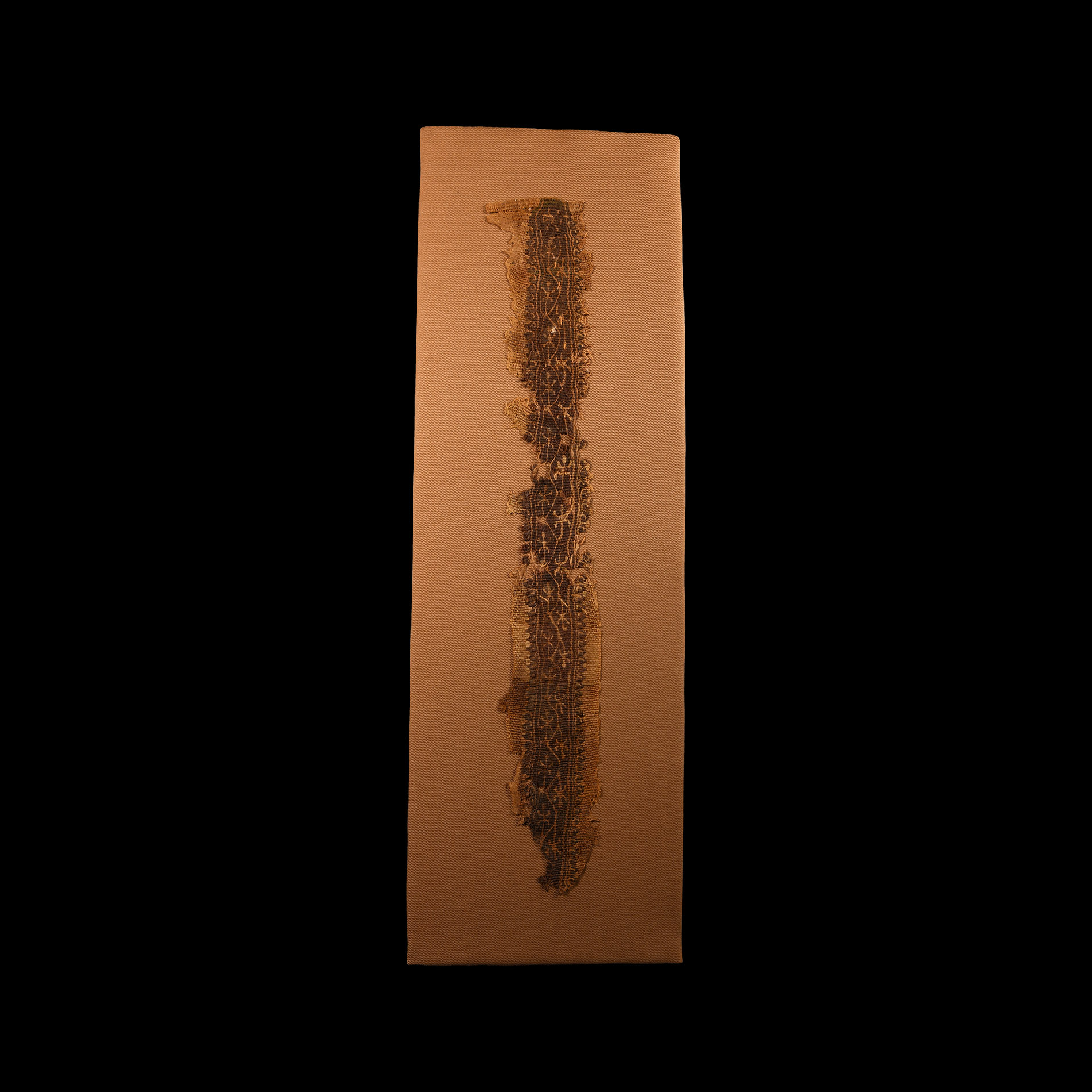
Egyptian Mounted Coptic Textile with Vines
CIRCA 6TH-7TH CENTURY A.D.
23 x 7 1/4 in. (111 grams, 58 x 18.5 cm).
Composed of a clavus decorated with grape leaves and vine shoots in light yellow colour upon a purple background, with two bunches of grapes marked in green, the frame formed of a double line surrounded externally by a minute recurring spiral. [No Reserve]
ProvenanceAcquired 1970s-1996.
Property of a North American collector.
London collection, 2016.
Cf. Del Francia Barocas, L., Museo dell'Alto Medioevo, Roma, I materiali Copti, p.162-163, nos.39 A-B, for similar textile figures and warp.
FootnotesTapestry technique on natural light yellow wool upon linen. It is highly probable that this tapestry was part of a tunic decoration, a clavus, running vertically on the breast and on the back of it.
CONDITIONTimeLine Auctions follows a vetting process to ensure the authenticity and legality of all items, reinforcing our commitment to integrity and responsible trading. Each antiquity, antique, and coin lot undergoes thorough examination by a vetting committee of at least ten external specialists, professional trade association members, scientists, and archaeologists: Our Vetting Process
AUCTIONS:
TimeLine is a leading auction house specialising in antiquities, ancient art, collectables, natural history, coins, medals, and books. Our auctions offer museums, collectors, historians, and enthusiasts the opportunity to acquire unique and historically significant pieces.
-
Egyptian Hardstone and Faience Scarab Collection
Late Period, 664-332 B.C.Sold for (Inc. bp): £286
Including hieroglyphic text, figural imagery and geometric designs to the underside. 11.3 grams total, 12-19 mm
Acquired 1970s-1996. Property of a North American collector. London collection, 2016. -
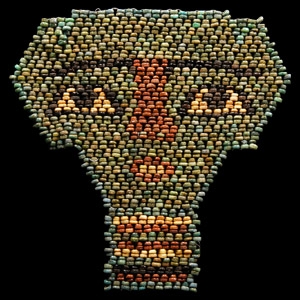
Egyptian Beaded Mummy Mask
Ptolemaic Period, 332-30 B.C.Sold for (Inc. bp): £164
Comprising a restrung panel of small glazed composition beads in various colours representing a mummy face mask with false beard. 25.99 grams, 10.5 cm
Acquired 1990s. Ex Mariaud des Serres, Paris, France. -
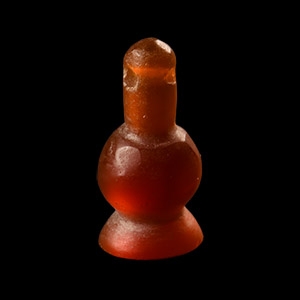
Egyptian Carnelian Poppy Head Amulet
New Kingdom, 18th Dynasty, 1550-1292 B.C.Sold for (Inc. bp): £156
Polished and with integral pierced suspension loop. 0.53 grams, 13 mm
UK gallery, early 2000s.
