
Loading, please wait...

LOT 0703
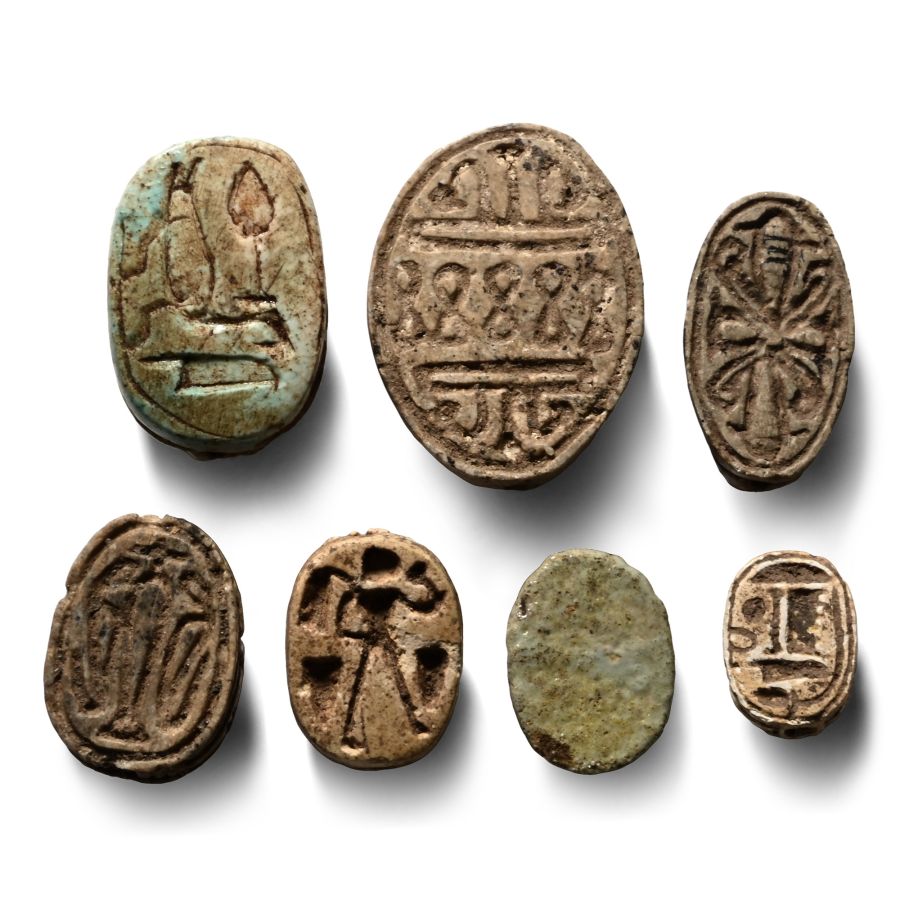
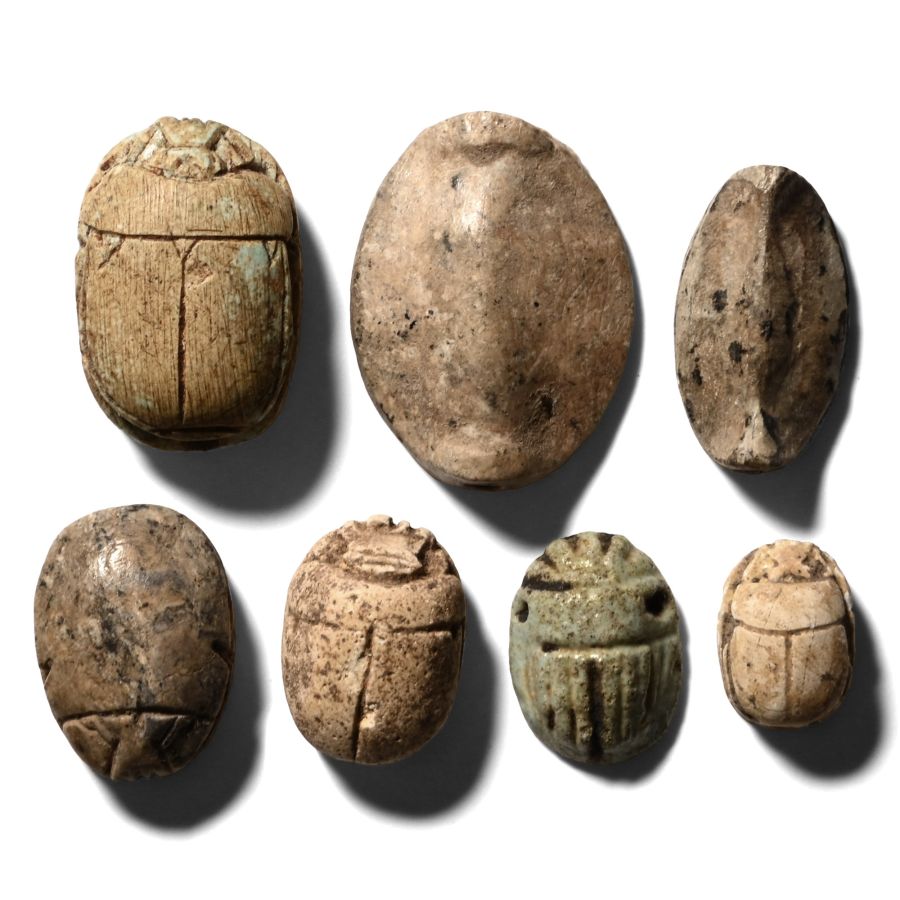
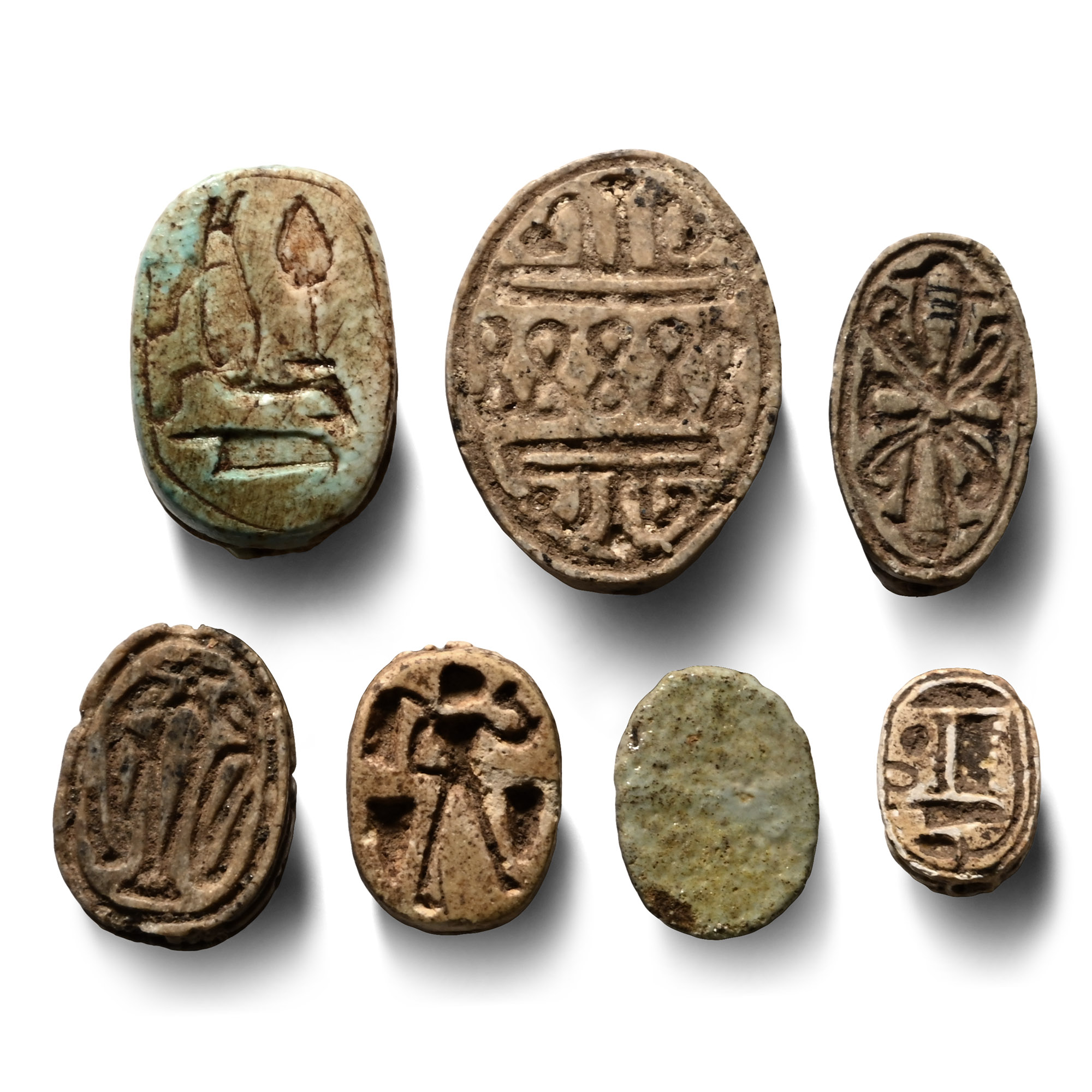
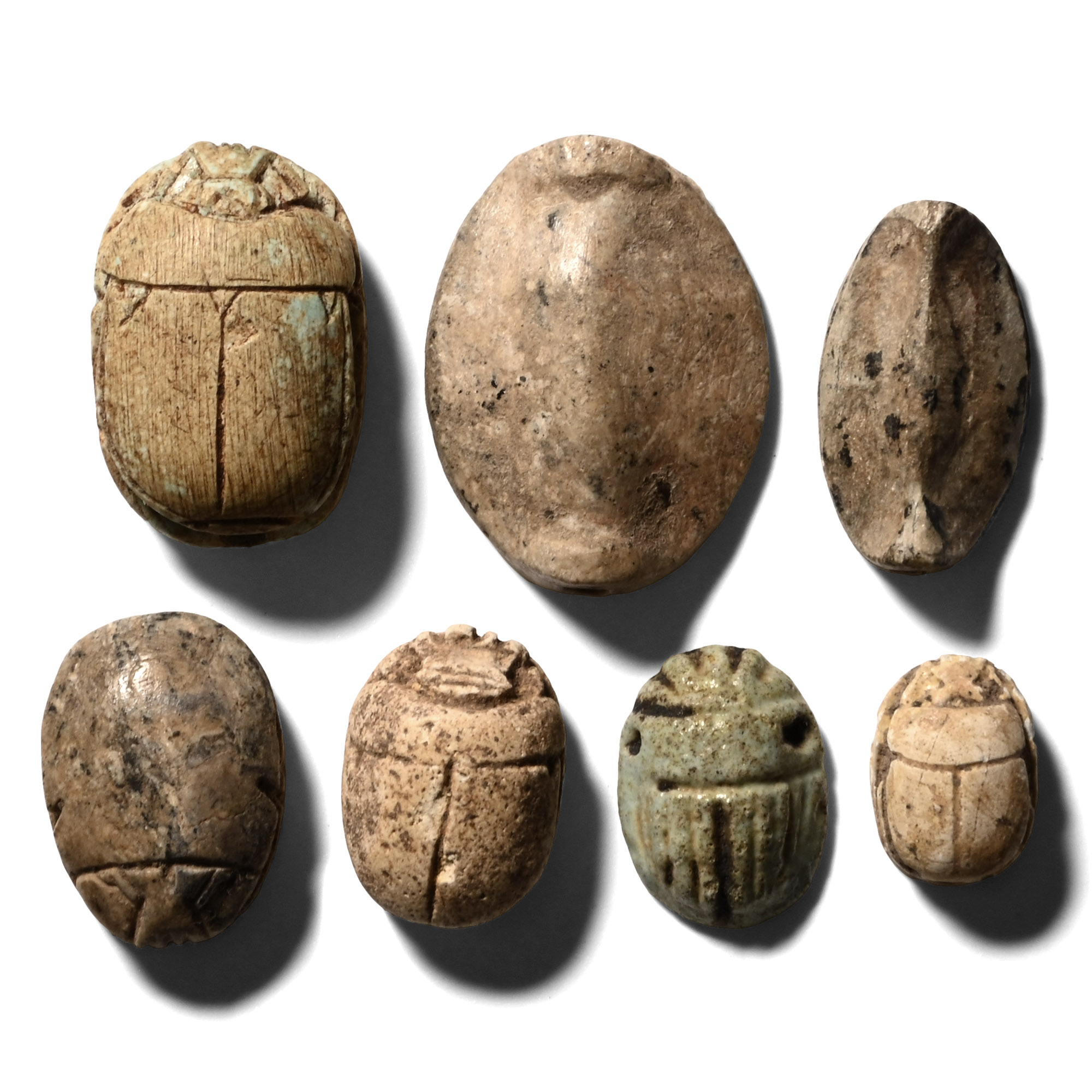
Egyptian Mixed Scarab and Scaraboid Collection
2ND-1ST MILLENNIUM B.C.
1/2 - 7/8 in. (13 grams total, 11-23 mm).
Comprising (from left to right, top to bottom): 1) a scarab with an oval border containing a goose, nefer(?), and a reed leaf; 2) a scarab with an oval border featuring a triple lotus flower motif at the top and bottom, with a middle row of floral bundles; 3) a scaraboid with a long oval border containing a cross pattern incorporating scrolls, coiled cords, and floral elements; 4) a scarab with an oval border featuring a hes-jar flanked by two cobras; 5) a scarab with a standing male figure holding a sceptre/mace and a flail, flanked by two highly stylised rearing cobras; 6) a plain scarab; 7) and a scarab with an oval border containing the name Amun-Re, a neb symbol, and a lotus flower. [7]
ProvenanceFrom the collection of a gentleman, acquired on the London art market in the 1990s.
This lot is accompanied by an illustrated lot declaration signed by the Head of the Antiquities Department, Dr Raffaele D'Amato.
Cf. 1) Matouk, F.S., Corpus du scarabée égyptien. Vol. 2: Analyse thématique, Beirut, 1976, p. 393, nos. 1029-1032, for examples of scarab motifs incorporating a goose, reed leaf, and other symbols; 2) Ben-Tor, D., Scarabs, Chronology, and Interconnections: Egypt and Palestine in the Second Intermediate Period, Fribourg/Göttingen, 2007, pl. 32, no.2, for a similar example, but with two central rows of floral bundles; 3) Ben-Tor, D., Scarabs, Chronology, and Interconnections: Egypt and Palestine in the Second Intermediate Period, Fribourg/Göttingen, 2007, pl. 68, no. 10, for a comparable design of a Caananite scarab; 4) Matouk, F.S., Corpus du scarabée égyptien. Vol. 2: Analyse thématique, Beirut, 1976, p. 395, no.1152, for a scarab with a horizontal arrangement of the same motif; 5) Matouk, F.S., Corpus du scarabée égyptien. Vol. 2: Analyse thématique, Beirut, 1976, p. 402, no. 1662, for a similarly-themed scarab; 7) Ben-Tor, D., The Scarab: A Reflection of Ancient Egypt, Tel Aviv, 1993, p.73, no.1, for similar.
CONDITIONTimeLine Auctions follows a vetting process to ensure the authenticity and legality of all items, reinforcing our commitment to integrity and responsible trading. Each antiquity, antique, and coin lot undergoes thorough examination by a vetting committee of at least ten external specialists, professional trade association members, scientists, and archaeologists: Our Vetting Process
AUCTIONS:
TimeLine is a leading auction house specialising in antiquities, ancient art, collectables, natural history, coins, medals, and books. Our auctions offer museums, collectors, historians, and enthusiasts the opportunity to acquire unique and historically significant pieces.
LOT 0703
Egyptian Mixed Scarab and Scaraboid Collection
Estimate £400 - 600€460 - 700 (for guidance only)$540 - 810 (for guidance only)
Opening Bid
£200 (EUR 232; USD 270) +BP*
-
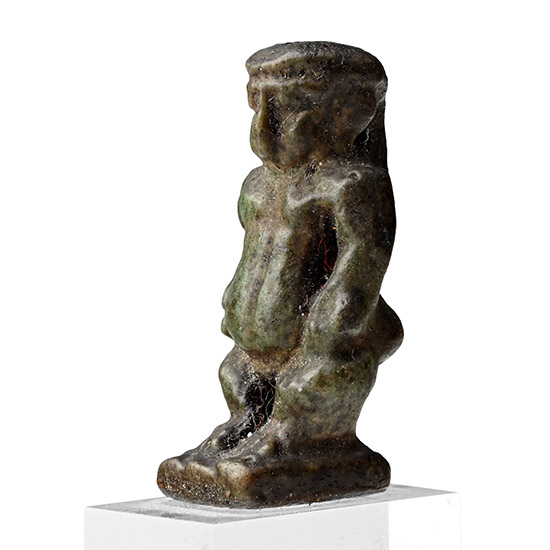
Egyptian Faience Amulet of Pataikos
Late Period, 664-332 B.C.Estimate: £100 - 140 (‡+bp*)
Opening Bid: £45
Depicted as a naked dwarf with short limbs; pierced to rear of the neck for use as an amulet; mounted on a display stand. 7.88 grams total, 40 mm high including stand
Ex Herbert A.Cahn, Basle, 1960s.
Herodotus mentions Pataikos as a dwarf-like depiction of Ptah, although the god’s ancient Egyptian name remains unclear. These small amulets symbolise Ptah’s immense magical power, which helps protect the wearer from dangerous creatures such as snakes and crocodiles. The deity’s role in the funerary sphere is explained in Spell 164 of the Book of the Dead, where Pataikos is used to safeguard the deceased’s heart from attacks by enemies and from bodily decay. -
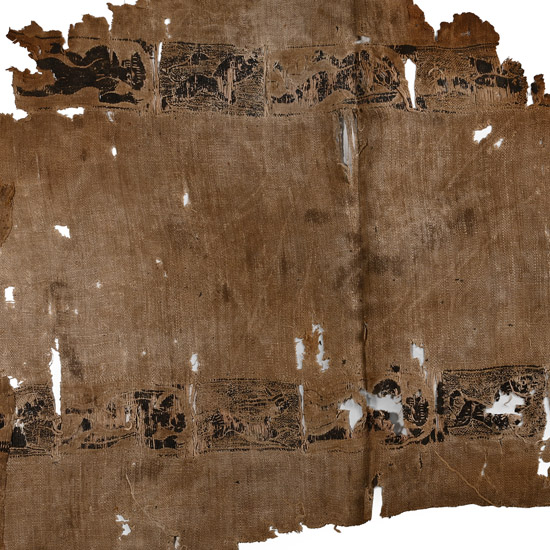
Large Egyptian Coptic Tunic Textile Fragment with Parallel Clavi and Images of Hunting Warriors and Animals
Circa 4th-5th century A.D.Estimate: £200 - 300 (+bp*)
Bids: 5 | Current Bid: £40
Large portion of a tunic featuring pairs of 'clavi' decorated with an alternating sequence of shield-bearing hunters, lions, and rabbits; on the right lower side, an ornamental tabula; white linen warp with S-twist, tapestry-woven figures. 148 grams total including paper folder, 74 cm
Acquired 1970s-1996. Property of a North American collector. London collection, 2016.
The theme of rabbits or hares, in association with other characters and animals of the Dionysian thiasos (like the lions), in a hunting setting, has notable parallels. Such representations are linked to narratives of the Dionysian cycle. However, the hunting scene—considered by the Romans the best exercise for military training—may imply a strong connection to the military context. -
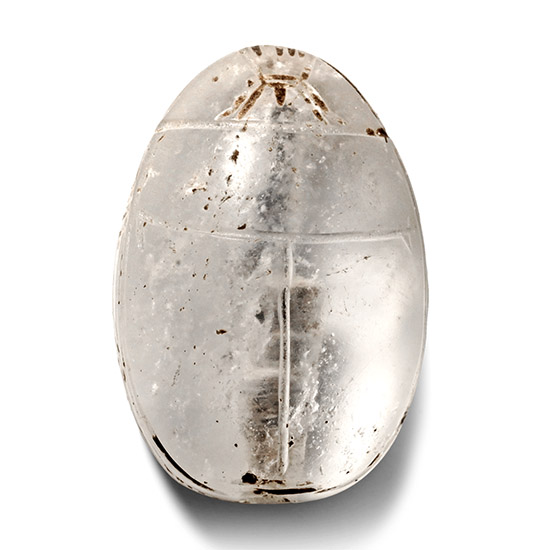
Egyptian Rock Crystal Scarab
Late Period, circa 664-332 B.C.Estimate: £700 - 900 (+bp*)
Opening Bid: £350
Oval body, with lightly incised detailing of the clypeus, head, prothorax, elytra, and legs; underside plain; longitudinally pierced for suspension. 4.82 grams, 22 mm
Ex Belinda Elliston collection, a member of the Egyptian Exploration Society, 1940s onwards.
