
Loading, please wait...
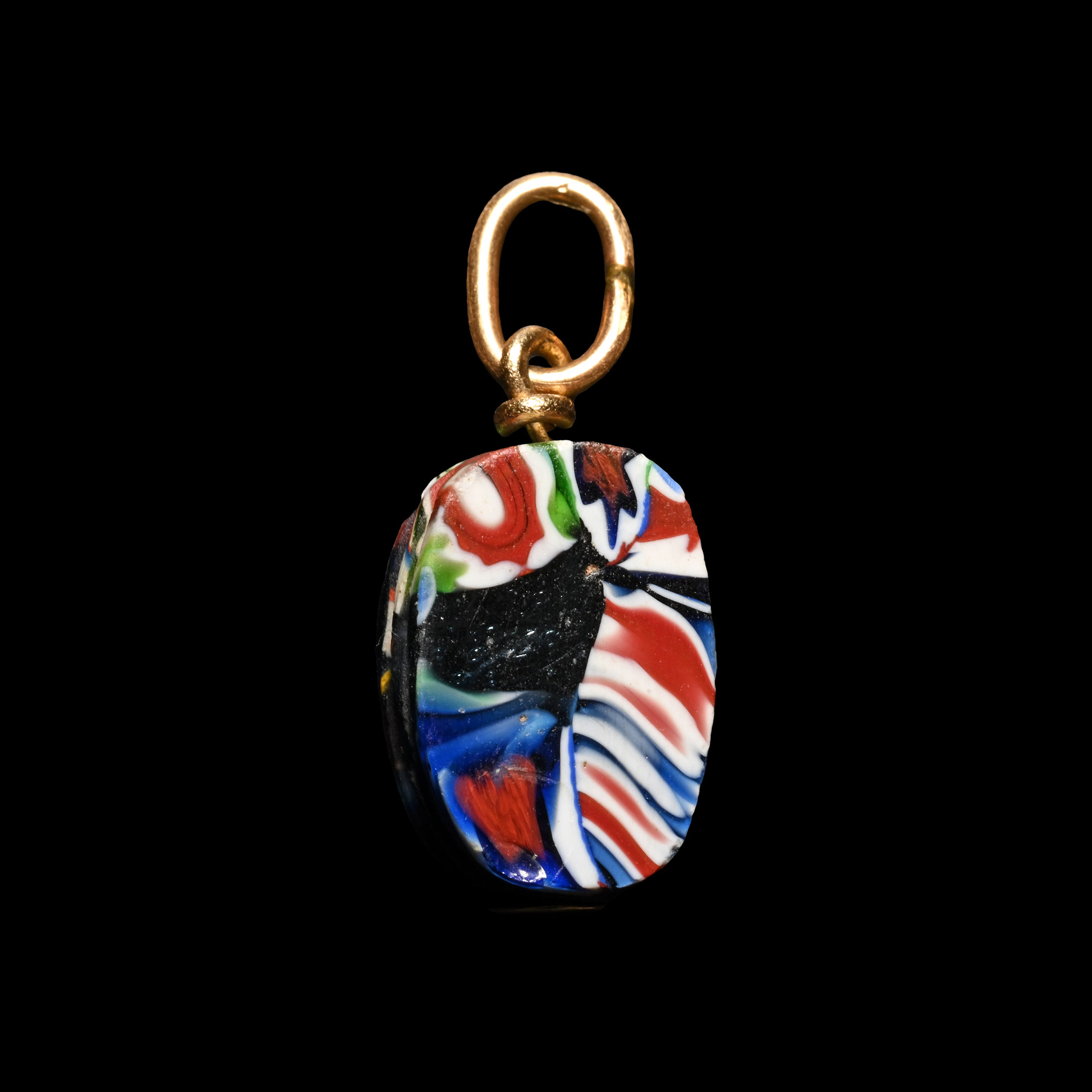
LOT 0069
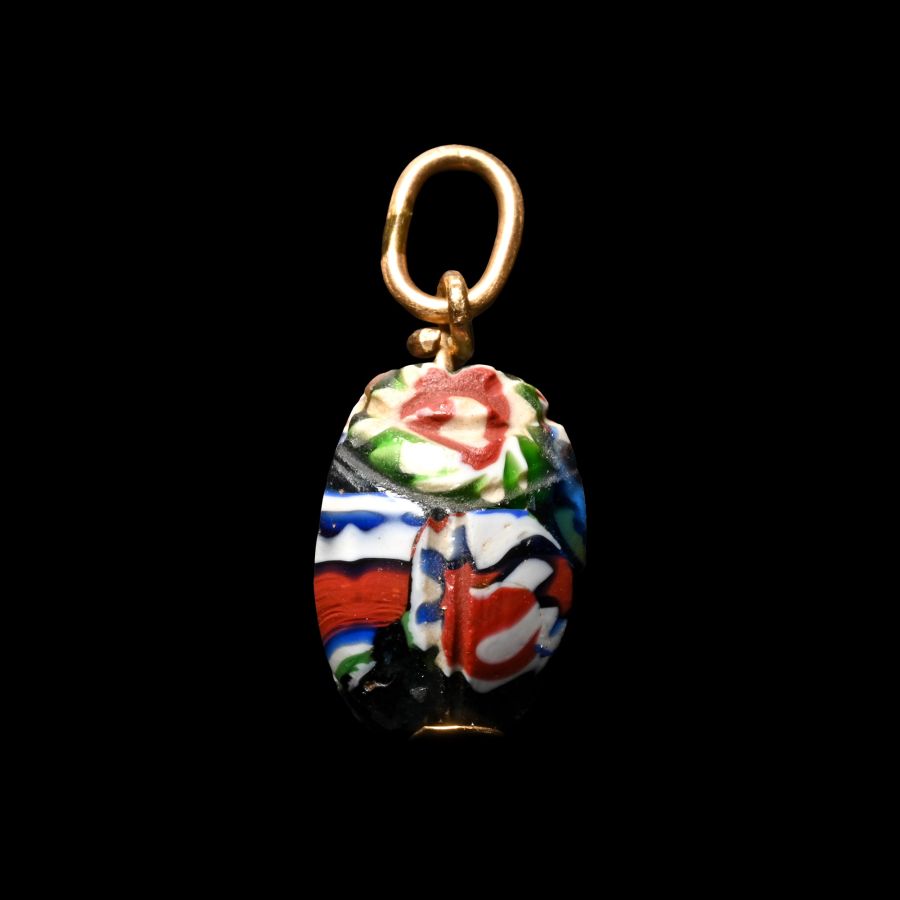
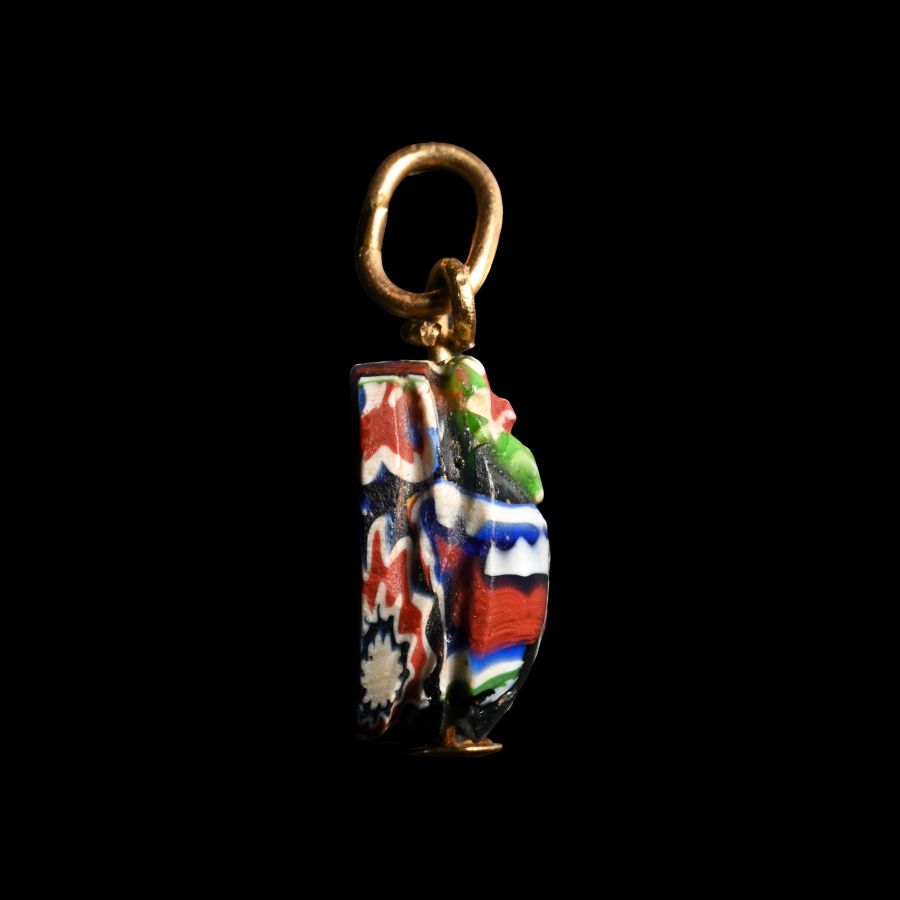
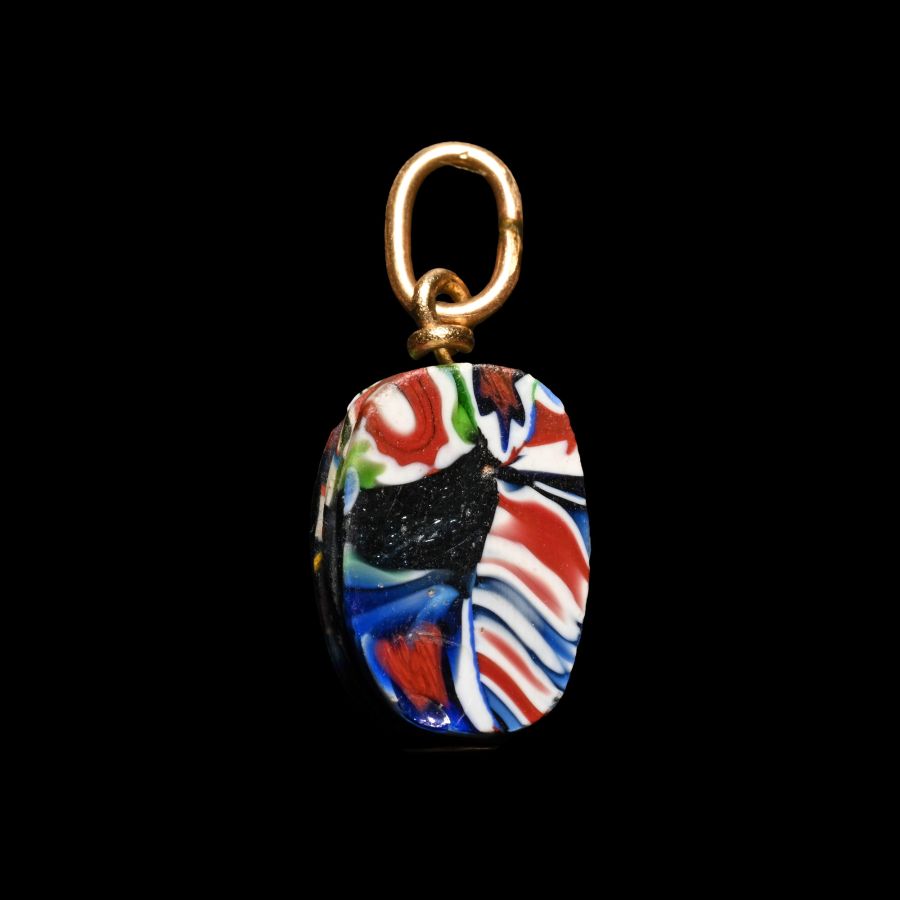
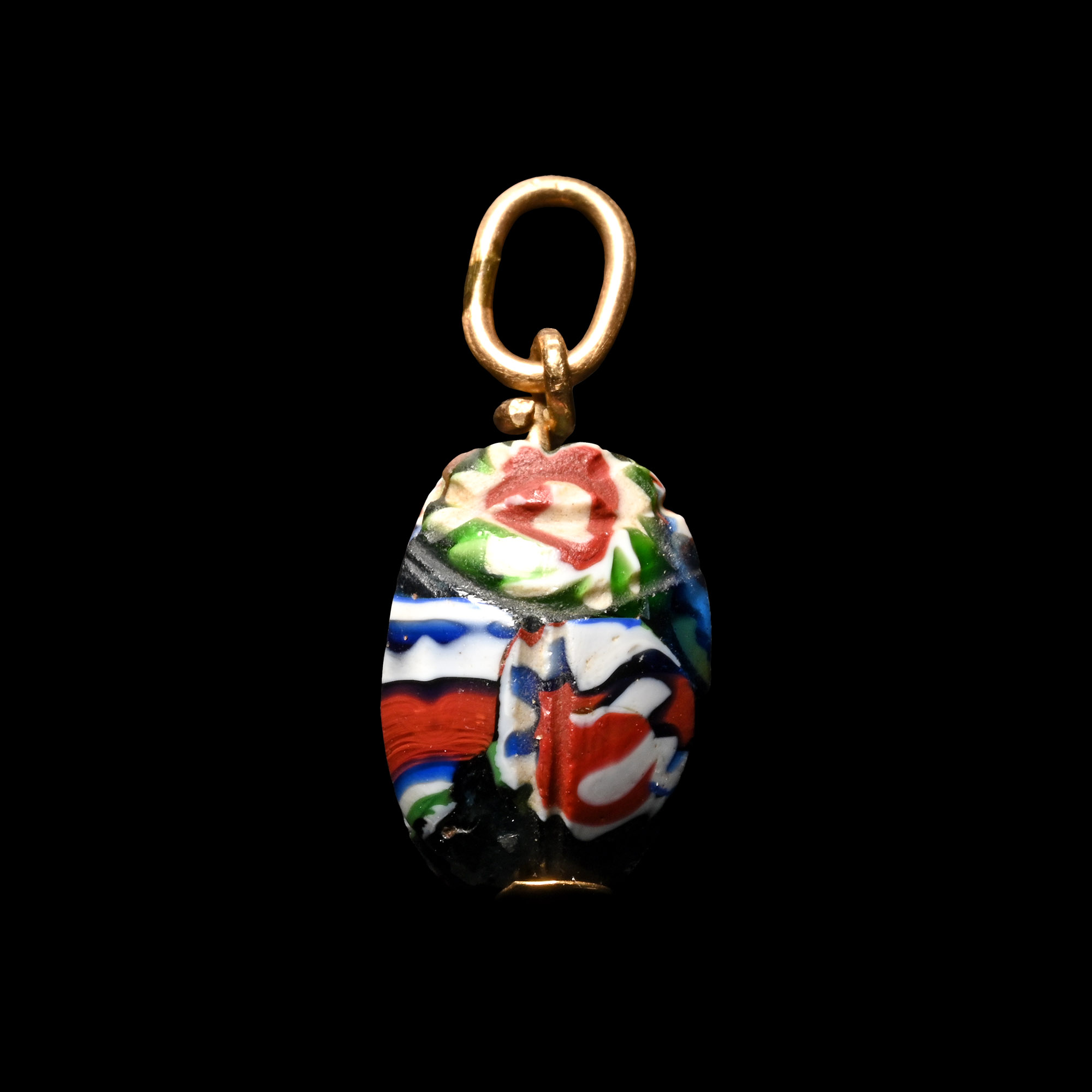
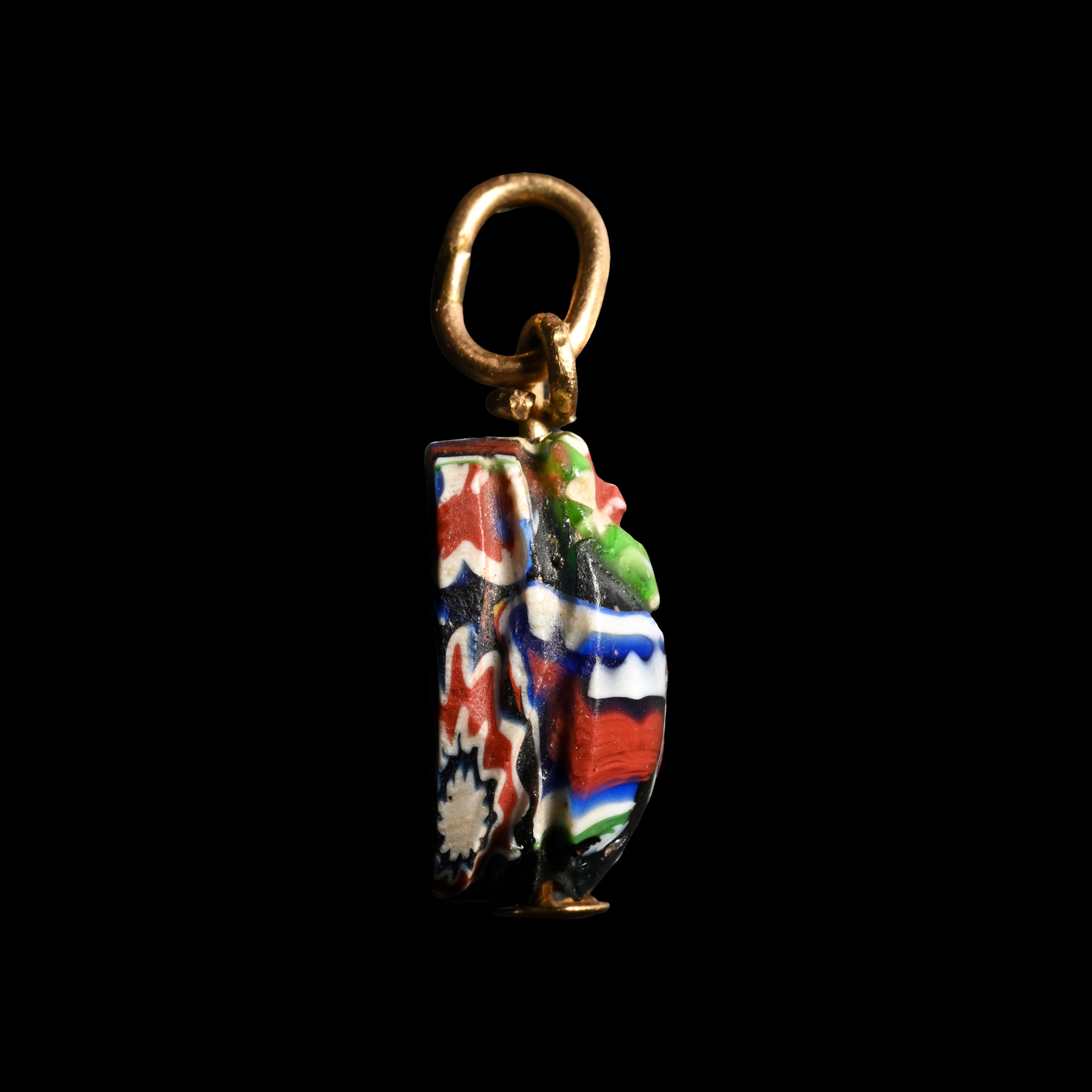
Egyptian Millefiori Glass Scarab
LATE PERIOD, 664-332 B.C.
1 in. (2.24 grams, 24 mm).
With a gold pin and suspension ring, polychrome glass body, plain underside; mounted in an 18ct gold bezel for hanging as a pendant, by BERJ, at Cluster Jewellers.
ProvenanceAcquired from Derek Content, September 1974.
Private collection of Kal Noselson, New York, acquired between 1976 and the late 1990s; thence by descent.
Accompanied by an original handwritten invoice from Derek Content; a typed collector's note recording the purchase from Derek Content in September 1974; and the collector's original inked images.
TimeLine Auctions follows a vetting process to ensure the authenticity and legality of all items, reinforcing our commitment to integrity and responsible trading. Each antiquity, antique, and coin lot undergoes thorough examination by a vetting committee of at least ten external specialists, professional trade association members, scientists, and archaeologists: Our Vetting Process
AUCTIONS:
TimeLine is a leading auction house specialising in antiquities, ancient art, collectables, natural history, coins, medals, and books. Our auctions offer museums, collectors, historians, and enthusiasts the opportunity to acquire unique and historically significant pieces.
LOT 0069
Egyptian Millefiori Glass Scarab
Estimate £500 - 700€580 - 810 (for guidance only)$680 - 950 (for guidance only)
Opening Bid
£250 (EUR 290; USD 338) ‡+BP*
-
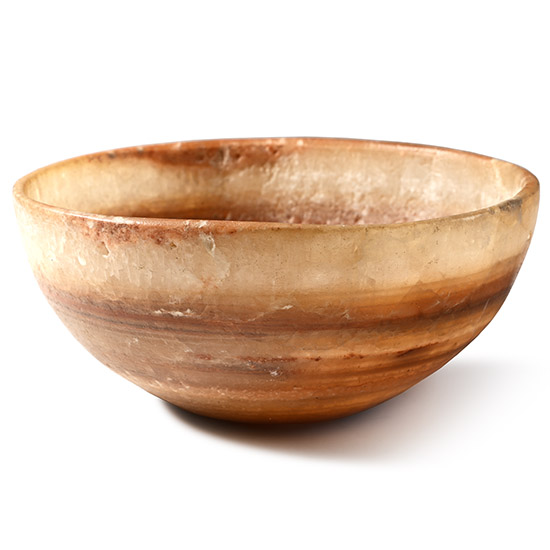
Egyptian Alabaster Bowl
2nd-1st millennium B.C.Estimate: £300 - 400 (+bp*)
Opening Bid: £5
Hemispherical type with rounded rim. 275 grams, 13.2 cm wide
From the private collection of Peter Clayton, FCILIP, Dip, Arch, FSA, FRNS, Hemel Hempstead, Hertfordshire, UK; formed since the late 1950s. -

Egyptian Steatite and Other Scarab Group
Mainly Second Intermediate Period, circa 1660-1500 B.C.Estimate: £150 - 200 (‡+bp*)
Opening Bid: £75
Designs include: a line border enclosing a decorative symmetrical scroll-work pattern; a line border enclosing a horse with papyrus clumps above and in front; deeply impressed bird and other signs behind; a line border enclosing a nwb (gold) sign flanked by Red Crowns, with a bee above flanked by coiled cobras; a line border enclosing a djed, neb, and sun disc, with narrow neb(?) signs above and below. 8.76 grams total, 12-21 mm
Acquired on the European art market in the early 2000s. with Galerie Rhéa, Zurich, Switzerland. This lot is accompanied by an illustrated lot declaration signed by the Head of the Antiquities Department, Dr Raffaele D'Amato. -
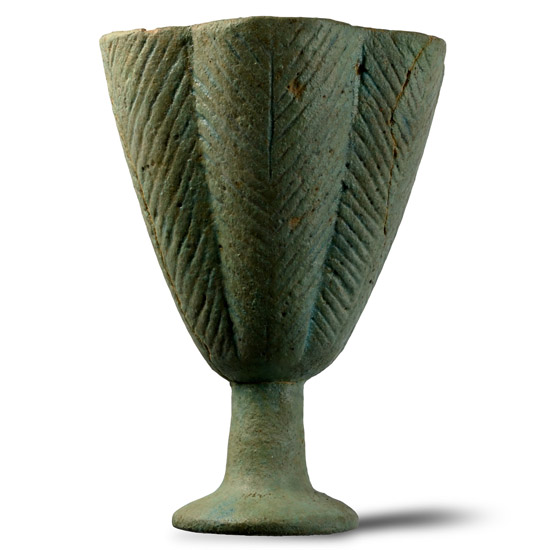
Egyptian Blue-Glazed Faience White Lotus Chalice
New Kingdom-Third Intermediate Period, 1315-945 B.C.Estimate: £3,500 - 4,500 (+bp*)
Opening Bid: £1,750
The lotiform cup modelled as an open lotus flower with incised petal detailing to the outer face, short stem and flared foot; some restoration. 205 grams, 12.1 cm
Acquired 1970s-1996. Property of a North American collector. London collection, 2016. This lot has been checked against the Interpol Database of stolen works of art and is accompanied by search certificate no.12937-243177.
Faience chalices shaped like the flowers of the white lotus (Nymphaea albicans) first appeared in the 18th Dynasty and are believed to be drinking vessels.
