
Loading, please wait...


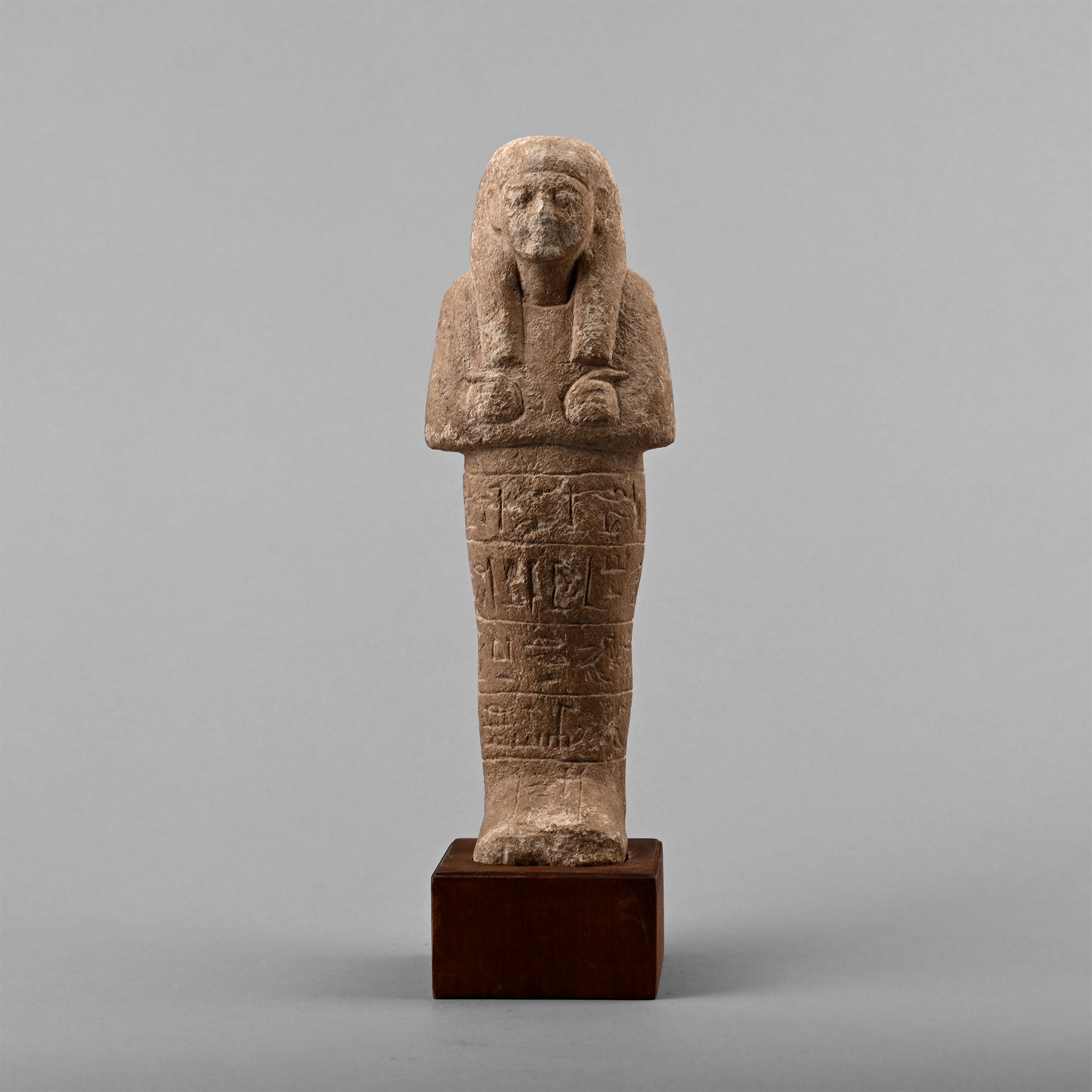
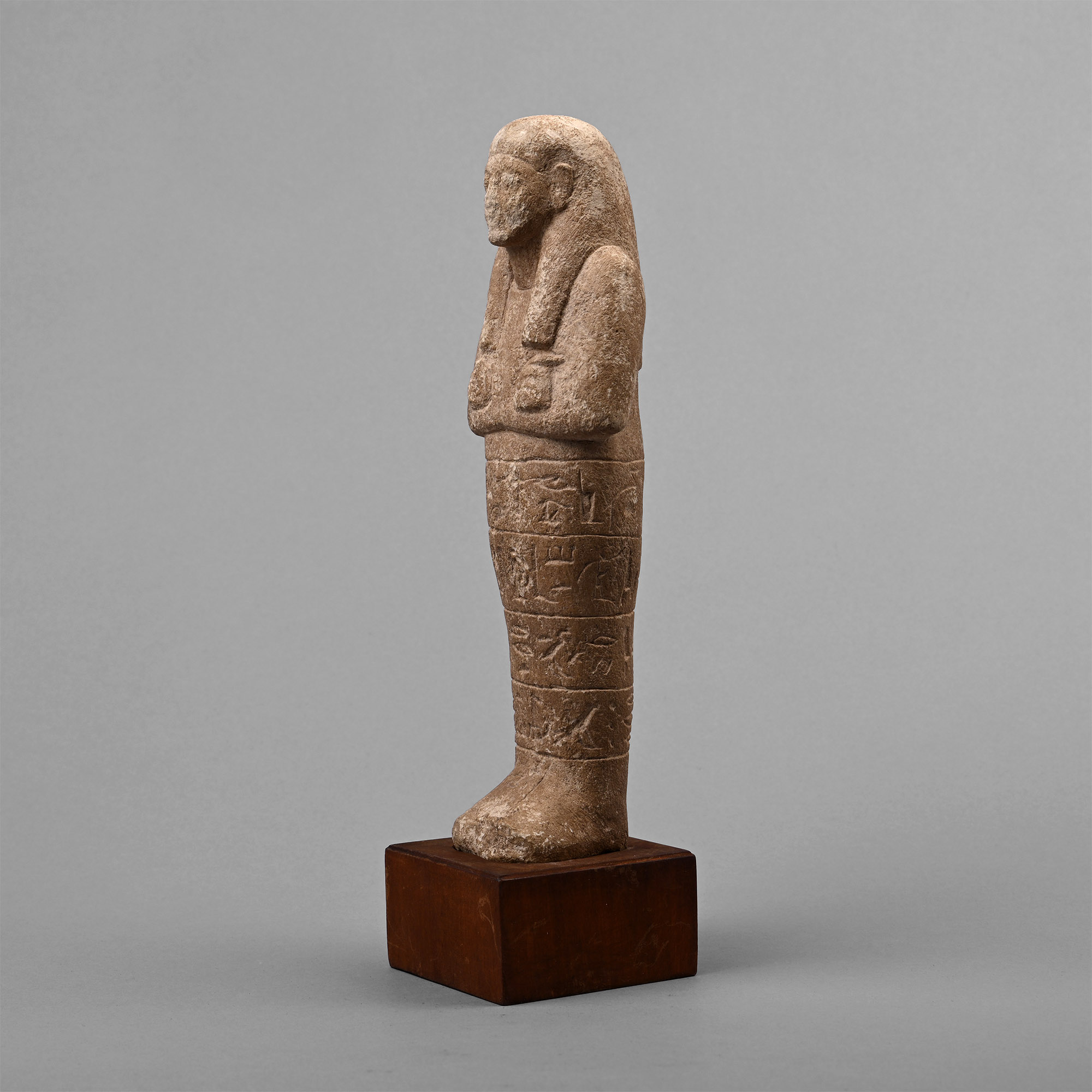
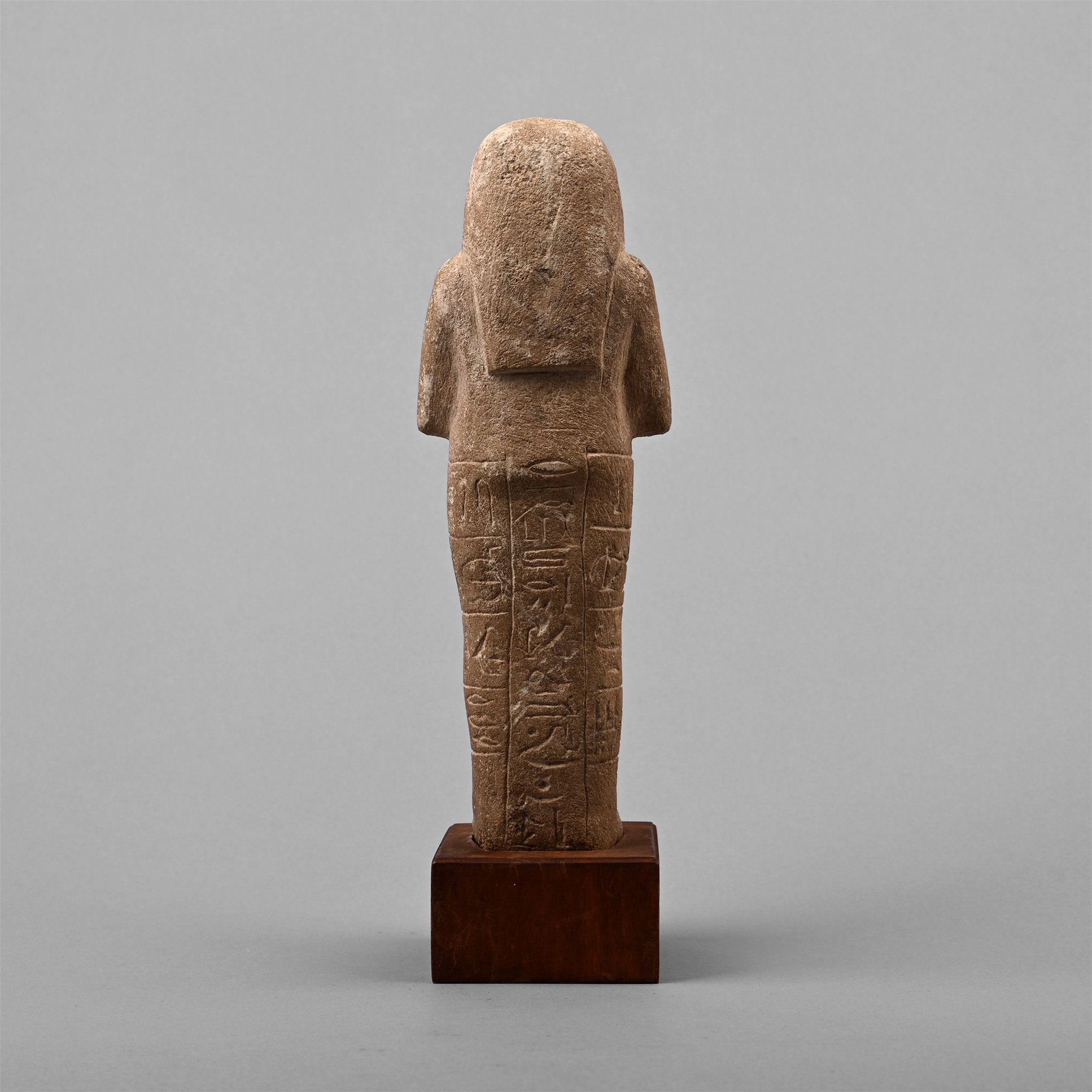
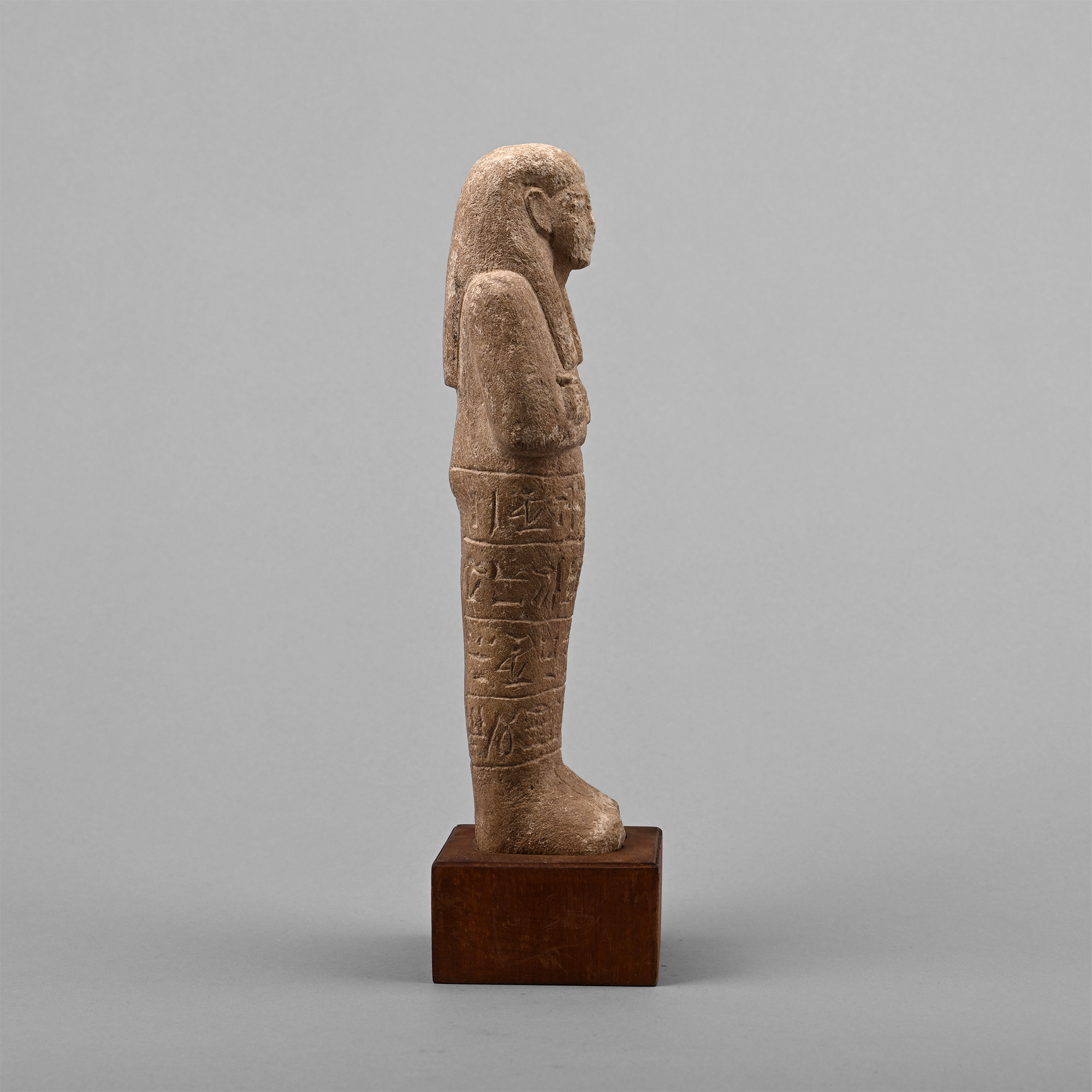
LOT 0039
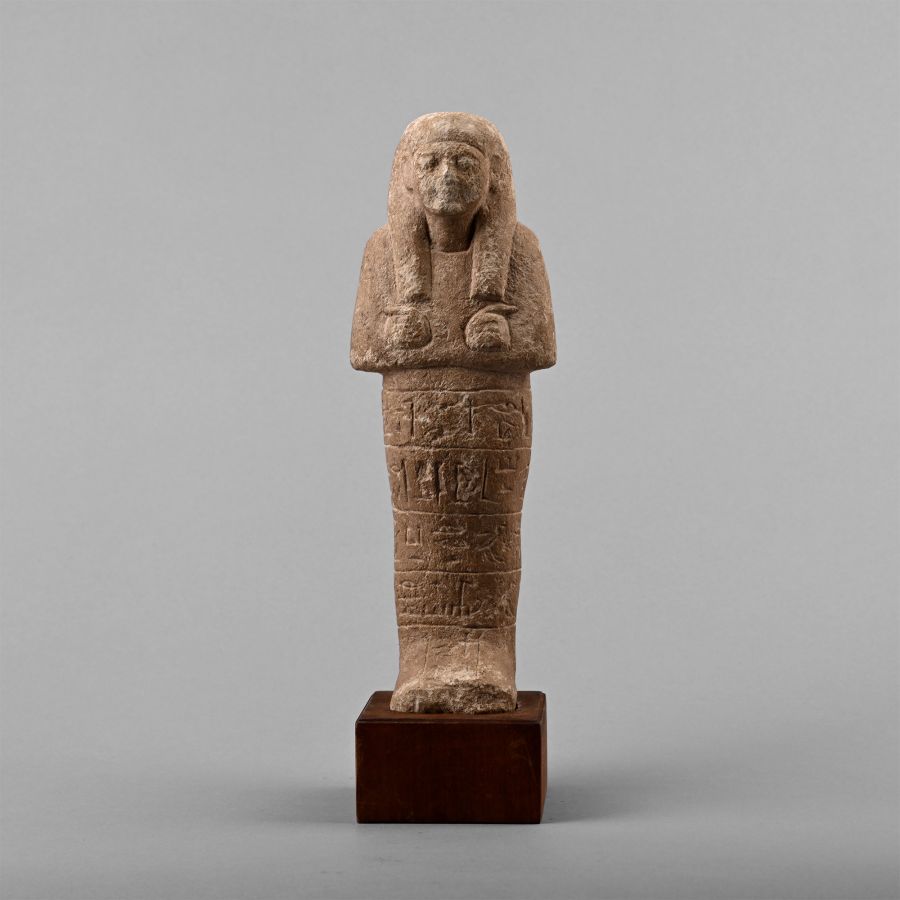
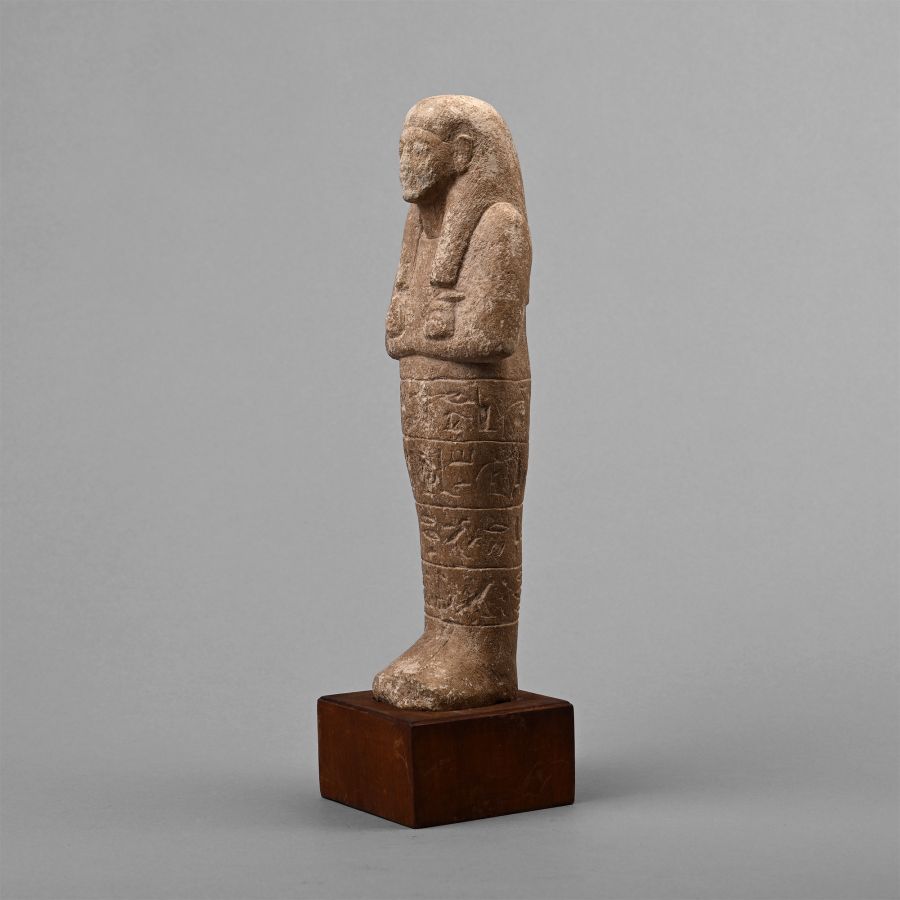
Egyptian Limestone Shabti of Neferrenpet
NEW KINGDOM, 19TH DYNASTY, RAMESSIDE PERIOD, CIRCA 1100 B.C.
9 7/8 in. (708 grams total, 25.2 cm high including stand).
Mummiform type with arms crossed and hands modelled in relief; face framed by a tripartite wig with long lappets; four horizontal lines of inscription around the front and back of the lower body, separated by border lines and interrupted by a vertical band on the reverse; accompanied by a custom-made display stand.
ProvenanceEx Roger Liechti (1934 -2010), Petit-Lancy, Switzerland.
Thence by descent in the family, Switzerland.
This lot has been checked against the Interpol Database of stolen works of art and is accompanied by search certificate no.13472-263059.
Cf. Schneider, H.D., Shabtis. An Introduction to the History of Ancient Egyptian Funerary Statuettes with a Catalogue of the Collection of Shabtis in the National Museum of Antiquities at Leiden, Vol. 3, Leiden, 1977, p.19, no. 3.2.1.7, for another large 19th Dynasty stone shabti with a similar text arrangement.
FootnotesNeferrenpet was a popular New Kingdom name, borne by a Vizier of the South, one of the most important officials serving Ramesses II. A large (32 cm high) limestone shabti for him is now in Florence (Aubert, J-F., Aubert, L., Statuettes Égyptiennes: chaouabtis, ouchebtis, Paris, 1974, p. 96). The Metropolitan Museum of Art holds a smaller limestone shabti (19 cm) from the time of Ramesses II, inscribed for a sculptor named Neferrenpet (Hayes, W.C., The Scepter of Egypt. A Background for the Study of the Egyptian Antiquities in The Metropolitan Museum of Art, Vol 2, New York, 1990 (reprint), p. 426). However, because the inscription on the present shabti includes no titles, it remains uncertain whether it belonged to either of them or to another person with the same name.
CONDITIONTimeLine Auctions follows a vetting process to ensure the authenticity and legality of all items, reinforcing our commitment to integrity and responsible trading. Each antiquity, antique, and coin lot undergoes thorough examination by a vetting committee of at least ten external specialists, professional trade association members, scientists, and archaeologists: Our Vetting Process
AUCTIONS:
TimeLine is a leading auction house specialising in antiquities, ancient art, collectables, natural history, coins, medals, and books. Our auctions offer museums, collectors, historians, and enthusiasts the opportunity to acquire unique and historically significant pieces.
LOT 0039
Egyptian Limestone Shabti of Neferrenpet
Estimate £5,000 - 7,000€5,800 - 8,120 (for guidance only)$6,750 - 9,450 (for guidance only)
Opening Bid
£2,725 (EUR 3,161; USD 3,679) ‡+BP*
-
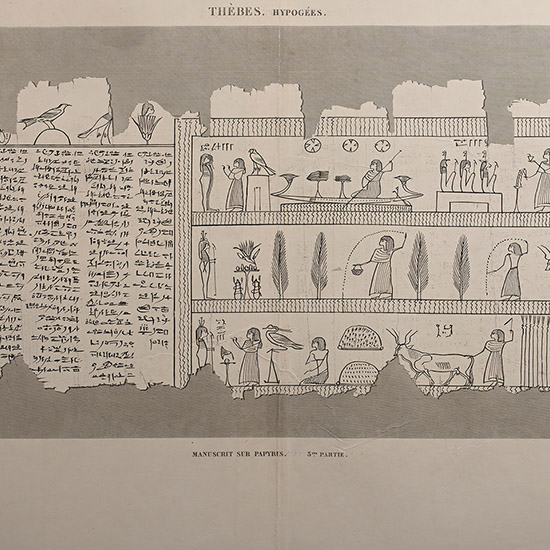
Very Large Egyptian Expedition Lithograph of the Hypogees Papyrus Manuscript from Thebes
Early 19th century A.D.Estimate: £80 - 100 (+bp*)
Opening Bid: £40
Proof etching on laid paper of plate 63 from Vol.II of Description de l'Égypte : ou, Recueil des observations et des recherches qui ont été faites en Égypte pendant l'expédition de l'armée française. entitled Thèbes. Hypogées. Manuscrit sur papyrus. 3eme partie. 272 grams, 103.5 x 69 cm
From the collection of a North American priest. Acquired between 1981-1996. Property of a North American collector.
Produced between February 1802 and 1830 on the orders of Napoleon Bonaparte; published between 1809 and 1828. Just 1,000 copies were distributed to various institutions, printed on laid paper with an 'Égypte ancienne et moderne' watermark. The book is subtitled Recueil des observations et des recherches qui ont été faites en Égypte pendant l’expédition de l’Armée française, publié par les ordres de Sa Majesté l’Empereur Napoléon le Grand (Gathering of observations and discoveries which were made in Egypt during the expedition of the French army, published on the orders of His Majesty the Emperor Napoleon the Great). It was the world's first encyclopedia devoted exclusively to the remains of ancient Egypt. The plates of this book are the first to present the archaeological sites of Thebes (Luxor). The papyrus manuscript was recovered from an underground tomb chamber (hypogeum). The scene depicts the Fields of Iaru, a verdant paradise in the ancient Egyptian afterlife, where the deceased could enjoy abundant harvests. -
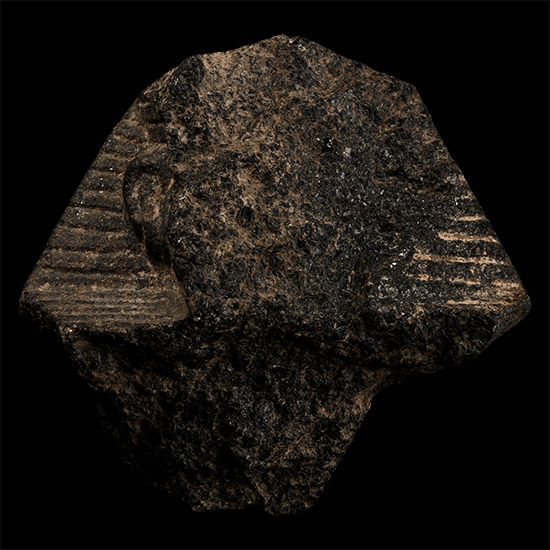
Egyptian Fragmentary Granite Head of a Pharaoh
Middle Kingdom, circa late 12th-13th Dynasty, circa 1860-1649 B.C.Estimate: £400 - 600 (+bp*)
Bids: 2 | Current Bid: £30
With a distinctive striated royal nemes headcloth, one large forward-facing ear preserved, and a largely absent face, the gathered 'tail' of the headdress hanging down at the back. 406 grams, 96 mm
Acquired March 1965. From the private collection of Peter Clayton, FCILIP, Dip, Arch, FSA, FRNS, Hemel Hempstead, Hertfordshire, UK; formed since the late 1950s. Accompanied by an old handwritten information card by Peter Clayton, collection no.110.
Dark, hard stones were favoured for royal statuary in the late Middle Kingdom. The internal treatment of the forward-facing ears and the markings of the nemes are comparable to those of more complete royal heads from this period (cf. Bourriau, J., Pharaohs and Mortals. Egyptian art in the Middle Kingdom, Cambridge, 1988, p. 38, no. 32, for a portrait head of Amenemhat III). -
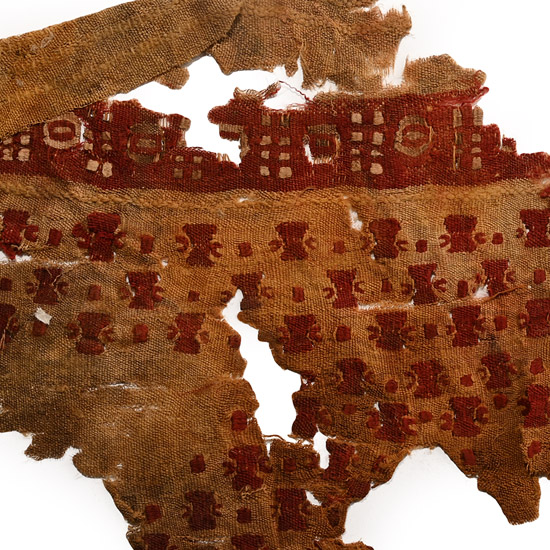
Egyptian Coptic Wall Tapestry Textile Fragment with Geometric Ornament
Circa 6th century A.D.Estimate: £50 - 70 (+bp*)
Opening Bid: £5
Striped linen fabric, embellished with red wool and linen tapestry featuring butterfly-like motifs; side clavus decorated with alternating dots and geometric bands; S-twist. 24 grams total including paper folder, 36.5 cm
Acquired 1970s-1996. Property of a North American collector. London collection, 2016.
The fragment might have belonged to a wall hanging, but its resemblance to the fabric from Antinoe and its lightness do not rule out the possibility that it was part of a scarf.
