
Loading, please wait...
LOT 0031
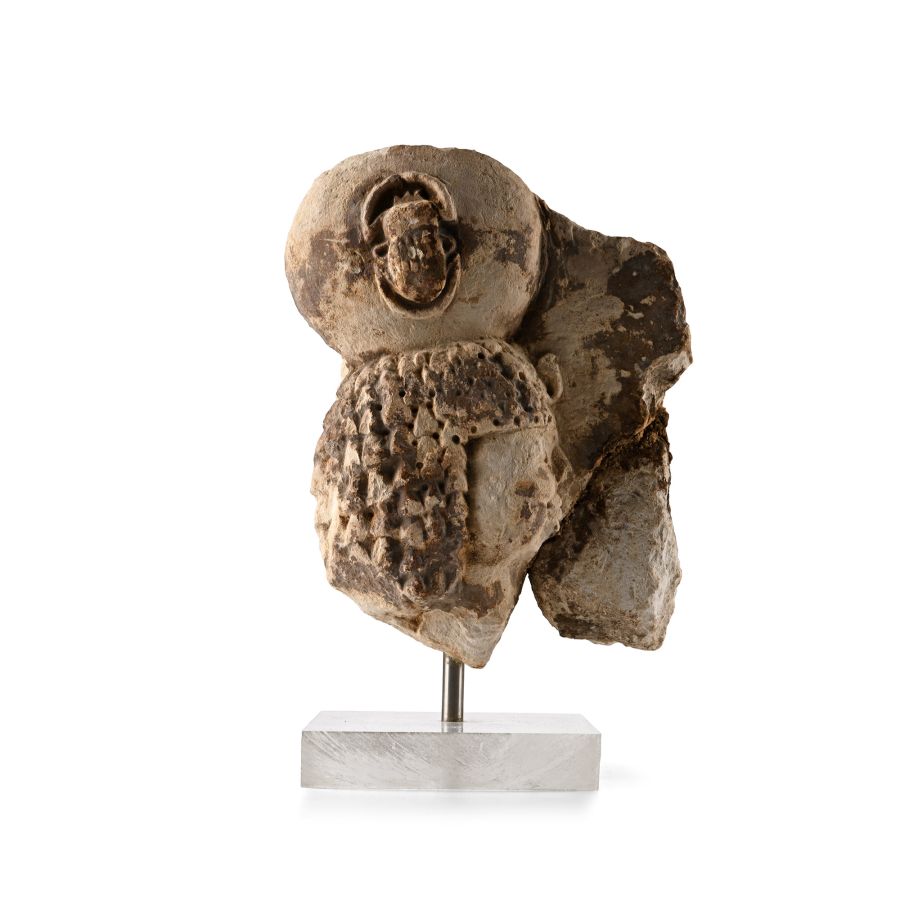
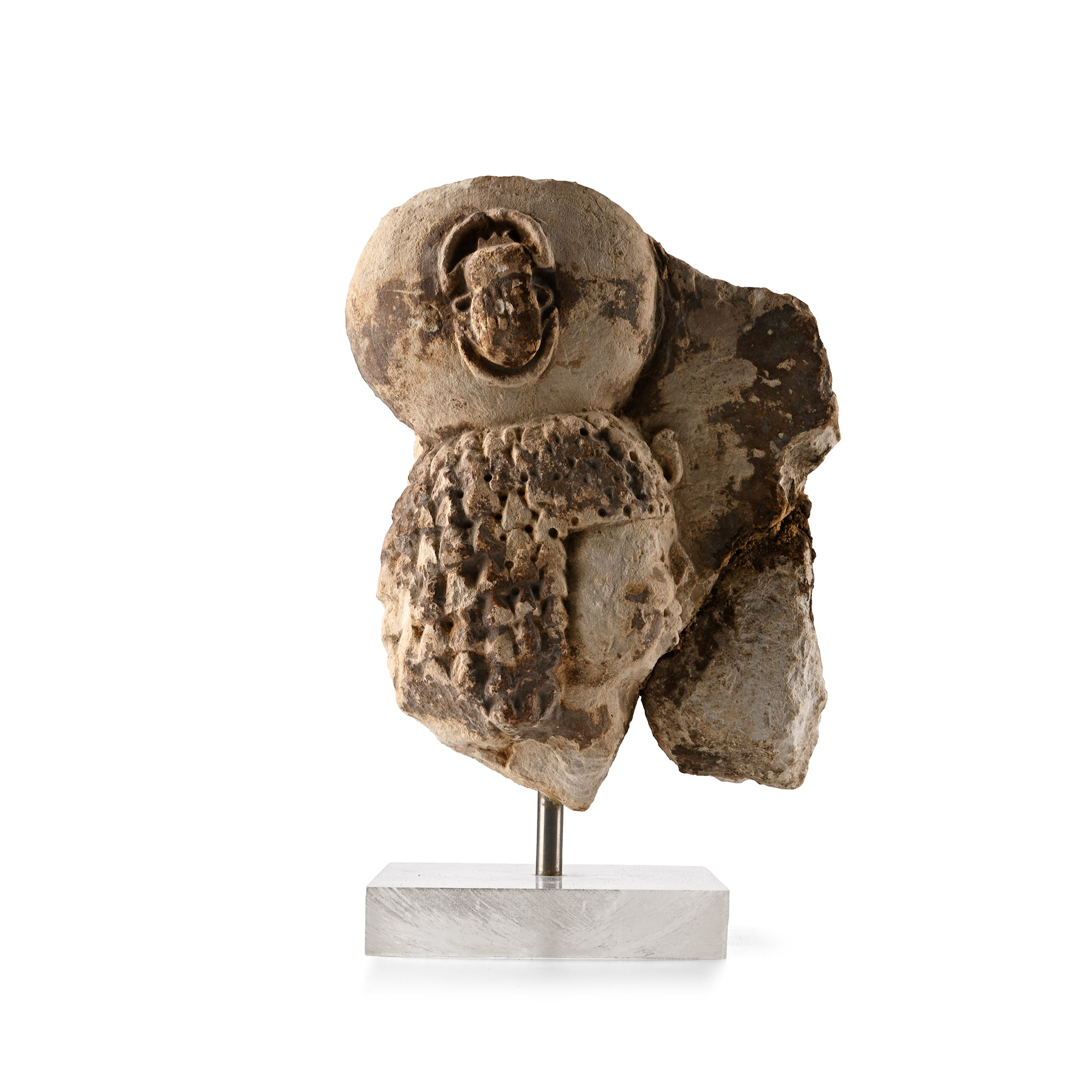
Egyptian Limestone Relief
LATE-PTOLEMAIC PERIOD, 664-30 B.C.
8 3/4 in. (1.61 kg total, 22.2 cm including stand).
Relief fragment comprising: a sun disc with high-relief scarab motif to the centre; below this, a head in profile wearing a tiered wig with uraeus to the brow; mounted on a custom-made stand.
ProvenanceCollection of Mr C., Geneva, Switzerland (1936-2016), assembled between 1985 and 2010.
This lot is accompanied by an illustrated lot declaration signed by the Head of the Antiquities Department, Dr Raffaele D'Amato.
TimeLine Auctions follows a vetting process to ensure the authenticity and legality of all items, reinforcing our commitment to integrity and responsible trading. Each antiquity, antique, and coin lot undergoes thorough examination by a vetting committee of at least ten external specialists, professional trade association members, scientists, and archaeologists: Our Vetting Process
AUCTIONS:
TimeLine is a leading auction house specialising in antiquities, ancient art, collectables, natural history, coins, medals, and books. Our auctions offer museums, collectors, historians, and enthusiasts the opportunity to acquire unique and historically significant pieces.
-
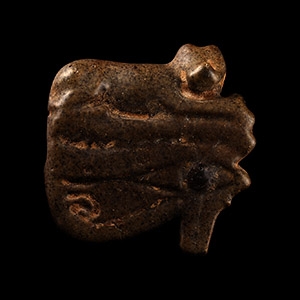
Egyptian Hardstone Eye of Horus with Recumbent Lion
Late Period, 664-332 B.C.Estimate: £300 - 400 (+bp*)
Opening Bid: £150
Wedjat-eye amulet with reclining lioness to the top, pierced for suspension. 6.79 grams, 29 mm
From an early 20th century collection. Ex London, UK, gallery. This lot is accompanied by an illustrated lot declaration signed by the Head of the Antiquities Department, Dr Raffaele D'Amato.
The wedjat-eye and lioness are potent, often intertwined symbols in ancient Egyptian mythology. The wedjat, representing Horus’s healed eye, signifies protection and healing, while the lioness—linked to the goddesses Sekhmet, Bastet, and Wadjet—embodies power and fierce defence as the “Eye of Ra”. Together in amulets, as in Egyptian art, they convey healing, protection, and strength. Sometimes the name of a specific goddess was inscribed on the back of the amulet, though here the recumbent lioness serves as the divine symbol. -
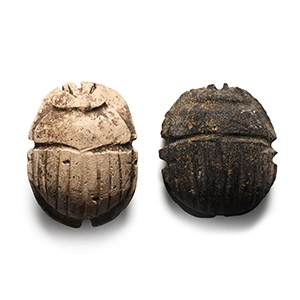
Egyptian Heart Scarab Group
Late Period, 664-332 B.C.Estimate: £150 - 200 (+bp*)
Opening Bid: £75
Comprising two scarabs with striated wing cases and ribbed underside. 7.5 grams total, 18-20 mm
From the collection of a gentleman, acquired on the London art market in the 1990s. This lot is accompanied by an illustrated lot declaration signed by the Head of the Antiquities Department, Dr Raffaele D'Amato.
The scarab amulet was a powerful symbol of rebirth, transformation, and protection in ancient Egypt. Modelled after the beetle linked to the sun god Khepri, it represented the cycle of life and regeneration. Used from the Middle Kingdom (c. 2050 BCE) onwards, scarabs served as funerary amulets, personal charms, and seals—often inscribed with prayers or names—reflecting both spiritual beliefs and daily life. -
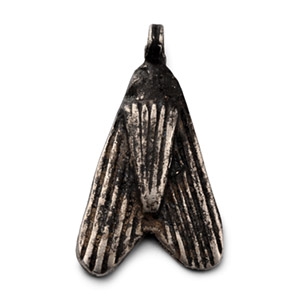
Egyptian Silver Fly Amulet
Late-Ptolemaic Period, 664-30 B.C.Sold for (Inc. bp): £91
With detailing to wings and eyes, loop for suspension above the head. 2 grams, 24 mm
Ex London, UK, gentleman 1980-1990s. This lot is accompanied by an illustrated lot declaration signed by the Head of the Antiquities Department, Dr Raffaele D'Amato.
Considering that Egyptian artists often depicted fly whisks in the hands of pharaohs and high officials, one might assume that flies were merely a nuisance. However, the Egyptians held flies in high regard for their speed, quick reactions, and persistence. Small fly amulets first appeared in burials during the Naqada II Period, around 3200 B.C. These amulets gained popularity, and the materials used to make them varied during the New Kingdom. They were crafted from various materials such as gold, silver, lapis lazuli, carnelian, amethyst, faience, and bone. These amulets were believed to protect against insect bites and to ward off troublesome flying creatures through apotropaic magic. Some believe they may have even symbolised the fly’s fecundity. Additionally, pharaohs would bestow gold fly-shaped pendants as military awards to honour the bravery and persistence of soldiers in battle.
