
Loading, please wait...
LOT 0006
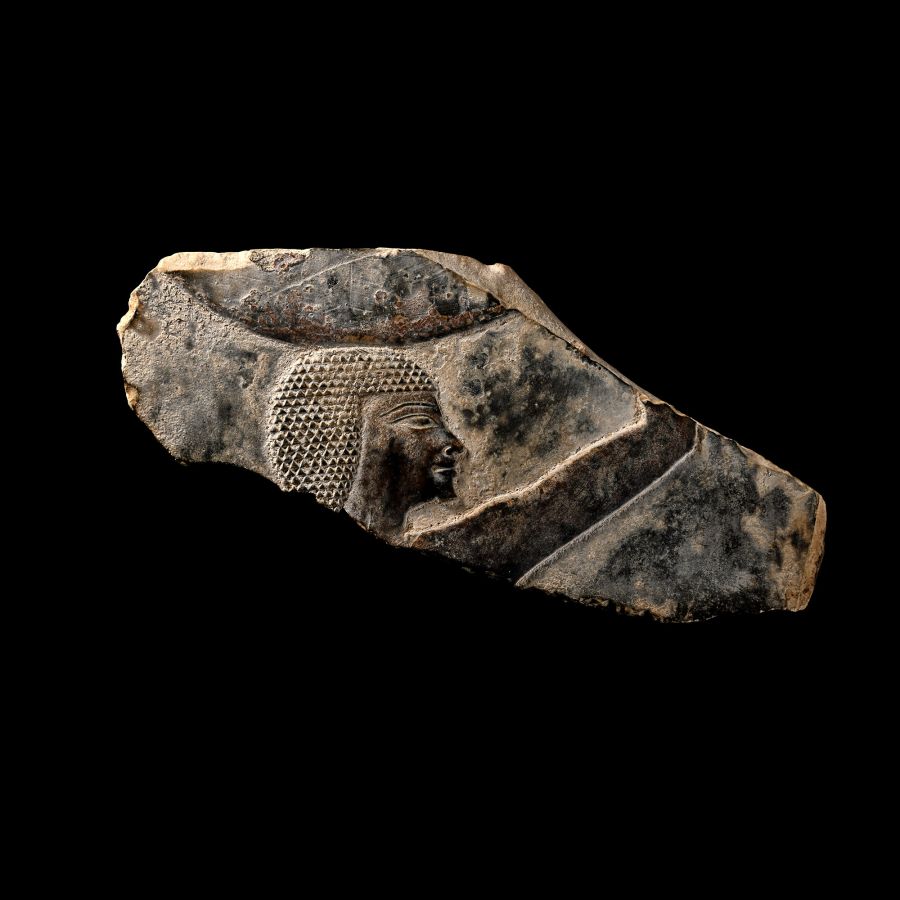
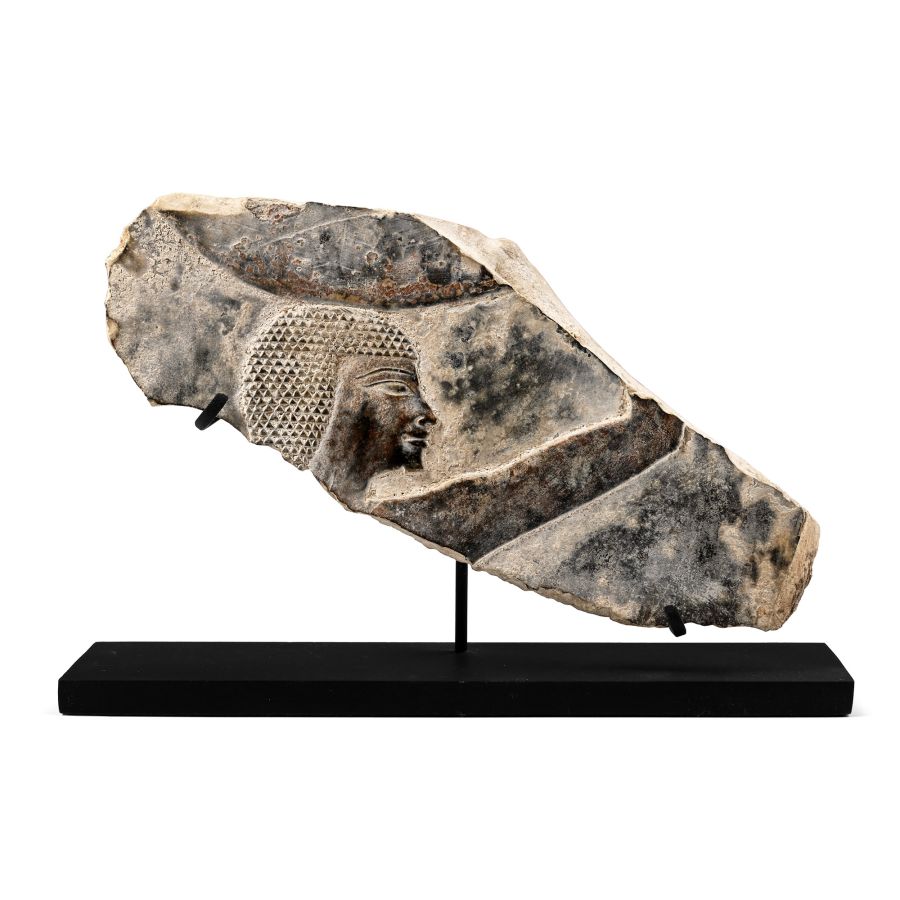
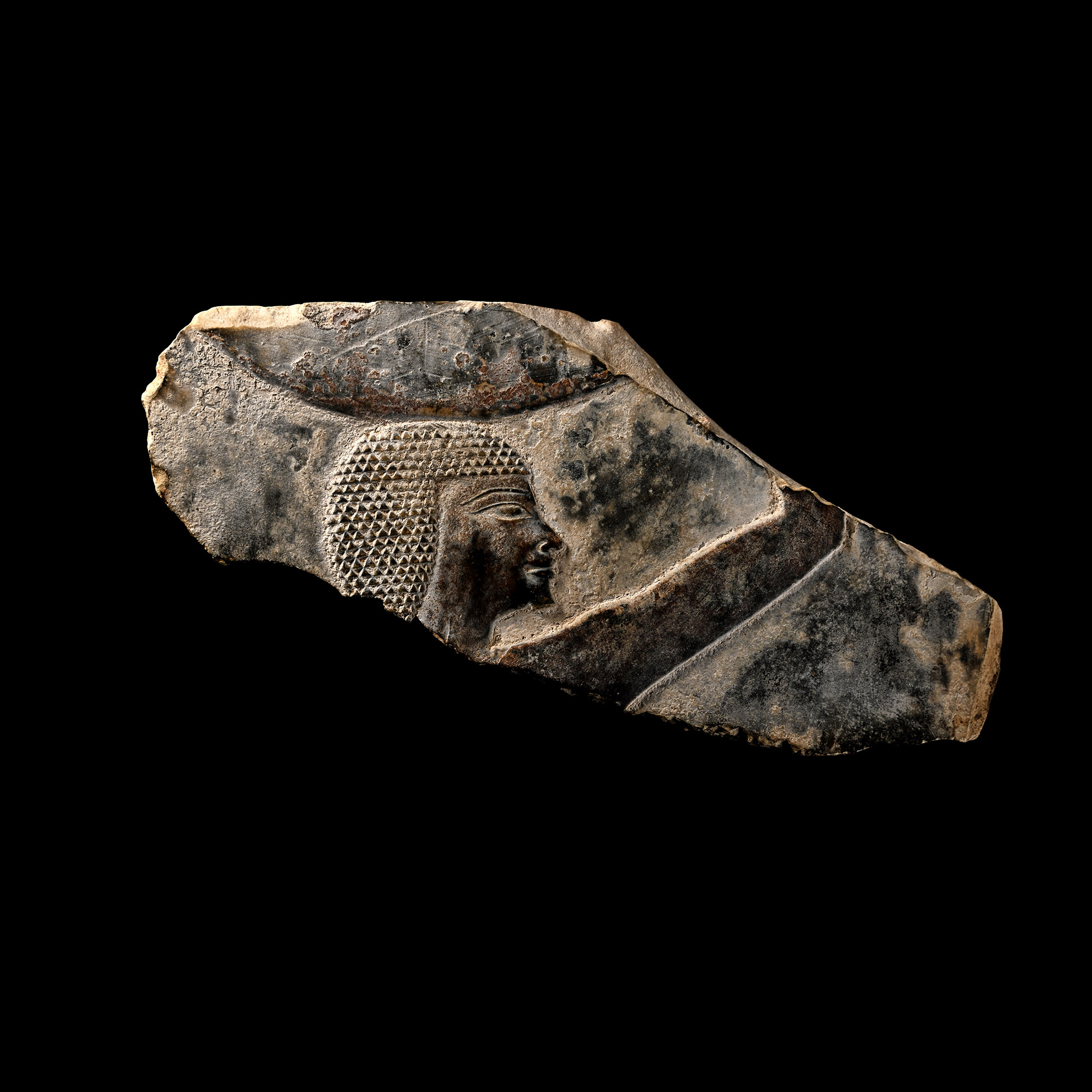
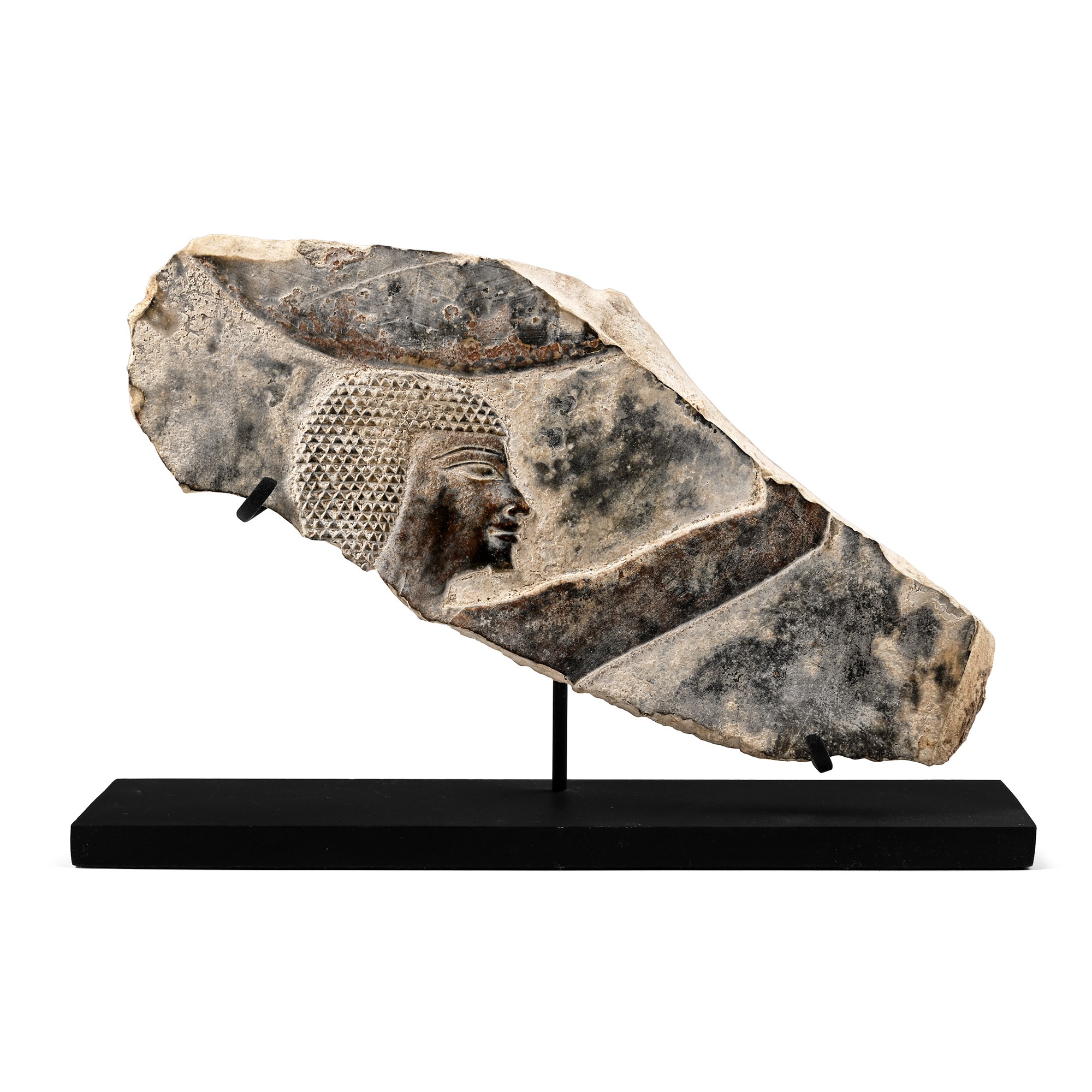
Egyptian Limestone Relief Fragment of a Man
26TH DYNASTY, 664-525 B.C.
5 3/4 in. (180 grams total including stand, fragment: 14.5 cm wide).
An irregular, elongated limestone fragment intricately carved in low, raised relief, depicting the head and neck of a male figure facing right, wearing a tightly curled wig and a short beard, his arm extended upwards, likely to support the large basket resting on his head. [No Reserve]
ProvenanceFrom the private collection of Peter Clayton, FCILIP, Dip, Arch, FSA, FRNS, Hemel Hempstead, Hertfordshire, UK; formed since the late 1950s.
FootnotesThe downturned eyebrow above an almond-shaped eye with a sharply defined eyelid and a long, thin cosmetic line, the small, fairly rounded nose with a lightly drilled nostril above rather thick lips, and the chin below obscured by the short beard are characteristic of the archaising style of the early 26th Dynasty. Artisans of that period adapted and refined earlier Old Kingdom artistic traditions, most apparent in the tomb scenes of high officials at Thebes, particularly those of Montuemhat (see the discussion: der Manuelian, P., 'Two Fragments of Relief and a New Model for the Tomb of Montuemhet at Thebes', Journal of Egyptian Archaeology 71 (1985), pp. 98–121).
CONDITIONTimeLine Auctions follows a vetting process to ensure the authenticity and legality of all items, reinforcing our commitment to integrity and responsible trading. Each antiquity, antique, and coin lot undergoes thorough examination by a vetting committee of at least ten external specialists, professional trade association members, scientists, and archaeologists: Our Vetting Process
AUCTIONS:
TimeLine is a leading auction house specialising in antiquities, ancient art, collectables, natural history, coins, medals, and books. Our auctions offer museums, collectors, historians, and enthusiasts the opportunity to acquire unique and historically significant pieces.
LOT 0006
Egyptian Limestone Relief Fragment of a Man
Estimate £1,000 - 1,400€1,160 - 1,620 (for guidance only)$1,350 - 1,890 (for guidance only)
-
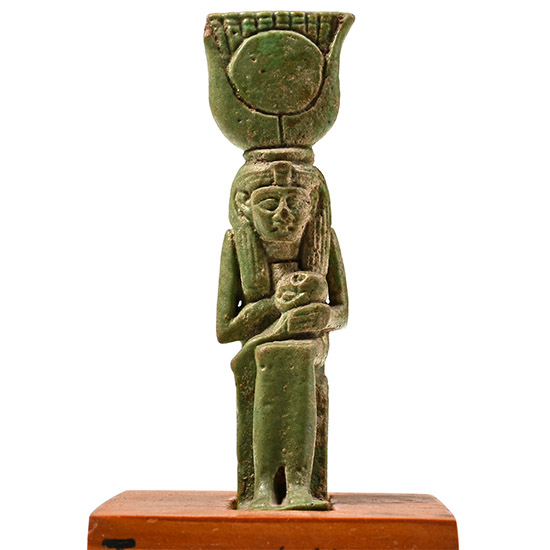
Egyptian Green Glazed Faience Amulet of the Goddess Isis with Horus
Late Period, 26th Dynasty, circa 600-700 B.C.Estimate: £400 - 600 (+bp*)
Opening Bid: £5
Figurine of Isis nursing Horus, seated with a sun disc and a horned headdress; dorsal pillar with hieroglyphic text; suspension hole pierced through the back of the headdress; on a display stand with the legend 'Isis and Horus XXVI Dynasty'. 36.12 grams total, 80 mm including stand
Acquired Herne Bay High Street, circa June 1957, for £1.00. From the private collection of Peter Clayton, FCILIP, Dip, Arch, FSA, FRNS, Hemel Hempstead, Hertfordshire, UK; formed since the late 1950s. Accompanied by an old handwritten information card by Peter Clayton, collection no.3.
Isis, one of the principal goddesses of the Egyptian pantheon, was revered as the divine mother, protector of kingship, and mistress of magic. As Osiris's wife and Horus's mother, she embodied maternal care, resurrection, and cosmic order, playing a central role in mythological narratives of death and renewal. Isis lactans statuettes, in particular, emphasise intimate maternal interaction, embodying the protective and regenerative aspects of the Isis-Horus myth. Such bronzes were widely dedicated in temple contexts and domestic shrines, where they served as votive objects invoking divine protection, healing, and royal legitimacy. -
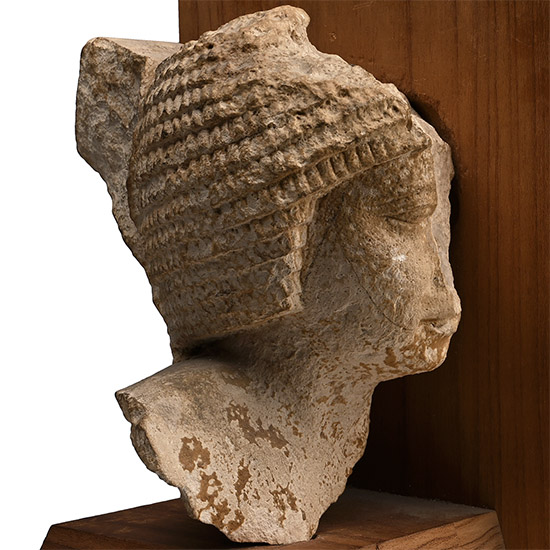
Egyptian Limestone Head of a Noble Wearing a Curled Wig
Old Kingdom, 5th-6th Dynasty, circa 2498-2181 B.C.Estimate: £2,000 - 3,000 (+bp*)
Bids: 1 | Current Bid: £5
Fragmentary limestone head of an elite official carved in the round, wearing a characteristic short wig composed of rows of small, tight concentric curls that completely cover the ears and terminate evenly at the brow; the rounded right side of the face preserves a carefully rendered almond-shaped eye, a raised relief eyebrow, and small yet prominent lips, with a custom wooden mount. 2.91 kg total, 25.4 cm high including stand
From the private collection of Norman Davis, Seattle, U.S.A. Received as a gift from Norman Davis in 1973. From the private collection of Peter Clayton, FCILIP, Dip, Arch, FSA, FRNS, Hemel Hempstead, Hertfordshire, UK; formed since the late 1950s. This lot has been checked against the Interpol Database of stolen works of art and is accompanied by search certificate no.13519-262983. -
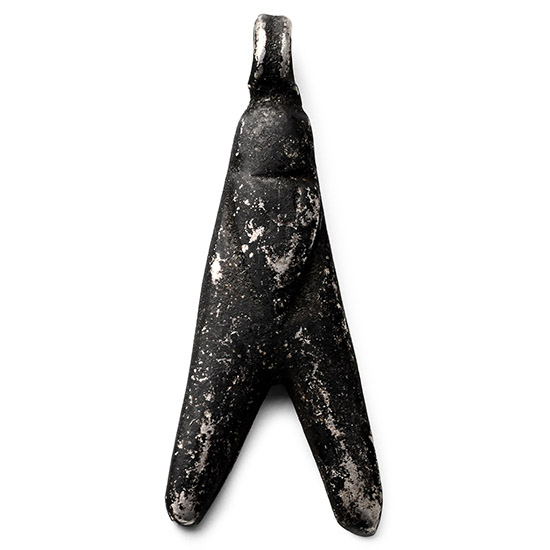
Egyptian Silver Fly Amulet
Late Period, 664-332 B.C.Estimate: £80 - 100 (+bp*)
Opening Bid: £5
With detailing to the body and head, ribbed suspension loop above the head. 0.97 grams, 20 mm
London, UK, gentleman, 1990s.
Fly amulets served apotropaic functions, protecting against bites and warding off pests. Some may also have symbolised fertility. Pharaohs even awarded gold fly pendants to honour soldiers’ bravery and tenacity.
