
Loading, please wait...
LOT 0032
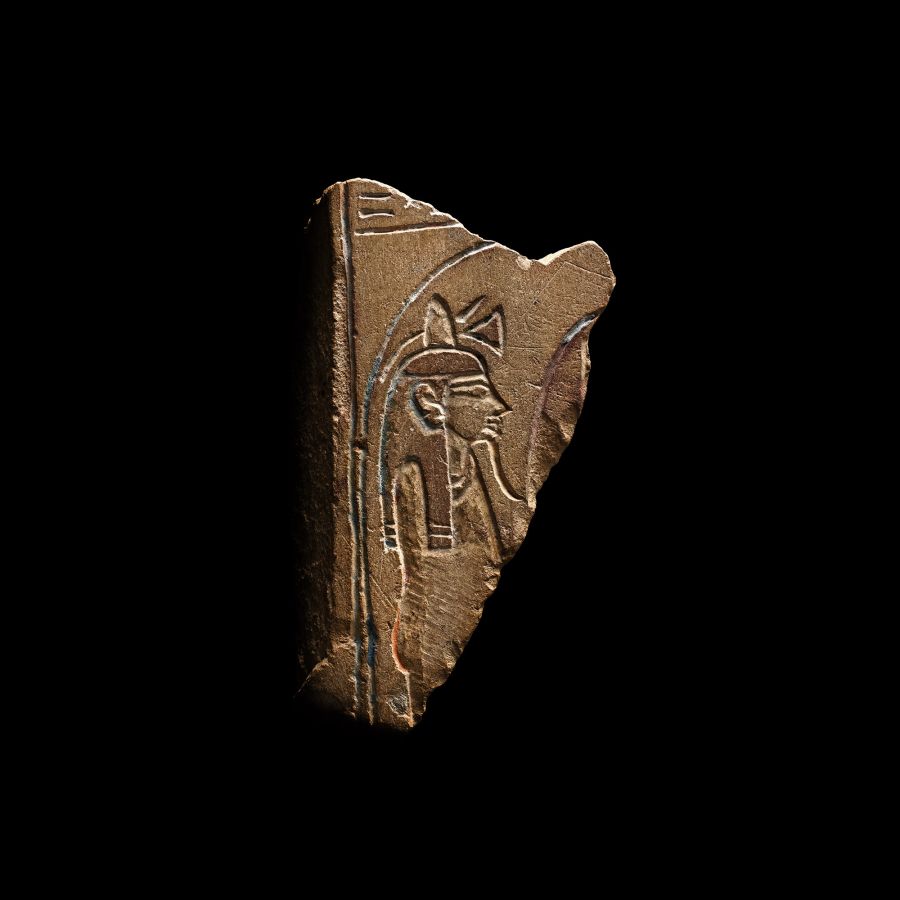
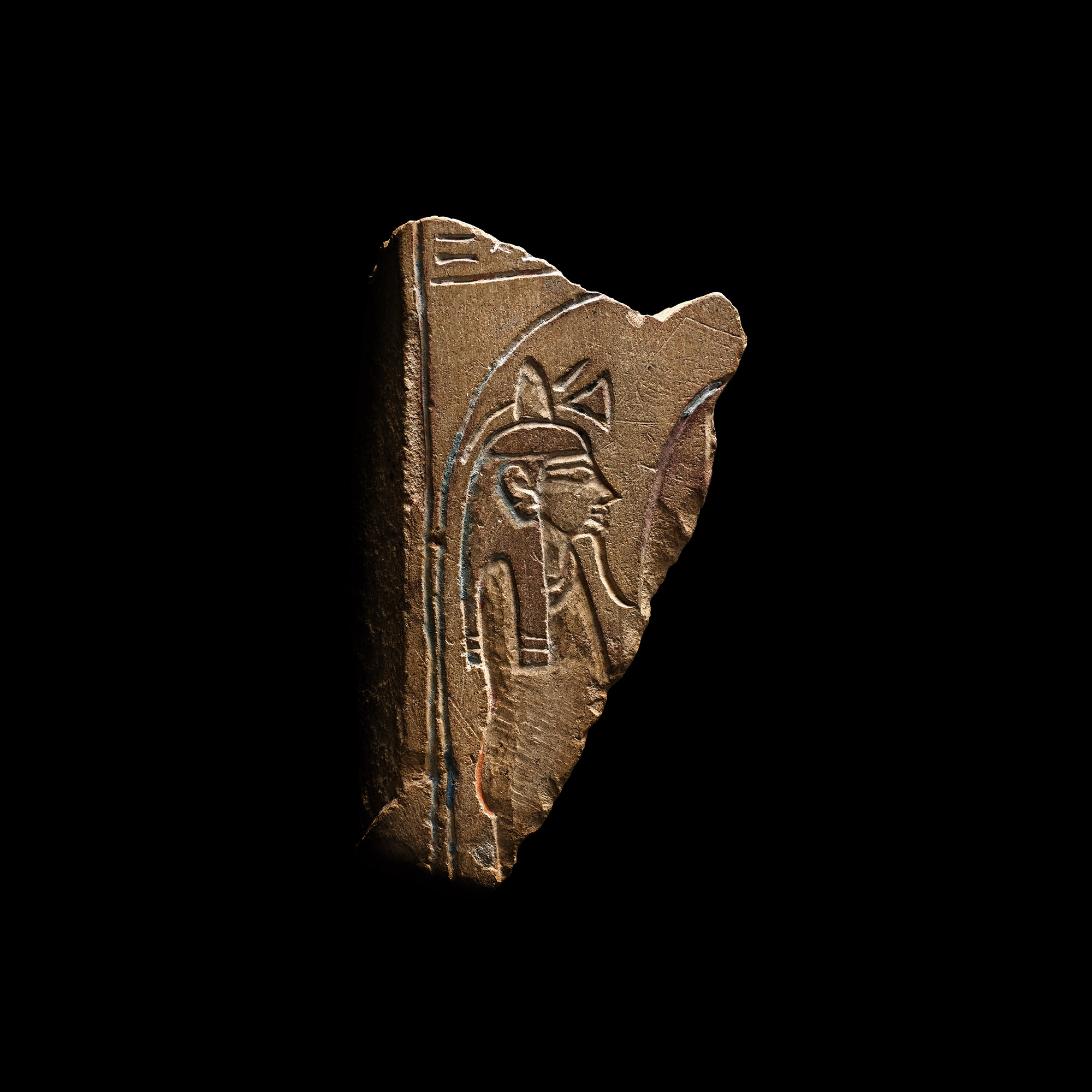
Egyptian Limestone Fragment
NEW KINGDOM, 1550-1295 B.C.
4 1/4 in. (190 grams, 10.8 cm).
Architectural fragment with two dressed faces; incised design comprising: vertical border to the left; a band of hieroglyphic text at the top; an arch enclosing a seated figure in profile wearing a tripartite wig and collar with curved beard, head cone and frond above; curved linear element meeting the end of the beard; traces of white, blue, red-brown and other pigments; chamfered edge pierced in modern times for mounting.
ProvenanceFrom the estate of a deceased American, acquired between 1970-1989.
with Bonham's, London, Knightsbridge, 28 October 2009, no.23 [part].
This lot has been cleared against the Art Loss Register database, and is accompanied by an illustrated lot declaration signed by the Head of the Antiquities Department, Dr Raffaele D'Amato.
Cf. image of a lady with head cone in The Yorck Project, 10.000 Meisterwerke der Malerei, 2002.
CONDITIONTimeLine Auctions follows a vetting process to ensure the authenticity and legality of all items, reinforcing our commitment to integrity and responsible trading. Each antiquity, antique, and coin lot undergoes thorough examination by a vetting committee of at least ten external specialists, professional trade association members, scientists, and archaeologists: Our Vetting Process
AUCTIONS:
TimeLine is a leading auction house specialising in antiquities, ancient art, collectables, natural history, coins, medals, and books. Our auctions offer museums, collectors, historians, and enthusiasts the opportunity to acquire unique and historically significant pieces.
-
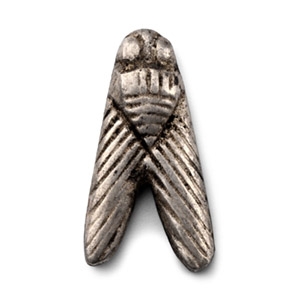
Egyptian Silver Fly Amulet
Late-Ptolemaic Period, 664-30 B.C.Sold for (Inc. bp): £130
With detailing to wings and eyes, loop for suspension above the head. 1.05 grams, 17 mm
Ex London, UK, gentleman 1980-1990s. This lot is accompanied by an illustrated lot declaration signed by the Head of the Antiquities Department, Dr Raffaele D'Amato.
Considering that Egyptian artists often depicted fly whisks in the hands of pharaohs and high officials, one might assume that flies were merely a nuisance. However, the Egyptians held flies in high regard for their speed, quick reactions, and persistence. Small fly amulets first appeared in burials during the Naqada II Period, around 3200 B.C. These amulets gained popularity, and the materials used to make them varied during the New Kingdom. They were crafted from various materials such as gold, silver, lapis lazuli, carnelian, amethyst, faience, and bone. These amulets were believed to protect against insect bites and to ward off troublesome flying creatures through apotropaic magic. Some believe they may have even symbolised the fly’s fecundity. Additionally, pharaohs would bestow gold fly-shaped pendants as military awards to honour the bravery and persistence of soldiers in battle. -
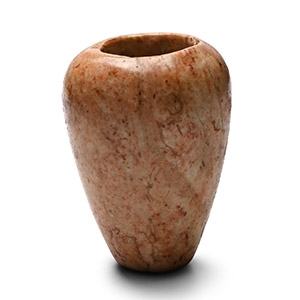
Egyptian Red Mottled Stone Piriform Jar
Predynastic Period, Naqada II, 3500-3200 B.C.Sold for (Inc. bp): £312
With narrow base and broad rounded shoulder. 248 grams, 76 mm
From the private collection of a Canadian gentleman living in Essex, UK, formed since the 1920s-circa 1990. Property of an Essex lady until the late 1990s; thence by descent. From the private collection of an Essex gentleman since the late 1990s. This lot is accompanied by an illustrated lot declaration signed by the Head of the Antiquities Department, Dr Raffaele D'Amato. -
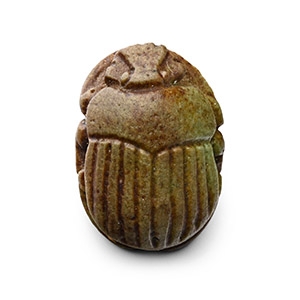
Egyptian Steatite Heart Scarab
Late Period, 664-332 B.C.Estimate: £150 - 200 (‡+bp*)
Opening Bid: £75
With ribbed carapace and suspension loop to underside. 2.89 grams, 22 mm
Acquired on the European art market in the early 2000s. with Galerie Rhéa, Zurich, Switzerland. This lot is accompanied by an illustrated lot declaration signed by the Head of the Antiquities Department, Dr Raffaele D'Amato.
