
Loading, please wait...

LOT 0518
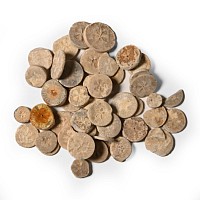
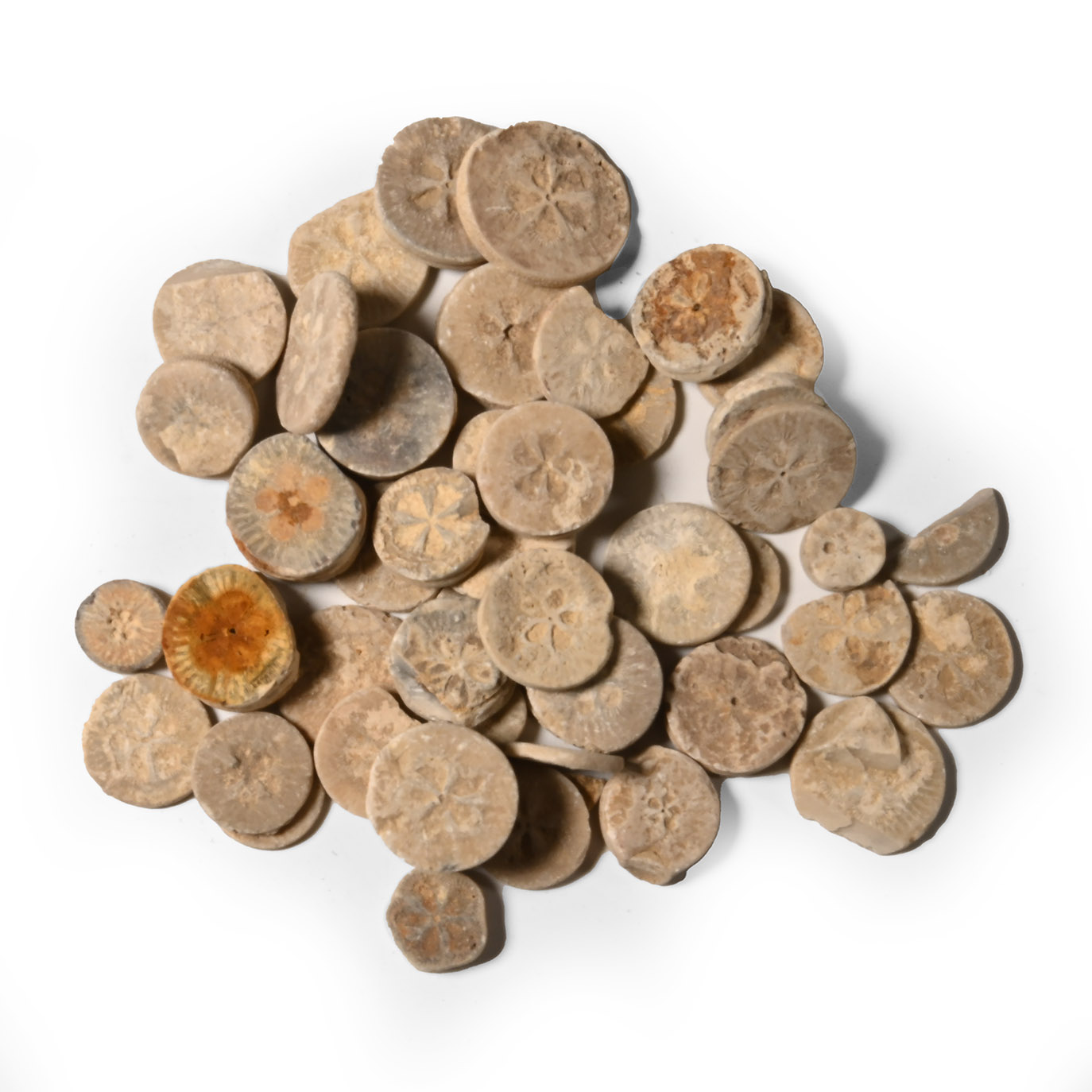
Egyptian Limestone 'Floral' Inlay Group
ROMAN PERIOD, 30 B.C.-323 A.D. OR EARLIER
3/8 - 3/4 in. (60 grams total, 9-20 mm).
Group of discoid inlay plaques or gaming counters, crinoids with cinquefoil motif. [46, No Reserve]
ProvenanceFrom a central London ADA dealership, 1980-1990.
FootnotesFlowers were symbolic of rebirth due to the daily reopening of their petals after nightfall. As a result, they were widely used in domestic settings, religious and funerary contexts, and as adornments. Similar rosette discs, like those recovered from the Ramesside Period palace at Qantir, were used as decorative elements in royal palaces.
CONDITIONTimeLine Auctions follows a vetting process to ensure the authenticity and legality of all items, reinforcing our commitment to integrity and responsible trading. Each antiquity, antique, and coin lot undergoes thorough examination by a vetting committee of at least ten external specialists, professional trade association members, scientists, and archaeologists: Our Vetting Process
AUCTIONS:
TimeLine is a leading auction house specialising in antiquities, ancient art, collectables, natural history, coins, medals, and books. Our auctions offer museums, collectors, historians, and enthusiasts the opportunity to acquire unique and historically significant pieces.
-
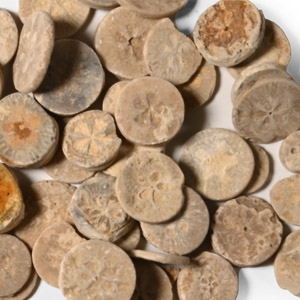
Egyptian Limestone 'Floral' Inlay Group
Roman Period, 30 B.C.-323 A.D. or earlierSold for (Inc. bp): £26
Group of discoid inlay plaques or gaming counters, crinoids with cinquefoil motif. 60 grams total, 9-20 mm
From a central London ADA dealership, 1980-1990.
Flowers were symbolic of rebirth due to the daily reopening of their petals after nightfall. As a result, they were widely used in domestic settings, religious and funerary contexts, and as adornments. Similar rosette discs, like those recovered from the Ramesside Period palace at Qantir, were used as decorative elements in royal palaces. -
.jpg)
Egyptian Blue-Glazed Faience White Lotus Chalice
New Kingdom-Third Intermediate Period, 1315-945 B.C.Estimate: £5,000 - 7,000 (+bp*)
Opening Bid: £2,500
The lotiform cup modelled as an open lotus flower with incised petal detailing to the outer face, short stem and flared foot; some restoration. 205 grams, 12 cm
Acquired 1970s-1996. Property of a North American collector. London collection, 2016. This lot has been checked against the Interpol Database of stolen works of art and is accompanied by search certificate no.12100-214087.
Faience chalices shaped like the flowers of the white lotus (Nymphaea albicans) first appeared in the 18th Dynasty, and are thought to be drinking vessels. -
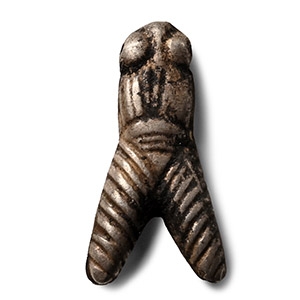
Egyptian Silver Fly Amulet
Late Period, 664-332 B.C.Sold for (Inc. bp): £117
Formed as a fly with long triangular segmented wings, segmented body and domed eyes pierced for suspension. 0.98 grams, 18 mm
From an early 20th century collection.
Small fly amulets first appeared in burials during the Naqada II Period, c. 3200 B.C. These amulets grew in popularity and the materials used to make them expanded during the New Kingdom. They are crafted from a variety of materials such as gold, silver, lapis lazuli, carnelian, amethyst, faience, and bone. These amulets were thought to protect against insect bites and to ward off troublesome flying creatures through apotropaic magic. Some believe they may have even been intended to symbolise the fly’s fecundity. Additionally, pharaohs would bestow gold fly-shaped pendants as military awards to honour the bravery and fly-like persistence of soldiers in battle.
