
Loading, please wait...
LOT 0010
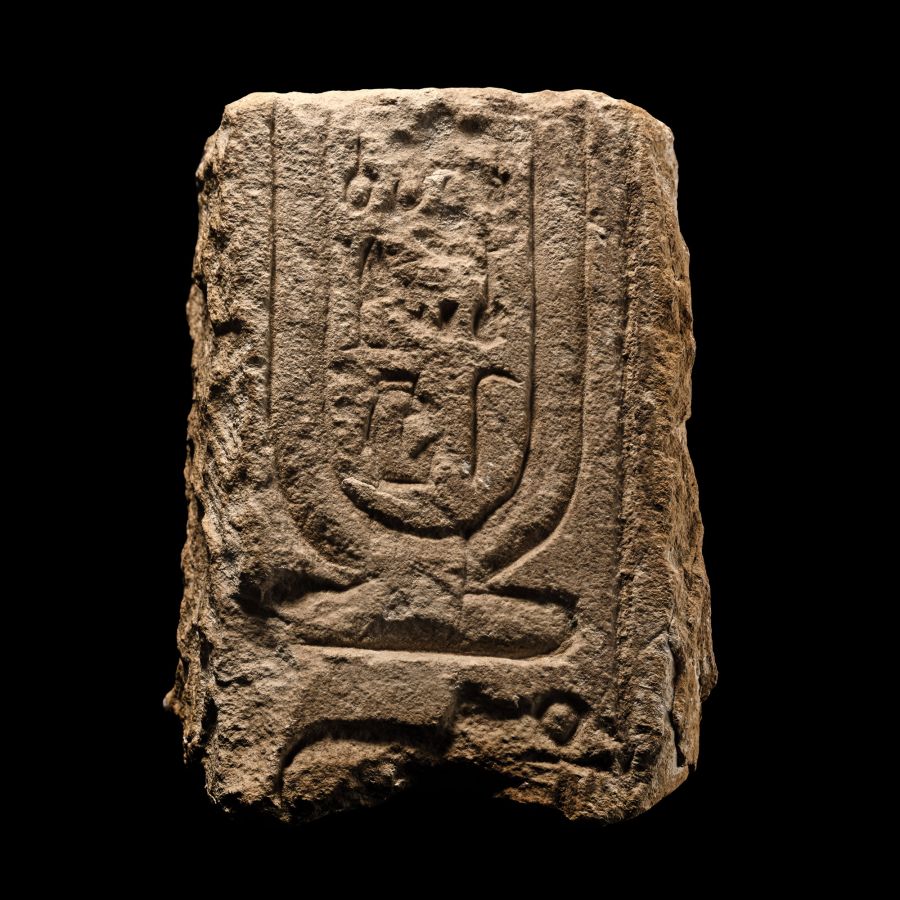
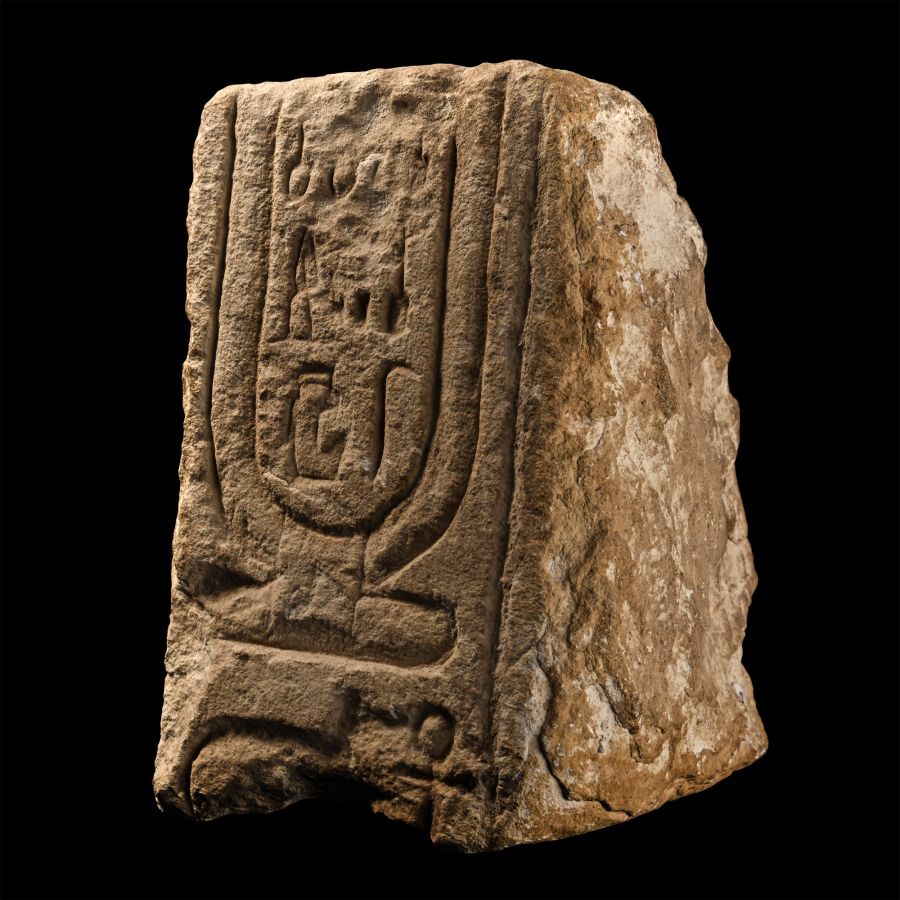
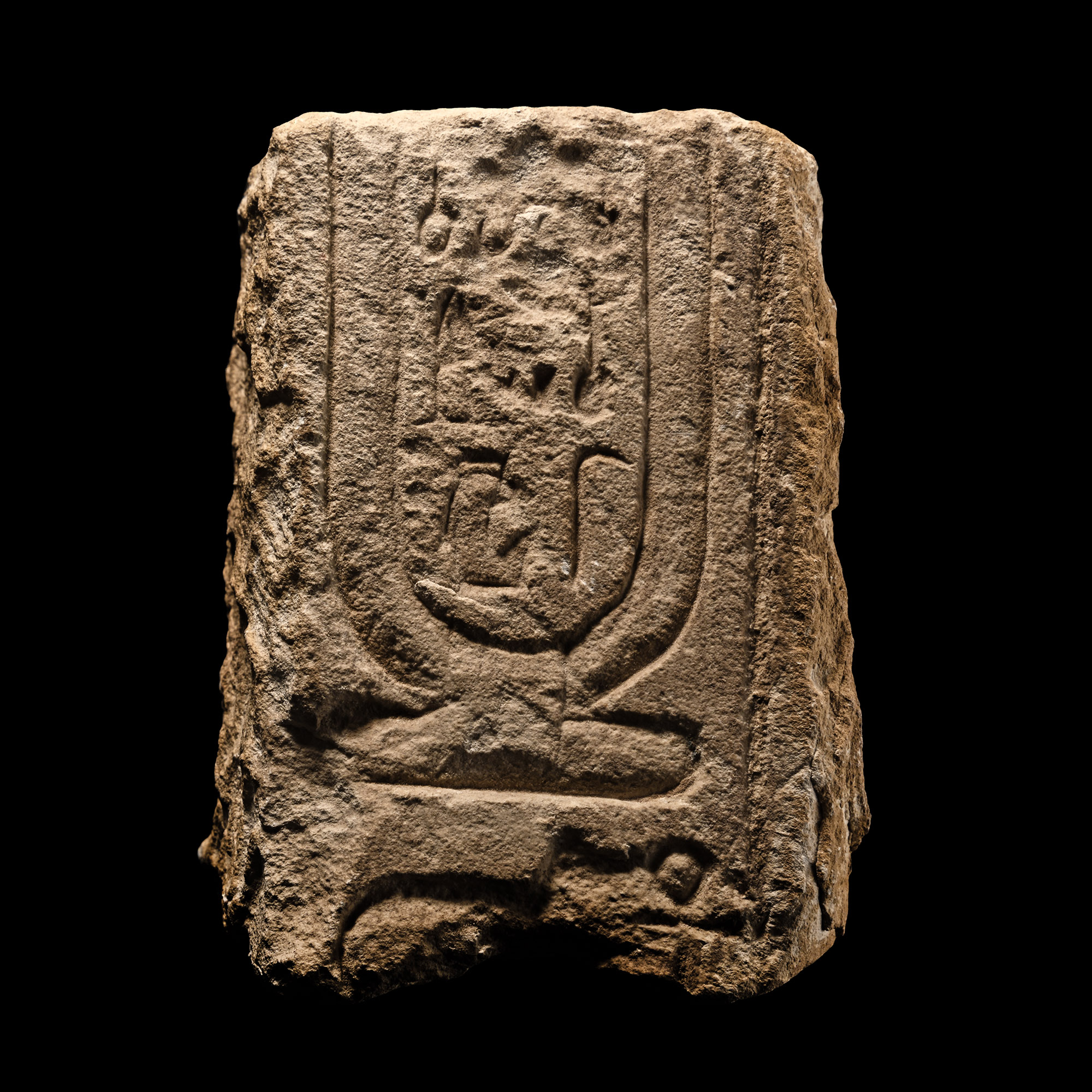
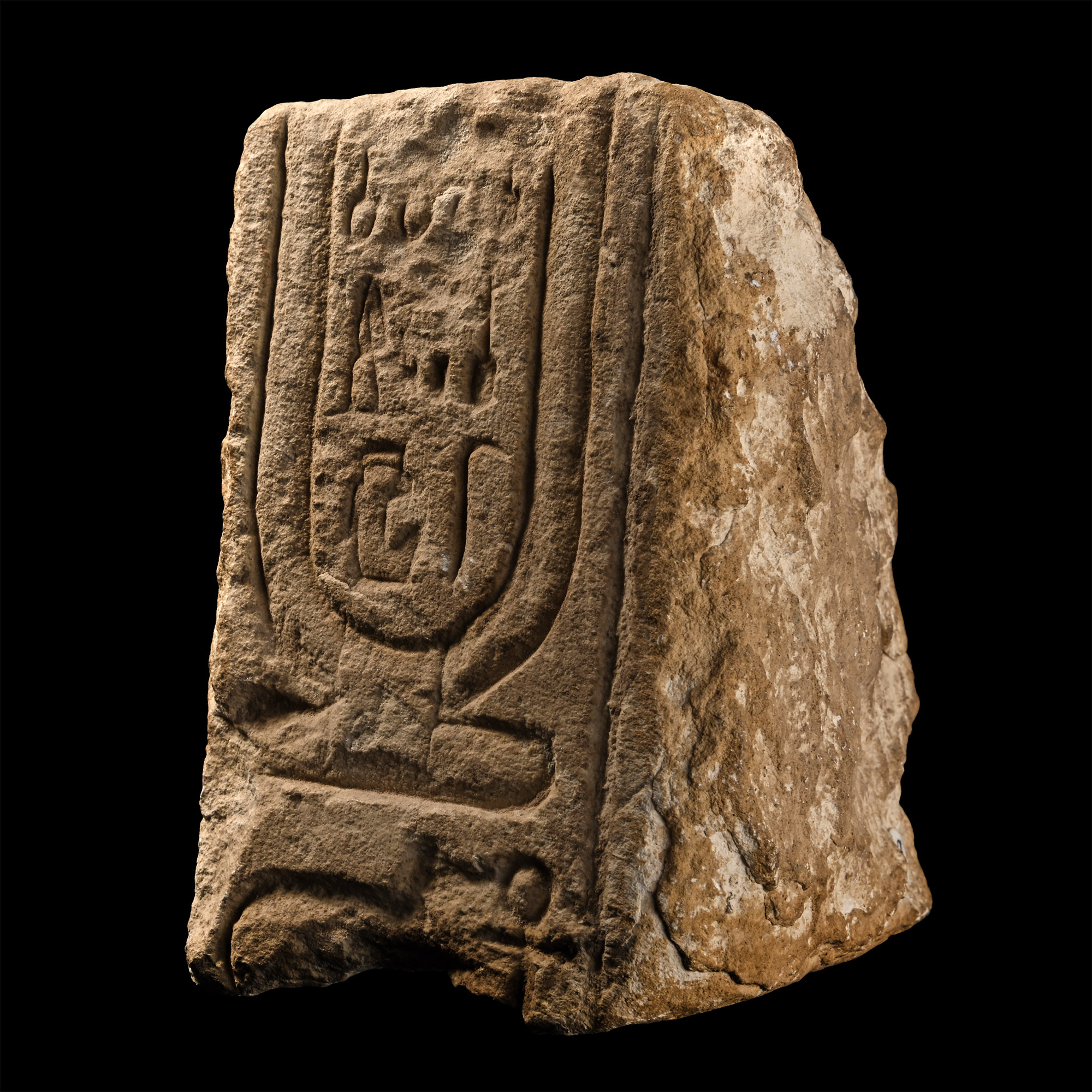
Egyptian Limestone Block from a Tomb with Cartouche of Queen Nefertiti
NEW KINGDOM, 18TH DYNASTY, AMARNA PERIOD, 1353-1332 B.C.
4 3/8 in. (1.13 kg, 11.2 cm).
Rectangular block with a dressed face, preserving most of a low-relief cartouche containing Nefertiti's name, 'Neferneferu[aten] Nefertiti'. [No Reserve]
ProvenanceAcquired in March 1977.
From the private collection of Peter Clayton, FCILIP, Dip, Arch, FSA, FRNS, Hemel Hempstead, Hertfordshire, UK; formed since the late 1950s.
Accompanied by an old handwritten information card by Peter Clayton, collection no.129.
This lot has been checked against the Interpol Database of stolen works of art and is accompanied by search certificate no.13493-262901.
Most inscribed objects related to Akhenaten or his family were systematically smashed or defaced after his death. Some scholars think that Nefertiti then took the royal name Neferneferuaten and may have served as a co-regent or an independent ruler.
CONDITIONTimeLine Auctions follows a vetting process to ensure the authenticity and legality of all items, reinforcing our commitment to integrity and responsible trading. Each antiquity, antique, and coin lot undergoes thorough examination by a vetting committee of at least ten external specialists, professional trade association members, scientists, and archaeologists: Our Vetting Process
AUCTIONS:
TimeLine is a leading auction house specialising in antiquities, ancient art, collectables, natural history, coins, medals, and books. Our auctions offer museums, collectors, historians, and enthusiasts the opportunity to acquire unique and historically significant pieces.
LOT 0010
Egyptian Limestone Block from a Tomb with Cartouche of Queen Nefertiti
Estimate £4,000 - 6,000€4,640 - 6,960 (for guidance only)$5,400 - 8,100 (for guidance only)
-
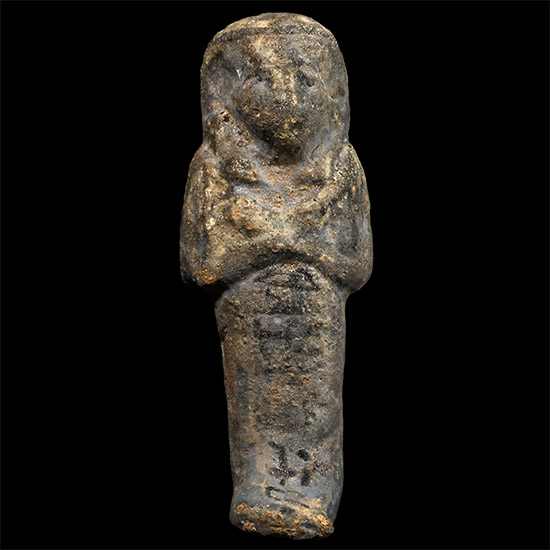
Egyptian Grey-Blue Faience Shabti for a Songstress of Amun
Third Intermediate Period, 22nd Dynasty, circa 945-715 B.C.Estimate: £150 - 200 (+bp*)
Opening Bid: £50
Mummiform figure modelled with a heavy lappet wig, encircled at the top by a sash band; low-relief crossed arms, with painted implements, a seed bag on the back, and a column of hieroglyphs on the front dedicated to: 'The Osiris, songstress of Amun Sedjet(?), true of voice'. 52.8 grams, 90 mm
From the collection of a London gentleman, 2000s. -
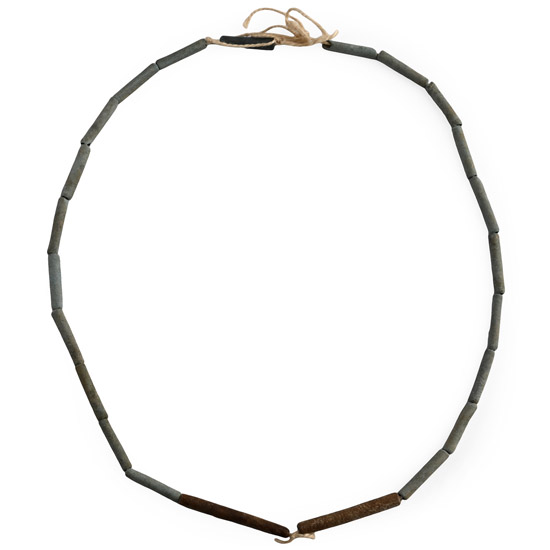
Egyptian Tubular Faience Mummy Bead String
Late Period-Ptolemaic Period, circa 664-30 B.C.Estimate: £30 - 40 (+bp*)
Opening Bid: £5
Comprising mostly green-glazed tubular beads, restrung. 2.63 grams, 36 cm
Excavated from Egypt in 1914. From the private collection of Mr David Sams and his wife Elizabeth Kate Sams, gentry and amateur archaeologists who travelled to Egypt in 1914 with their daughter Ethel. Mr Sams and his wife led digging expeditions from which these items come from the family estate of Mr and Mrs Sams, by direct descent to their granddaughter. -
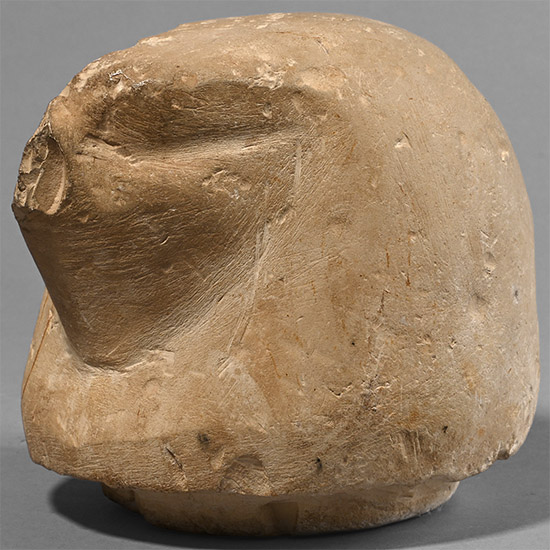
Large Egyptian Limestone Qebehsenuef Canopic Jar Lid
New Kingdom, 18th Dynasty, 1550-1292 B.C.Estimate: £200 - 300 (+bp*)
Bids: 3 | Current Bid: £30
Carved as an avian head with a discoid base to accept the rim of the canopic jar; old handwritten collector's note attached to the back of the head 'Found in rubble, literally tripped over, in tombs on West Bank, March 1963, group with Dr Veronica Seton-Williams'; old collector's card: 'Lid of hawk headed canopic jar. Duamutef (sic), guardian of the lungs and deity of the east in their general arrangement to the cardinal [?]. Made of white limestone, the right hand side much damaged...'; chipped. 2.74 kg, 14.6 cm wide
From the private collection of Peter Clayton, FCILIP, Dip, Arch, FSA, FRNS, Hemel Hempstead, Hertfordshire, UK; formed since the late 1950s. Accompanied by an old handwritten identification card written by Peter Clayton.
The Four Sons of Horus safeguarded the deceased's internal organs. The human-headed Imsety protected the liver; the baboon-headed Hapy, the lungs; the jackal-headed Duamutef, the stomach; and the falcon-headed Qebehsenuef, the intestines. They often placed the viscera in canopic jars with the head of the respective Son of Horus.
