
Loading, please wait...
LOT 0501
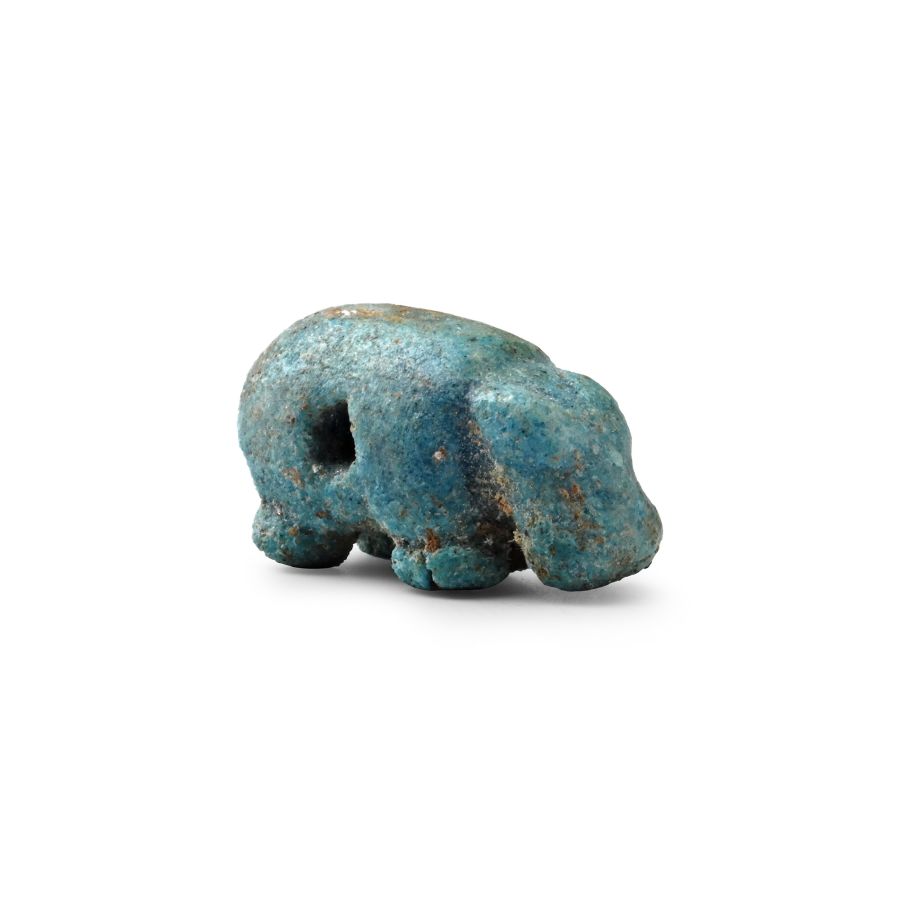
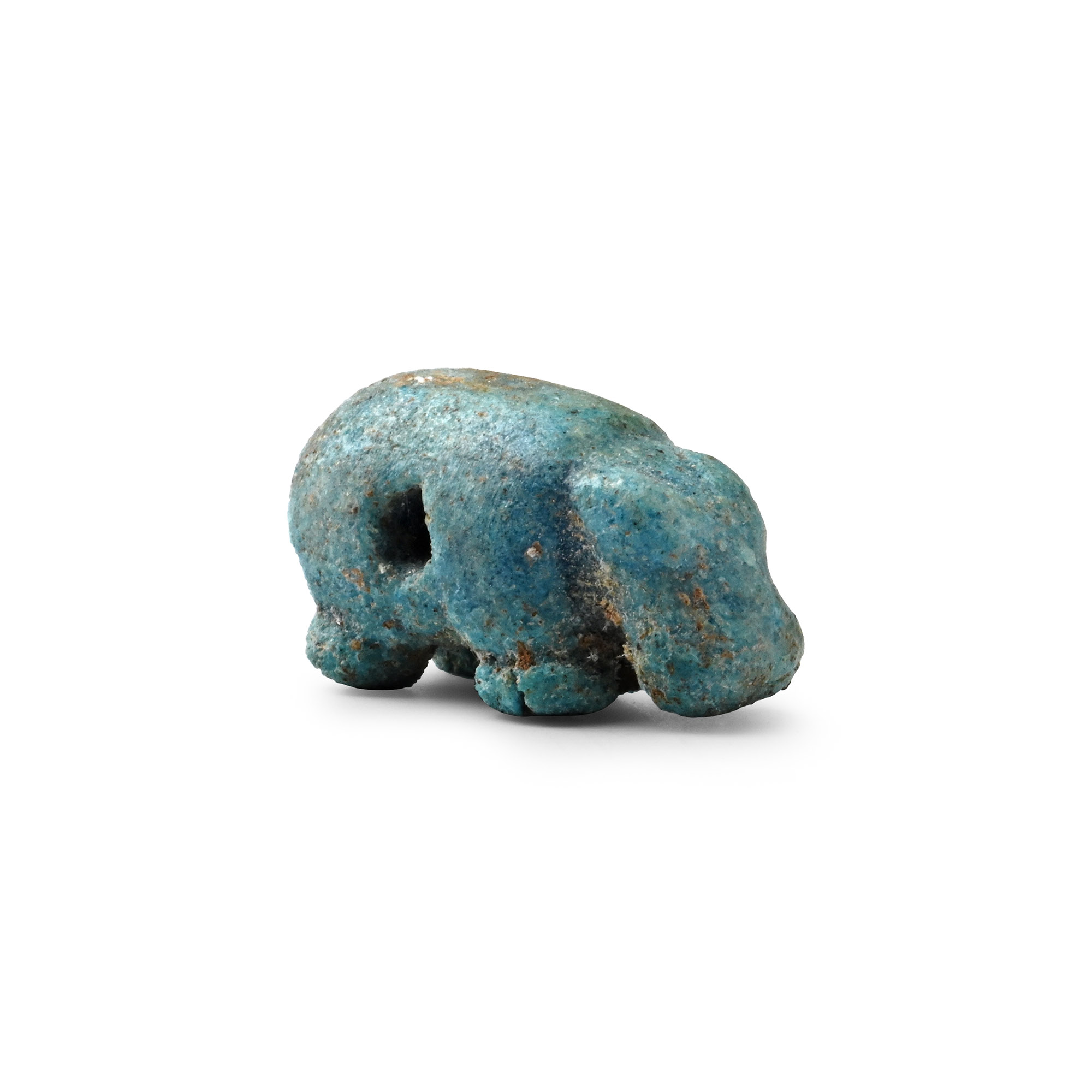
Egyptian Light Blue Faience Hippopotamus Amulet
LATE PERIOD, 664-332 B.C.
3/4 in. (3.63 grams, 20 mm).
Blue glazed figure modelled in the round as a standing hippopotamus, pierced to the centre. [No Reserve]
ProvenanceFrom an early 20th century collection.
This lot is accompanied by an illustrated lot declaration signed by the Head of the Antiquities Department, Dr Raffaele D'Amato.
In ancient Egypt, hippos symbolised both danger and protection, representing chaos and fertility. Feared for their aggression along the Nile, they were also associated with the protective goddess Taweret and the river’s life-giving power.
CONDITIONTimeLine Auctions follows a vetting process to ensure the authenticity and legality of all items, reinforcing our commitment to integrity and responsible trading. Each antiquity, antique, and coin lot undergoes thorough examination by a vetting committee of at least ten external specialists, professional trade association members, scientists, and archaeologists: Our Vetting Process
AUCTIONS:
TimeLine is a leading auction house specialising in antiquities, ancient art, collectables, natural history, coins, medals, and books. Our auctions offer museums, collectors, historians, and enthusiasts the opportunity to acquire unique and historically significant pieces.
-
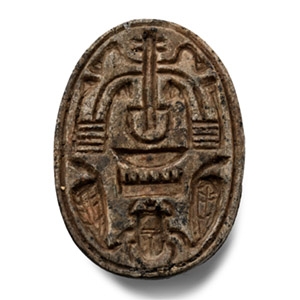
Large Egyptian Steatite Scarab
Late Period, 664-332 B.C.Sold for (Inc. bp): £572
With a detailed carapace, mouth, and legs; the underside decorated with a line border enclosing a large central sma motif in the upper half, followed by a neb, men, and Khepri beetle hieroglyphs, flanked by rearing cobras. 33.76 grams, 46 mm
From the collection of a gentleman, acquired on the London art market in the 1990s. This lot is accompanied by an illustrated lot declaration signed by the Head of the Antiquities Department, Dr Raffaele D'Amato. -
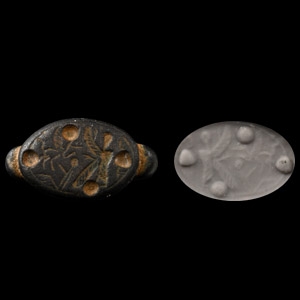
Phoenician Bronze Scarab Pendant
6th-4th century B.C.Estimate: £250 - 350 (+bp*)
Opening Bid: £125
With suspension loop and frame, intaglio figural scene including stylised birds and winged scarabs, with recesses; with museum-quality impression. 13.5 grams, 23 mm
Ex London, UK, gentleman 1980-2000s. This lot is accompanied by an illustrated lot declaration signed by the Head of the Antiquities Department, Dr Raffaele D'Amato. -
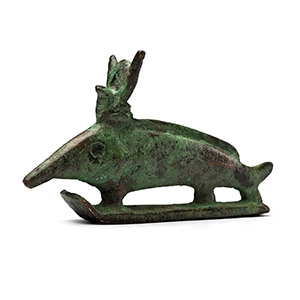
Egyptian Bronze Oxyrhynchus Fish
Late Period, 664-332 B.C. or laterEstimate: £700 - 900 (+bp*)
Opening Bid: £350
Modelled in the round on a sledge attached by ventral and pectoral fins; with forked tail, a dorsal ridge, and a tapering nose, featuring recessed circular eyes to accept an insert, a horned sun disc headdress fronted by a uraeus, and a suspension loop behind. 203 grams, 11.5 cm
From the collection of a gentleman, acquired on the London art market in the 1990s. This lot is accompanied by an illustrated lot declaration signed by the Head of the Antiquities Department, Dr Raffaele D'Amato.
