
Loading, please wait...
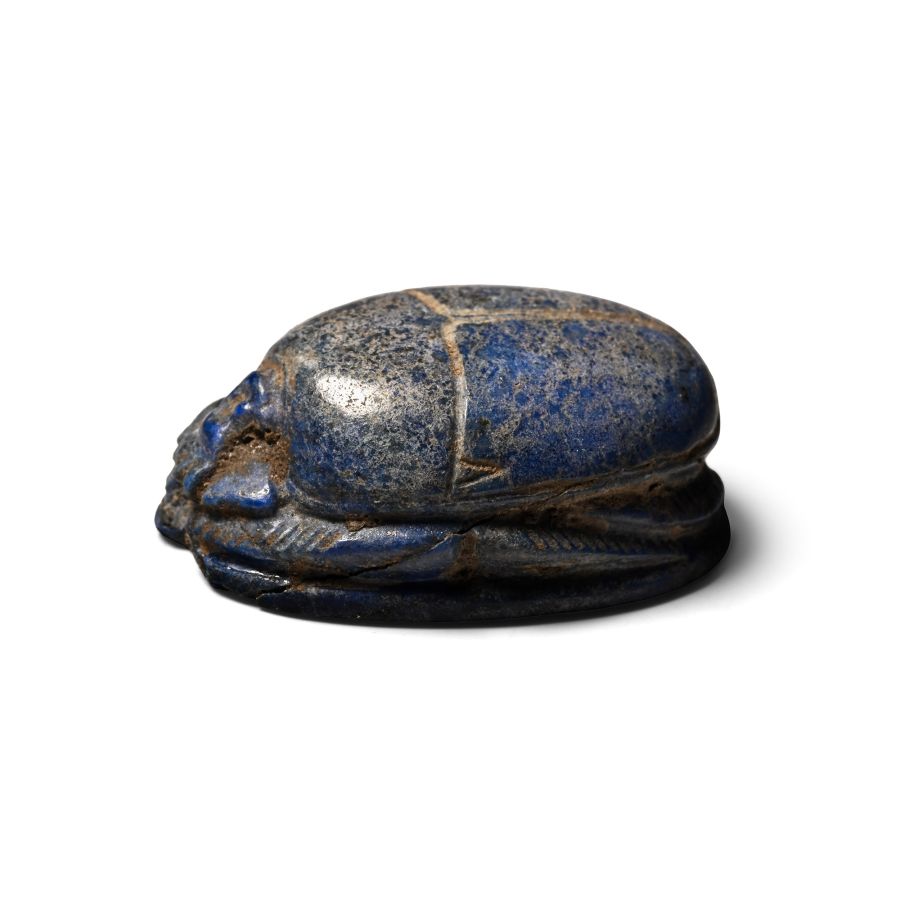
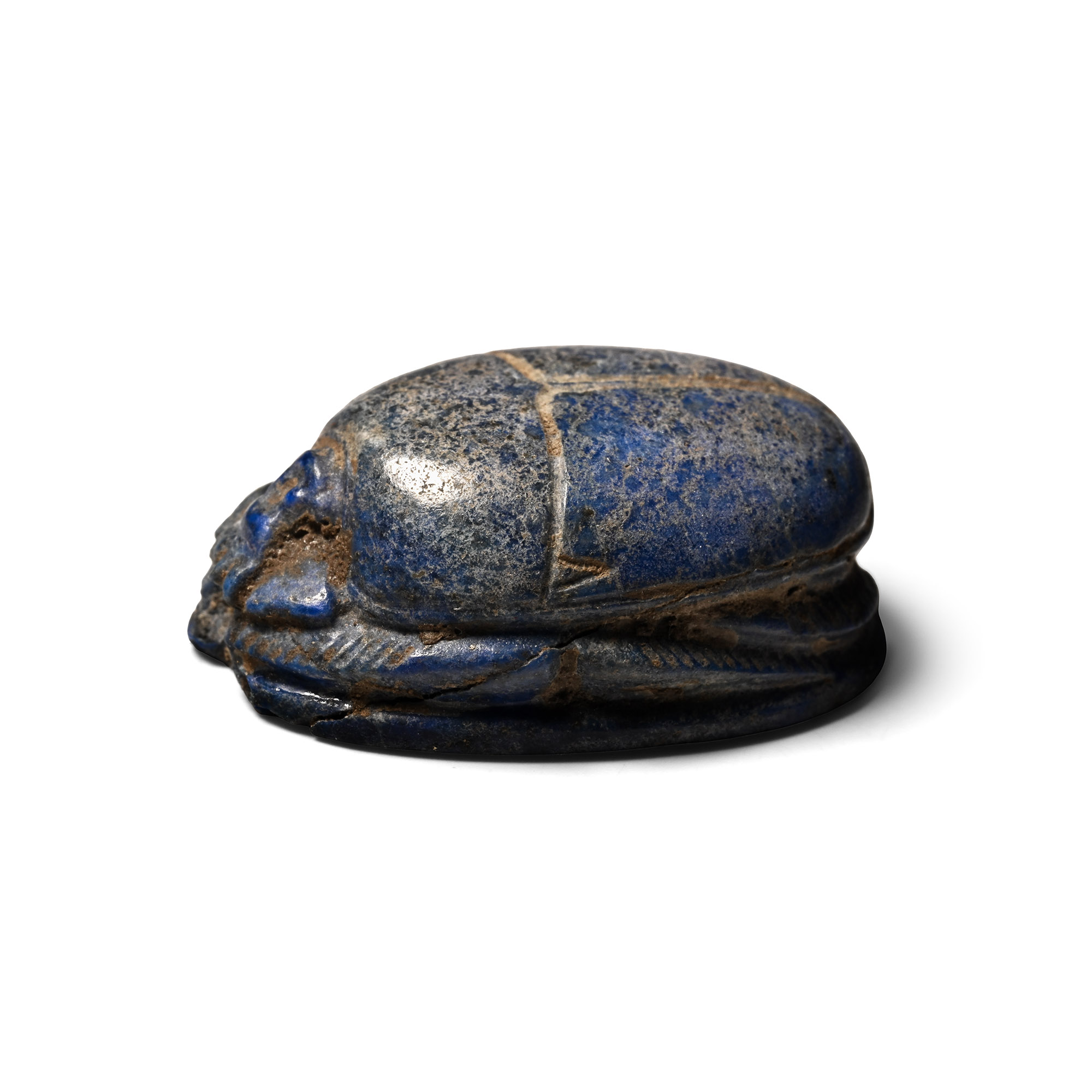
LOT 0521
Egyptian Lapis Lazuli Scarab
LATE PERIOD, 664-332 B.C.
1 1/4 in. (12.8 grams, 30 mm).
Carved in the round with longitudinal piercing, ellipsoid base.
ProvenanceEx early 20th century collection.
LiteratureCf. Ben-Tor, D., The Scarab: A Reflection of Ancient Egypt, Tel Aviv, 1993, p. 79, no. 14, for a similar example.
CONDITIONTimeLine Auctions follows a vetting process to ensure the authenticity and legality of all items, reinforcing our commitment to integrity and responsible trading. Each antiquity, antique, and coin lot undergoes thorough examination by a vetting committee of at least ten external specialists, professional trade association members, scientists, and archaeologists: Our Vetting Process
AUCTIONS:
TimeLine is a leading auction house specialising in antiquities, ancient art, collectables, natural history, coins, medals, and books. Our auctions offer museums, collectors, historians, and enthusiasts the opportunity to acquire unique and historically significant pieces.
-
.jpg)
Egyptian Steatite Scarab Collection
Hyksos Period and New Kingdom, 18th-13th century B.C.Sold for (Inc. bp): £780
Each with a domed carapace, two with a figure on the underside surrounded by hieroglyphs, two inscribed with hieroglyphic signs. 15 grams total, 18-24 mm
Acquired in Europe before 1992. Private collection, UK. -
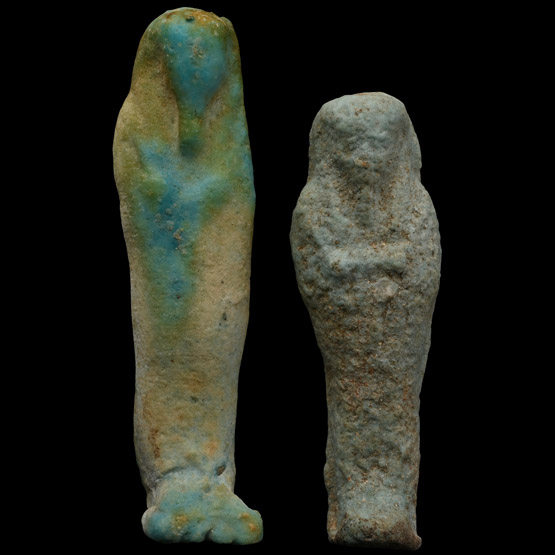
Egyptian Faience Shabti Group
Ptolemaic Period, 332-30 B.C.Sold for (Inc. bp): £117
Comprising two blue mummiform figures with their arms crossed at the chest and wearing a tripartite wig and a false beard. 20 grams total, 58-68 mm
Ex H Norri collection, Milton Keynes, Bedfordshire, UK, 1980s-1990s. -
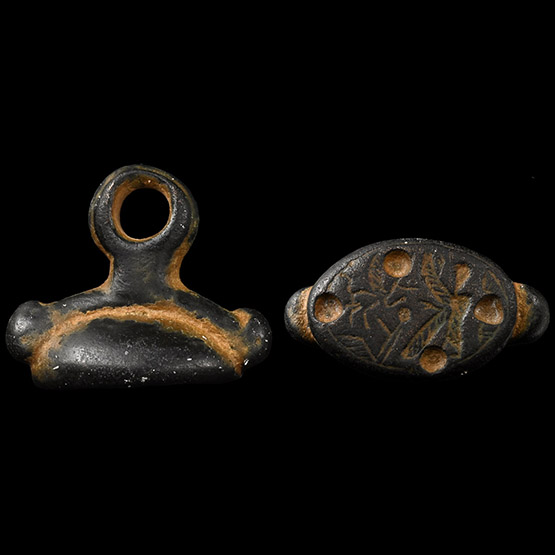
Phoenician Bronze Scarab Pendant
6th-4th century B.C.Sold for (Inc. bp): £293
With suspension loop and frame, intaglio figural scene including stylised birds and winged scarabs, with recesses; with museum-quality impression. 13.5 grams, 23 mm
Ex London, UK, gentleman 1980-2000s.
