
Loading, please wait...
LOT 0034
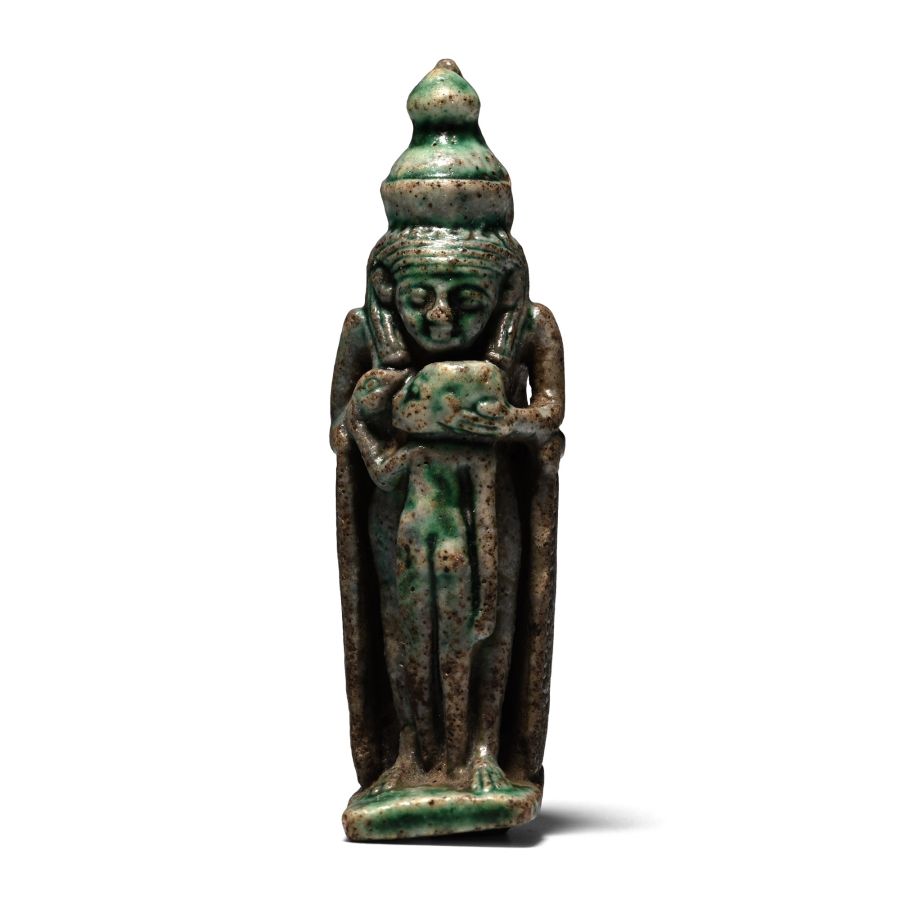
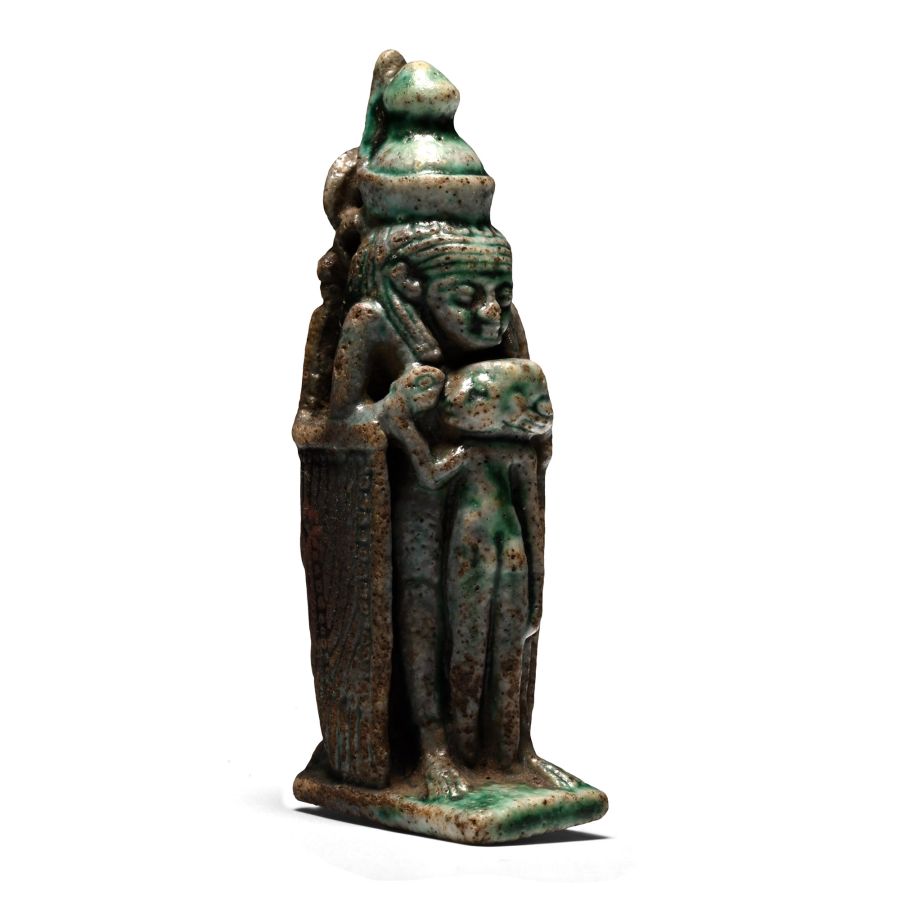
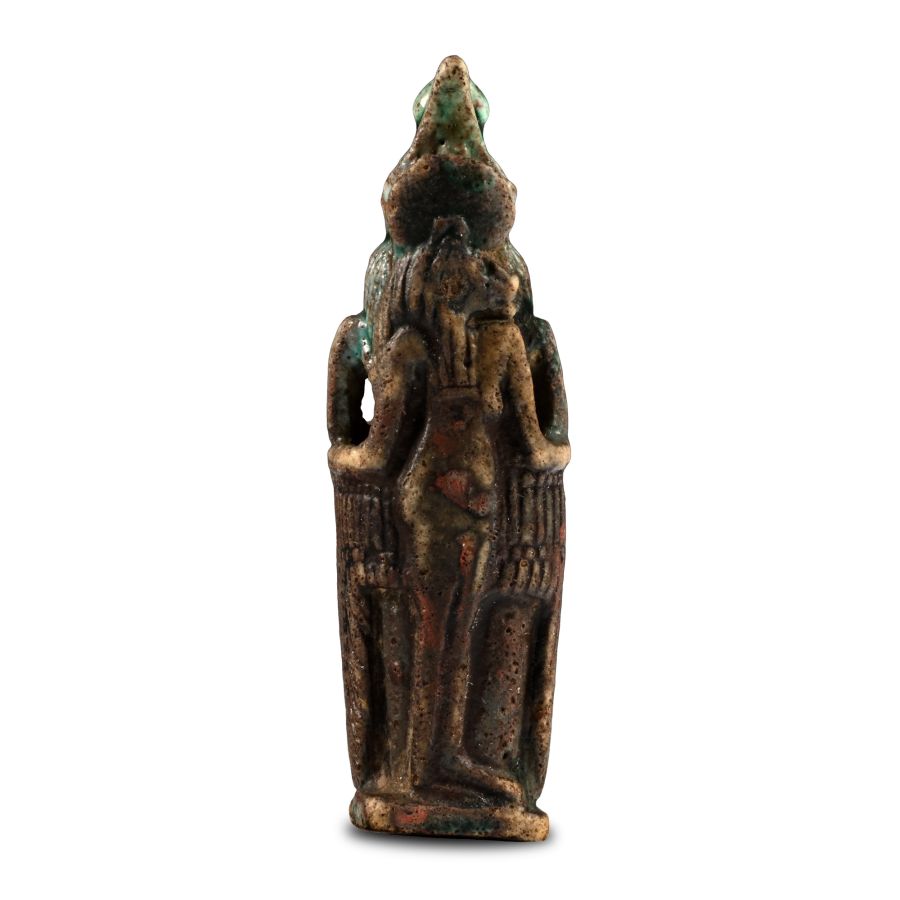
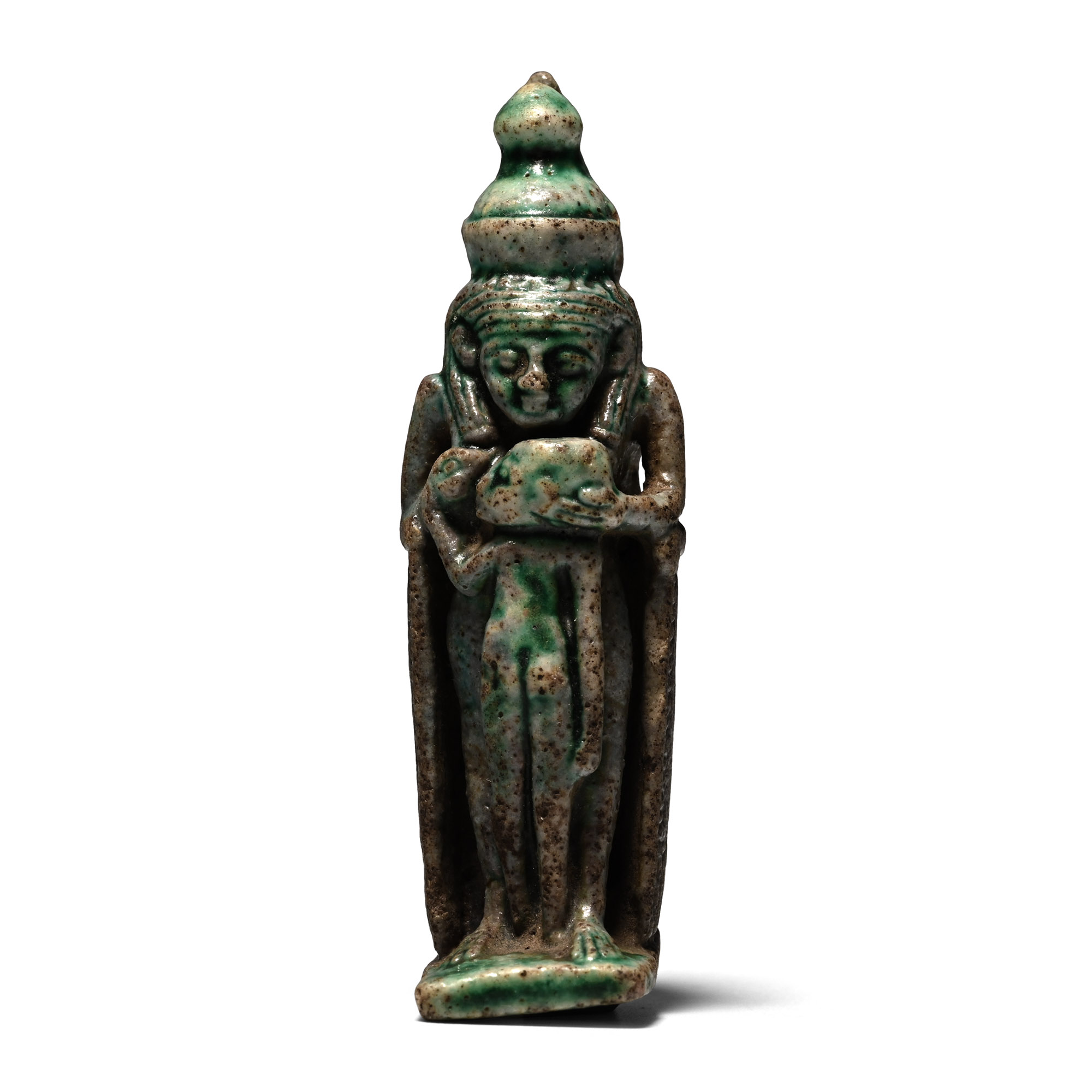
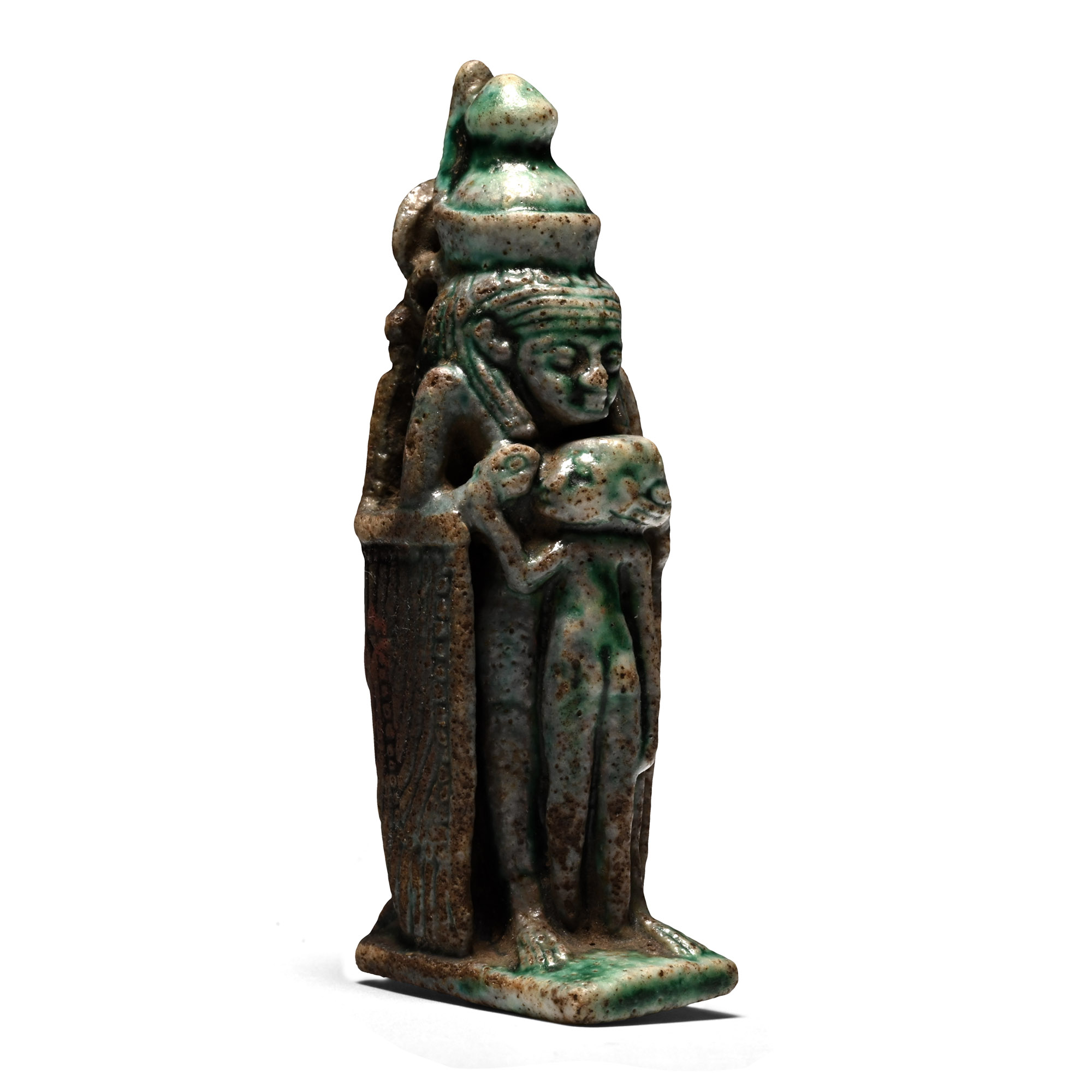
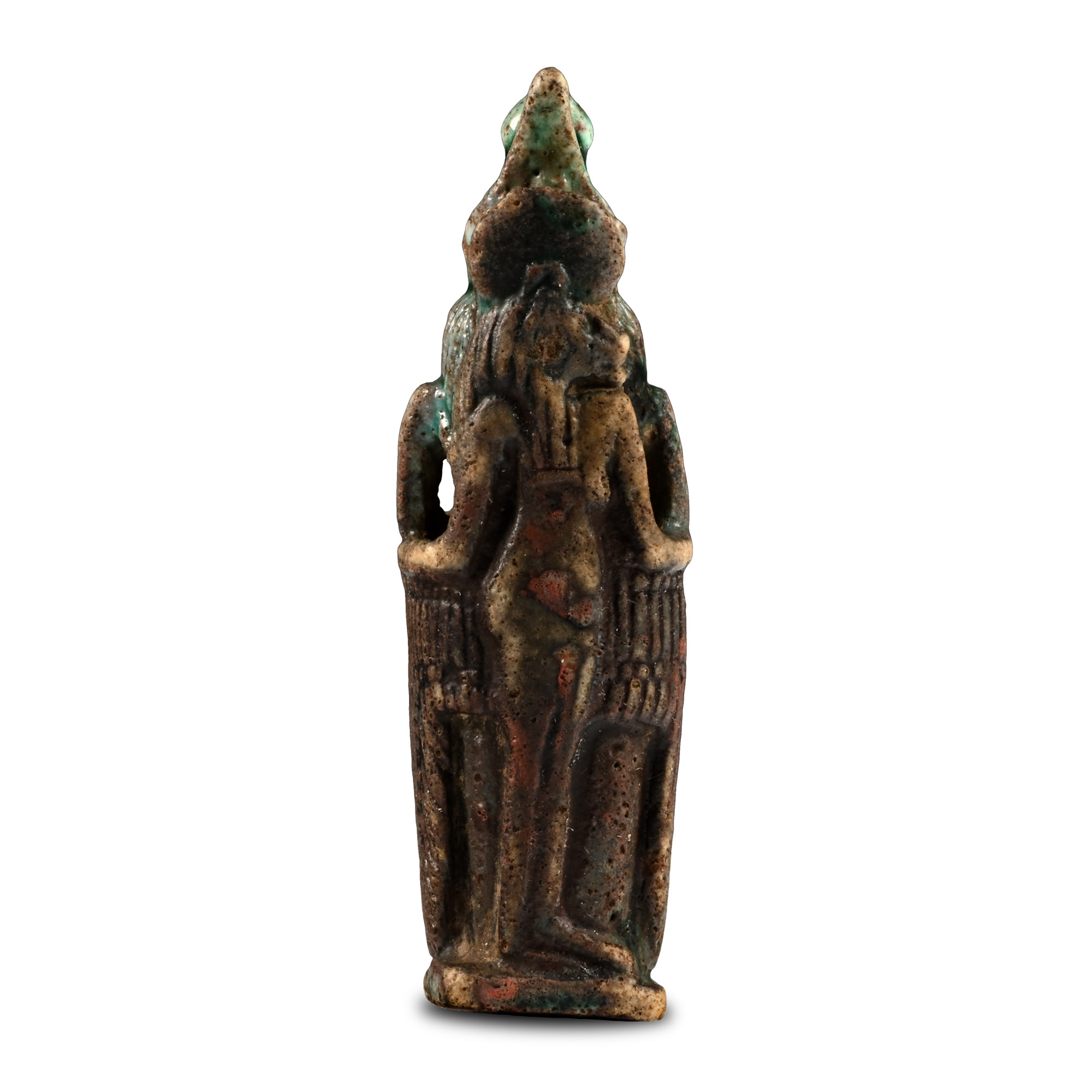
Egyptian Green Glazed Steatite Syncretic Amulet of Mut
THIRD INTERMEDIATE PERIOD, CIRCA 1069-735 B.C.
2 3/8 in. (22.6 grams, 61 mm).
Modelled in the round, formed as the goddess standing before a high-backed throne cradling the head of a standing naked child to her chest; the goddess with tiered double-crown and tripartite wig; throne with low-relief figure of the lioness-headed goddess Sekhmet to the rear with spread wings forming the arms of the chair.
Provenancewith Jean-Phillipe Mariaud de Serres, Paris, France.
Private collection, London, UK, acquired from the above in 1992.
This lot has been checked against the Interpol Database of stolen works of art and is accompanied by a search certificate number no.12633-235083.
This lot has been cleared against the Art Loss Register database, and is accompanied by an illustrated lot declaration signed by the Head of the Antiquities Department, Dr Raffaele D'Amato.
Cf. Daressy, G., Catalogue général des antiquités égyptiennes du Musée du Caire N° 38001-39384 Statues de divinités, Cairo, 1906, pl. LXIII (39.374), for a similar example in the Cairo Museum.
FootnotesMut was a prominent mother goddess in ancient Egyptian religion, associated with creation, motherhood, and the sky. She was the consort of the god Amun and the mother of Khonsu, forming the Theban triad with them in Thebes. Mut's name ("mother" in ancient Egyptian), reflects her role as a divine mother and patroness of motherhood. Sekhmet was revered as a powerful and fierce protector. Her presence was believed to ward off evil and safeguard the people from harm. In ancient Egyptian mythology, Sekhmet was also a manifestation of Hathor, another powerful birth goddess.
CONDITIONTimeLine Auctions follows a vetting process to ensure the authenticity and legality of all items, reinforcing our commitment to integrity and responsible trading. Each antiquity, antique, and coin lot undergoes thorough examination by a vetting committee of at least ten external specialists, professional trade association members, scientists, and archaeologists: Our Vetting Process
AUCTIONS:
TimeLine is a leading auction house specialising in antiquities, ancient art, collectables, natural history, coins, medals, and books. Our auctions offer museums, collectors, historians, and enthusiasts the opportunity to acquire unique and historically significant pieces.
LOT 0034
Egyptian Green Glazed Steatite Syncretic Amulet of Mut
Estimate £2,000 - 3,000€2,320 - 3,480 (for guidance only)$2,700 - 4,050 (for guidance only)
-
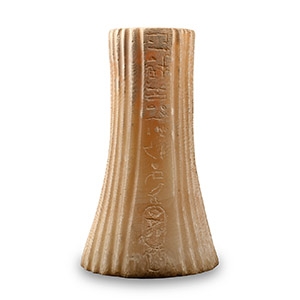
Egyptian Alabaster Headrest Pillar with Hieroglyphic Inscription
Old Kingdom, 5th-6th Dynasty, 2494-2181 B.C.Sold for (Inc. bp): £1,950
Formed as a carved cone with fluting to the vertical face; plain panel with incised hieroglyphic text and cartouche; one part of a head-rest assembly. 628 grams, 12 cm
Private collection of Mr A., Montreal, acquired in the early 1980s. Private collection, Switzerland, acquired from the above in 1993. Thence by descent, family collection, from the late 1990s. This lot has been checked against the Interpol Database of stolen works of art and is accompanied by a search certificate number no.12849-241633. This lot has been cleared against the Art Loss Register database, and is accompanied by an illustrated lot declaration signed by the Head of the Antiquities Department, Dr Raffaele D'Amato. -
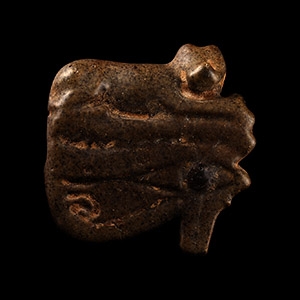
Egyptian Hardstone Eye of Horus with Recumbent Lion
Late Period, 664-332 B.C.Estimate: £300 - 400 (+bp*)
Opening Bid: £150
Wedjat-eye amulet with reclining lioness to the top, pierced for suspension. 6.79 grams, 29 mm
From an early 20th century collection. Ex London, UK, gallery. This lot is accompanied by an illustrated lot declaration signed by the Head of the Antiquities Department, Dr Raffaele D'Amato.
The wedjat-eye and lioness are potent, often intertwined symbols in ancient Egyptian mythology. The wedjat, representing Horus’s healed eye, signifies protection and healing, while the lioness—linked to the goddesses Sekhmet, Bastet, and Wadjet—embodies power and fierce defence as the “Eye of Ra”. Together in amulets, as in Egyptian art, they convey healing, protection, and strength. Sometimes the name of a specific goddess was inscribed on the back of the amulet, though here the recumbent lioness serves as the divine symbol. -
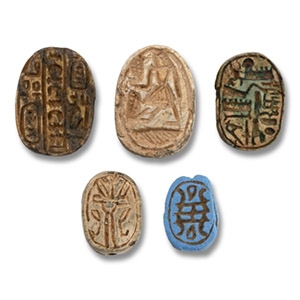
Egyptian Steatite Scarab Group
Mainly Second Intermediate Period–New Kingdom, circa 1660-1069 B.C.Sold for (Inc. bp): £286
Designs include: a tripartite design with ankh, water, nwb, and men signs, with indistinct cartouches possibly of Thutmose III, and signs spelling the phrase 'powerful is the justice of Re' (user-Maat-Re); a line border enclosing the stylised depiction of a striding figure grasping a crocodile, with a neb sign below; a line border enclosing a multitude of signs, including Thutmose III’s throne name (men-kheper-Re), and that of Amun; A line border enclosing central Hathoric sistrum; a line border enclosing a symmetrical motif in contrasting black glaze. 10.6 grams total, 13-19 mm
Acquired on the European art market in the early 2000s. with Galerie Rhéa, Zurich, Switzerland. This lot is accompanied by an illustrated lot declaration signed by the Head of the Antiquities Department, Dr Raffaele D'Amato.
