
Loading, please wait...
LOT 0066
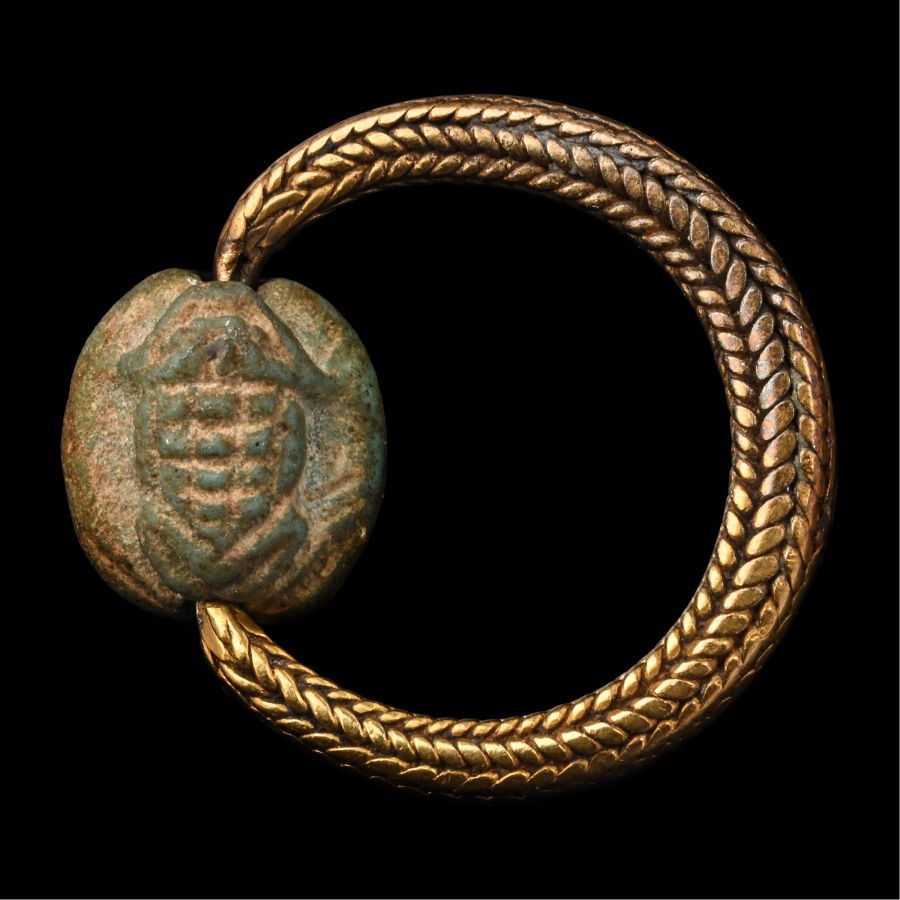
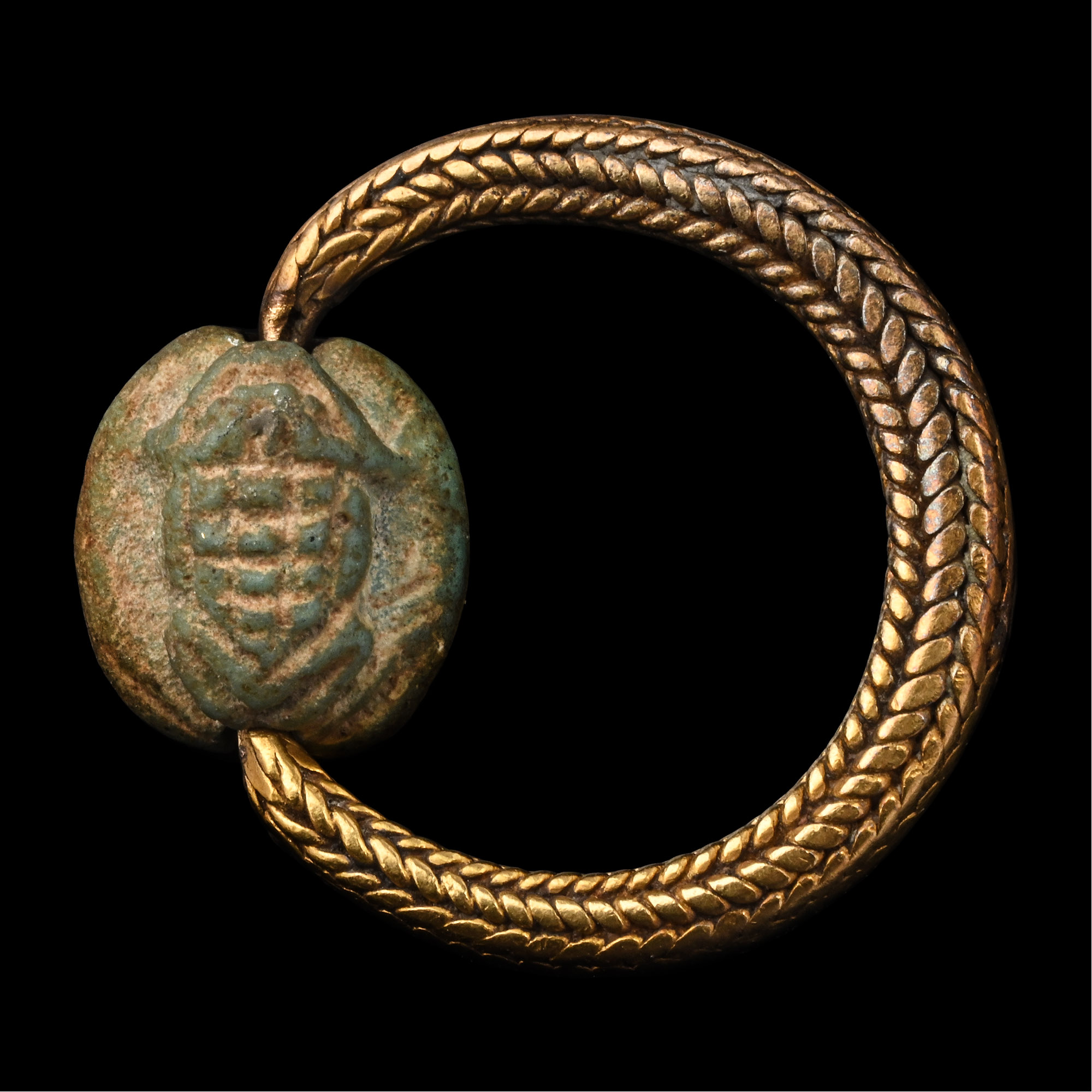
Egyptian Gold Ring with Faience Frog Amulet
THIRD INTERMEDIATE PERIOD, 21ST-22ND DYNASTY, CIRCA 1085-713 B.C.
1 in. (6.69 grams, 25.25 mm overall, 17.68 x 15.08 mm internal diameter (approximate size British L 1/2, USA 6, Europe 11.87, Japan 11)).
Glazed composition discoid panel with high-relief frog motif, pierced; mounted on a finger ring of braided gold wire.
ProvenanceAcquired from Derek Content, 13 February 1976.
Private collection of Kal Noselson, New York, acquired between 1976 and the late 1990s; thence by descent.
Accompanied by an original handwritten invoice from Derek Content, 13 February 1976.
This lot has been checked against the Interpol Database of stolen works of art and is accompanied by search certificate no.13454-259917.
Cf. Chadour, A.B., Rings. The Alice and Louis Koch Collection, volume I, Leeds, 1994, item 32, for type.
CONDITIONTimeLine Auctions follows a vetting process to ensure the authenticity and legality of all items, reinforcing our commitment to integrity and responsible trading. Each antiquity, antique, and coin lot undergoes thorough examination by a vetting committee of at least ten external specialists, professional trade association members, scientists, and archaeologists: Our Vetting Process
AUCTIONS:
TimeLine is a leading auction house specialising in antiquities, ancient art, collectables, natural history, coins, medals, and books. Our auctions offer museums, collectors, historians, and enthusiasts the opportunity to acquire unique and historically significant pieces.
LOT 0066
Egyptian Gold Ring with Faience Frog Amulet
Estimate £1,800 - 2,400€2,090 - 2,780 (for guidance only)$2,430 - 3,240 (for guidance only)
Opening Bid
£900 (EUR 1,044; USD 1,215) ‡+BP*
-
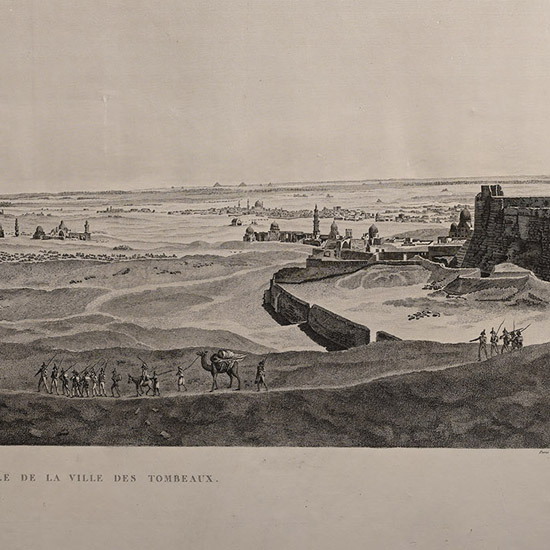
Very Large Egyptian Expedition Lithograph of Kaire
Early 19th century A.D.Estimate: £80 - 100 (+bp*)
Opening Bid: £40
Proof etching on laid paper of plate 61 from Vol .I of Description de l'Égypte : ou, Recueil des observations et des recherches qui ont été faites en Égypte pendant l'expédition de l'armée française. entitled Le Kaire. Vue générale de la ville des tombeaux. 259 grams, 104 x 67 cm
From the collection of a North American priest. Acquired between 1981-1996. Property of a North American collector.
Produced between February 1802 and 1830 on the orders of Napoleon Bonaparte; published between 1809 and 1828. Just 1,000 copies were distributed to various institutions, printed on laid paper with an 'Égypte ancienne et moderne' watermark. The book is subtitled Recueil des observations et des recherches qui ont été faites en Égypte pendant l’expédition de l’Armée française, publié par les ordres de Sa Majesté l’Empereur Napoléon le Grand (Gathering of observations and discoveries which were made in Egypt during the expedition of the French army, published on the orders of His Majesty the Emperor Napoleon the Great). It was the world's first encyclopedia devoted exclusively to the remains of ancient Egypt. The plates of this book are the first to present the archaeological sites of Thebes (Luxor). -
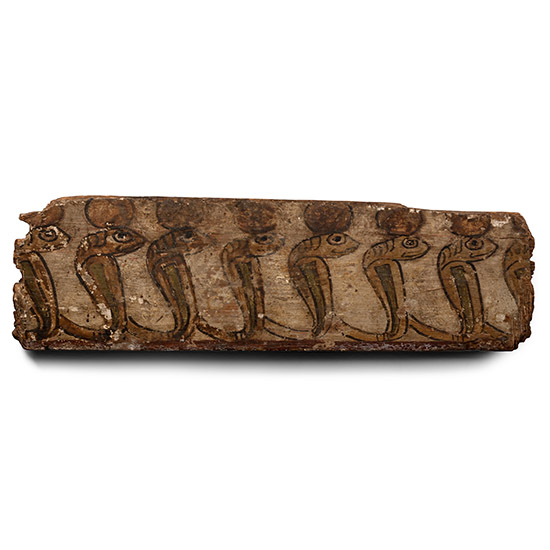
Egyptian Canopic Chest Fragment with Cobras
Late Period-Ptolemaic Period, 664-30 B.C.Estimate: £400 - 600 (+bp*)
Bids: 2 | Current Bid: £25
Rectangular panel bearing a frieze depicting a series of rearing cobras wearing sun-disc headdresses. 176 grams, 27 cm
Ex E.B.W. Chappelow collection, January 1958. From the private collection of Peter Clayton, FCILIP, Dip, Arch, FSA, FRNS, Hemel Hempstead, Hertfordshire, UK; formed since the late 1950s. Accompanied by an old handwritten information card by Peter Clayton, collection no.10.
Friezes of rearing cobras at the top of canopic chests served as guardian figures, protecting the visceral containers within. Arguably, the most famous canopic chest, decorated with a frieze of rearing cobras, is the gilded one of Pharaoh Tutankhamun. -
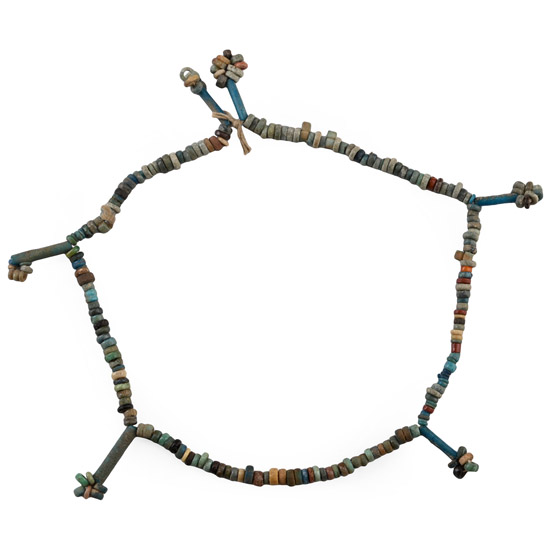
Egyptian Faience Mummy Bead Bracelet with Drops
Late Period-Ptolemaic Period, circa 664-30 B.C.Estimate: £60 - 80 (+bp*)
Opening Bid: £5
Composed of green- and blue-glazed disc and tubular beads, restrung. 4.64 grams, 27 cm
Excavated from Egypt in 1914. From the private collection of Mr David Sams and his wife Elizabeth Kate Sams, gentry and amateur archaeologists who travelled to Egypt in 1914 with their daughter Ethel. Mr Sams and his wife led digging expeditions from which these items come from the family estate of Mr and Mrs Sams, by direct descent to their granddaughter.
