
Loading, please wait...
LOT 0045
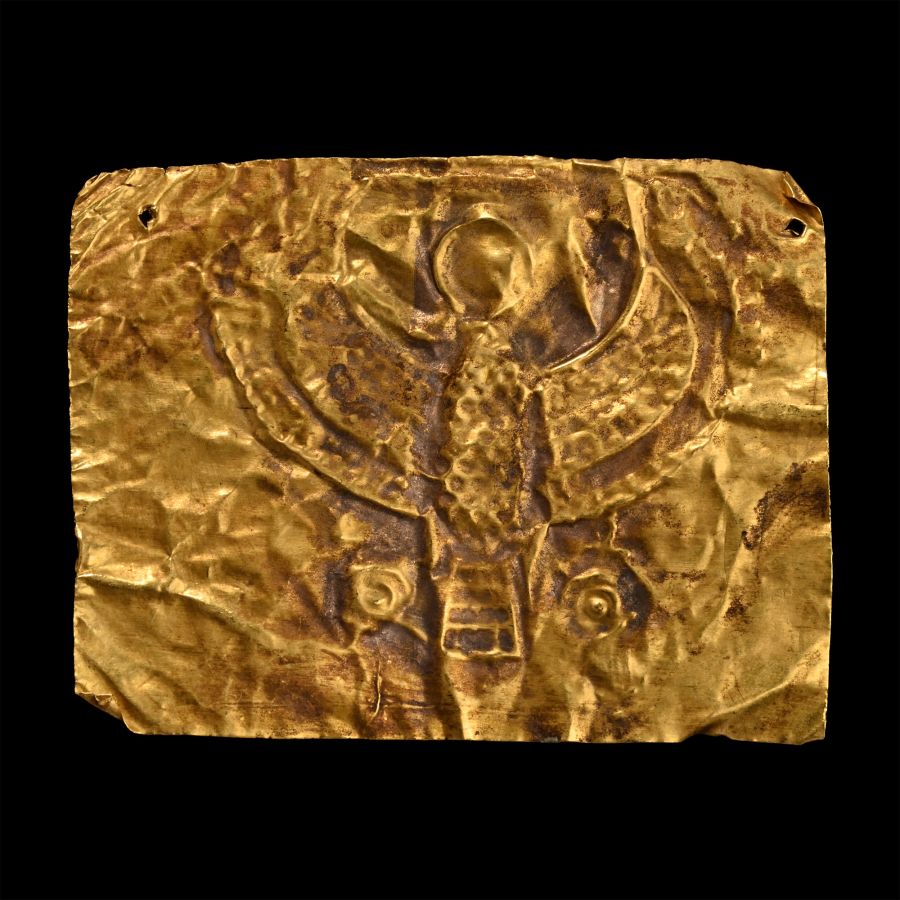
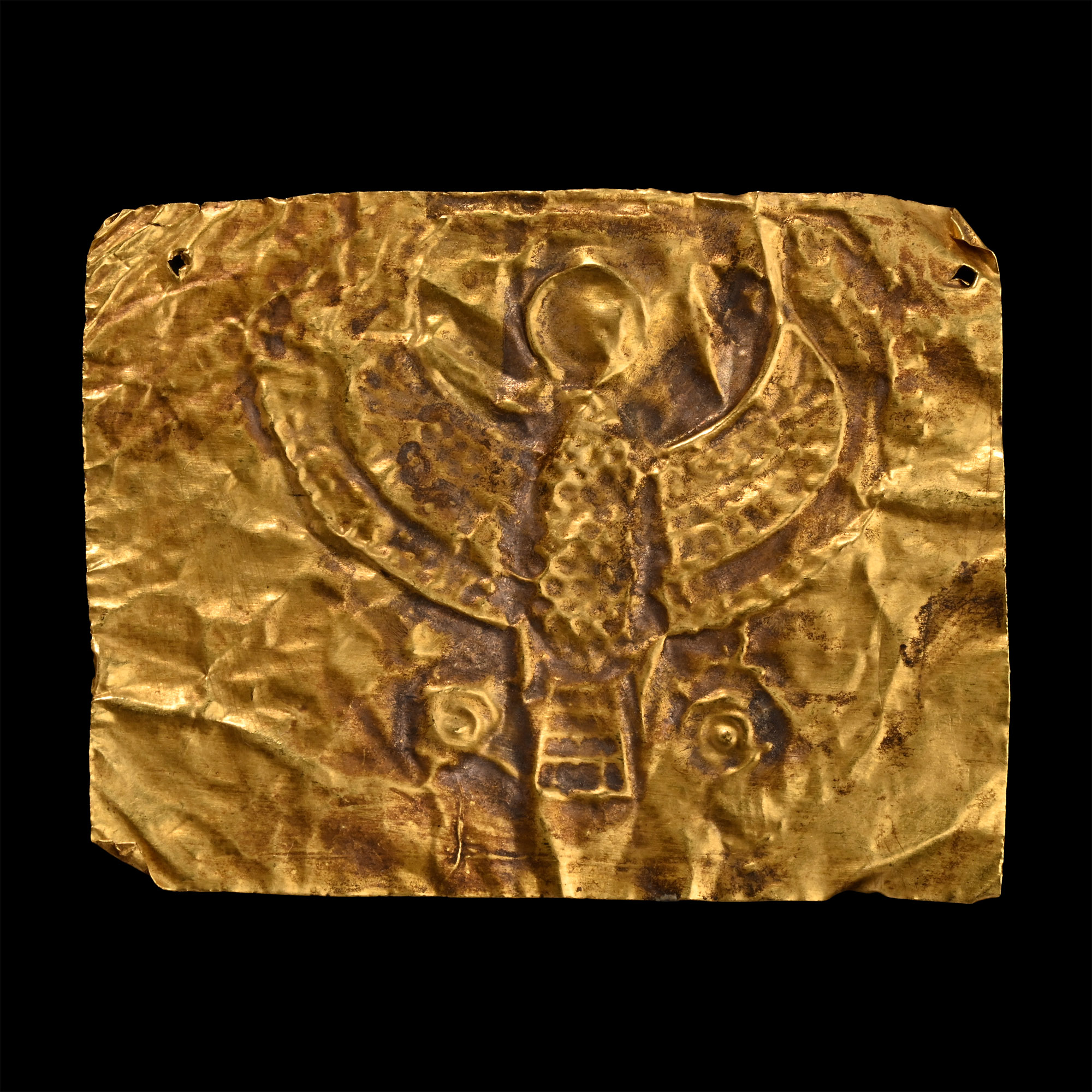
Egyptian Gold Plaque with the Falcon God Horus
LATE PERIOD, 664-332 B.C.
1 5/8 x 1 1/4 in. (1.03 grams, 40 x 31 mm).
Rectangular foil panel featuring a repoussé motif of a bird with wings spread in an arc, with a sun-disc on its head, and claws clutching each a shen ring; honeycomb detailing on the wings and body.
ProvenanceUK private collection before 2000.
Acquired on the UK art market.
Private collection, London, UK.
TimeLine Auctions follows a vetting process to ensure the authenticity and legality of all items, reinforcing our commitment to integrity and responsible trading. Each antiquity, antique, and coin lot undergoes thorough examination by a vetting committee of at least ten external specialists, professional trade association members, scientists, and archaeologists: Our Vetting Process
AUCTIONS:
TimeLine is a leading auction house specialising in antiquities, ancient art, collectables, natural history, coins, medals, and books. Our auctions offer museums, collectors, historians, and enthusiasts the opportunity to acquire unique and historically significant pieces.
-
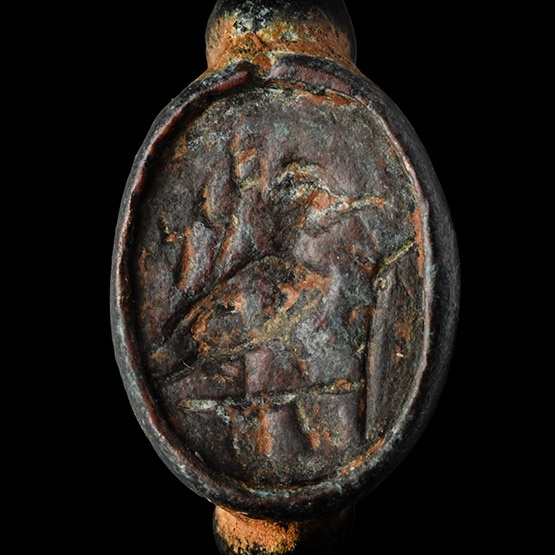
Phoenician Bronze Scaraboid Seal Matrix
Late 1st millennium B.C.Estimate: £260 - 360 (+bp*)
Opening Bid: £140
Ellipsoid in plan with domed upper face, lateral lobes and ribbed suspension bar; avian image; supplied with a museum-quality impression. 8.26 grams, 20 mm
From the collection of a gentleman, acquired on the London art market in the 1990s. -
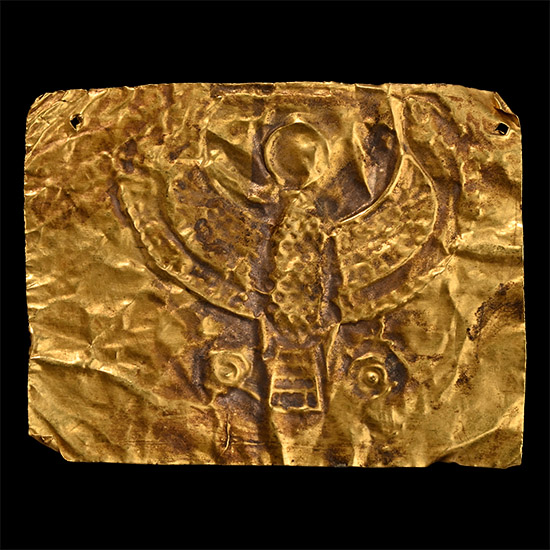
Egyptian Gold Plaque with the Falcon God Horus
Late Period, 664-332 B.C.Sold for (Inc. bp): £1,170
Rectangular foil panel featuring a repoussé motif of a bird with wings spread in an arc, with a sun-disc on its head, and claws clutching each a shen ring; honeycomb detailing on the wings and body. 1.03 grams, 40 x 31 mm
UK private collection before 2000. Acquired on the UK art market. Private collection, London, UK. -
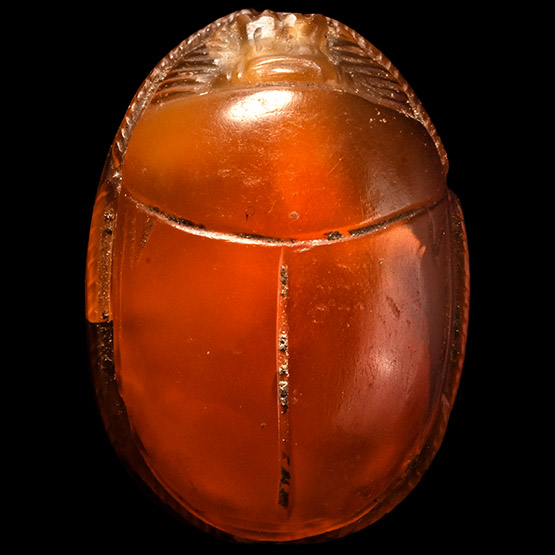
Large Egyptian Carnelian Scarab
Ptolemaic-Roman Period, circa 332 B.C.-300 A.D.Estimate: £1,000 - 1,400 (+bp*)
Opening Bid: £500
Carved in the round with segmented carapace, pierced longitudinally for suspension. 4.75 grams, 22 mm
UK private collection before 2000. Acquired on the UK art market. Private collection, London, UK.
