
Loading, please wait...

LOT 0467
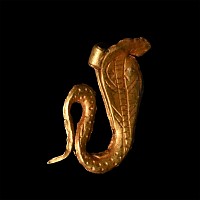
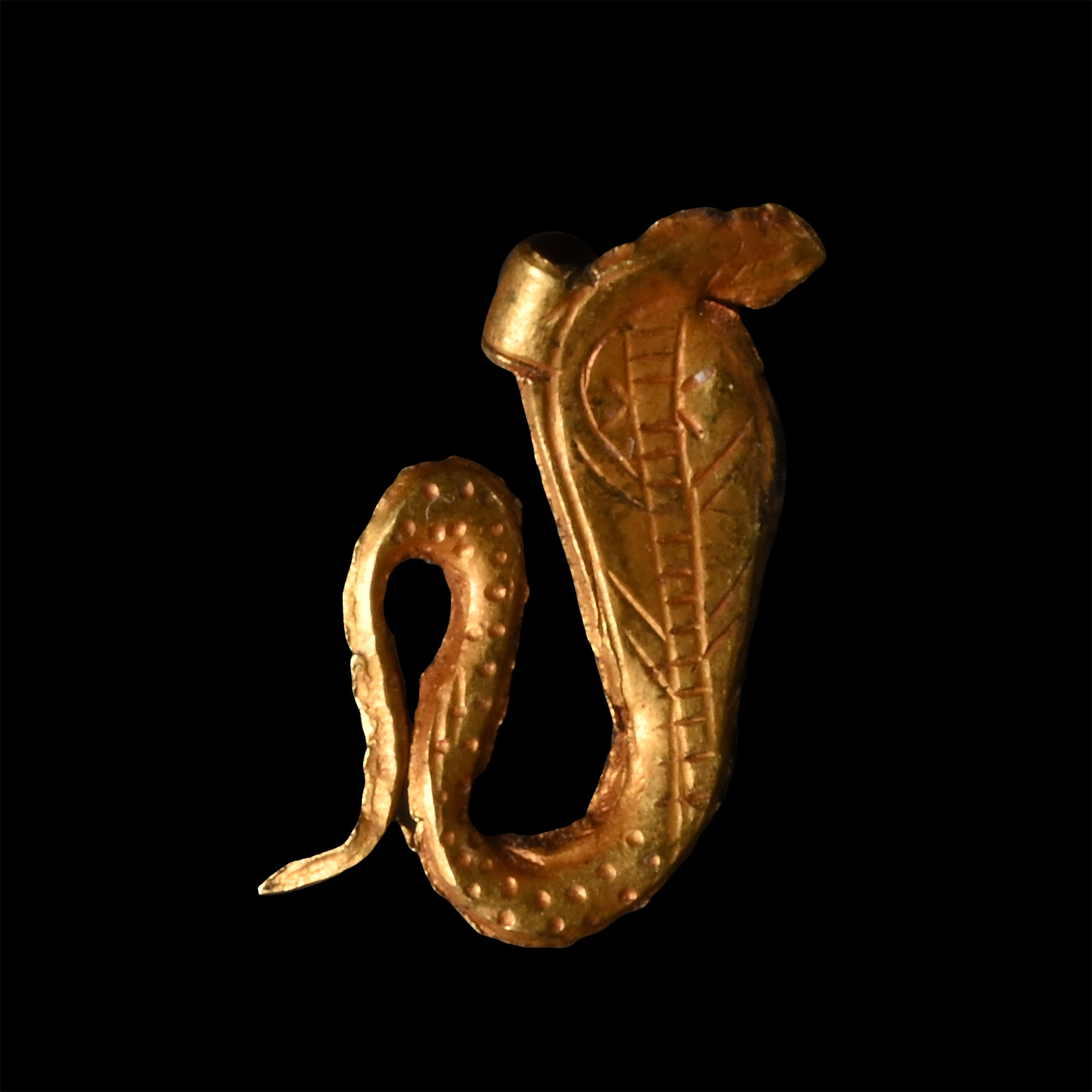
Egyptian Gold Cobra Amulet
LATE PERIOD, 664-332 B.C.
1/2 in. (0.15 grams, 12 mm).
Depicting a rearing cobra with incised detailing and a suspension loop behind the head.
ProvenanceFrom the private collection of the late Mrs Belinda Ellison, a long time member of the Egyptian Exploration Society, c.1940-2020.
CONDITIONTimeLine Auctions follows a vetting process to ensure the authenticity and legality of all items, reinforcing our commitment to integrity and responsible trading. Each antiquity, antique, and coin lot undergoes thorough examination by a vetting committee of at least ten external specialists, professional trade association members, scientists, and archaeologists: Our Vetting Process
AUCTIONS:
TimeLine is a leading auction house specialising in antiquities, ancient art, collectables, natural history, coins, medals, and books. Our auctions offer museums, collectors, historians, and enthusiasts the opportunity to acquire unique and historically significant pieces.
-
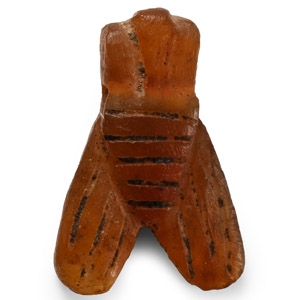
Egyptian Carnelian Fly Amulet
Late Period, 664-332 B.C.Sold for (Inc. bp): £72
Carved with ribbed body and eye detailing; drilled through the eyes for suspension. 0.37 grams, 12 mm
From the private collection of H. Norry, 1980s-1990s. -
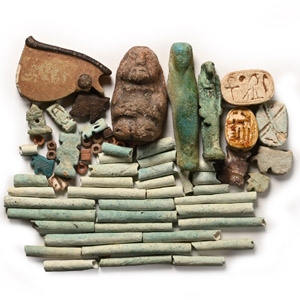
Egyptian Faience Amulet and Bead Group
Mainly Late Period, 664-332 B.C.Sold for (Inc. bp): £546
Comprising tubular and ring beads, wedjat-eye amulets, Bes amulets, scarabs, a Khnum amulet, a shabti, and others. 44 grams total, 3-47 mm
From the private collection of H. Norry, 1980s-1990s. -
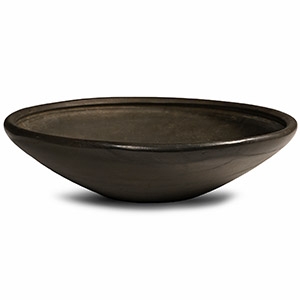
Egyptian Black Stone Lipped Bowl
2nd-3rd Dynasty, 2860-2640 B.C.Sold for (Inc. bp): £2,860
Shallow and broad in profile with carinated rim. 627 grams, 20 cm
From the private collection of Mr K.A., acquired in the 1990s-early 2000s. This lot has been checked against the Interpol Database of stolen works of art and is accompanied by a search certificate number no.12367-225768.
Stone vessels, made from various styles and types of stone, were commonly found in Early Dynastic and Old Kingdom tombs as funerary equipment. One of the most significant discoveries was the recovery of over 30,000 stone vessels in King Djoser's Step Pyramid complex.
