
Loading, please wait...
LOT 0666
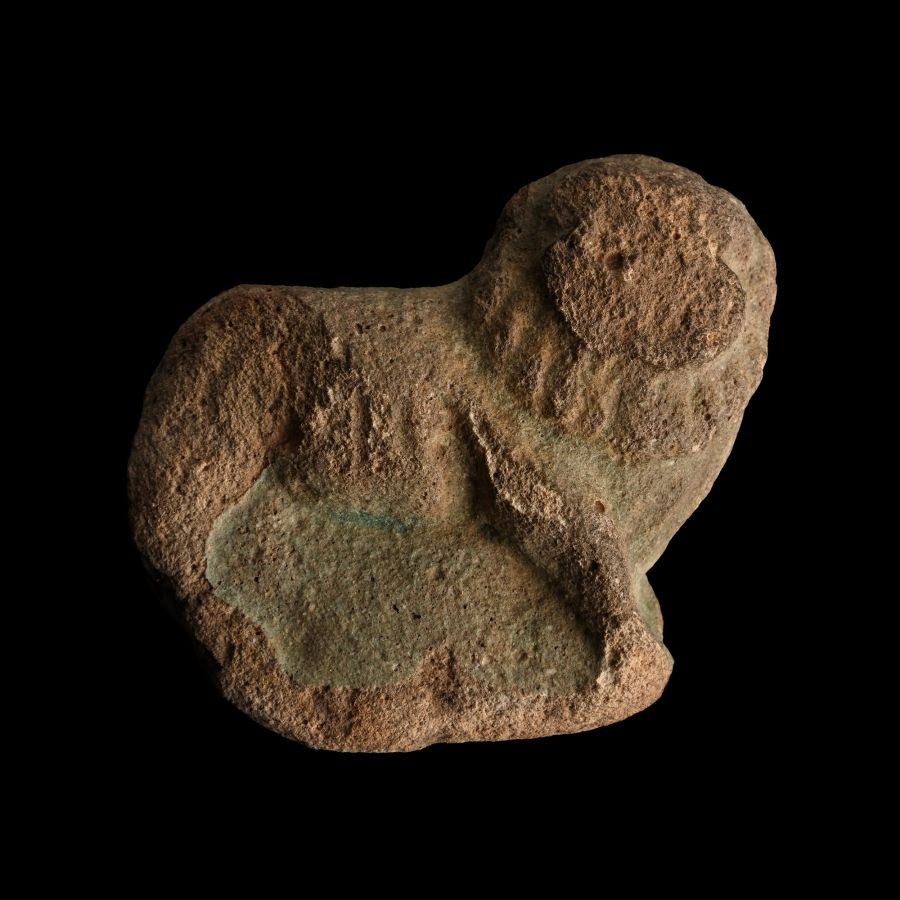
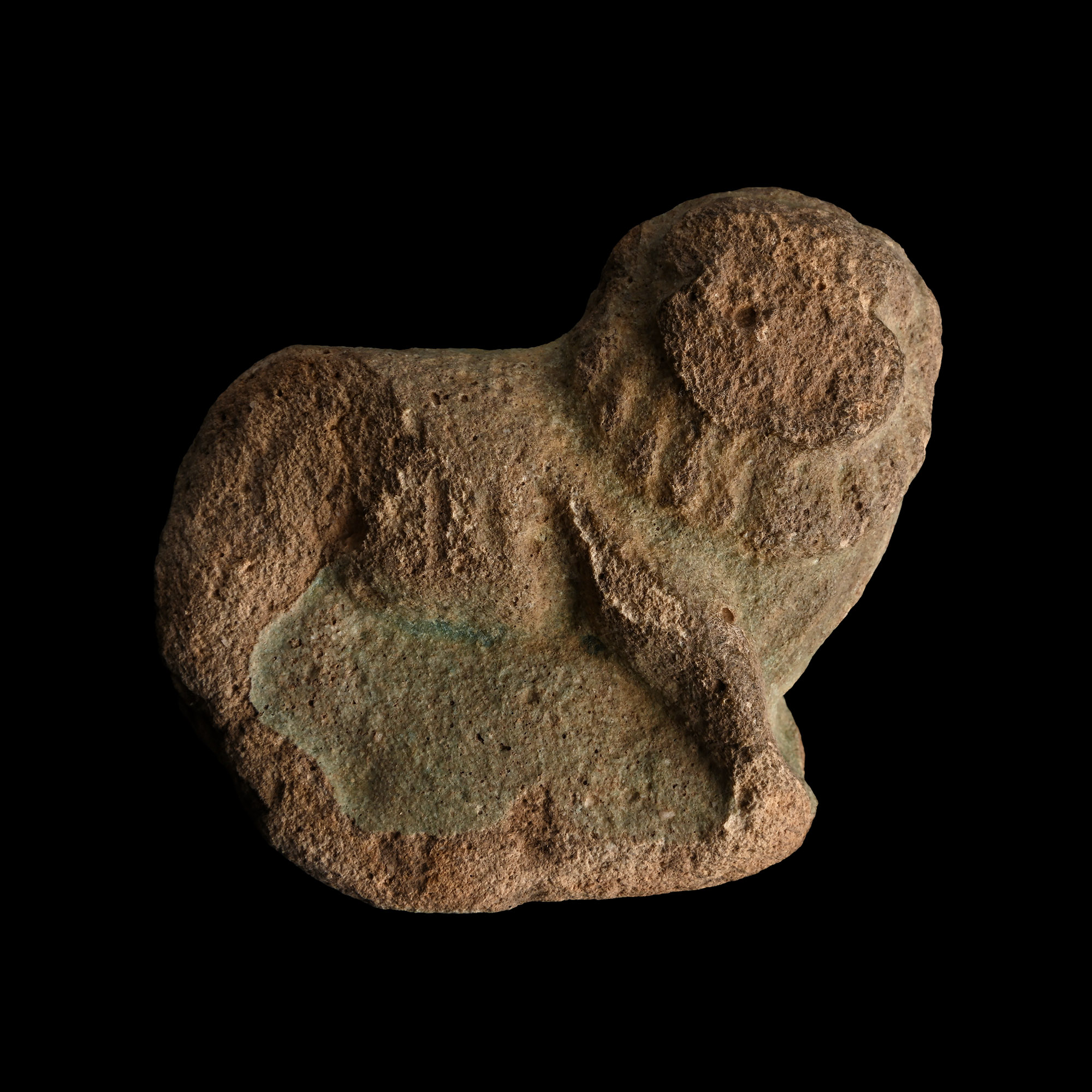
Egyptian Glazed Terracotta Lion Statuette
ROMAN PERIOD, 30 B.C.-323 A.D.
3 1/8 in. (115 grams, 81 mm).
Modelled in the round in advancing pose with head turned. [No Reserve]
ProvenanceAcquired on the UK art market since the 1990s.
From the property of a late Lincolnshire, UK, gentleman; thence by descent.
TimeLine Auctions follows a vetting process to ensure the authenticity and legality of all items, reinforcing our commitment to integrity and responsible trading. Each antiquity, antique, and coin lot undergoes thorough examination by a vetting committee of at least ten external specialists, professional trade association members, scientists, and archaeologists: Our Vetting Process
AUCTIONS:
TimeLine is a leading auction house specialising in antiquities, ancient art, collectables, natural history, coins, medals, and books. Our auctions offer museums, collectors, historians, and enthusiasts the opportunity to acquire unique and historically significant pieces.
LOT 0666
Egyptian Glazed Terracotta Lion Statuette
Estimate £40 - 60€46 - 70 (for guidance only)$54 - 81 (for guidance only)
Opening Bid
£5 (EUR 6; USD 7) +BP*
-
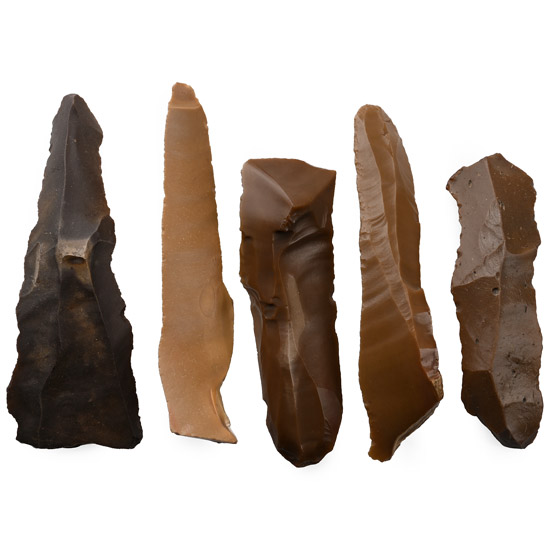
Egyptian Stone Age Knapped Knife Blade Group from Thebes
Neolithic Period, 11,000-5,200 B.P.Estimate: £60 - 80 (+bp*)
Opening Bid: £5
Comprising five sender tongue-shaped in plan and triangular in section, each with an inked inscription reading 'W. Thebes 1912', 'West Themes 1912' or 'Thebes 1912'; with a handwritten label reading 'Scrapers on blades'. 81 grams total, 75-91 mm
Found Thebes, 1912 A.D. From the collection of A.D.Passmore (1879-1958), his collection of flints from the area of Stonehenge was donated to the Ashmolean Museum in the 1950s. From the private collection of Peter Clayton, FCILIP, Dip, Arch, FSA, FRNS, Hemel Hempstead, Hertfordshire, UK; formed since the late 1950s. Accompanied by a copy of an old handwritten information card by Peter Clayton. -
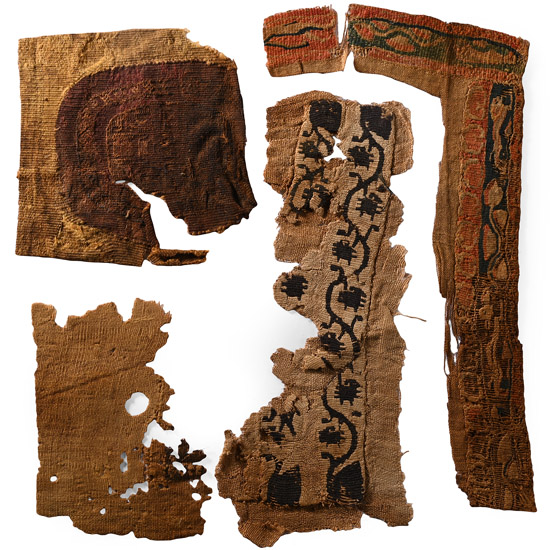
Egyptian Coptic Tunics Textile Fragments of Orbiculus and Segmenta with Animals and Geometric Decoration
Circa 4th-7th century A.D.Estimate: £70 - 90 (+bp*)
Opening Bid: £5
Comprising a purple-red wool orbiculus on linen, decorated with geometric patterns; a clavus fragment featuring a double row of vegetal interlaces in natural and dark blue wool (S-twist); a fragment of green, red, and blue wool textile on linen, decorated with vegetal motifs; and an indistinct linen fragment with traces of geometric borders. 30 grams total, 13-27 cm
Acquired 1970s-1996. Property of a North American collector. London collection, 2016.
The fragments are decorative parts of tunics. These are fabrics of great decorative finesse, with some elements displaying an unusual and extremely well-preserved colour palette. The plant designs are related to the so-called Nilotic decorative pattern. -
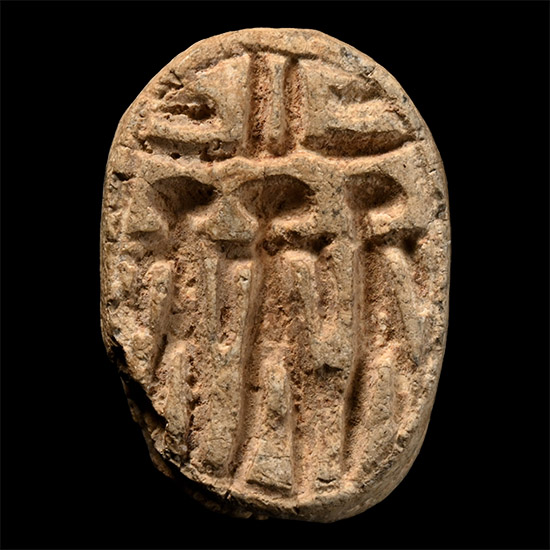
Egyptian Steatite Scarab with Three Figures
Second Intermediate Period, circa 1782-1550 B.C.Estimate: £50 - 70 (+bp*)
Opening Bid: £5
With incised anatomical detailing on the body and legs, underside with three standing figures. 4.26 grams, 20 mm
Acquired from various London-based UK, antiquity dealers. From a Derbyshire gentleman's private museum, formed from the late 1970s-early 1980s.
