
Loading, please wait...
LOT 0036
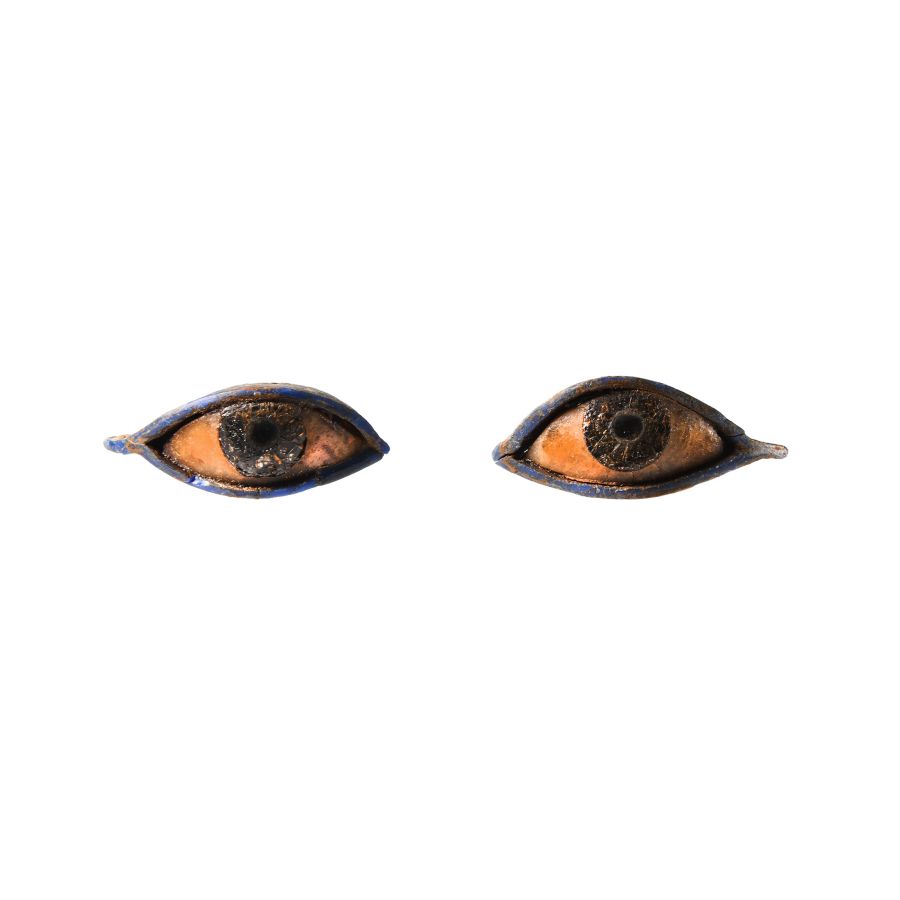
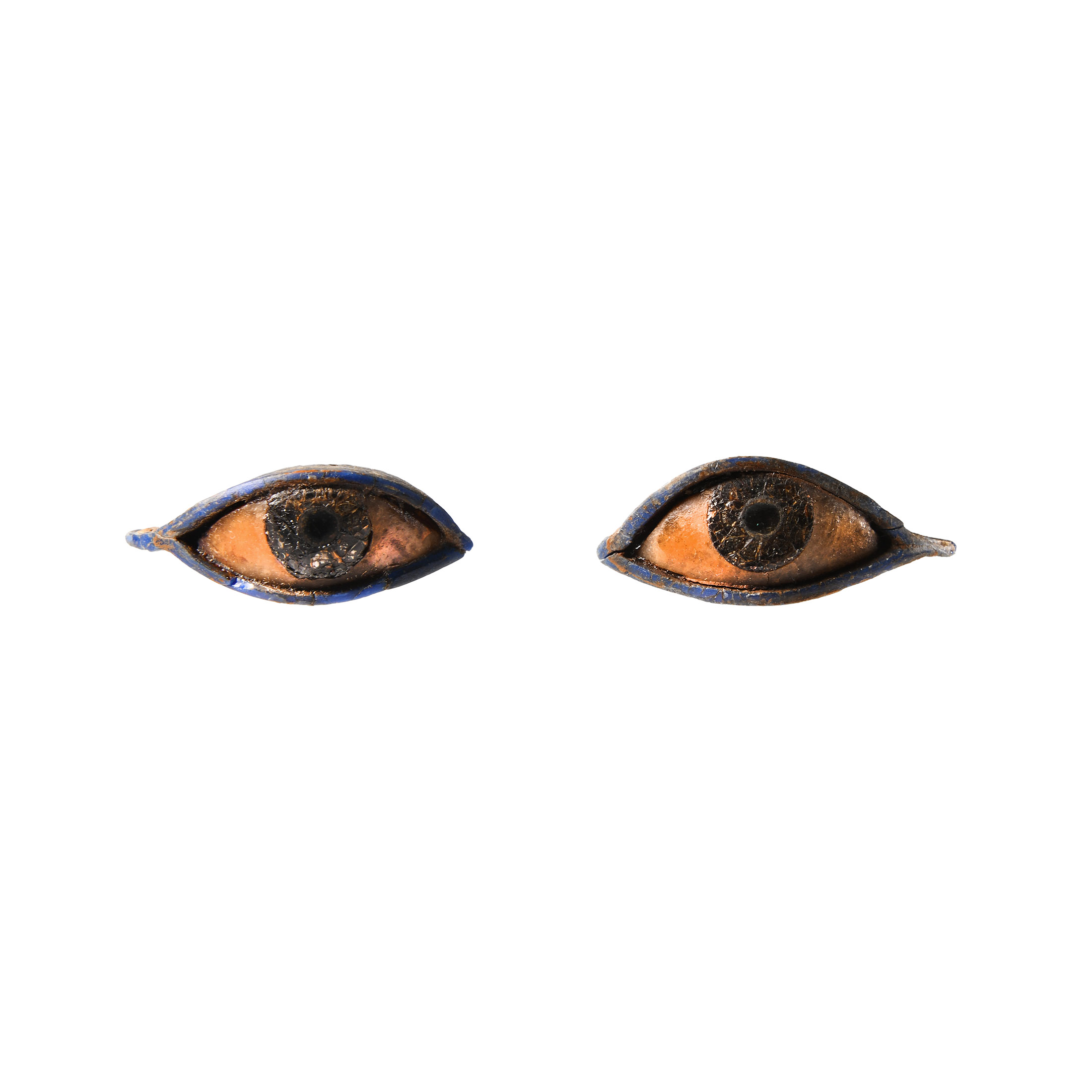
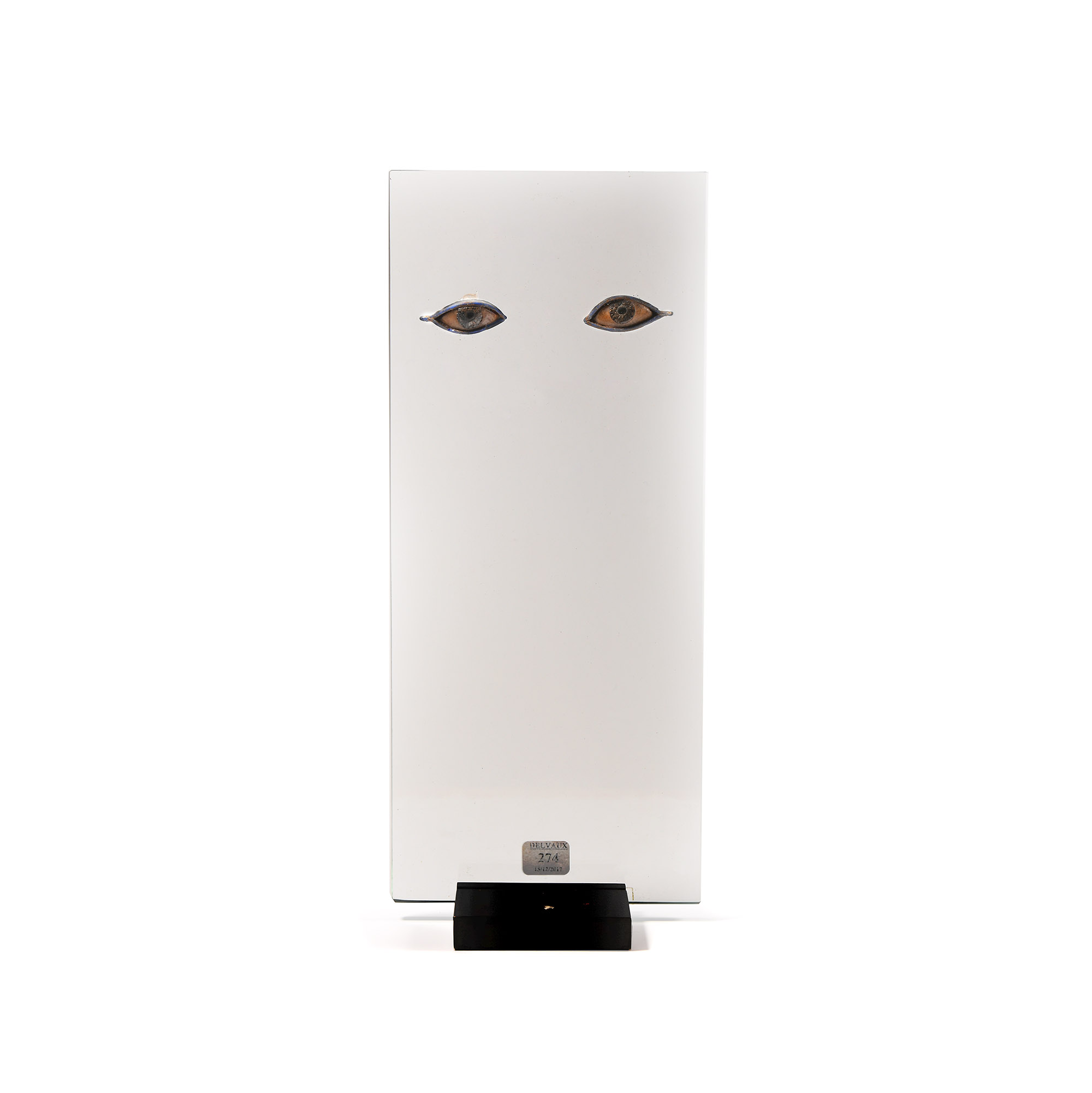
Egyptian Glass Eye Pair
PTOLEMAIC PERIOD, 332-30 B.C.
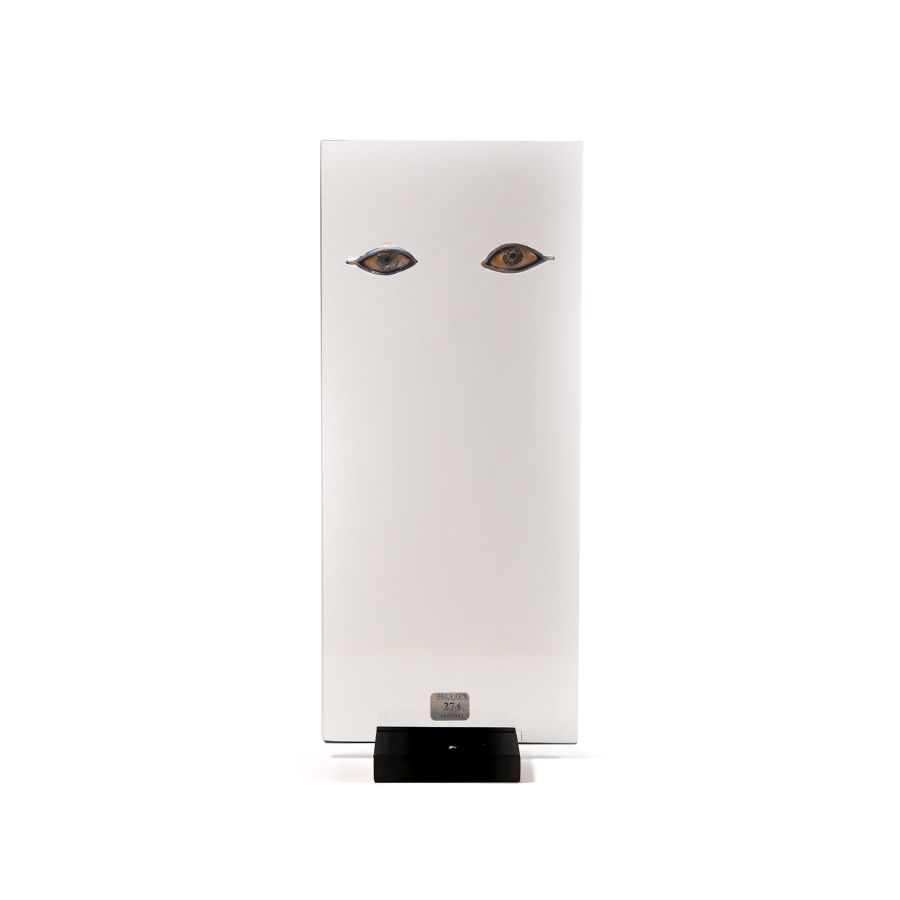
14 in. (1.3 kg total, 35.5 cm high including stand).
A pair of glass eye inlays from a mummy case, brown glass irises, painted black pupils and lateral tear ducts; mounted on a custom-made glass stand.
ProvenanceFrench collection, 1960s-early 2000s.
From an important Paris gallery, France.
with Jean Marc Delvaux SVV, 15 December 2017, lot 274.
See Andrews, C., Amulets of Ancient Egypt, London, 1994, p.69, for discussion.
CONDITIONTimeLine Auctions follows a vetting process to ensure the authenticity and legality of all items, reinforcing our commitment to integrity and responsible trading. Each antiquity, antique, and coin lot undergoes thorough examination by a vetting committee of at least ten external specialists, professional trade association members, scientists, and archaeologists: Our Vetting Process
AUCTIONS:
TimeLine is a leading auction house specialising in antiquities, ancient art, collectables, natural history, coins, medals, and books. Our auctions offer museums, collectors, historians, and enthusiasts the opportunity to acquire unique and historically significant pieces.
LOT 0036
Egyptian Glass Eye Pair
Estimate £1,000 - 1,400€1,160 - 1,620 (for guidance only)$1,350 - 1,890 (for guidance only)
-
Egyptian Wooden Shabti
New Kingdom, 19th-20th Dynasty, circa 1315-1081 B.C.Sold for (Inc. bp): £286
A carved wood shabti figure modelled mummiform with arms folded across the chest and wearing a tripartite wig, painted detailing to the front and rear of the body; remains of polychrome pigmentation. 46 grams, 19 cm high
Acquired early 1990s. Ex private American collection; thence by descent. Private Swiss collection since 1998.
Many crude wooden shabtis of this type were found at Gurob and Sedment; they range from having minimal decoration and no inscription to being entirely painted and inscribed. -
.jpg)
Egyptian Black Hardstone Sphinx
Late Period-Ptolemaic Period, circa 500-31 B.C.Sold for (Inc. bp): £260
An Egyptian or Graeco-Roman hardstone female sphinx modelled in the round, sitting on a sub-rectangular base, her hair tied in a bun on the top of her head, circular socket to the top face behind the head; mounted on a custom-made antique wooden display base. 74 grams total, 50 mm long including base
Fine condition.
From Saqqara in the late 1960s. With John Cummings, Lincolnshire, UK, 1990s. Acquired 20 May 1997. Property of a South Oxfordshire private collector. Accompanied by an original invoice no.6469 dated 20 May 1997. Accompanied by a scholarly note by Egyptologist Paul Whelan.
This type of sphinx amulet is quite rare in Egypt, for instance, the vast output and variety of amulets identified from the Late Period industrial-scale workshops at Naukratis does not include three-dimensional winged sphinxes, only their image impressed in scarabs, suggesting that this example may have been an import and/or once the possession of a Greek person in Egypt. -
Egyptian Faience Figure of Thoth
26th Dynasty, 664-525 B.C.Estimate: £4,000 - 6,000 (‡+bp*)
Opening Bid: £2,000
A pale green glazed composition figure of Thoth in ibis-head form, plain dorsal pillar, pleated kilt, tripartite wig; old collector's inked accession number 'E.1000' to the reverse; repaired. 44.7 grams, 88 mm high
Ex Roger Liechti collection, Geneva, Switzerland. This lot has been checked against the Interpol Database of stolen works of art and is accompanied by search certificate no.11595-199013.
One of the most prominent of the ancient Egyptian gods, Thoth was associated with writing, magic and wisdom, and was credited with founding a number of branches of knowledge including law, religion and science. He is believed to have been self-created or grown from the seed of Horus from the forehead of Set. As the son of the gods of order and chaos, he was also the god of equilibrium. As such, he was considered a just and infallible judge. Worshipped from the Pre-Dynastic to the Ptolemaic Period, Thoth was one of the longest, continuously worshipped gods from any civilisation. Thoth's Egyptian name was Djehuty (also dhwty) meaning ‘He Who is Like the Ibis’, a sacred bird in ancient Egypt as well as a popular pet associated with wisdom.
