
Loading, please wait...
LOT 0031
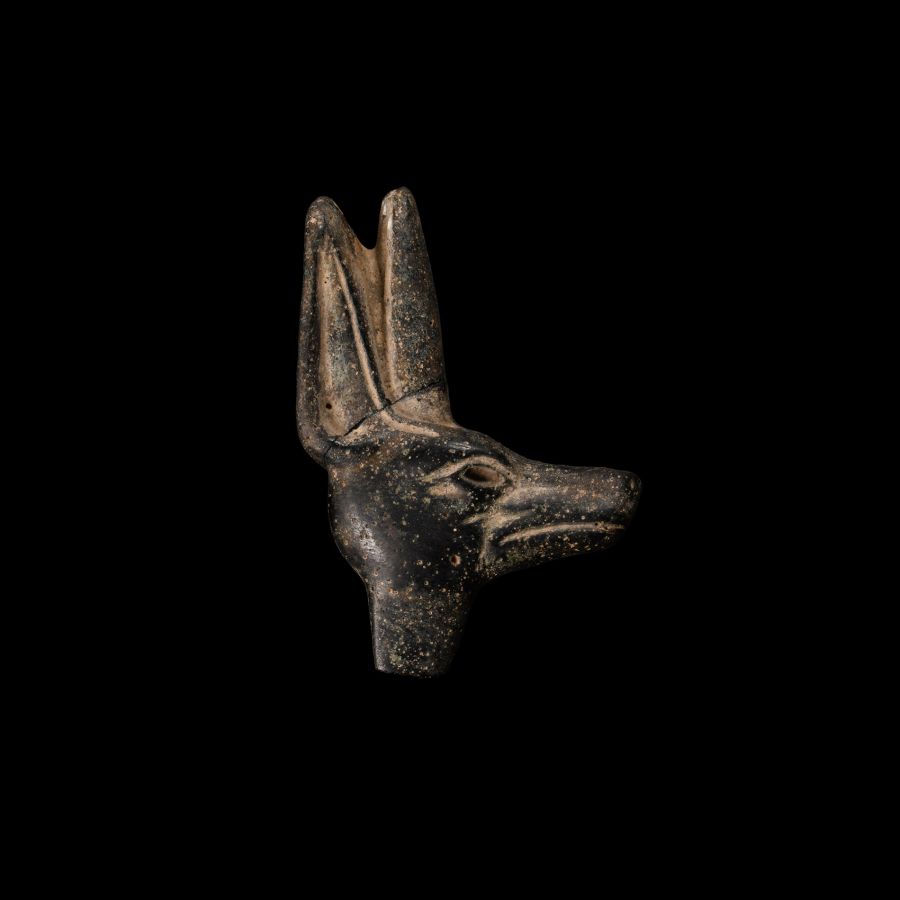
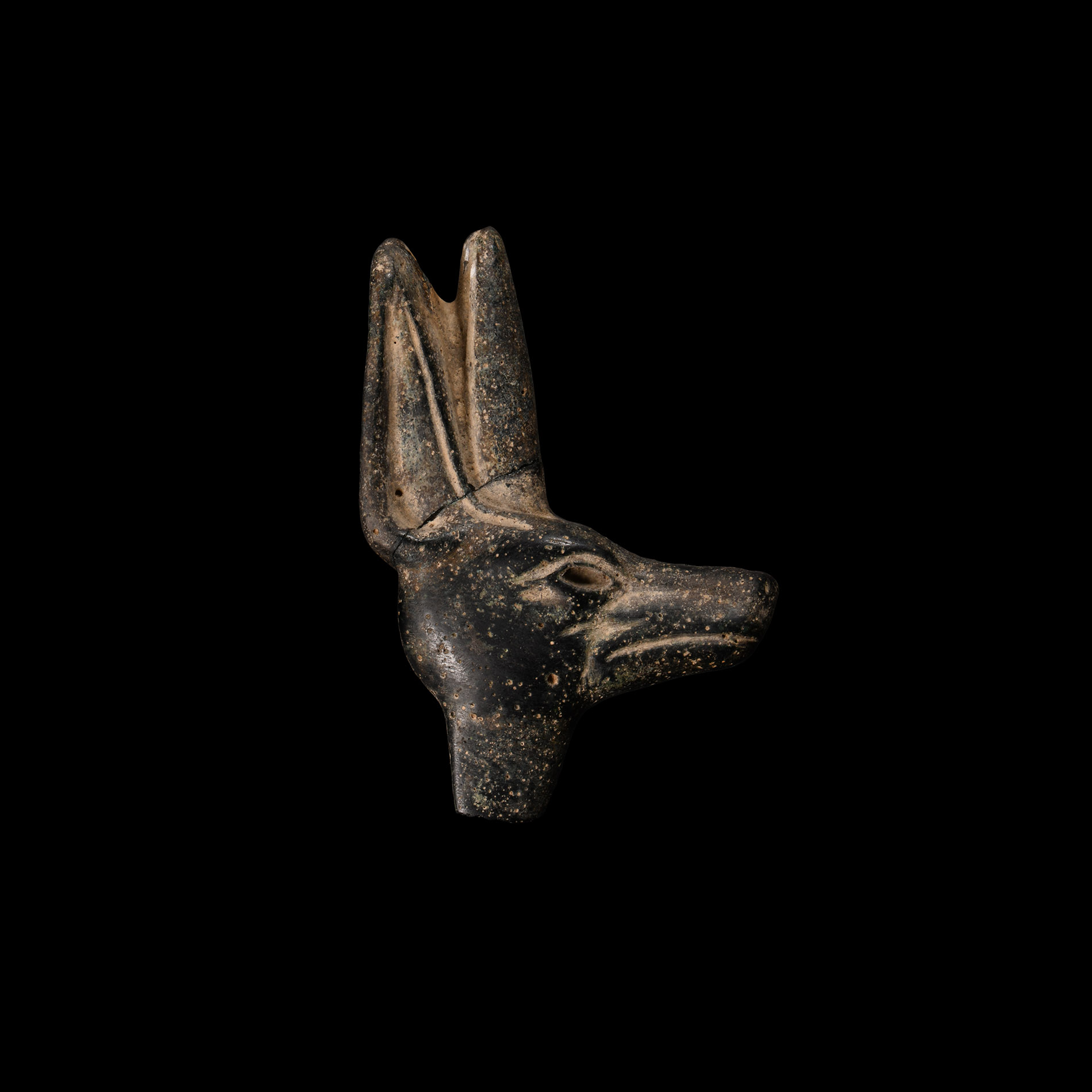
Egyptian Glass Anubis Head Inlay
LATE PERIOD, 664-332 B.C.
2 1/4 in. (19.2 grams, 58 mm high).
An opaque black glass inlay in the form of the head of Anubis in jackal form; repaired.
ProvenanceFrench collection, 1960s-early 2000s.
From an important Paris gallery, France.
Cf. Hornung, E. and Bryan, B.M., The Quest for Immortality: Treasures of Ancient Egypt, Munich/London/New York, 2002, pp.190-91, no. 96, for two closely comparable Anubis heads from a composite inlay (Cairo Museum, inv. nos. TR 21-12-26-19/1, 19/2).
CONDITIONTimeLine Auctions follows a vetting process to ensure the authenticity and legality of all items, reinforcing our commitment to integrity and responsible trading. Each antiquity, antique, and coin lot undergoes thorough examination by a vetting committee of at least ten external specialists, professional trade association members, scientists, and archaeologists: Our Vetting Process
AUCTIONS:
TimeLine is a leading auction house specialising in antiquities, ancient art, collectables, natural history, coins, medals, and books. Our auctions offer museums, collectors, historians, and enthusiasts the opportunity to acquire unique and historically significant pieces.
-
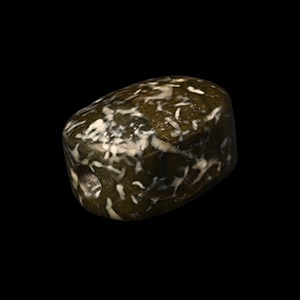
Phoenician Scaraboid
6th-4th century B.C.Estimate: £100 - 140 (+bp*)
Opening Bid: £50
A polished stone scaraboid drilled horizontally for suspension; incuse schematic animal on base. 1.5 grams, 12 mm
Acquired 1969-1999. London collection of the late Mr S.M., thence by descent. -
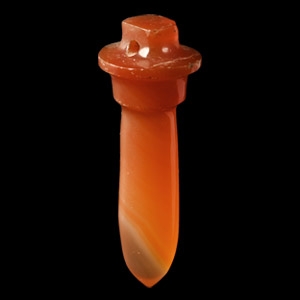
Egyptian Carnelian Papyrus Amulet
New Kingdom, 19th Dynasty, 1296-1186 B.C.Sold for (Inc. bp): £572
A carnelian amuletic papyrus stalk pendant, colour graduated along the stem. 2.4 grams, 29 mm
Private collection, acquired 1999. -
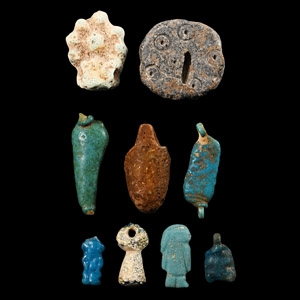
Egyptian and Roman Period Amulet Collection
1st millennium B.C. and laterSold for (Inc. bp): £124
A mixed group of mainly composition and glass amulets, most with piercings or loops for suspension; including glazed fruit, figures, amulets with geometric motifs and others. 8.9 grams total, 11-23 mm
From an early 20th century UK collection.
