
Loading, please wait...
LOT 0443
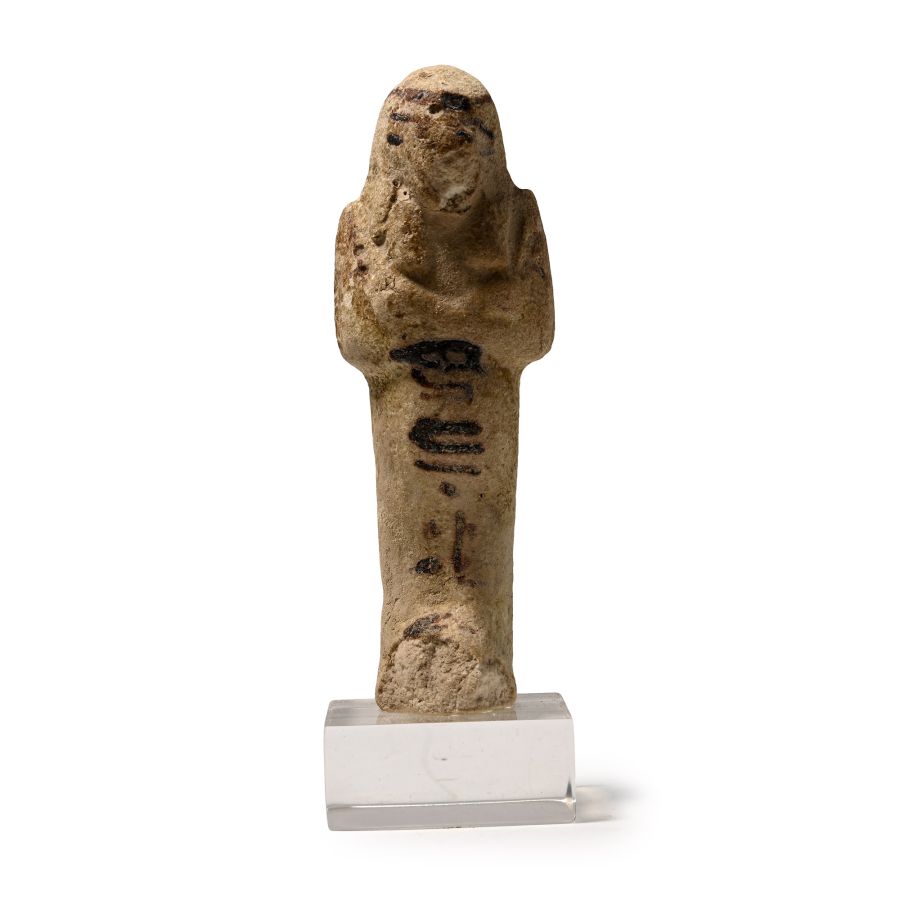
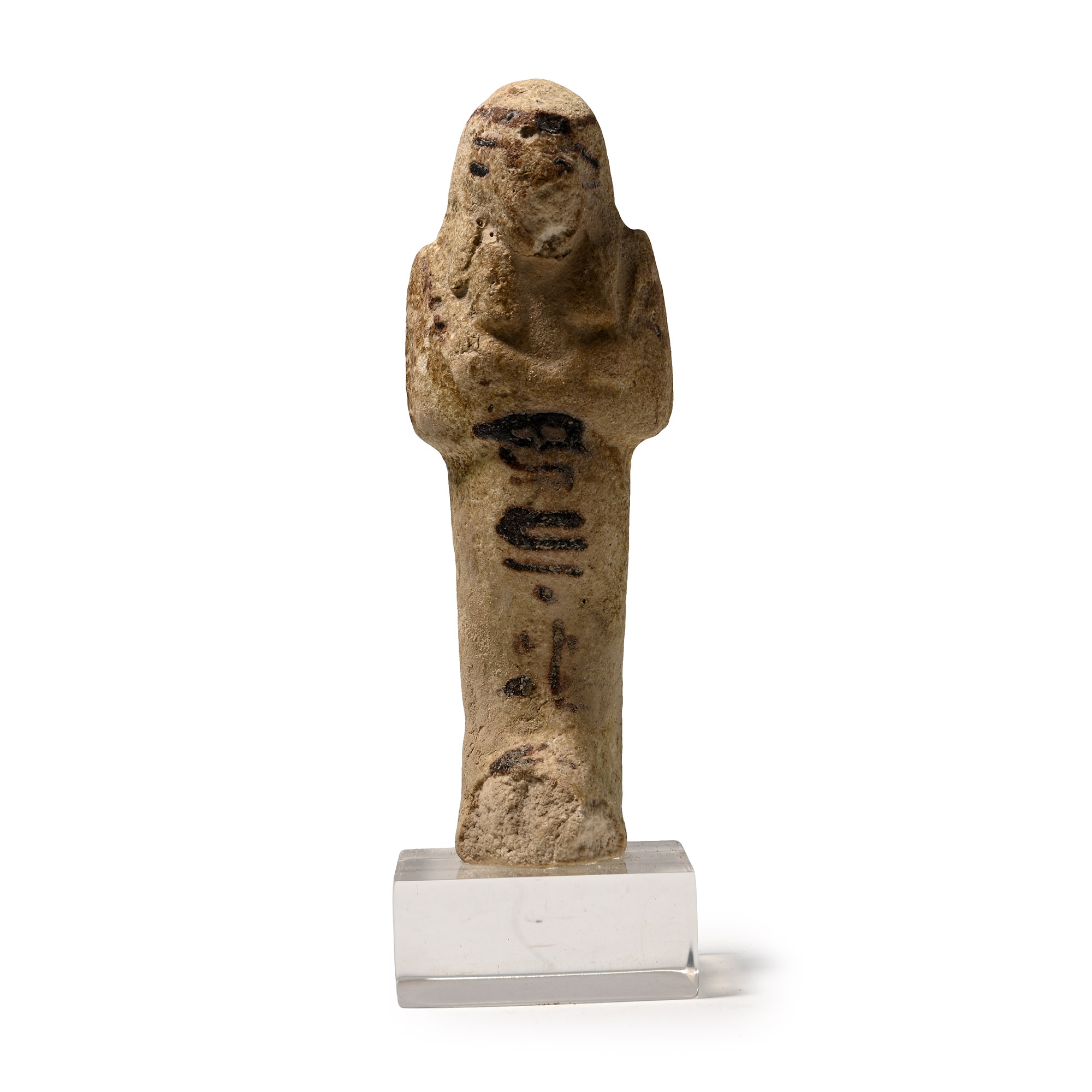
Egyptian Faience Shabti of Tent-Aset
THIRD INTERMEDIATE PERIOD, 22ND DYNASTY, CIRCA 945-715 B.C.
4 5/8 in. (90 grams total, 11.7 cm including stand).
Mummiform figure depicted with a tripartite wig and holding two hoes in crossed hands, with a painted seed-bag on the reverse and a headband, and a hieroglyphic legend on the lower body naming “The Osiris, Tent-Aset, justified”; repaired; mounted on a perspex base. [No Reserve]
ProvenanceFrom the collection of David Donlan (1947-2025), a dedicated and lifelong collector with a passion for the ancient world and the natural sciences, forming his collection from 1960s onwards, using many reputable dealers across the United Kingdom, including the well-regarded Coincraft and The Parthenon Gallery.
LiteratureCf. Janes, G., The Shabti Collections 5: A Selection from the Manchester Museum, Lymm, 2012, 288-290, for six examples of Tent-Aset shabtis.
CONDITIONTimeLine Auctions follows a vetting process to ensure the authenticity and legality of all items, reinforcing our commitment to integrity and responsible trading. Each antiquity, antique, and coin lot undergoes thorough examination by a vetting committee of at least ten external specialists, professional trade association members, scientists, and archaeologists: Our Vetting Process
AUCTIONS:
TimeLine is a leading auction house specialising in antiquities, ancient art, collectables, natural history, coins, medals, and books. Our auctions offer museums, collectors, historians, and enthusiasts the opportunity to acquire unique and historically significant pieces.
-
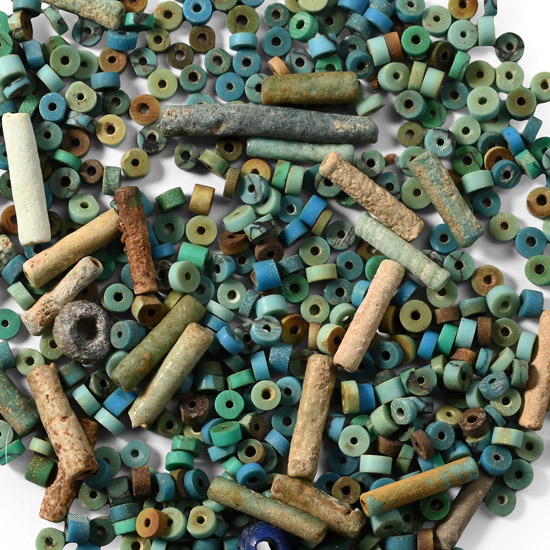
Egyptian Mixed Loose Faience Bead Group
Late-Ptolemaic Period, 664-30 B.C.Sold for (Inc. bp): £143
Comprising mainly tubular and annular beads in blue, cream, green and turquoise colours. 11 grams total, 2-13 mm
Ex early 20th century collection, London, UK. -
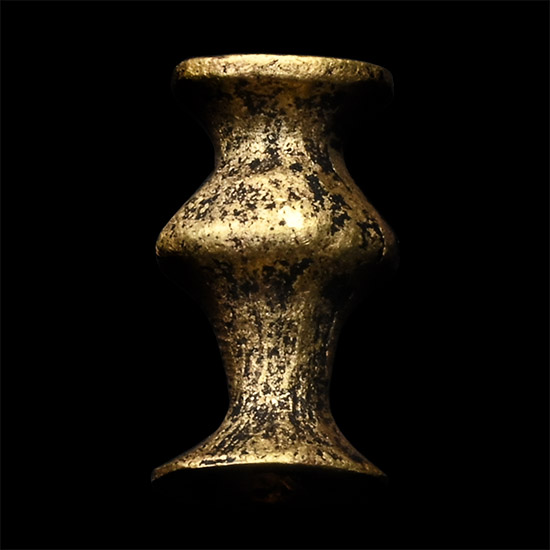
Egyptian Gold Bead Amulet
Late New Kingdom-Third Intermediate Period, circa 1069-900 B.C.Sold for (Inc. bp): £169
Formed as a poppy seed with flaring terminals. 0.91 grams, 9 mm
Ex French art market, 1920s. -
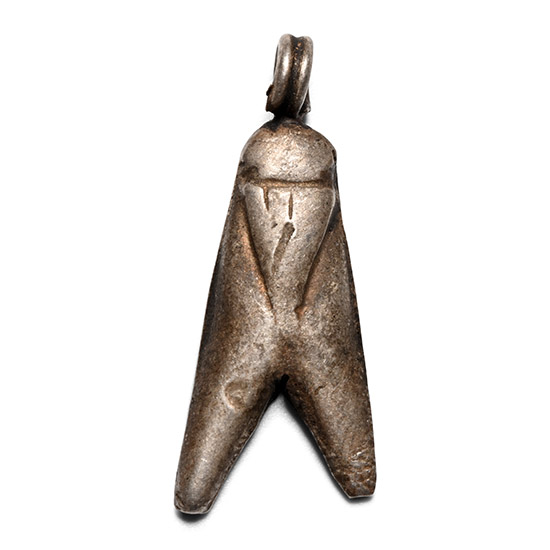
Egyptian Silver Fly Amulet
Late Period, 664-332 B.C.Sold for (Inc. bp): £143
With detailing to the body and head, ribbed suspension loop above the head. 0.94 grams, 19 mm
Ex London, UK, gentleman, 1990s.
Fly amulets were believed to protect against insect bites and to ward off troublesome flying creatures through apotropaic magic. Some believe they may have even symbolised the fly’s fecundity. Additionally, pharaohs would bestow gold fly-shaped pendants as military awards to honour the bravery and persistence of soldiers in battle.
