
Loading, please wait...
LOT 0013
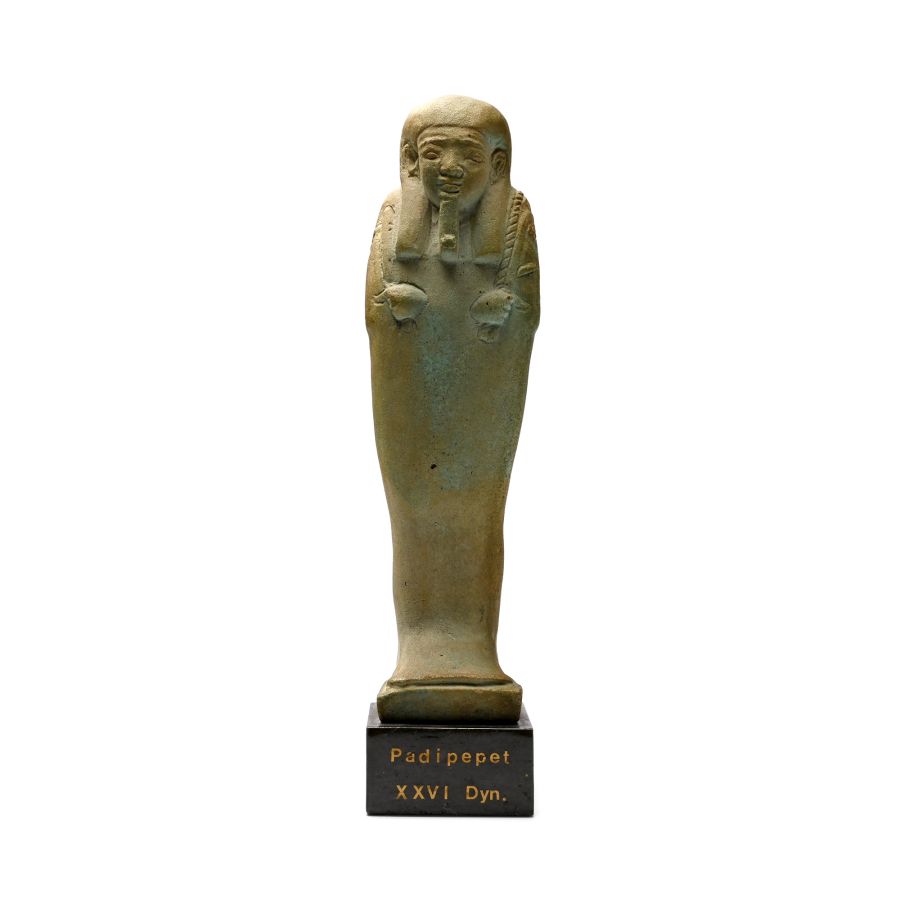
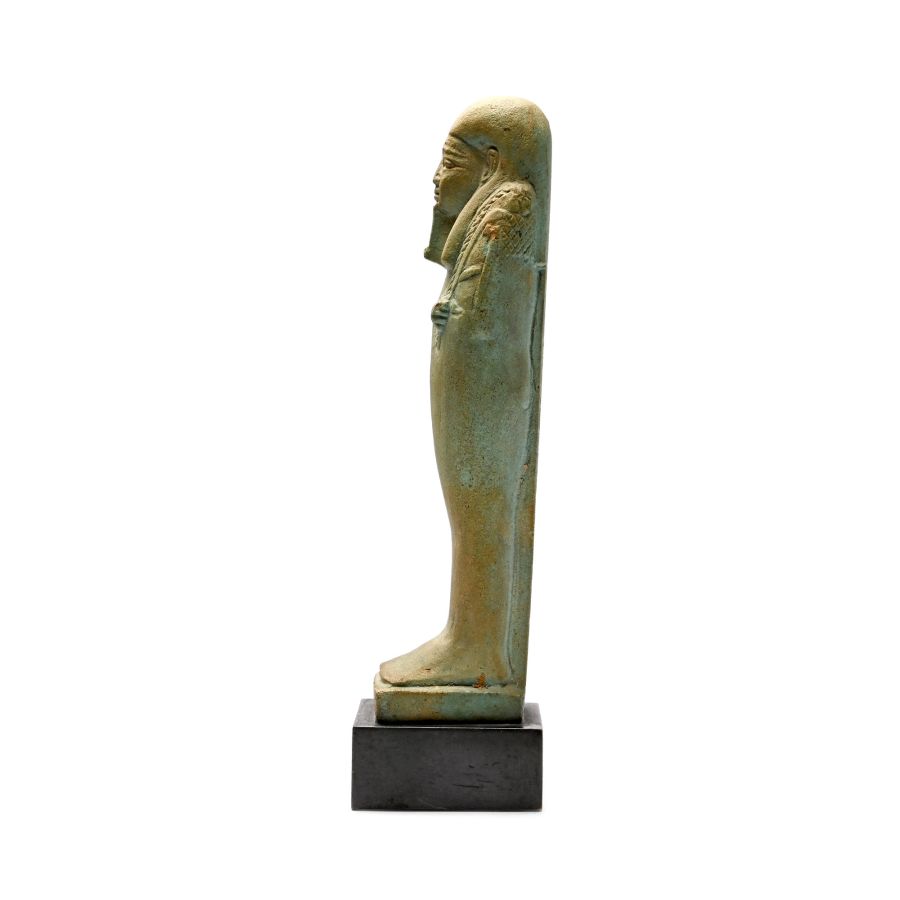
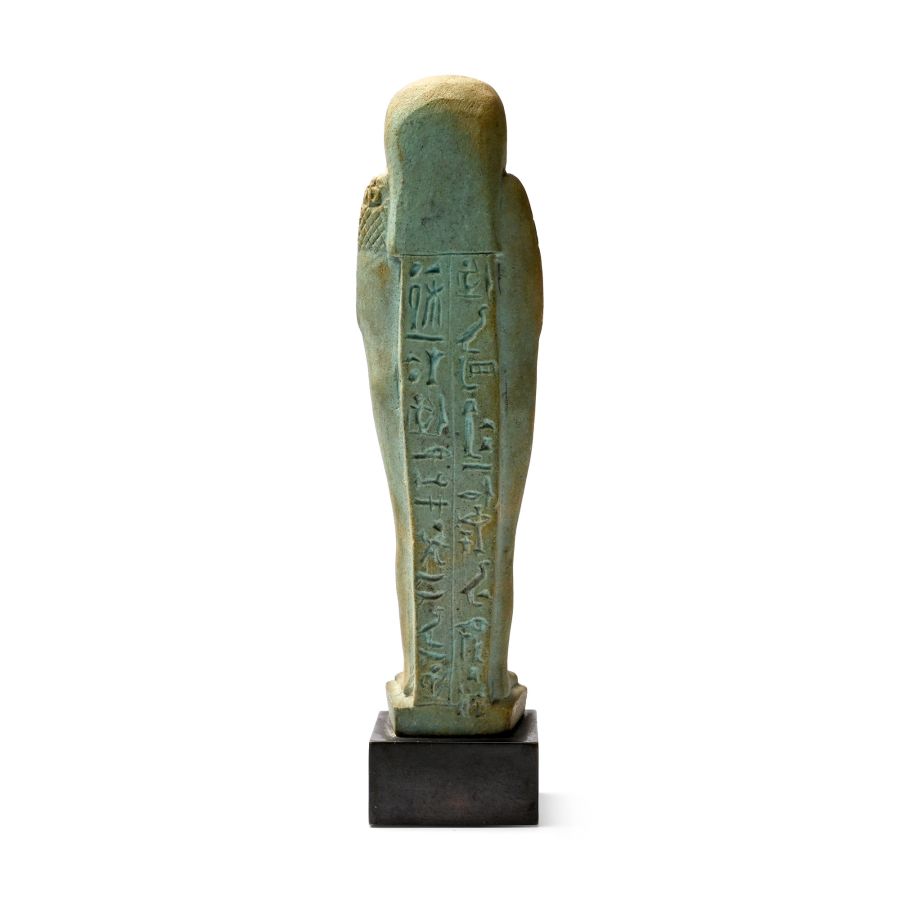
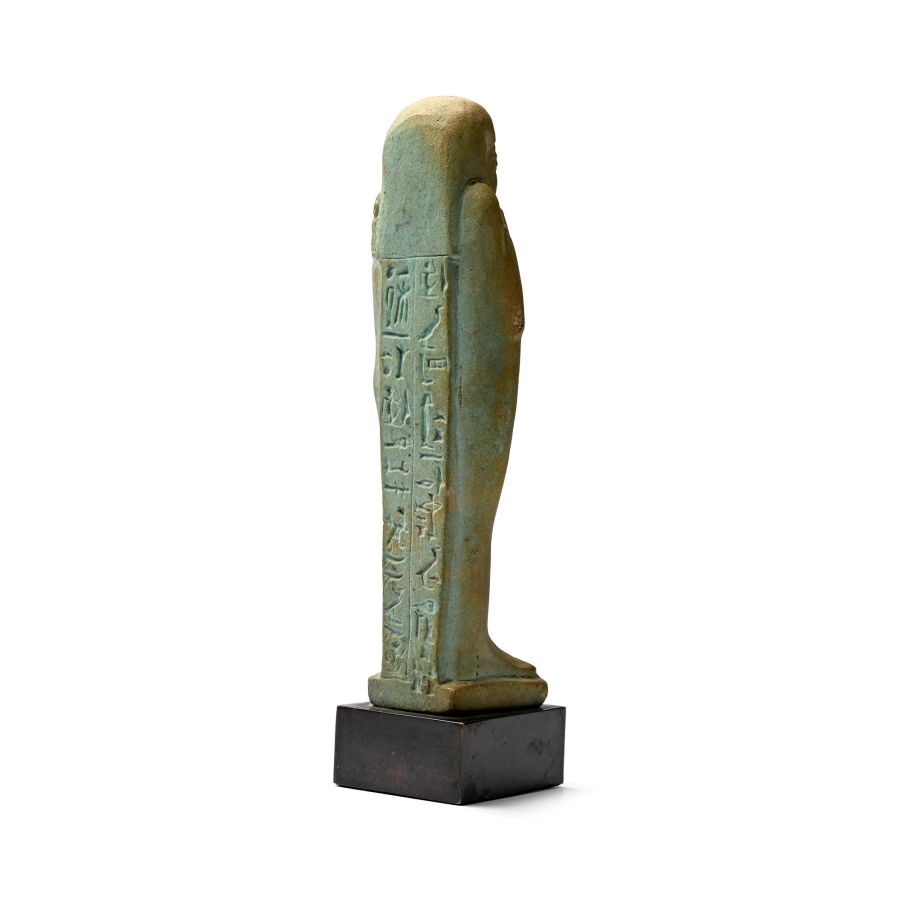
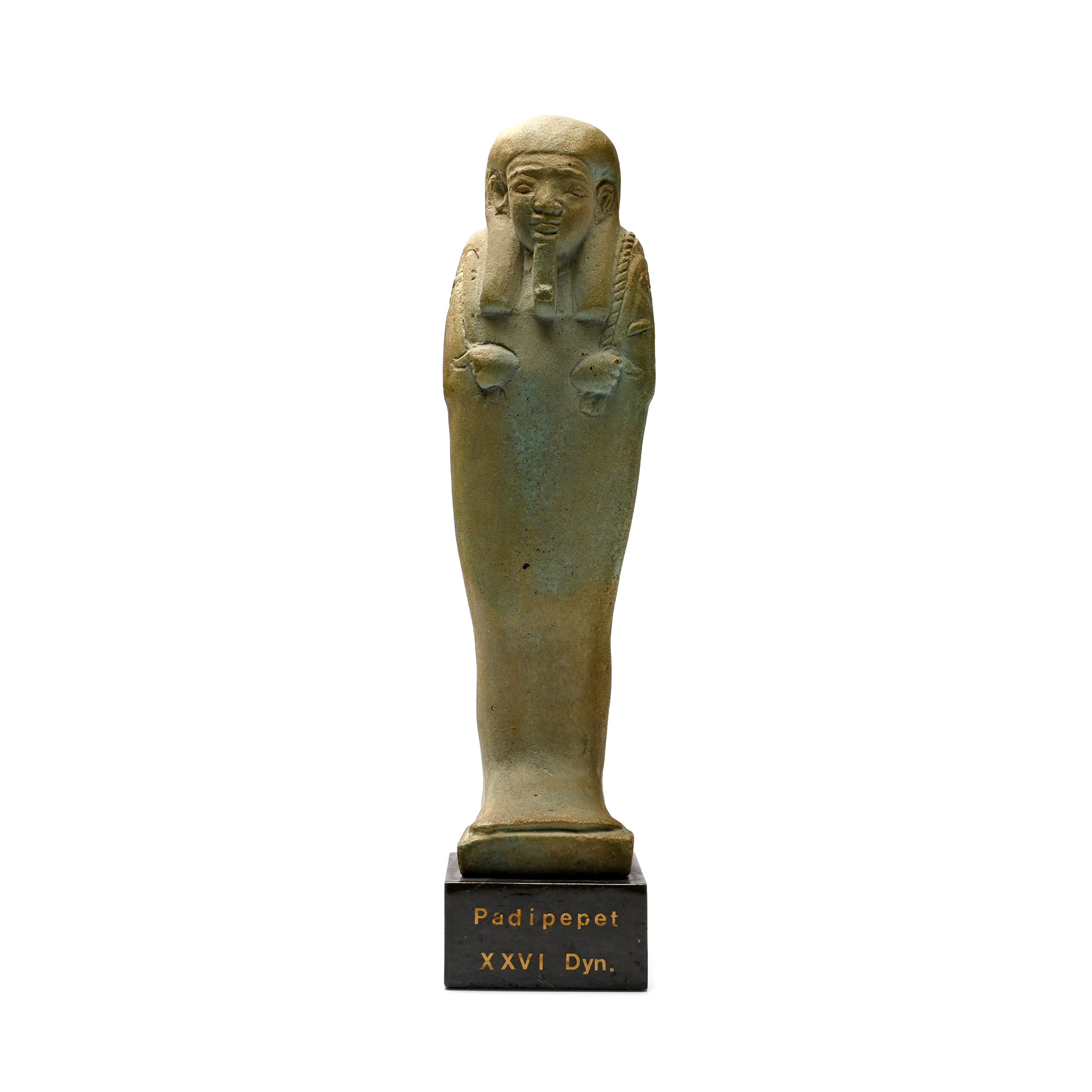
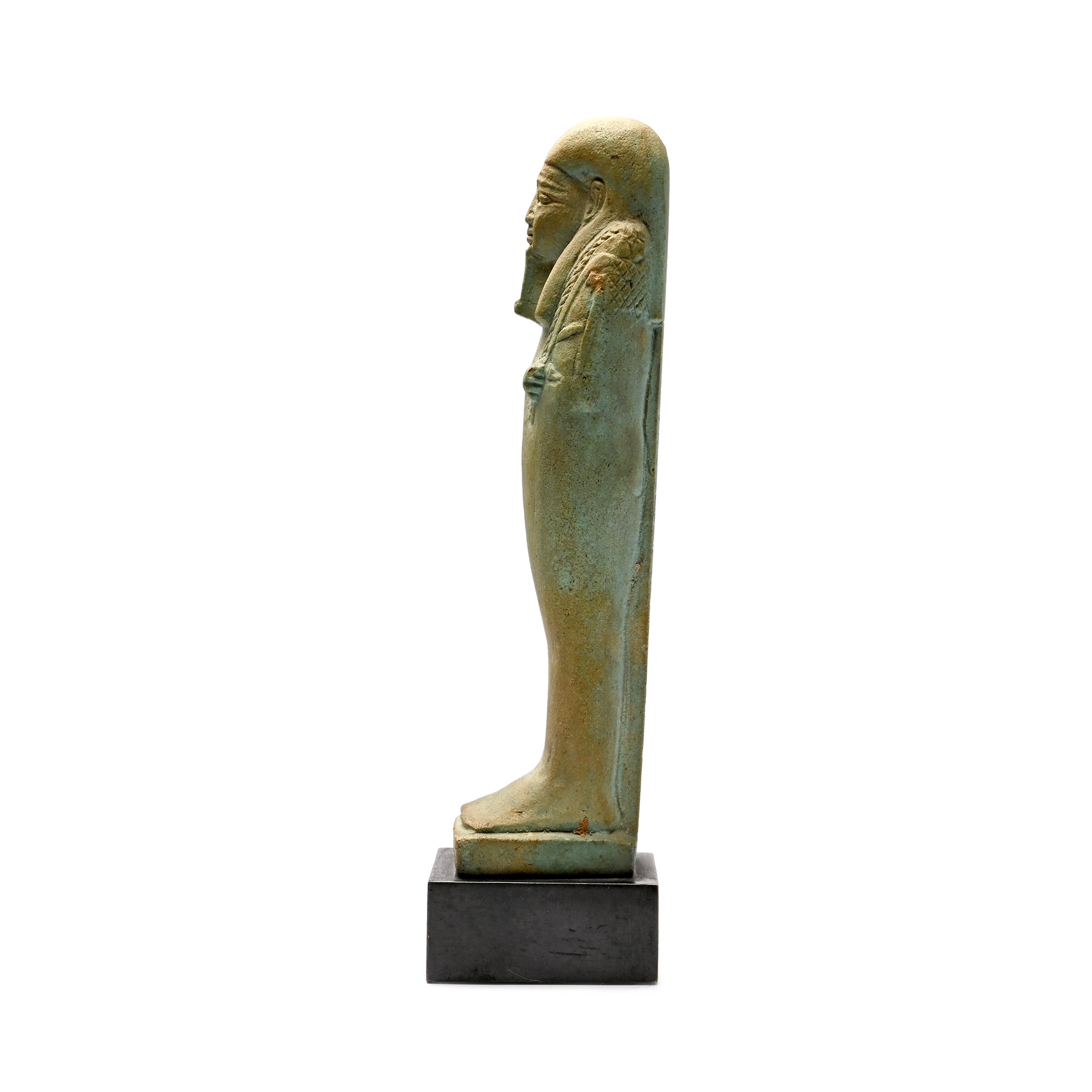
Egyptian Faience Shabti for Padipepet
LATE PERIOD, 26TH DYNASTY, 664-525 B.C.
6 3/4 in. (210 grams, 17 cm).
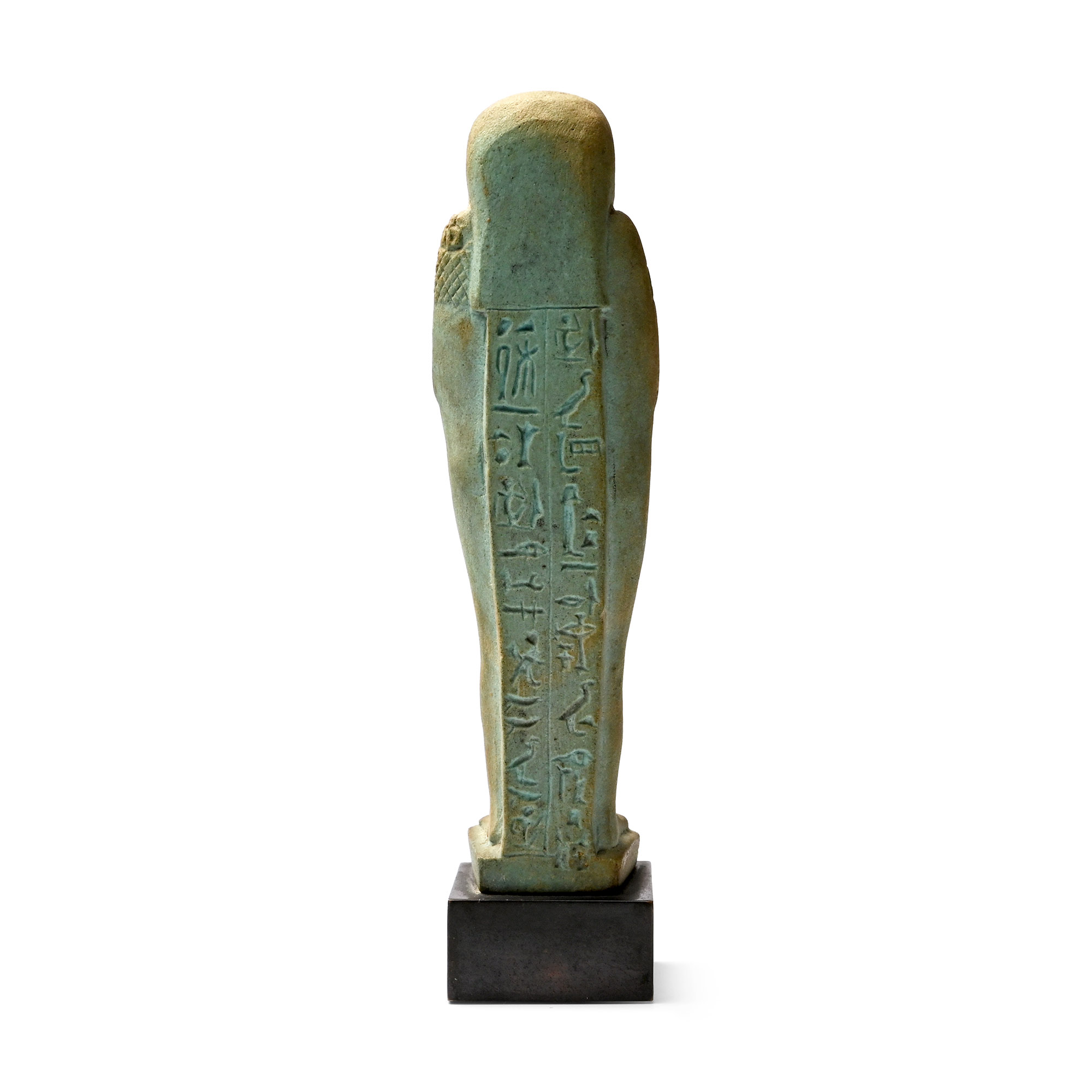
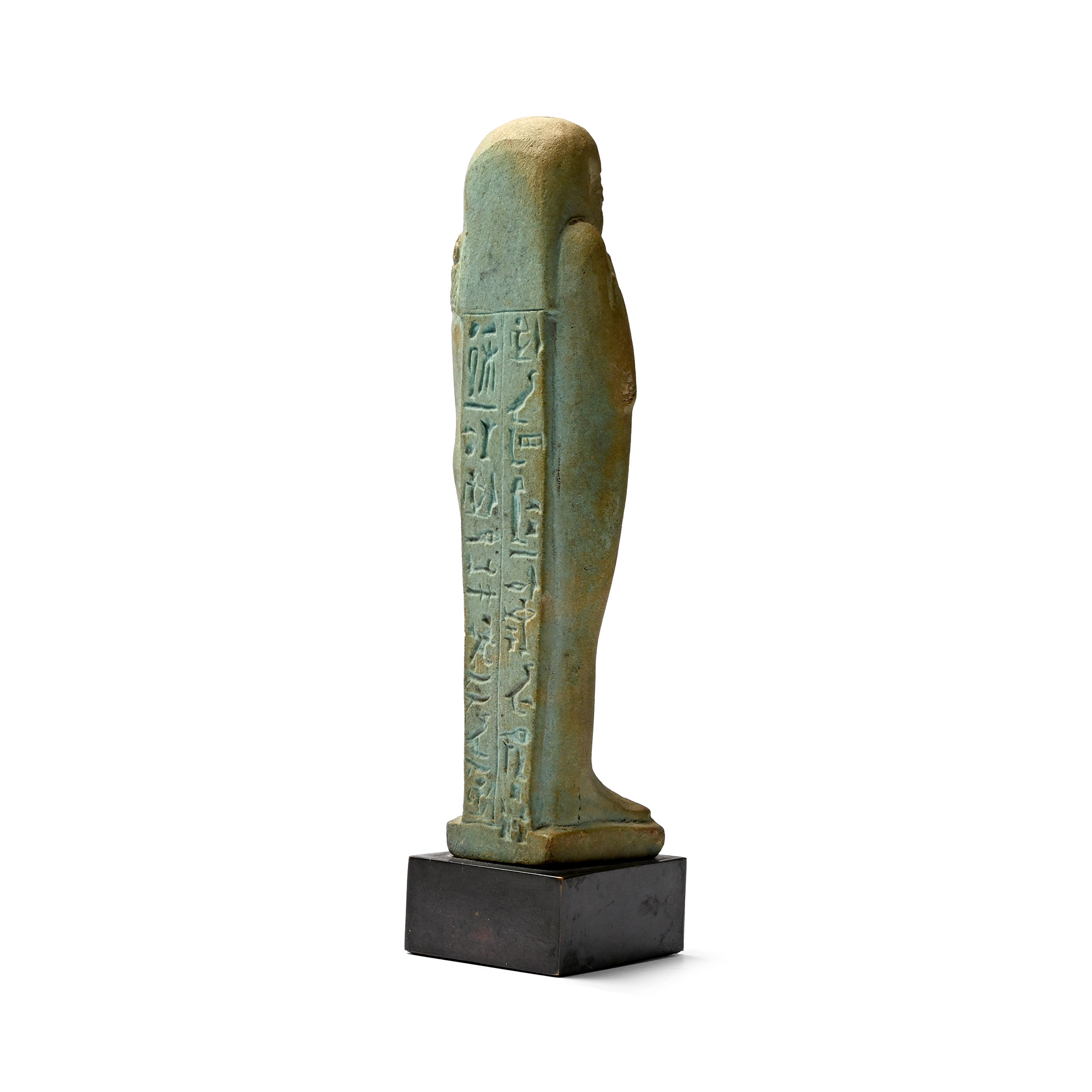
Mummiform figure wearing a tripartite wig and false beard, with arms crossed and hands holding a pick, hoe, and the cord of a seed bag slung over the left shoulder; dorsal pillar with two columns of hieroglyphic text reading: 'O this ushabti, if the Osiris Padipepet, born of Bastet-ir-dis, [is called], 'Behold me' you shall say'; display stand with legend 'Padipepet / XXVI Dyn[asty]'. [No Reserve]
ProvenanceFrom the private collection of a Canadian gentleman living in Essex, UK, formed since the 1920s-circa 1990.
Property of an Essex lady until the late 1990s; thence by descent.
From the private collection of an Essex gentleman since the late 1990s.
This lot is accompanied by an illustrated lot declaration signed by the Head of the Antiquities Department, Dr Raffaele D'Amato.
Cf. Allen, T.G., A Handbook of the Egyptian Collection, Chicago,1923, p. 72 for another shabti of Padipepet in the Art Institute, Chicago.
FootnotesA shabti (also known as ushabti or shawabti) is a small funerary figurine found in ancient Egyptian tombs, dating from around 2000 BCE to 30 BCE. Its primary purpose was to serve as a helper for the deceased in the afterlife, performing manual tasks like farming or irrigation. Shabtis were often inscribed with a magical formula from the Book of the Dead to ensure they would come to life when summoned. The relatively short inscription on this example includes the opening and closing parts of the spell.
CONDITIONTimeLine Auctions follows a vetting process to ensure the authenticity and legality of all items, reinforcing our commitment to integrity and responsible trading. Each antiquity, antique, and coin lot undergoes thorough examination by a vetting committee of at least ten external specialists, professional trade association members, scientists, and archaeologists: Our Vetting Process
AUCTIONS:
TimeLine is a leading auction house specialising in antiquities, ancient art, collectables, natural history, coins, medals, and books. Our auctions offer museums, collectors, historians, and enthusiasts the opportunity to acquire unique and historically significant pieces.
-
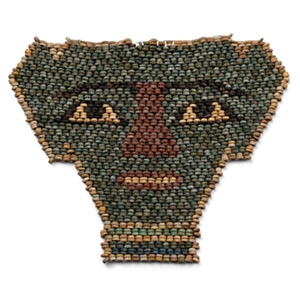
Egyptian Faience Mummy Bead Mask
Ptolemaic Period, 332-30 B.C.Sold for (Inc. bp): £234
A restrung beadwork panel of small glazed composition beads in various colours representing a mummy face mask with false beard. 38.8 grams, 14 cm wide
From the private collection of a Canadian gentleman living in Essex, UK, formed since the 1920s-circa 1990. Property of an Essex lady until the late 1990s; thence by descent. From the private collection of an Essex gentleman since the late 1990s. This lot is accompanied by an illustrated lot declaration signed by the Head of the Antiquities Department, Dr Raffaele D'Amato. -
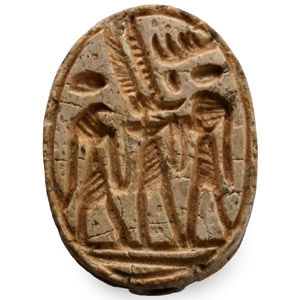
Egyptian Stone Scarab
Late Period, 664-332 B.C.Sold for (Inc. bp): £169
Incised detailing to the carapace and legs, pierced longitudinally; underside with three deities (possibly Amun-Ra, flanked by figures of Re). 3.74 grams, 20 mm
From the Gustave Mustaki collection before 1948. Ex London, UK, gallery. From a private UK collection. This lot is accompanied by an illustrated lot declaration signed by the Head of the Antiquities Department, Dr Raffaele D'Amato. -
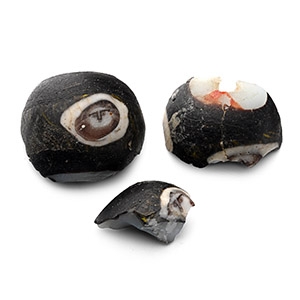
Phoenician Glass Eye Bead Fragments
1st century B.C.-1st century A.D.Sold for (Inc. bp): £124
Glass fragments from spherical beads with eyes within a white panel on black field. 6.9 grams, 15-18 mm
From the collection of a gentleman, acquired on the London art market in the 1990s. This lot is accompanied by an illustrated lot declaration signed by the Head of the Antiquities Department, Dr Raffaele D'Amato.
