
Loading, please wait...
LOT 0040
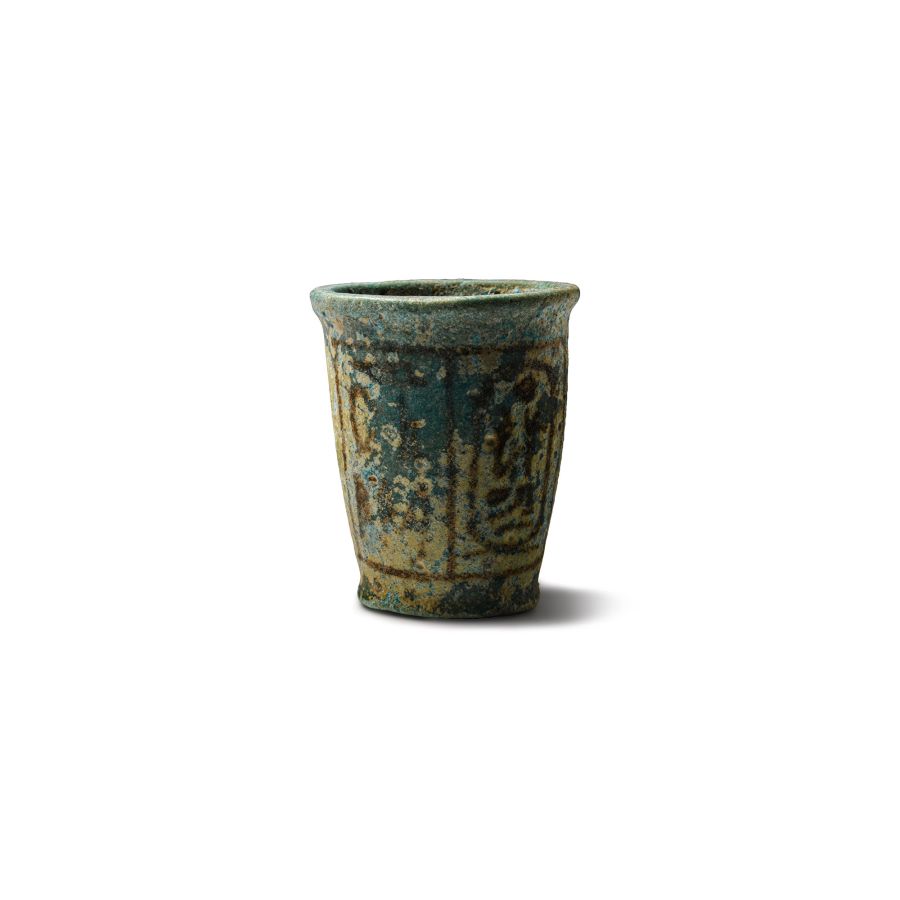
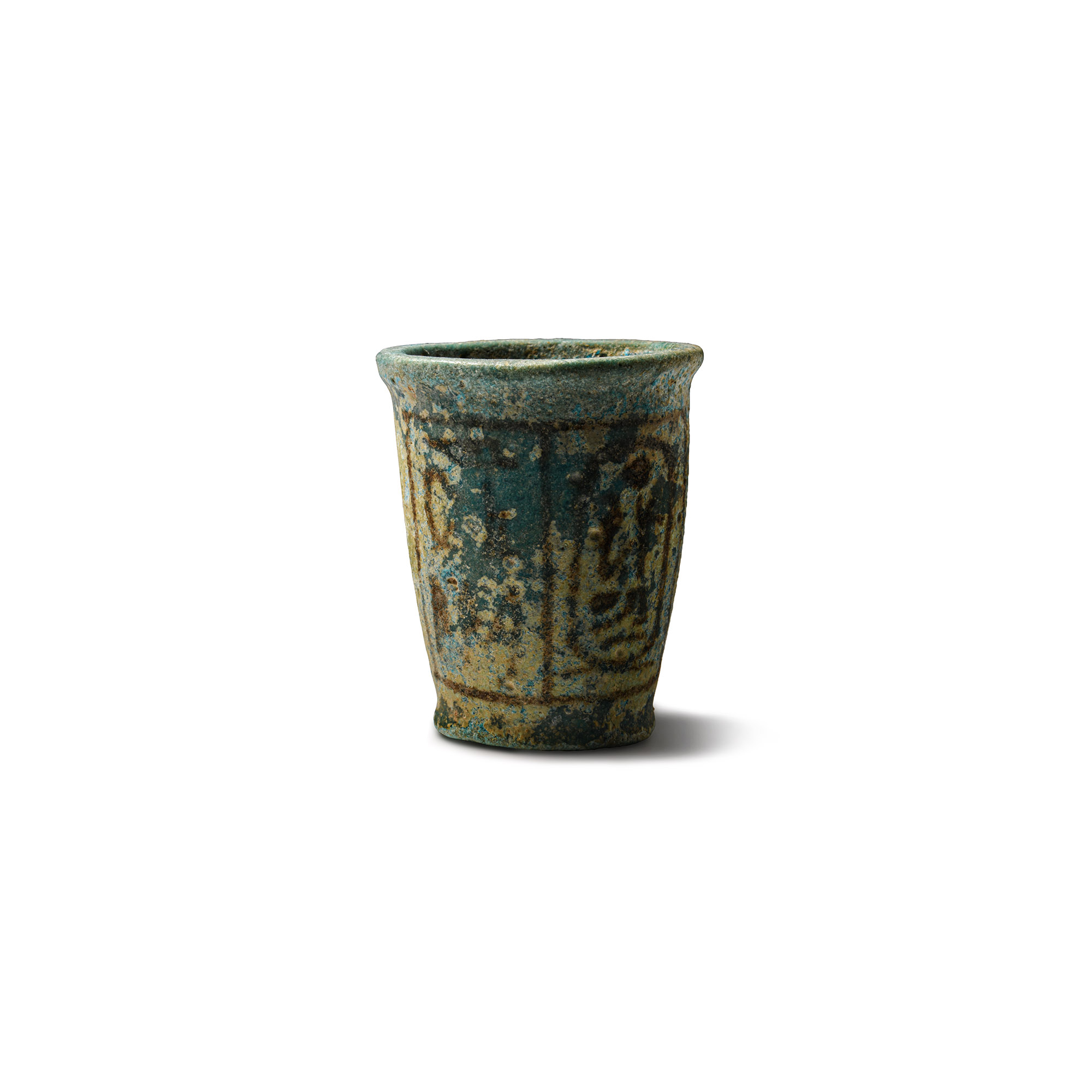
Egyptian Faience Ramesses II Offering Cup
1279-1213 B.C.
1 3/4 in. (31 grams, 45 mm).
Glazed blue and painted with two conjoined rectangular panels containing the king's cartouches.
ProvenanceAcquired in Europe before 1994.
FootnotesAlso known as Ramses the Great, famed for his building projects and military achievements, this king was the second longest reigning in Egyptian history, ascending the throne at age 13 and remaining there for around 67 years.
CONDITIONTimeLine Auctions follows a vetting process to ensure the authenticity and legality of all items, reinforcing our commitment to integrity and responsible trading. Each antiquity, antique, and coin lot undergoes thorough examination by a vetting committee of at least ten external specialists, professional trade association members, scientists, and archaeologists: Our Vetting Process
AUCTIONS:
TimeLine is a leading auction house specialising in antiquities, ancient art, collectables, natural history, coins, medals, and books. Our auctions offer museums, collectors, historians, and enthusiasts the opportunity to acquire unique and historically significant pieces.
LOT 0040
Egyptian Faience Ramesses II Offering Cup
Estimate £1,500 - 2,000€1,740 - 2,320 (for guidance only)$2,030 - 2,700 (for guidance only)
-
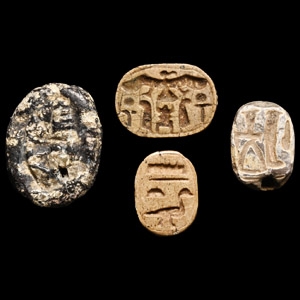
Egyptian Stone Scarab Collection
New Kingdom, 1315-332 B.C. and laterSold for (Inc. bp): £286
Each polished, pierced for suspension and engraved with hieroglyphs or other symbols to the base; three carved with scarab detailing to the upper face. 8.06 grams total, 13-20 mm
Acquired 1980s-1990s. Private collection of H.N., Milton Keynes, Berkshire, UK. -
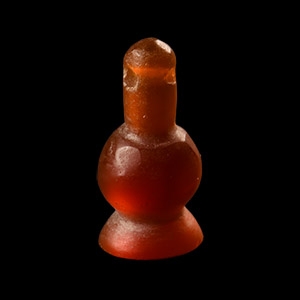
Egyptian Carnelian Poppy Head Amulet
New Kingdom, 18th Dynasty, 1550-1292 B.C.Sold for (Inc. bp): £156
Polished and with integral pierced suspension loop. 0.53 grams, 13 mm
UK gallery, early 2000s. -
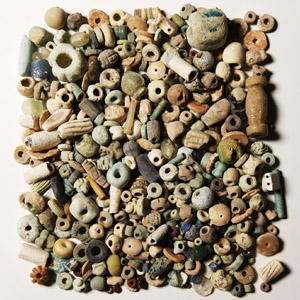
Egyptian and Other Faience Bead Group
New Kingdom, 1315-1060 B.C. and laterSold for (Inc. bp): £117
Decorated with a variety of coloured glazes and including a broad range of bead types. 71 grams total, 1-17 mm
UK gallery, early 2000s.
