
Loading, please wait...
LOT 0401
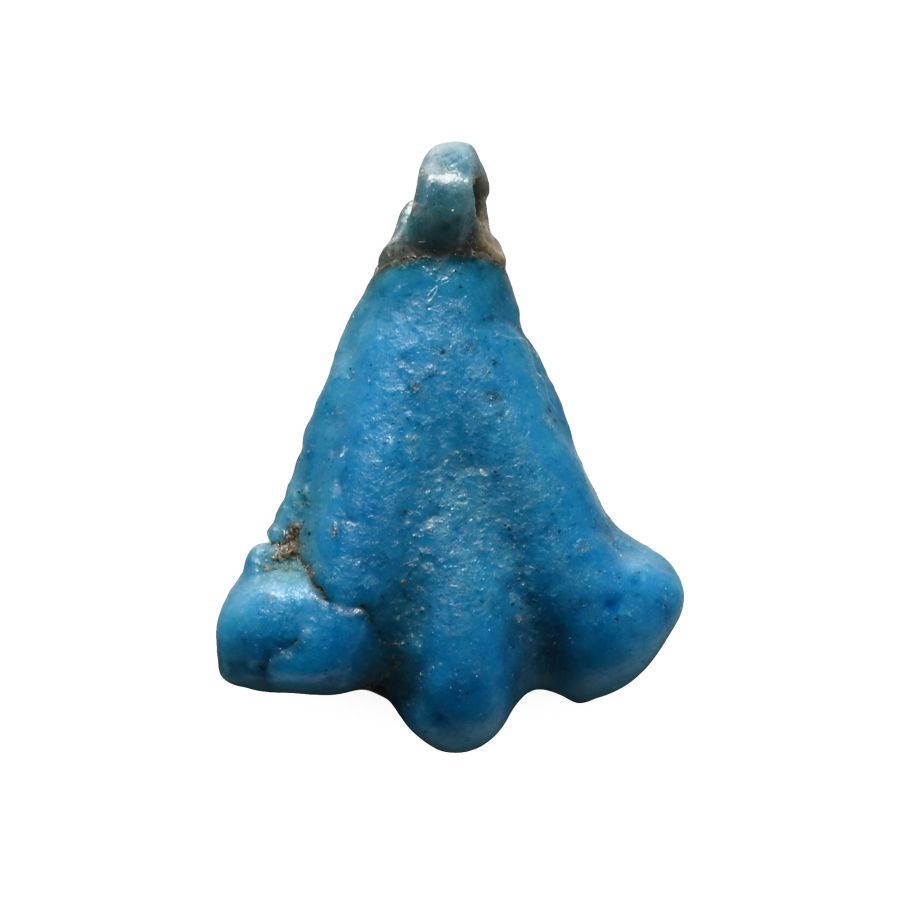
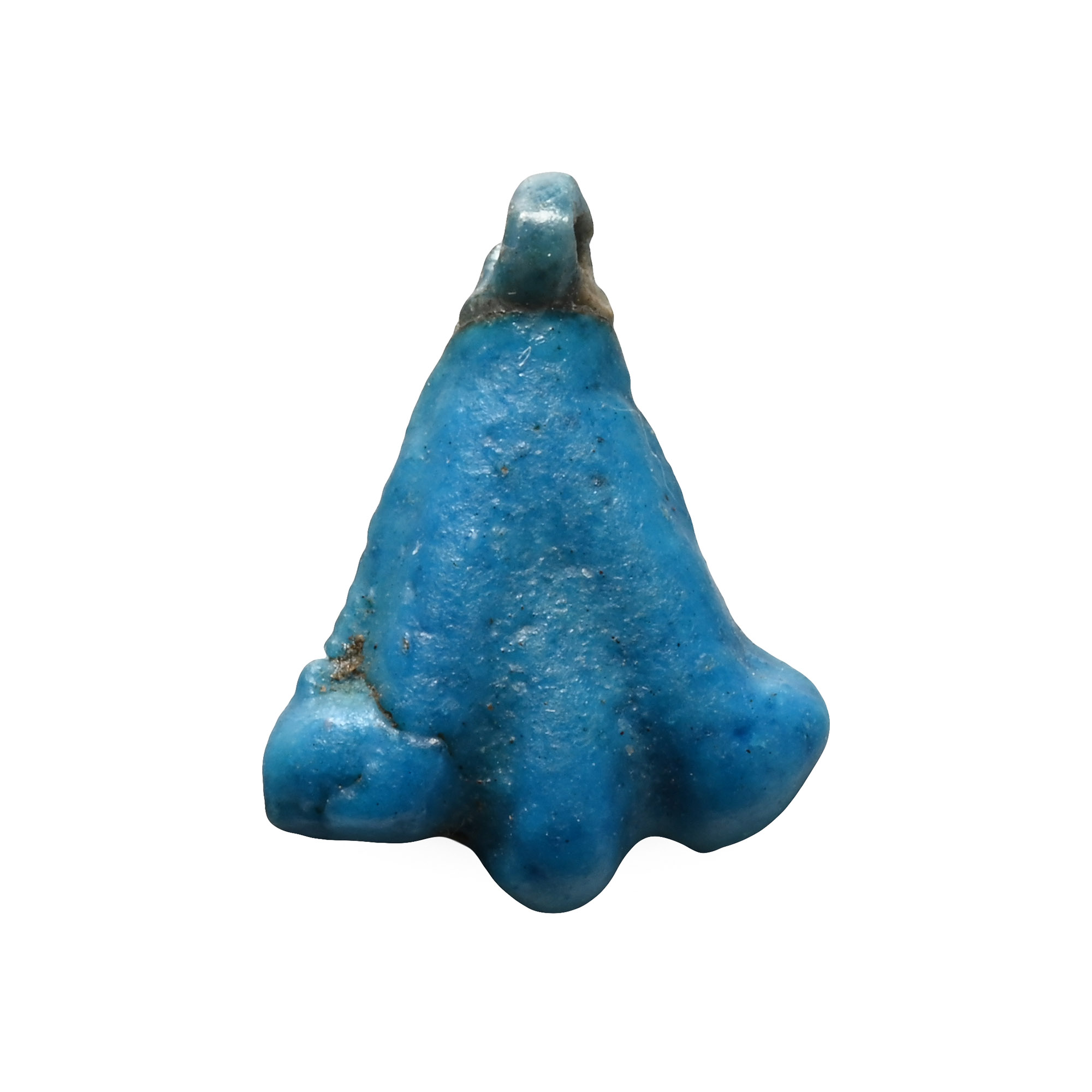
Egyptian Faience Lotus Flower Amulet
18TH DYNASTY, AMARNA PERIOD, 1353-1336 B.C.
1/2 in. (0.26 grams, 14 mm).
A blue glazed composition pendant in the form of a lotus, with some repair to the suspension loop. [No Reserve]
ProvenanceEx early 20th century London collection.
CONDITIONTimeLine Auctions follows a vetting process to ensure the authenticity and legality of all items, reinforcing our commitment to integrity and responsible trading. Each antiquity, antique, and coin lot undergoes thorough examination by a vetting committee of at least ten external specialists, professional trade association members, scientists, and archaeologists: Our Vetting Process
AUCTIONS:
TimeLine is a leading auction house specialising in antiquities, ancient art, collectables, natural history, coins, medals, and books. Our auctions offer museums, collectors, historians, and enthusiasts the opportunity to acquire unique and historically significant pieces.
-
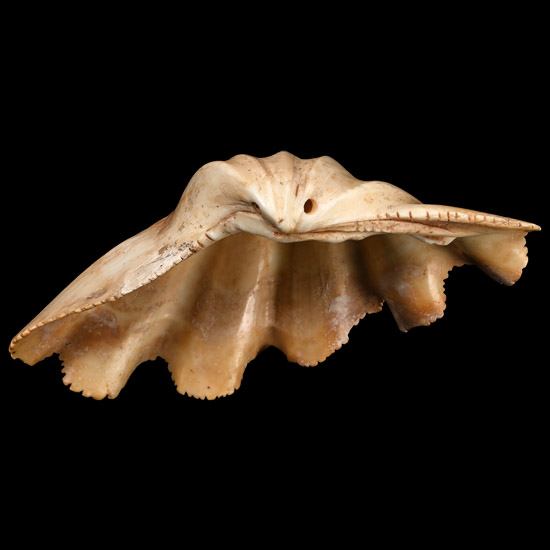
Phoenician Shell Cosmetic Vessel with Carved Eyes
Circa 7th-6th century B.C.Sold for (Inc. bp): £1,170
A tridacna squamosa shell with drilled eyes on the apex, the edges decorated with parallel cuts. 110 grams, 14.6 cm
Acquired before 1983. Ex London gallery, 1990s. Private collection, London, UK. -
.jpg)
Egyptian Basalt Bassinophore Fragments for the Customs Official Wahibre, son of Paeftchawy
Late Period, 26th Dynasty, Reign of Amasis, circa 570-525 B.C.Estimate: £80,000 - 100,000 (+bp*)
Opening Bid: £40,000
Modelled in the round kneeling on an integral base and wearing a broad rounded wig, holding a fragmentary offering basin before him; dorsal pillar engraved with a single vertical column of hieroglyphs, translating: 'The Count, Overseer of the Entrance to the Hill Countries, Chief Supervisor of the Shrines [of Neith], Wahibre, son of Paeftchawy'; upper rim of the basin further inscribed with a ritual formula intended to be recited during the presentation of its contents. 107.7 kg total, figure: 40 cm high, fragments: 47-58 cm wide including stand
For the two basalt sections: UK private collection, formed 1970s-1990s. Princely collection, until 2014; thence to a private foundation. Acquired by the current owner from Rupert Wace, London, UK. For the kneeling basalt figure: European private collection, since the mid-19th century. Sold at Christie’s, New York, 8 June 2001, no.114. Sold at Drouot-Richelieu, Paris (Boisgirard), 14 February 2005, no.313. European private collection, acquired at the above sale; thence by descent to the previous owners. This lot has been checked against the Interpol Database of stolen works of art and is accompanied by search certificate number no.13193-250115.
The figure on this vessel represents the customs official Wahibre, son of Paeftchawy, a well-attested individual known from at least fourteen other sculptures. Additional evidence for Wahibre’s identity is provided by a fragment of his mummiform sarcophagus, found at el-Hagar, within the territory of his native city of Sais. The titles inscribed on his surviving monuments reflect a career that combined priestly responsibilities with significant administrative and military authority. In southern Egypt, Wahibre served as chief customs officer and commanded a contingent of foreign troops tasked with protecting the frontier, probably Greek mercenaries from Caria. -
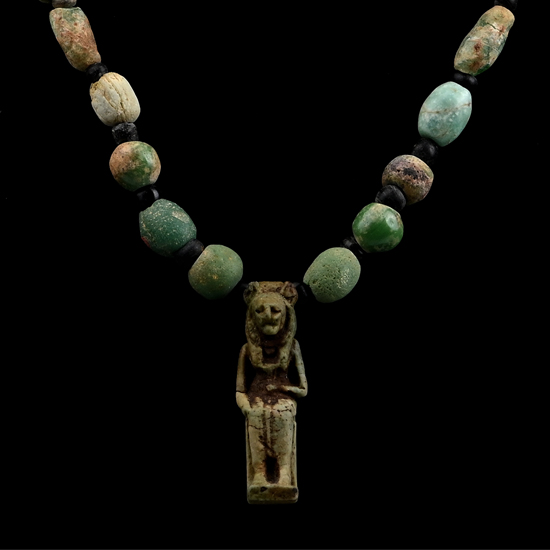
Egyptian Glass Bead Necklace with Large Sekhmet Faience Amulet
Late Period, 664-332 B.C.Sold for (Inc. bp): £546
Restrung group of mosaic glass tubular beads, spherical and other spacer beads, pendant amulet of Sekhmet seated on throne. 26 grams, 35 cm, amulet: 41 mm
From the collection of a gentleman, acquired on the London art market in the 1990s.
