
Loading, please wait...
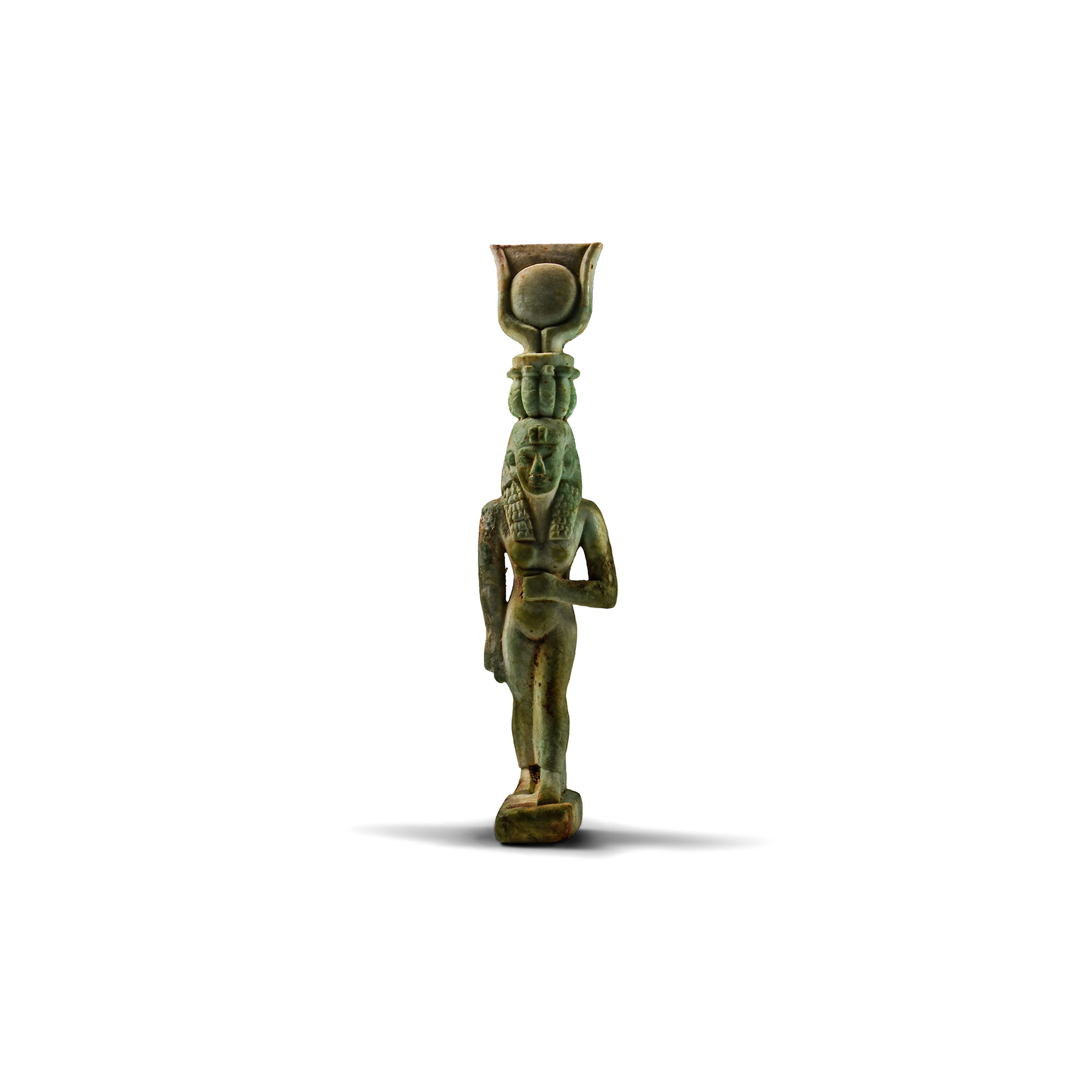
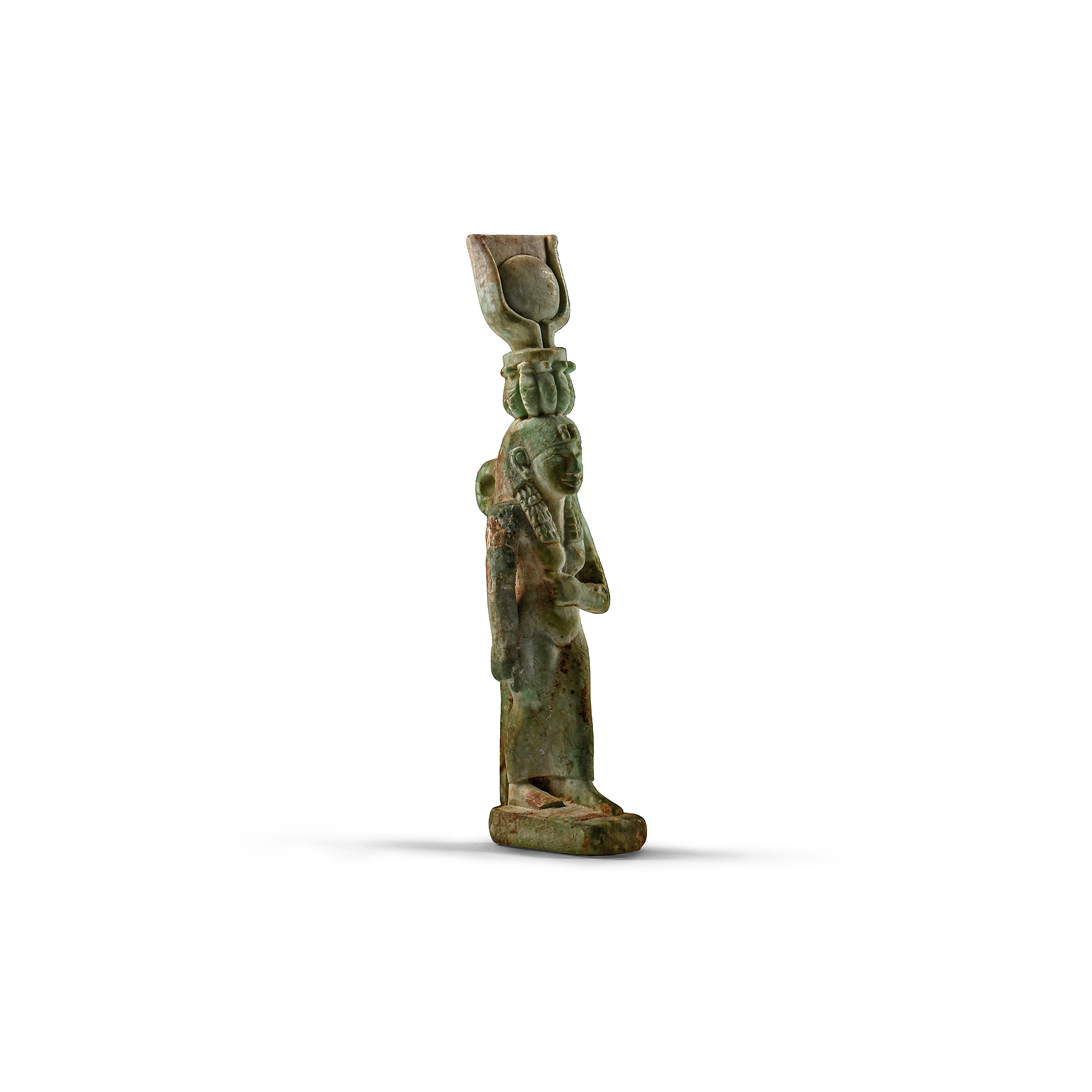
LOT 0023
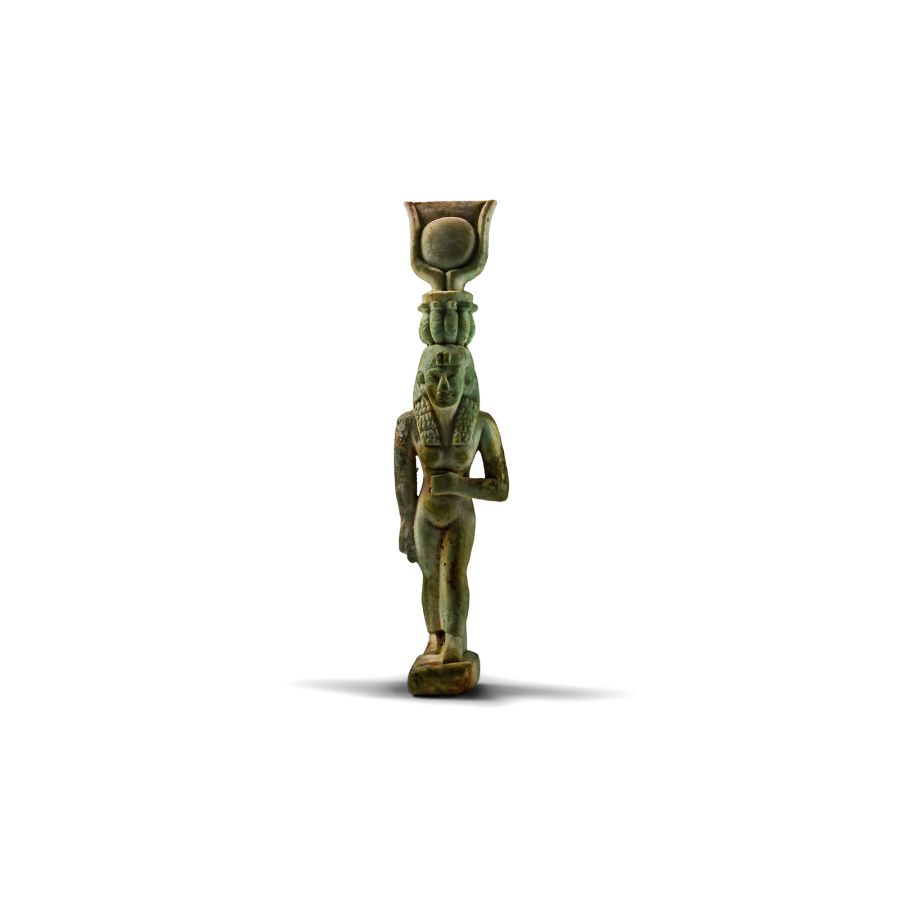
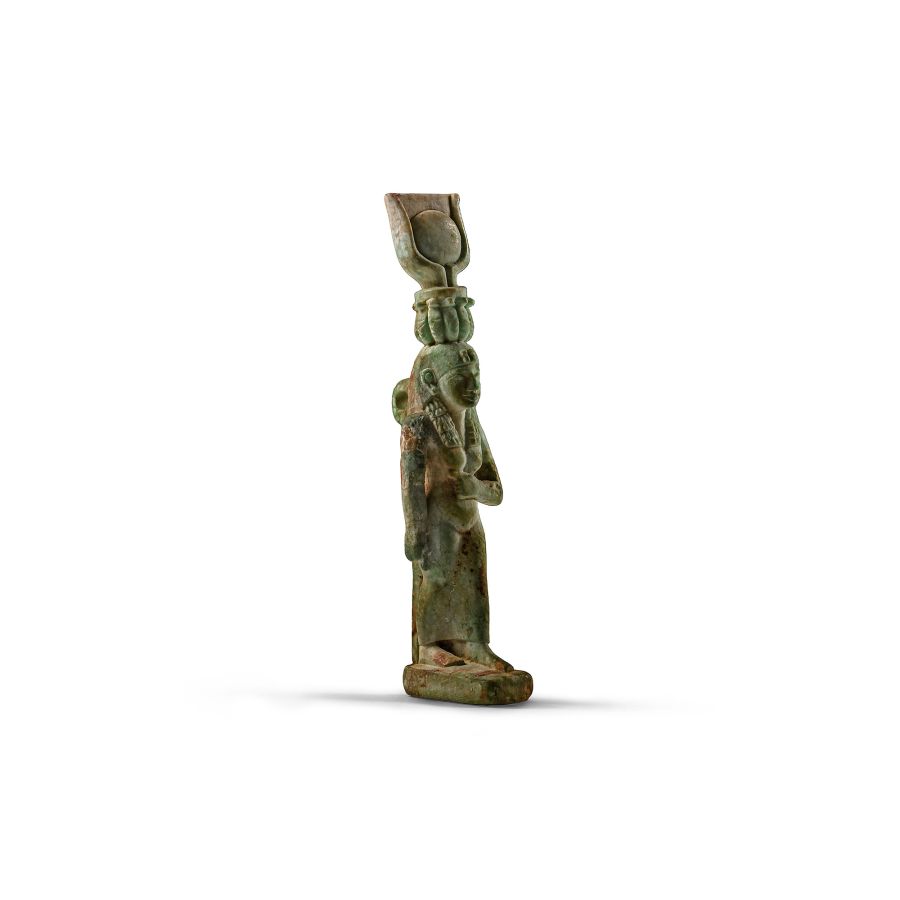
Egyptian Faience Isis Amulet
LATE PERIOD, 664-332 B.C.
2 in. (4.87 grams, 52 mm).
Striding on a rectangular base, right arm held by her side, the other wrapped around her torso; wearing a modius of cobras topped by a horned sun disc; turquoise glaze; with reverse suspension loop.
ProvenanceAcquired in Europe before 1998.
CONDITIONTimeLine Auctions follows a vetting process to ensure the authenticity and legality of all items, reinforcing our commitment to integrity and responsible trading. Each antiquity, antique, and coin lot undergoes thorough examination by a vetting committee of at least ten external specialists, professional trade association members, scientists, and archaeologists: Our Vetting Process
AUCTIONS:
TimeLine is a leading auction house specialising in antiquities, ancient art, collectables, natural history, coins, medals, and books. Our auctions offer museums, collectors, historians, and enthusiasts the opportunity to acquire unique and historically significant pieces.
-
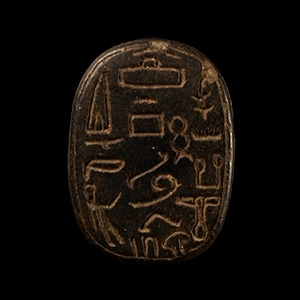
Large Egyptian Hardstone Scarab with Hieroglyphs
Late Period, 664-323 B.C. or laterSold for (Inc. bp): £442
Carved with semi-naturalistic anatomical detailing; shallow engraved hieroglyphs to the base. 8.7 grams, 24 mm
From an early 20th century collection, Carnavon, North Wales, UK. -
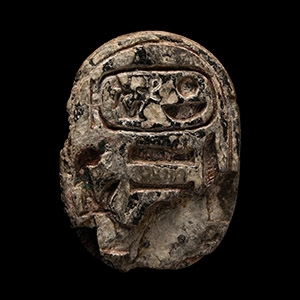
Large Egyptian Stone Hieroglyphic Scarab for Amenhotep III
New Kingdom, 1386-1349 B.C.Estimate: £1,000 - 1,400 (‡+bp*)
Opening Bid: £500
Naturalistically modelled with detailing to the upper body and legs; damaged base with the throne name 'neb-maat-re' of Amenhotep III in cartouche and the god's name Amun-Re below; pierced for suspension. 41 grams, 44 mm
Ex R. Liechti (1934-2010) Geneva, Switzerland, collection between 1950-1990s. -
.jpg)
Egyptian Bronze Atef Crown Feather From a Life-Sized Statue
Late Period, circa 664-332 B.C.Estimate: £5,000 - 7,000 (+bp*)
Opening Bid: £2,500
The ostrich feather with deep recessed cells, likely once inlaid, and a tapering mounting lug to one side; mounted on a custom-made display stand; remnants of gilding. 1.2 kg total, 33.5 cm high including stand
Seward Kennedy collection, acquired 1960s. This lot has been checked against the Interpol Database of stolen works of art and is accompanied by search certificate number no.11840-207822.
This large feather would have been attached to a wooden statue of Osiris. The Atef crown identified Osiris, god of the underworld, in Ancient Egyptian symbolism. The two ostrich feathers adorning the crown represent truth, justice, morality, equilibrium and the cult centre of Osiris in Abydos. The ostrich feather was also associated with Ma'at.
