
Loading, please wait...
LOT 0054
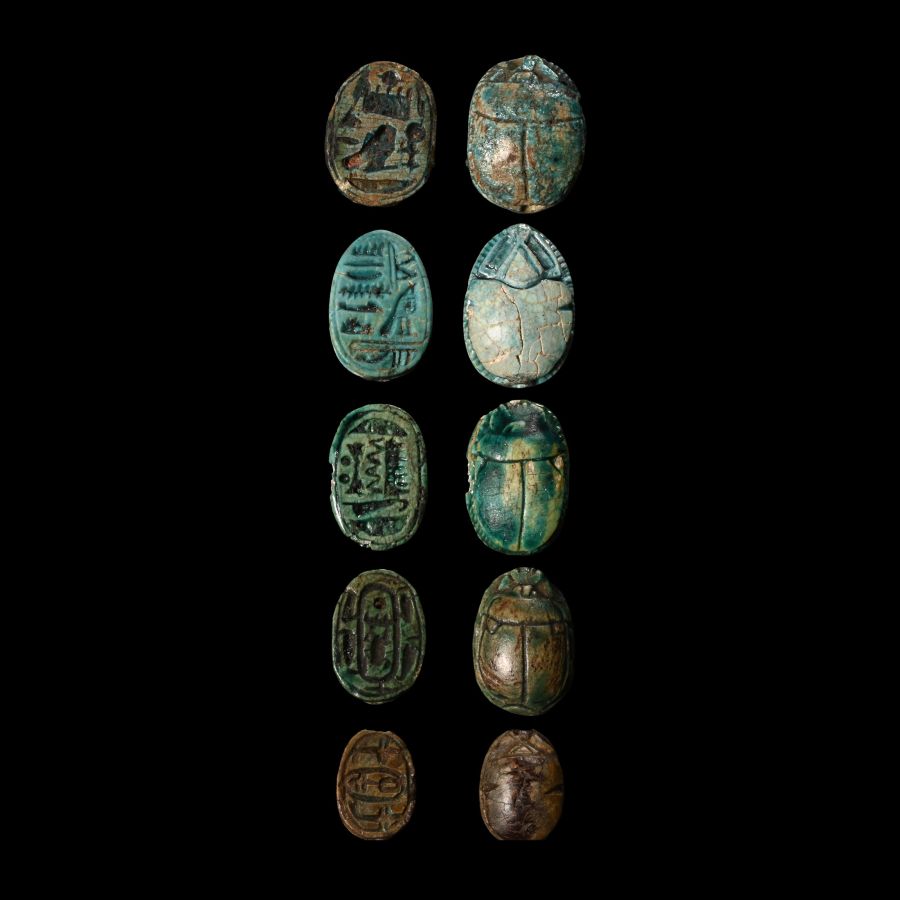
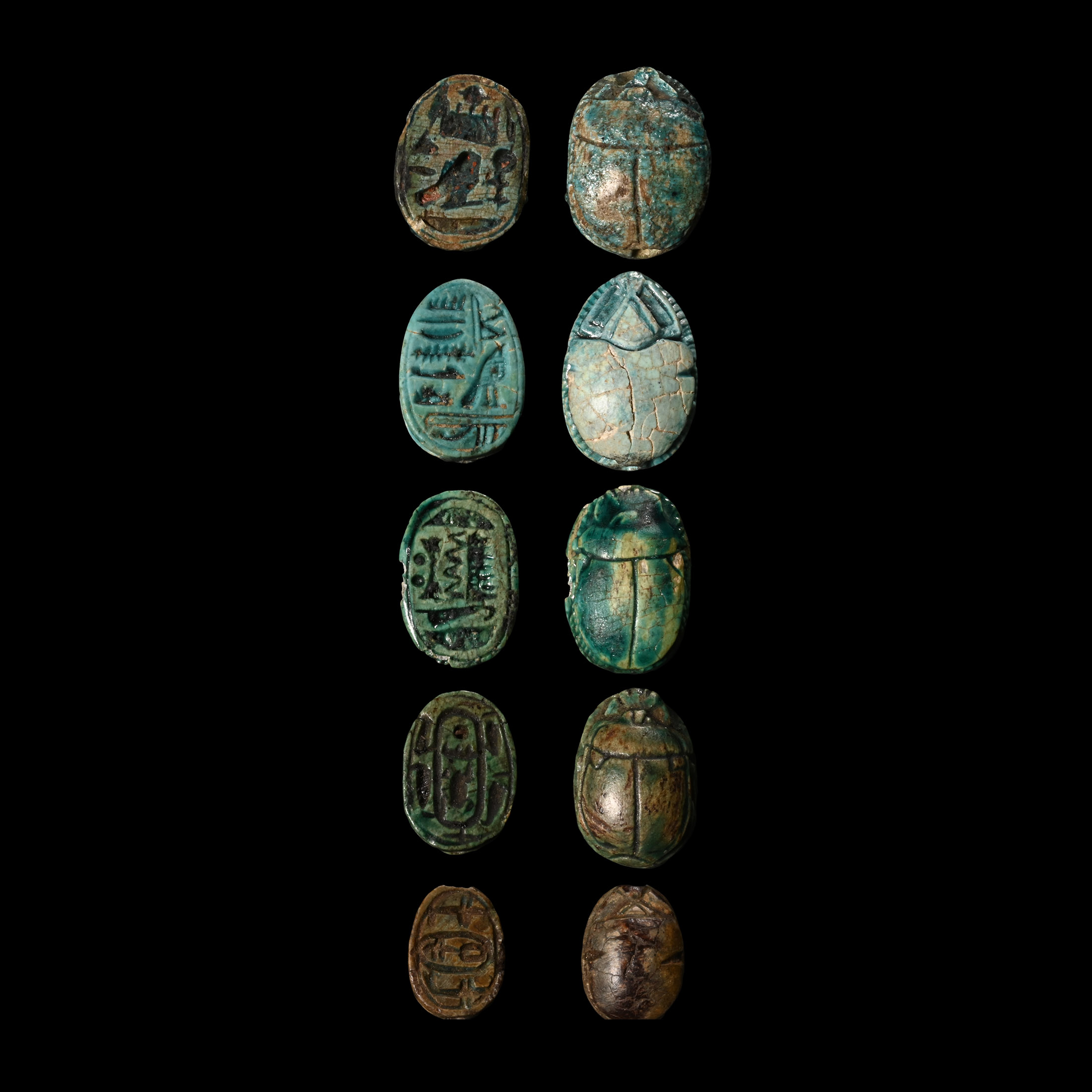
Egyptian Faience Hieroglyphic Scarab Group
SECOND INTERMEDIATE PERIOD, CIRCA 1650 B.C.
1/2 - 5/8 in. (8.54 grams total, 12-17 mm).
Comprising: three in blue-turquoise with hieroglyphs to the underside; two similar, olive green with cartouche of Thutmose III to the underside. [5]
ProvenanceFrom a family collection formed 1900-1950; by descent circa 1980.
LiteratureCf. Andrews, C., Amulets of Ancient Egypt, London, 1994, item 58(b,c,d).
CONDITIONTimeLine Auctions follows a vetting process to ensure the authenticity and legality of all items, reinforcing our commitment to integrity and responsible trading. Each antiquity, antique, and coin lot undergoes thorough examination by a vetting committee of at least ten external specialists, professional trade association members, scientists, and archaeologists: Our Vetting Process
AUCTIONS:
TimeLine is a leading auction house specialising in antiquities, ancient art, collectables, natural history, coins, medals, and books. Our auctions offer museums, collectors, historians, and enthusiasts the opportunity to acquire unique and historically significant pieces.
-
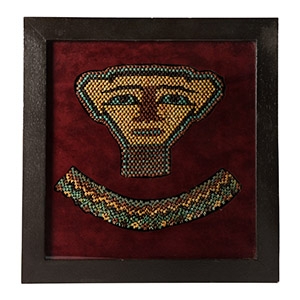
Egyptian Faience Bead Mummy Mask with Collar
Late Period, 664-332 B.C.Estimate: £1,000 - 1,400 (‡+bp*)
Opening Bid: £500
Comprising a restrung panel of small glazed composition beads in various colours representing a mummy face mask with false beard and collar; framed and glazed. 556 grams, 27.5 x 28.5 cm
Ex collection of Mr & Ms François & Marion Reber - Burki, Rue des Beaux-Arts 10, Neuchâtel, Switzerland. Collected in the first part of 20th century by Mr F. Burki, father of Ms Marion Reber. -
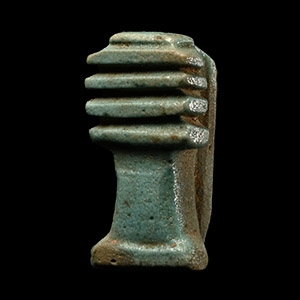
Egyptian Faience Djed Pillar Amulet
Late Period, 664-323 B.C.Sold for (Inc. bp): £91
Decorated with a blue glaze; pillar to reverse, pierced for suspension. 1.9 grams, 21 mm
From an early 20th century collection, Carnavon, North Wales, UK. -
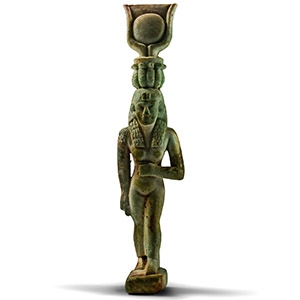
Egyptian Faience Isis Amulet
Late Period, 664-332 B.C.Sold for (Inc. bp): £975
Striding on a rectangular base, right arm held by her side, the other wrapped around her torso; wearing a modius of cobras topped by a horned sun disc; turquoise glaze; with reverse suspension loop. 4.87 grams, 52 mm
Acquired in Europe before 1998.
