
Loading, please wait...
LOT 0008
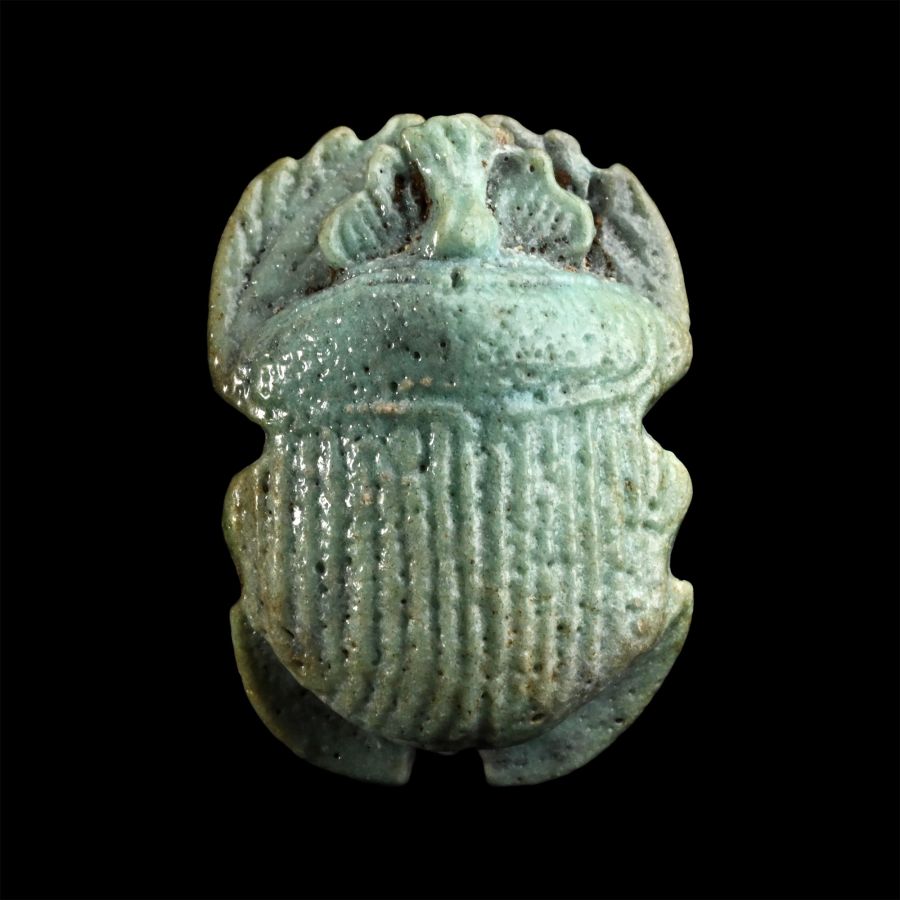
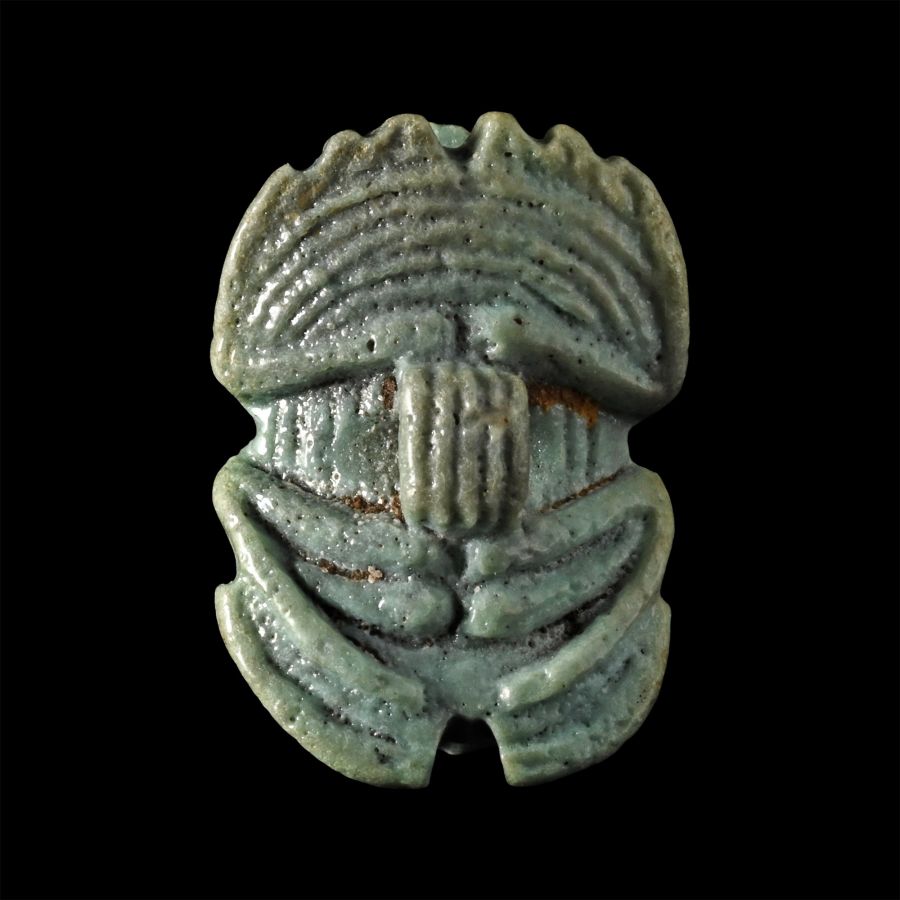
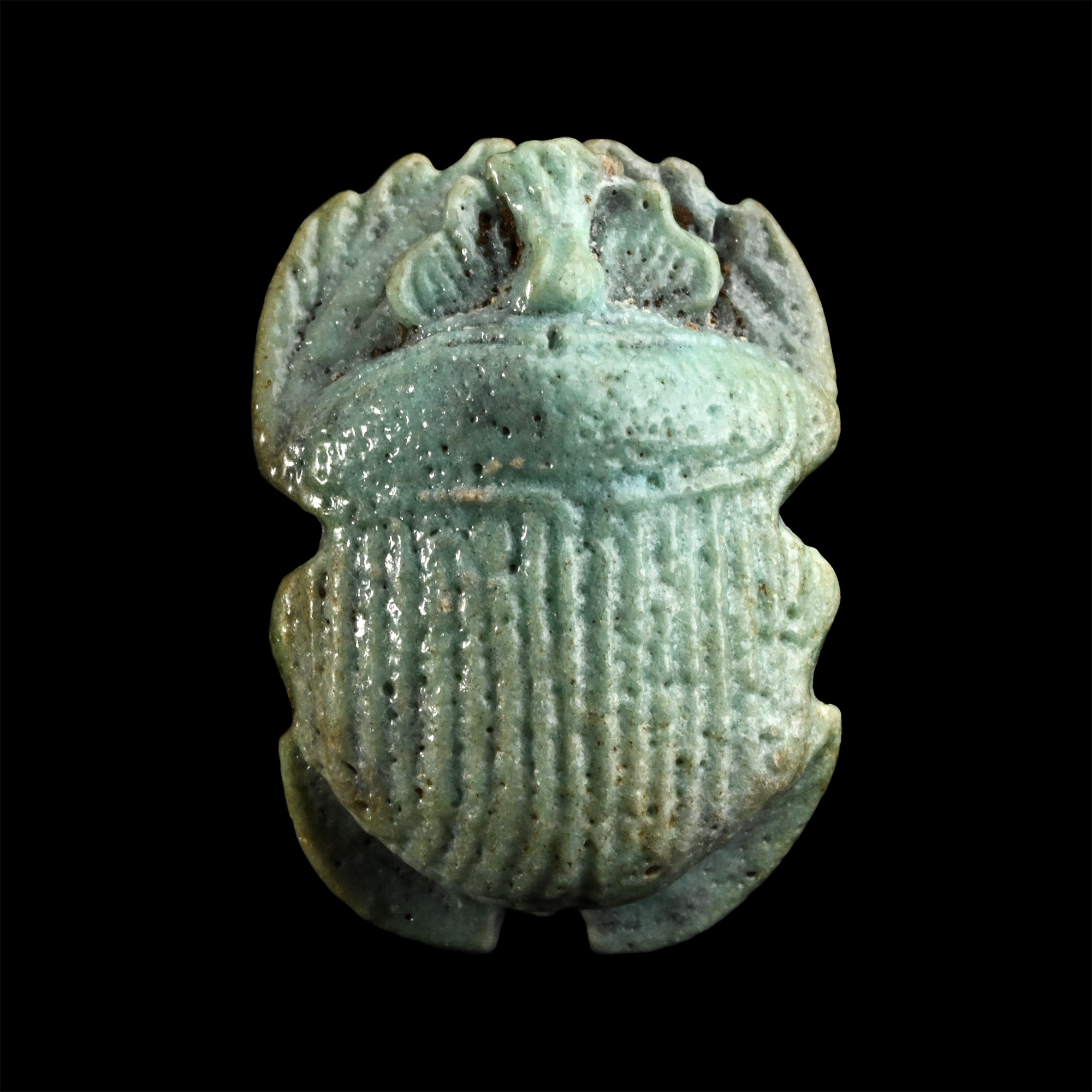
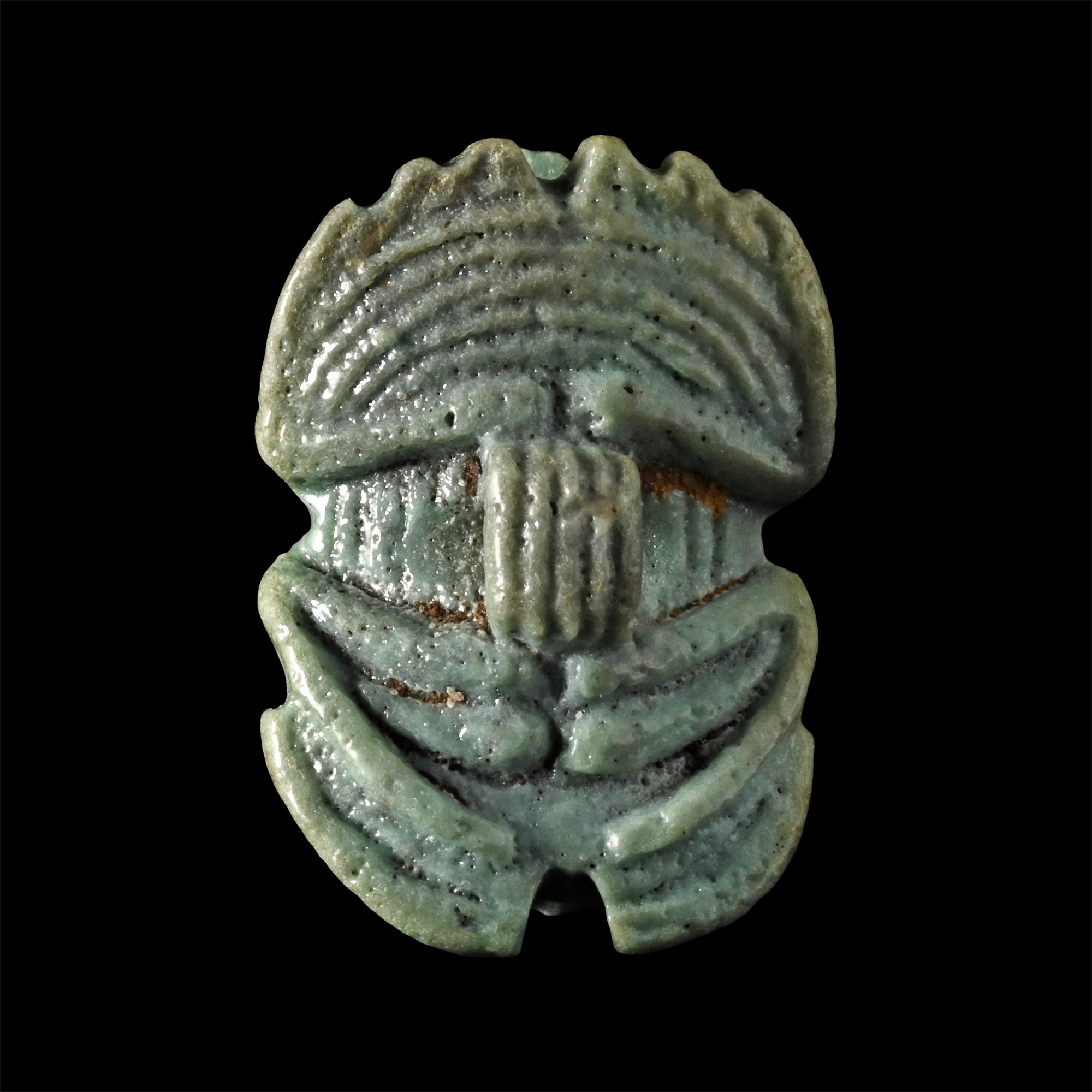
Egyptian Faience Heart Scarab
LATE PERIOD, 664-332 B.C.
3/4 in. (1.89 grams, 20 mm).
With fine anatomical detailing on the body and striated wingcase, legs folded beneath the body and flanked by a ribbed suspension loop.
ProvenanceEx Swedish nobleman's collection, early 20th century, reputedly from Petrie’s excavations.
LiteratureCf. Andrews, C., Amulets of Ancient Egypt, London, 1994, p. 59, Fig. 59 f and g, for similar green faience Late Period scarabs.
CONDITIONTimeLine Auctions follows a vetting process to ensure the authenticity and legality of all items, reinforcing our commitment to integrity and responsible trading. Each antiquity, antique, and coin lot undergoes thorough examination by a vetting committee of at least ten external specialists, professional trade association members, scientists, and archaeologists: Our Vetting Process
AUCTIONS:
TimeLine is a leading auction house specialising in antiquities, ancient art, collectables, natural history, coins, medals, and books. Our auctions offer museums, collectors, historians, and enthusiasts the opportunity to acquire unique and historically significant pieces.
-
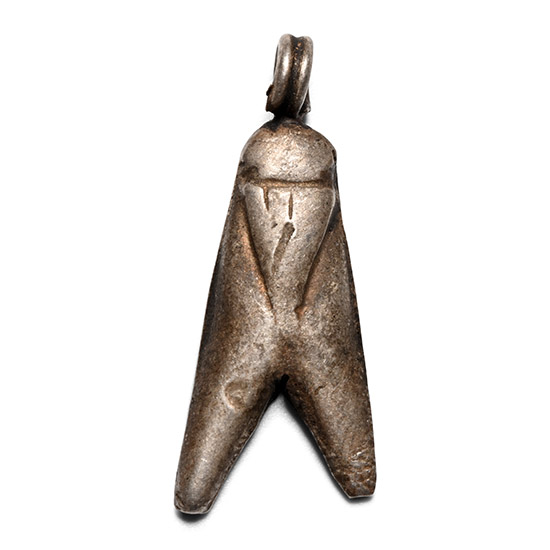
Egyptian Silver Fly Amulet
Late Period, 664-332 B.C.Sold for (Inc. bp): £143
With detailing to the body and head, ribbed suspension loop above the head. 0.94 grams, 19 mm
Ex London, UK, gentleman, 1990s.
Fly amulets were believed to protect against insect bites and to ward off troublesome flying creatures through apotropaic magic. Some believe they may have even symbolised the fly’s fecundity. Additionally, pharaohs would bestow gold fly-shaped pendants as military awards to honour the bravery and persistence of soldiers in battle. -
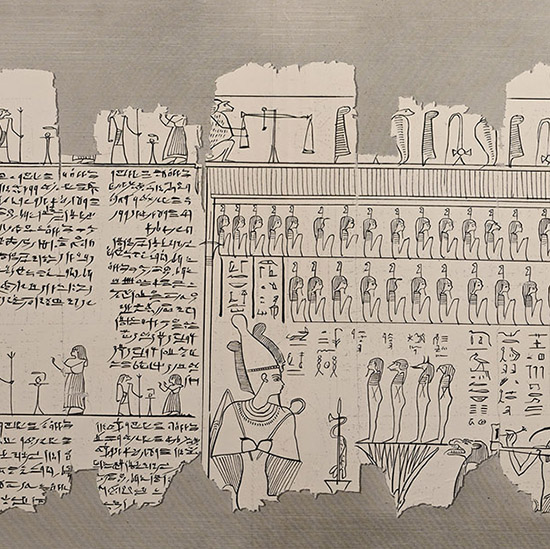
Very Large Egyptian Expedition Lithograph of the Hypogees Papyrus Manuscript from Thebes
Early 19th century A.D.Sold for (Inc. bp): £124
Proof etching on laid paper of plate 64 from Vol.II of Description de l'Égypte : ou, Recueil des observations et des recherches qui ont été faites en Égypte pendant l'expédition de l'armée française. entitled Thèbes. Hypogées. Manuscrit sur papyrus. 4eme partie. 235 grams, 105 x 69.5 cm
From the collection of a North American priest. Acquired between 1981-1996. Property of a North American collector.
Produced between February 1802 and 1830 on the orders of Napoleon Bonaparte; published between 1809 and 1828. Just 1,000 copies were distributed to various institutions, printed on laid paper with an 'Égypte ancienne et moderne' watermark. The book is subtitled Recueil des observations et des recherches qui ont été faites en Égypte pendant l’expédition de l’Armée française, publié par les ordres de Sa Majesté l’Empereur Napoléon le Grand (Gathering of observations and discoveries which were made in Egypt during the expedition of the French army, published on the orders of His Majesty the Emperor Napoleon the Great). It was the world's first encyclopedia devoted exclusively to the remains of ancient Egypt. The plates of this book are the first to present the archaeological sites of Thebes (Luxor). The papyrus manuscript was recovered from an underground tomb chamber (hypogeum). This includes a scene (bottom right) depicting the weighing of the deceased's heart before Osiris's divine tribunal. The heart is balanced against the feather of Maat, and the ibis-headed Thoth records the verdict. If the heart fails to balance, it is devoured by a fearsome creature called Ammut, and the deceased would cease to exist. -
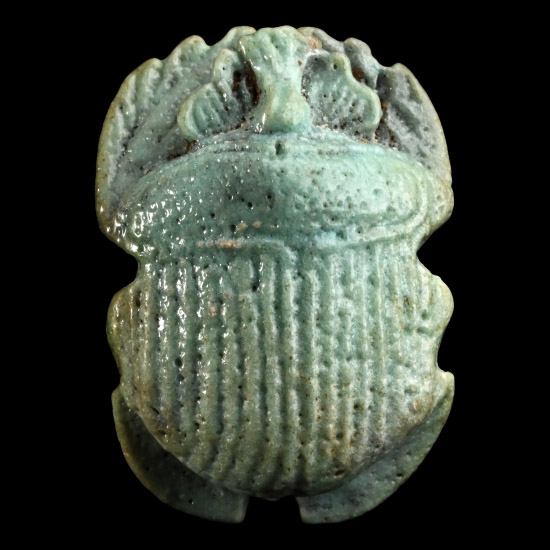
Egyptian Faience Heart Scarab
Late Period, 664-332 B.C.Sold for (Inc. bp): £624
With fine anatomical detailing on the body and striated wingcase, legs folded beneath the body and flanked by a ribbed suspension loop. 1.89 grams, 20 mm
Ex Swedish nobleman's collection, early 20th century, reputedly from Petrie’s excavations.
