
Loading, please wait...

LOT 0461
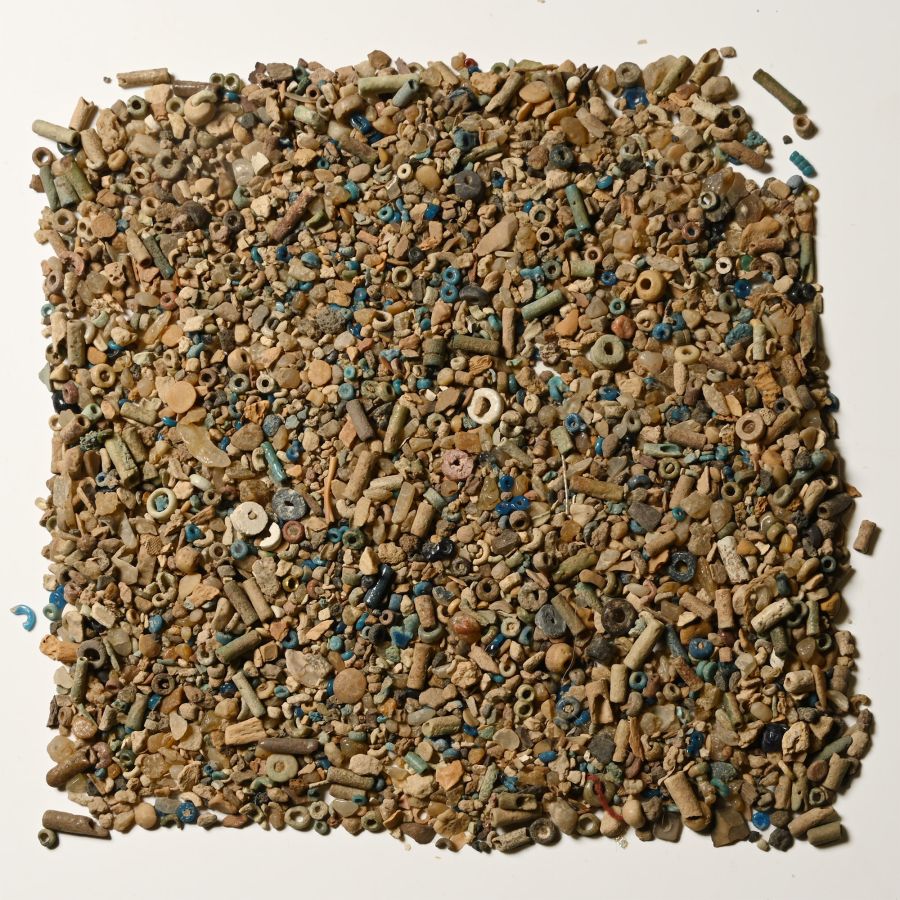
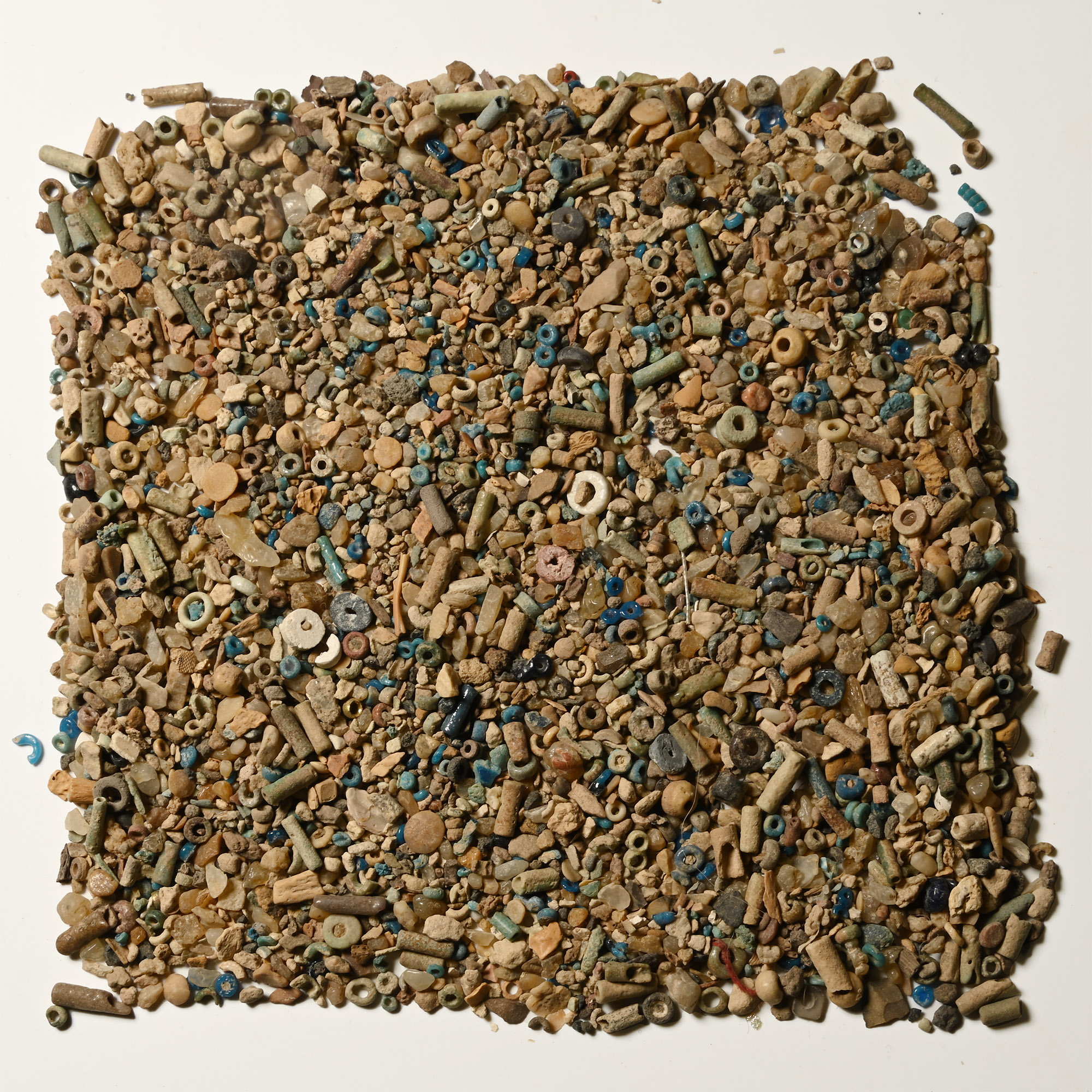
Egyptian Faience Beads and Other Fragments
LATE PERIOD, 664-332 B.C.
1/8 - 3/8 in. (46 grams total, 1-9 mm).
Including seed and tubular beads, and other items. [No Reserve]
ProvenanceFrom an old English collection.
Acquired from Brigantia, York, 1990s.
Ian Wilkinson collection, Nottinghamshire, UK, formed since 1985.
This lot is accompanied by an illustrated lot declaration signed by the Head of the Antiquities Department, Dr Raffaele D’Amato.
TimeLine Auctions follows a vetting process to ensure the authenticity and legality of all items, reinforcing our commitment to integrity and responsible trading. Each antiquity, antique, and coin lot undergoes thorough examination by a vetting committee of at least ten external specialists, professional trade association members, scientists, and archaeologists: Our Vetting Process
AUCTIONS:
TimeLine is a leading auction house specialising in antiquities, ancient art, collectables, natural history, coins, medals, and books. Our auctions offer museums, collectors, historians, and enthusiasts the opportunity to acquire unique and historically significant pieces.
-
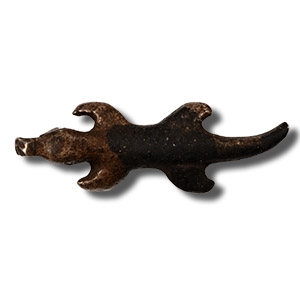
Egyptian Silver Crocodile Amulet
Late-Ptolemaic Period, 664-30 B.C.Sold for (Inc. bp): £111
Figure of a crocodile modelled in the round with pierced suspension lug. 0.49 grams, 15 mm
From an early 20th century collection. This lot is accompanied by an illustrated lot declaration signed by the Head of the Antiquities Department, Dr Raffaele D’Amato.
Crocodile amulets were worn for protective purposes to guard against dangerous creatures. -
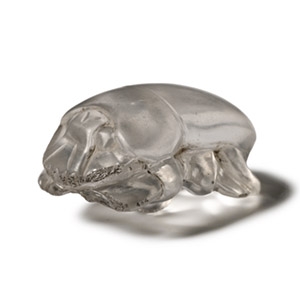
Egyptian Rock Crystal Heart Scarab
Late Period, 664-342 B.C.Sold for (Inc. bp): £975
Carved in the round with ribbed loop to the underside, carapace and leg detailing. 8.72 grams, 25 mm
From a London and Home Counties collection, 1920-1940. This lot is accompanied by an illustrated lot declaration signed by the Head of the Antiquities Department, Dr Raffaele D’Amato.
Naturalistic scarabs carved in the round are characteristic of the Late Period and were crafted from various stones, including lapis lazuli, feldspar, carnelian, and rock crystal, as exemplified here. These scarabs were attached to the wrappings of a mummy, positioned over areas of the body such as the chest, neck, and hands. -
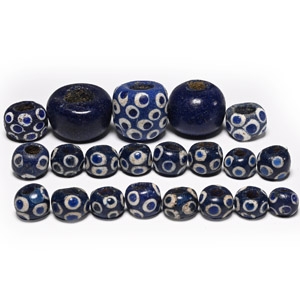
Phoenician Blue Glass Bead Group
6th-3rd century B.C. or laterSold for (Inc. bp): £624
Including drum-shaped types with marvered eye-motifs. 65 grams total, 10-25 mm
UK gallery, early 2000s. This lot is accompanied by an illustrated lot declaration signed by the Head of the Antiquities Department, Dr Raffaele D’Amato.
The category belongs to the cylindrical turquoise eye beads with dark blue and white decorations. Pre-Roman glass beads of this type, generally dated to the Iron Age (end of the ninth century B.C. to 218 B.C.), have been found in significant amounts in the Iberian Peninsula and the Balearic Islands, especially in Phoenician and Punic burial contexts.
