
Loading, please wait...
LOT 0721
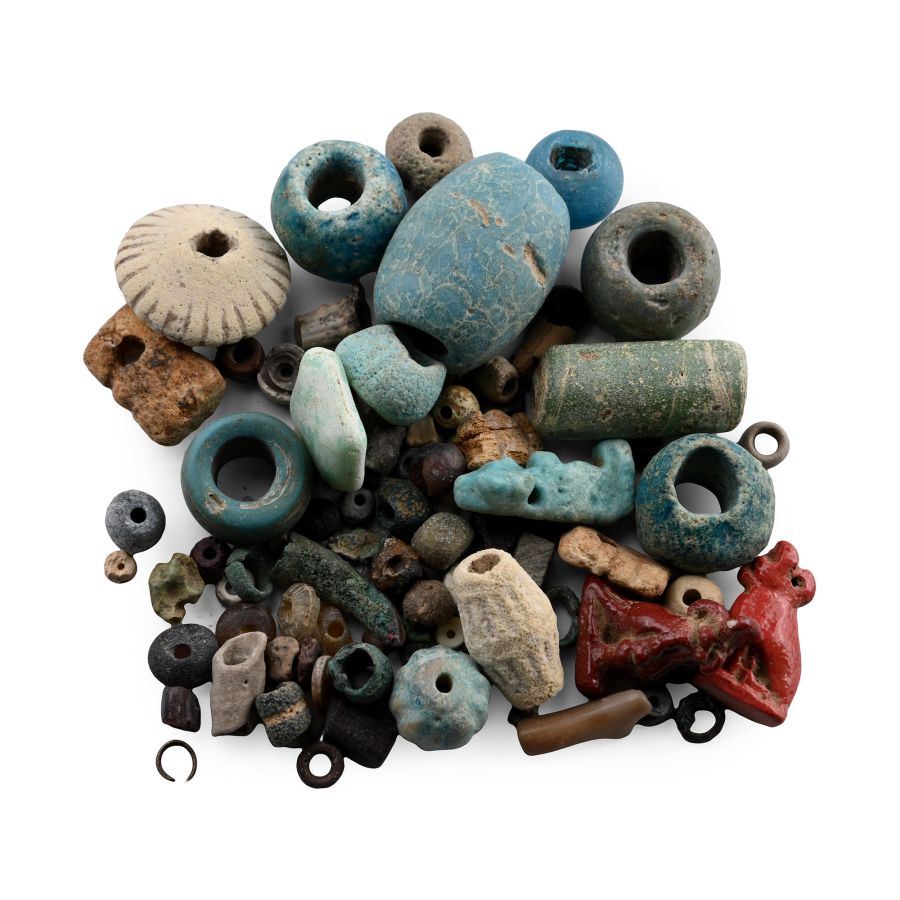
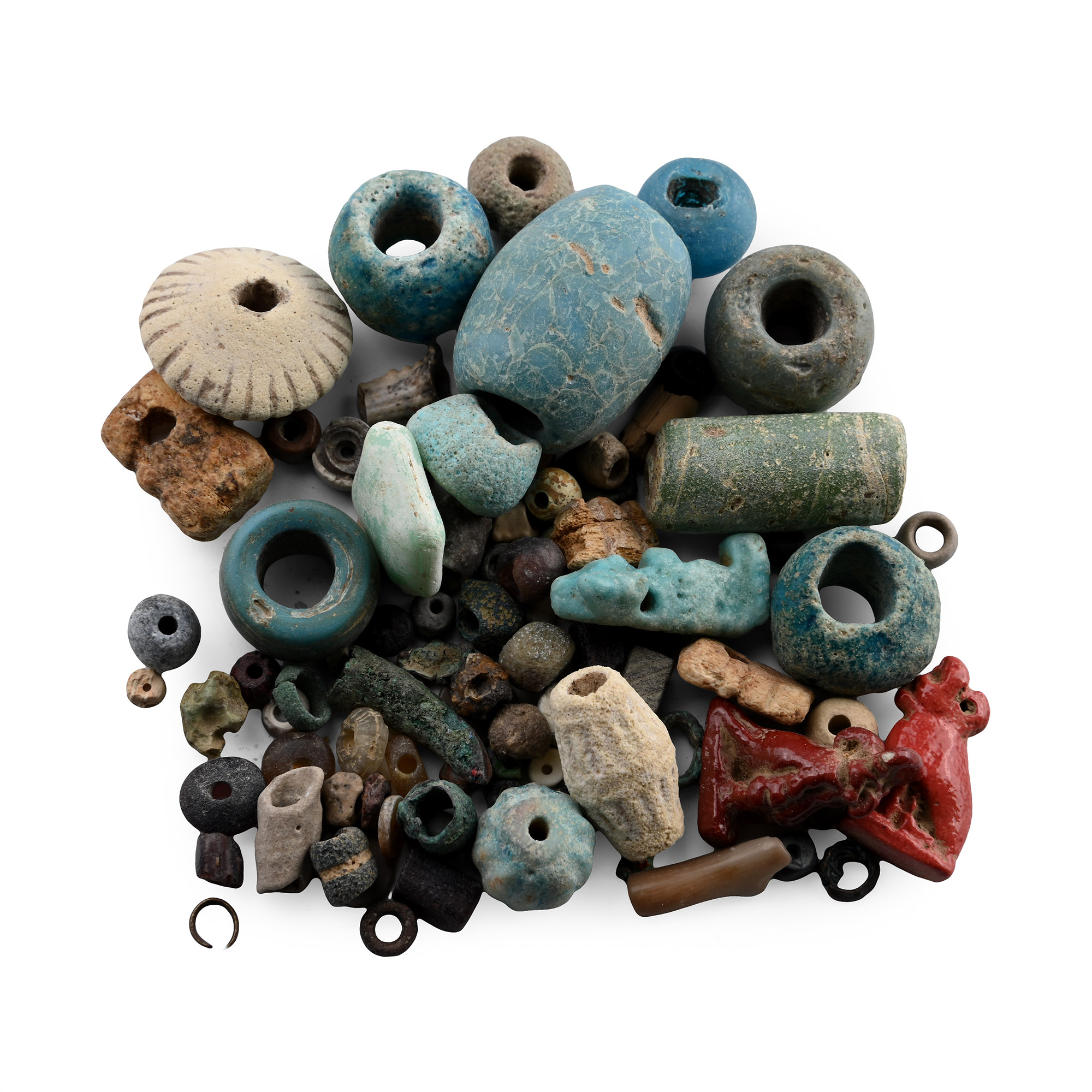
Egyptian Faience Beads and Amulets
LATE PERIOD-ROMAN PERIOD, 664 B.C.-323 A.D.
1/8 - 7/8 in. (47 grams total, 1-23 mm).
Mixed group of beads, including two cat-shaped amulets, a hybrid dwarf with a ram's head, bird wings and tail, wearing a lunar crescent-and-disc headdress, large barrel-shaped bead, and others. [No Reserve]
ProvenanceEx 1990s collection.
LiteratureCf. Andrews, C., Amulets of Ancient Egypt, London, 1994, p.37, fig. 33c, for a hybrid amulet of the same type.
CONDITIONTimeLine Auctions follows a vetting process to ensure the authenticity and legality of all items, reinforcing our commitment to integrity and responsible trading. Each antiquity, antique, and coin lot undergoes thorough examination by a vetting committee of at least ten external specialists, professional trade association members, scientists, and archaeologists: Our Vetting Process
AUCTIONS:
TimeLine is a leading auction house specialising in antiquities, ancient art, collectables, natural history, coins, medals, and books. Our auctions offer museums, collectors, historians, and enthusiasts the opportunity to acquire unique and historically significant pieces.
LOT 0721
Egyptian Faience Beads and Amulets
Estimate £100 - 140€120 - 160 (for guidance only)$140 - 190 (for guidance only)
Opening Bid
£5 (EUR 6; USD 7) +BP*
-
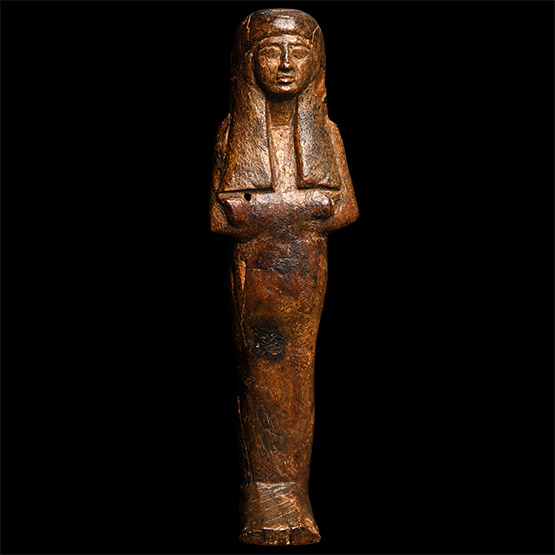
Egyptian Wooden Shabti
New Kingdom, 19th Dynasty, circa 1292-1185 B.C.Estimate: £5,000 - 7,000 (‡+bp*)
Opening Bid: £2,500
Carved in the round in a typical mummiform shape with hands crossed on the chest, wearing a tripartite wig with long, splayed lappets; collector's number to base 'E.803'. 140 grams, 21.5 cm
Ex R. Liechti (1934-2010) collection, Geneva, Switzerland. This lot has been checked against the Interpol Database of stolen works of art and is accompanied by a search certificate no.13228-249321.
A shabti (or ushabti) is a small funerary figurine from ancient Egyptian tombs, dating from around 2000 BCE to 30 BCE. Its main purpose was to assist the deceased in the afterlife by performing tasks like farming. Shabtis were often inscribed with a magical formula from the Book of the Dead to ensure they would come to life when needed. -
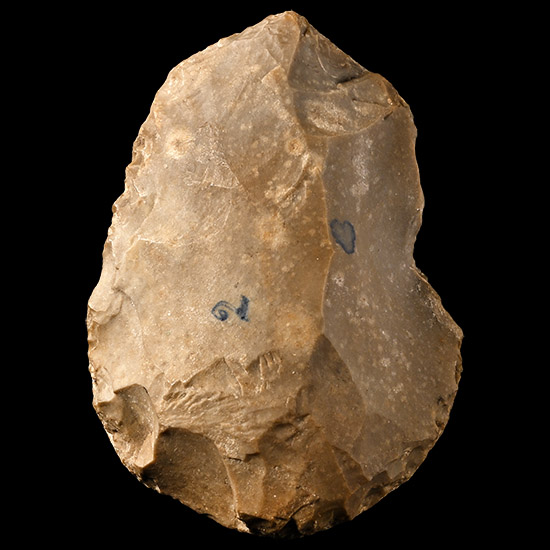
Fawcett Collection Egyptian Knapped Stone Axe with Fawcett Monogram
Neolithic Period, circa 6,000 B.P.Estimate: £60 - 80 (+bp*)
Opening Bid: £5
Ovate type with inked 'Egypt' legend beneath monogram, and '2' to obverse. 144 grams, 83 mm
Found Egypt. Ex Dr Hugh Alderson Fawcett (1891-1982), a general practitioner and antiquarian who built up an important collection of ancient implements, weapons and ornaments. The present part of the collection having been gifted to Haselmere Parish Priest, Charles Borelli (c.1914-2000) of Farnham; who was part of the Borelli family from Italy who emigrated from Lake Como in 1828 to set up the Borelli family watch and jewellery business; thence by family descent to his nephew. -
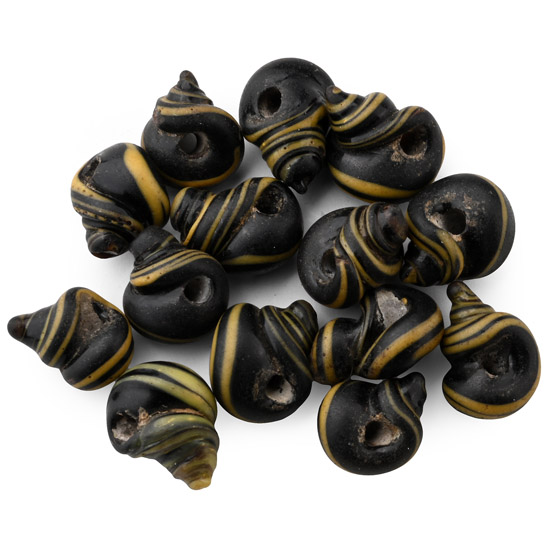
Egyptian Snail-Shaped Ribbon Mosaic Glass Bead Group
Roman Period, 30 B.C.-323 A.D.Estimate: £100 - 140 (+bp*)
Bids: 2 | Current Bid: £10
Comprising black-and-yellow mosaic glass beads shaped like snails. 10.4 grams total, 10-11 mm
Excavated from Egypt in 1914. From the private collection of Mr David Sams and his wife Elizabeth Kate Sams, gentry and amateur archaeologists who travelled to Egypt in 1914 with their daughter Ethel. Mr Sams and his wife led digging expeditions from which these items come from the family estate of Mr and Mrs Sams, by direct descent to their granddaughter.
