
Loading, please wait...
LOT 0037
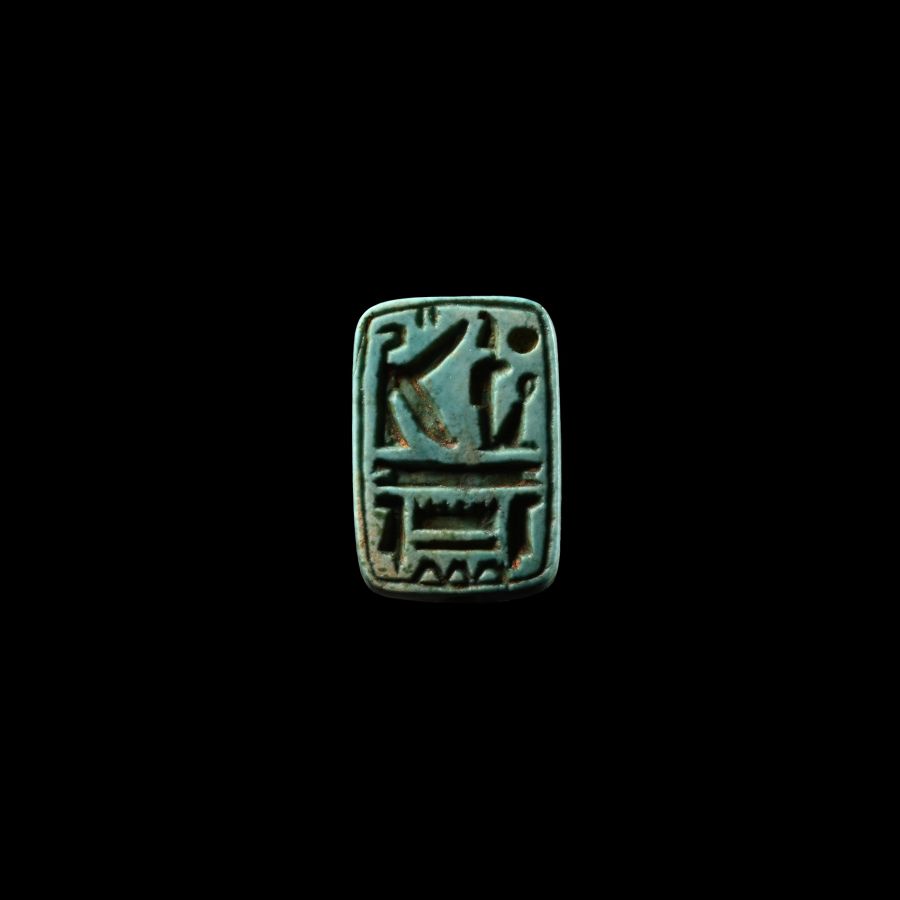
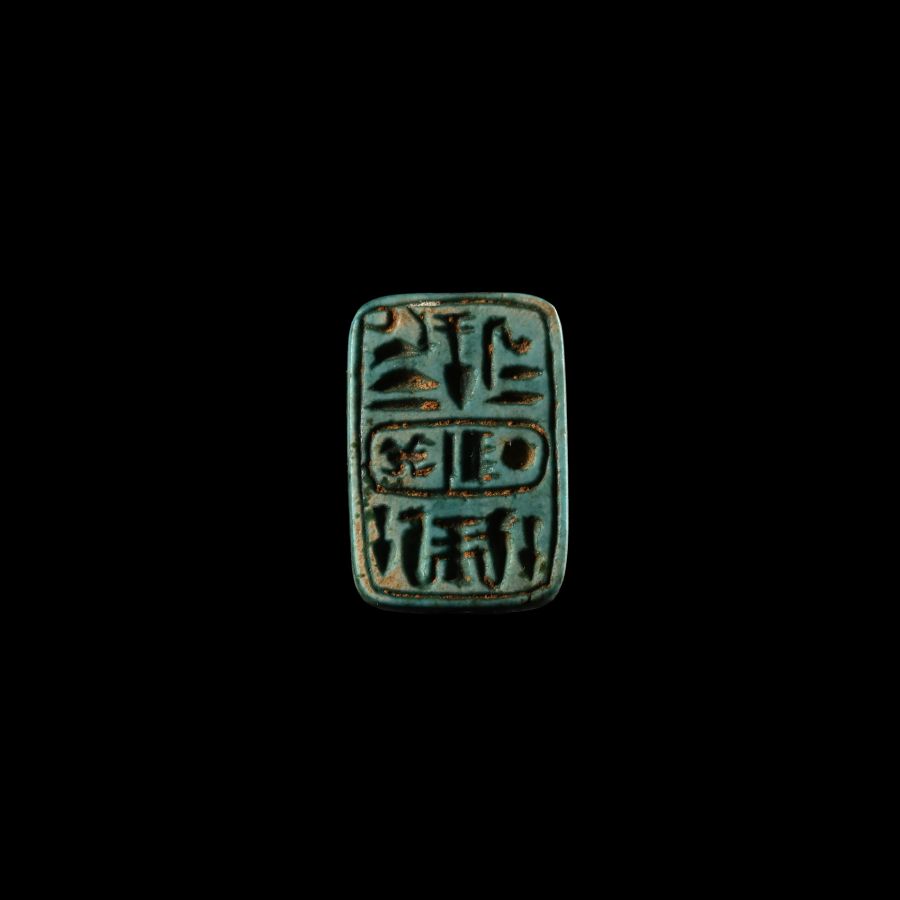
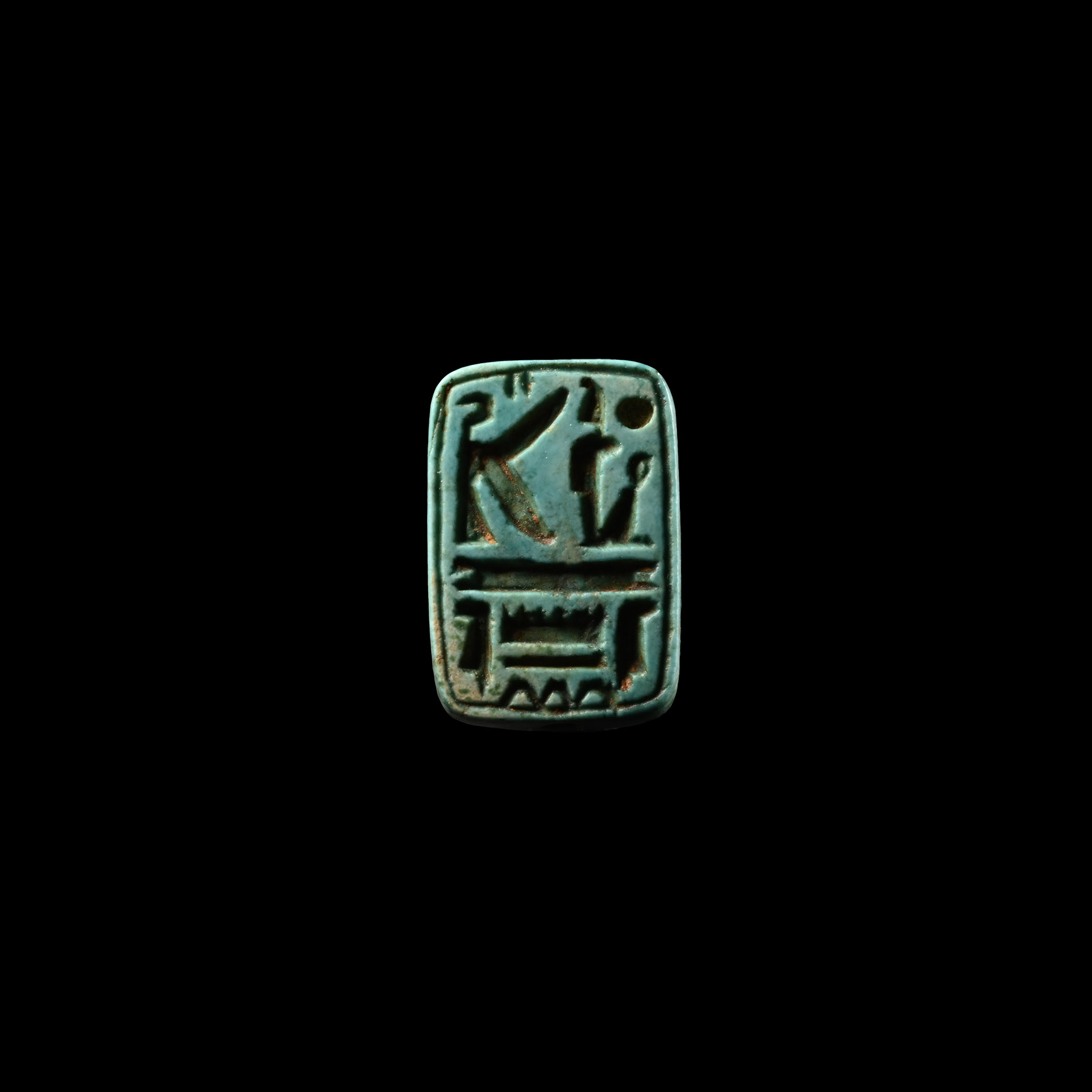
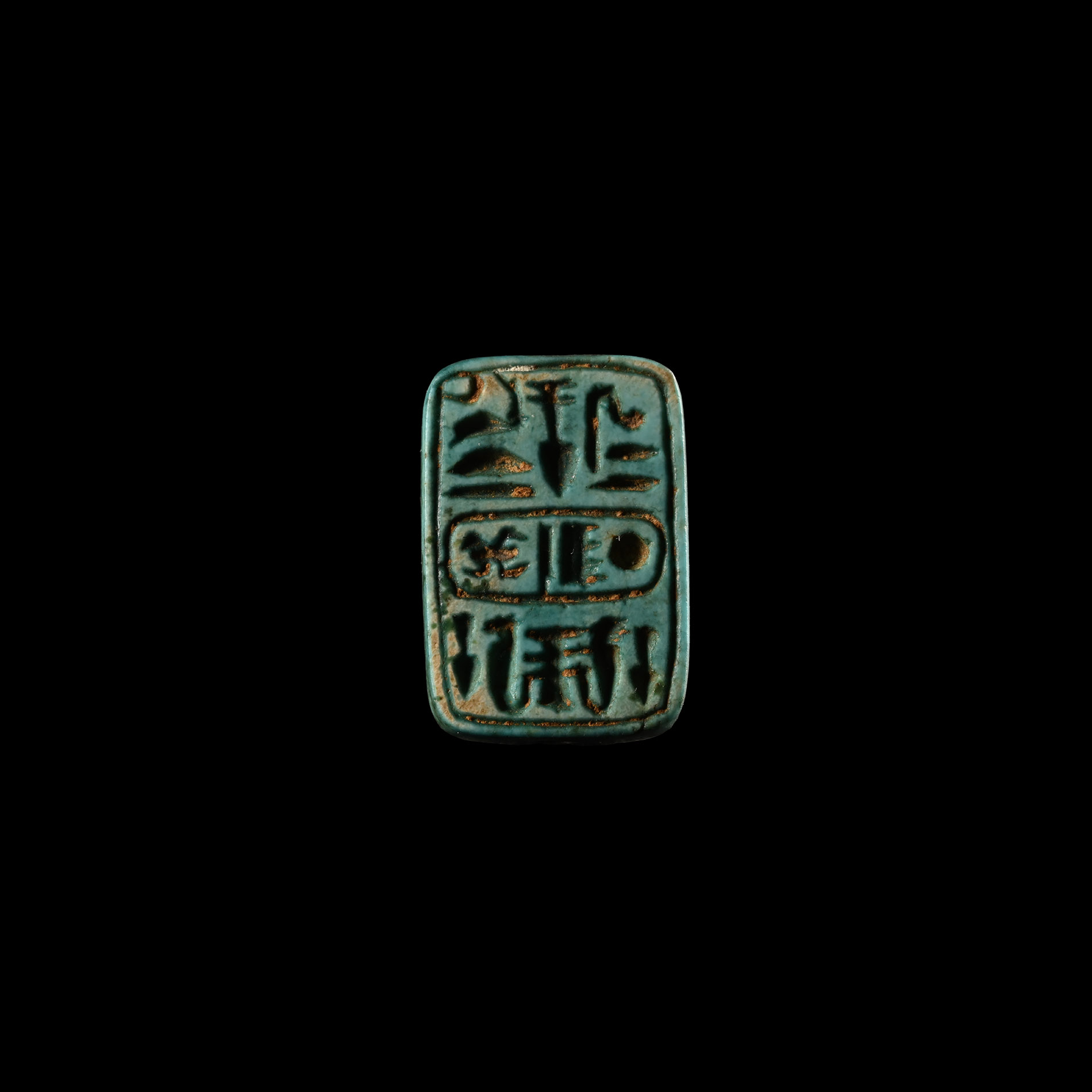
Egyptian Faience Amulet with Hieroglyphs
SECOND INTERMEDIATE PERIOD, CIRCA 1650 B.C.
5/8 in. (1.67 grams, 17 mm).
Rectangular amuletic bead with hieroglyphic text to both faces, central cartouche to one face.
ProvenanceFrom a family collection formed 1900-1950; by descent circa 1980.
LiteratureSee Andrews, C., Amulets of Ancient Egypt, London, 1994, for discussion.
CONDITIONTimeLine Auctions follows a vetting process to ensure the authenticity and legality of all items, reinforcing our commitment to integrity and responsible trading. Each antiquity, antique, and coin lot undergoes thorough examination by a vetting committee of at least ten external specialists, professional trade association members, scientists, and archaeologists: Our Vetting Process
AUCTIONS:
TimeLine is a leading auction house specialising in antiquities, ancient art, collectables, natural history, coins, medals, and books. Our auctions offer museums, collectors, historians, and enthusiasts the opportunity to acquire unique and historically significant pieces.
-
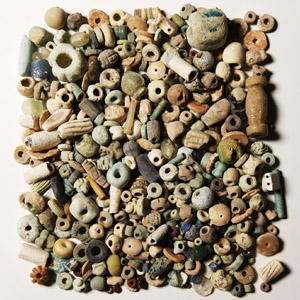
Egyptian and Other Faience Bead Group
New Kingdom, 1315-1060 B.C. and laterSold for (Inc. bp): £117
Decorated with a variety of coloured glazes and including a broad range of bead types. 71 grams total, 1-17 mm
UK gallery, early 2000s. -
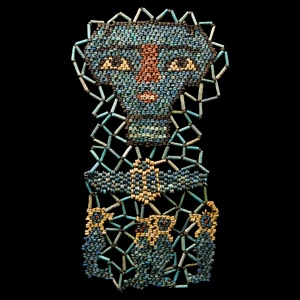
Egyptian Bright Blue Beaded Mummy Mask with Sons of Horus
Ptolemaic Period, 332-30 B.C.Estimate: £300 - 400 (+bp*)
Opening Bid: £150
A restrung netted beadwork panel of annular and tubular glazed composition beads in blues, greens, black, cream and red-brown colours, depicting a mummy face mask with false beard, a scarab with extended wings below, the 'Four Sons of Horus’ beneath the scarab, joined together with areas of open netting of tubular beads. 60 grams, 23 cm high
Acquired 1990s. Ex Mariaud des Serres, Paris, France. -
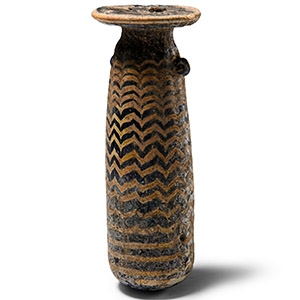
Phoenician Glass Alabastron
6th-5th century B.C.Estimate: £800 - 1,000 (+bp*)
Opening Bid: £444
Core formed with rounded base, dragged trail pattern in blue, white and yellow, two lateral lug handles below the everted rim. 39.8 grams, 91 mm high
Acquired 1980-2015. Ex Abelita family collection.
