
Loading, please wait...
LOT 0550
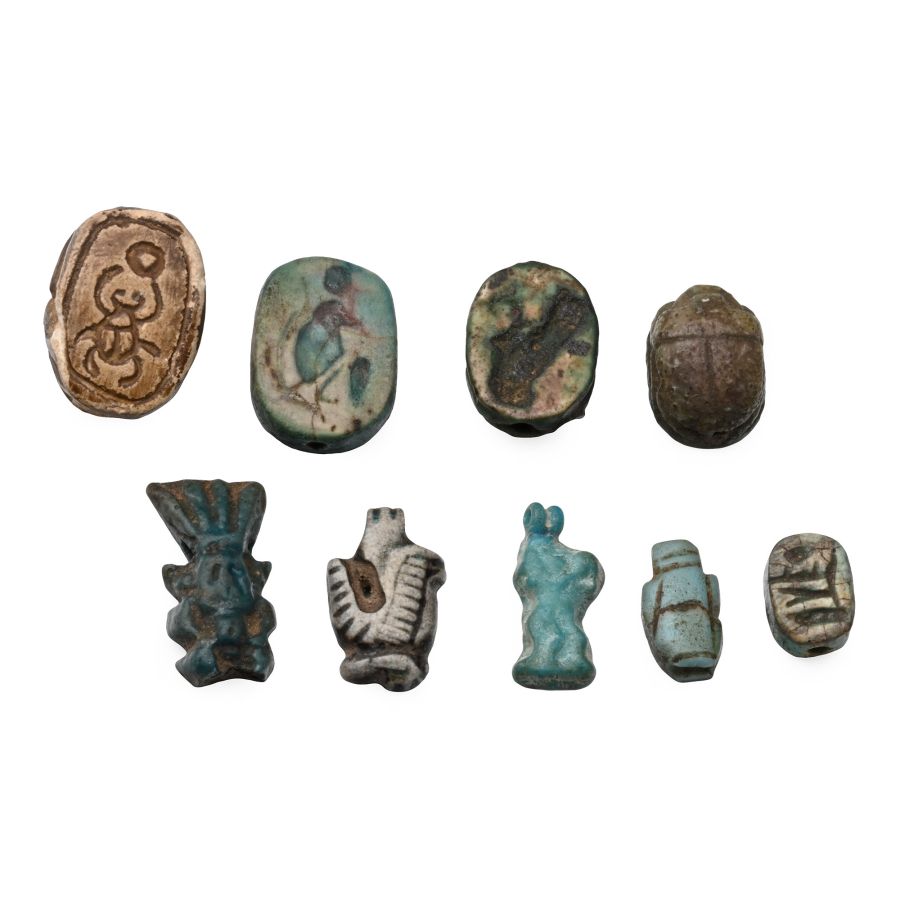
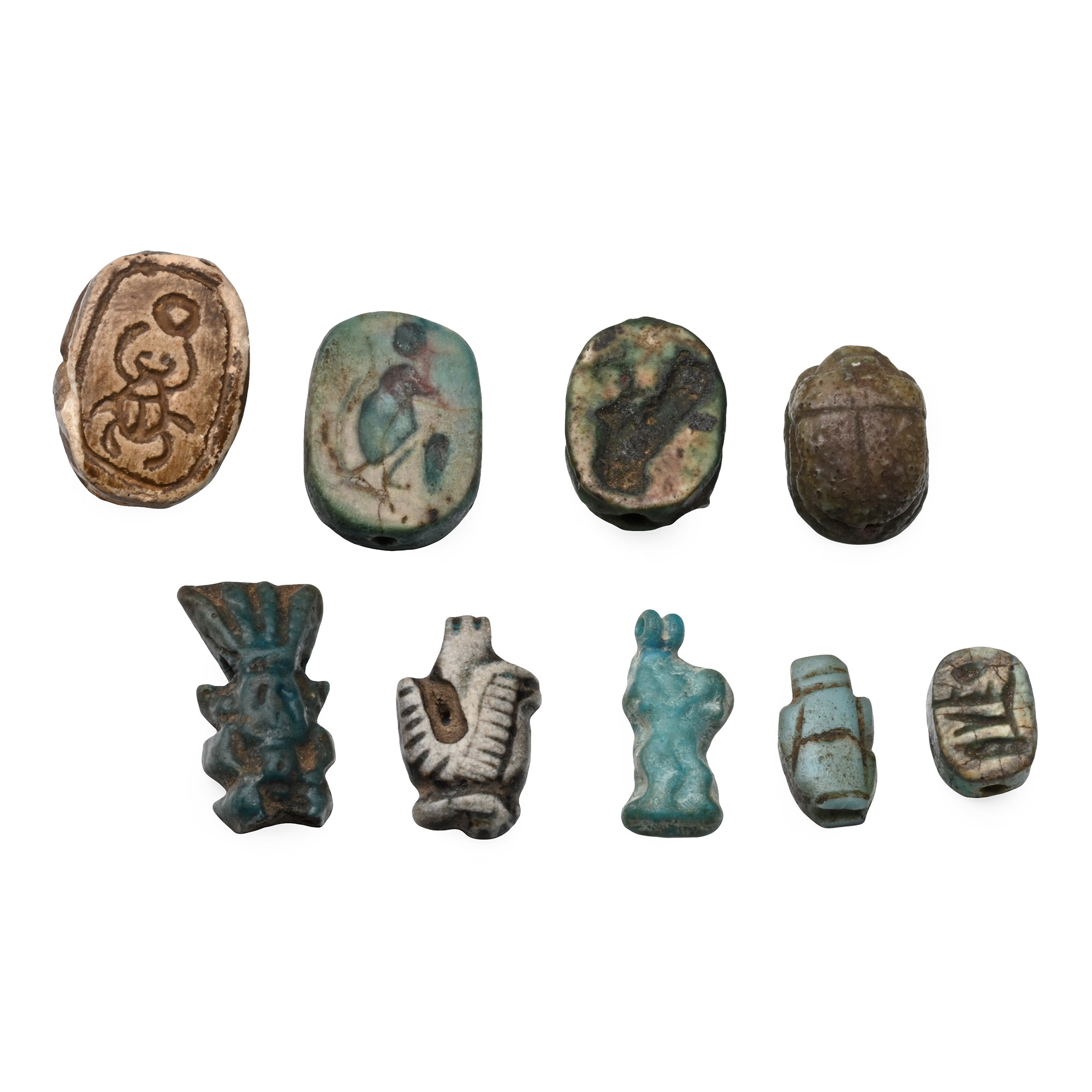
Egyptian Faience Amulet Collection
NEW KINGDOM-PTOLEMAIC PERIOD, 1550-30 B.C.
1/8 - 1/2 in. (5.79 grams total, 7-14 mm).
Comprising: four scarabs and scaraboids, three with hieroglyphs on the underside; a tabular bead with a figure of a bird on both sides; and four small amulets, including two of Bes and a uraeus. [9, No Reserve]
ProvenanceFrom the Walter Thomas Gaze Cooper (1895-1980) collection; thence by descent.
CONDITIONTimeLine Auctions follows a vetting process to ensure the authenticity and legality of all items, reinforcing our commitment to integrity and responsible trading. Each antiquity, antique, and coin lot undergoes thorough examination by a vetting committee of at least ten external specialists, professional trade association members, scientists, and archaeologists: Our Vetting Process
AUCTIONS:
TimeLine is a leading auction house specialising in antiquities, ancient art, collectables, natural history, coins, medals, and books. Our auctions offer museums, collectors, historians, and enthusiasts the opportunity to acquire unique and historically significant pieces.
-
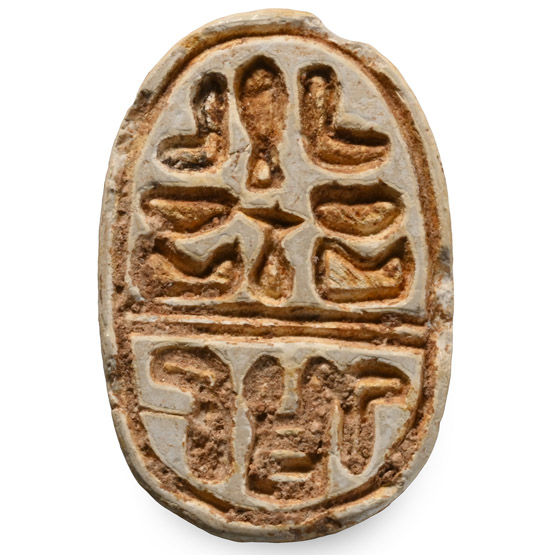
Egyptian White Stone Scarab with Hieroglyphs
Hyksos Period, 15th Dynasty, circa 1650-1550 B.C.Sold for (Inc. bp): £117
Plano-convex in section with scarab detailing to the upper face; underside featuring a hieroglyphic inscription, including addorsed stylised cobras, right-angled netjer and nefer signs; pierced longitudinally. 1.61 grams, 18 mm
Ex Constable collection, 1990s. Ex P. Morris collection. -
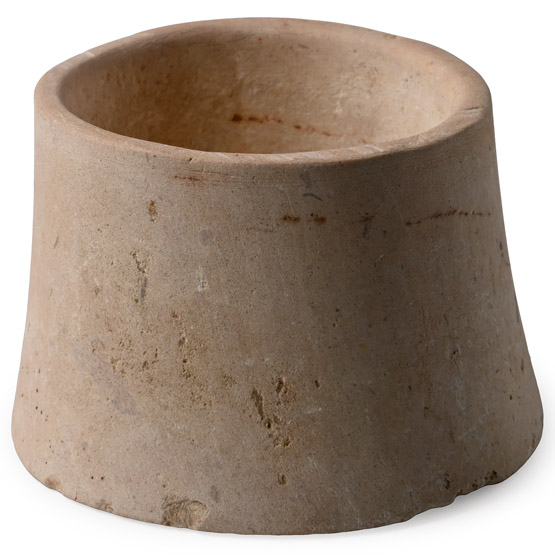
Egyptian Alabaster Vessel
2nd-1st millennium B.C. or laterSold for (Inc. bp): £286
With a cylindrical body with a tapering, slightly concave profile, a flat base and rim. 271 grams, 77 mm wide
From a West Country, UK, collection, 1980-2020s. -
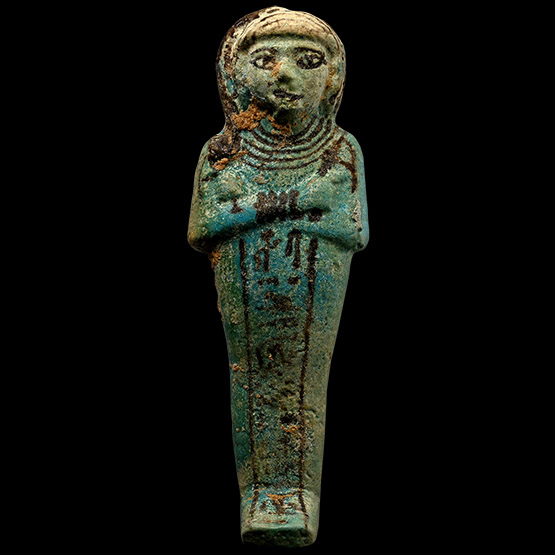
Egyptian Faience Ushabti
2nd millennium B.C.Sold for (Inc. bp): £2,106
Mummiform figure with black-pigment facial detailing, sidelock, tripartite wig, dorsal seed-net, tiered collar, and vertical panel of hieroglyphic text. 134 grams, 15 cm
Acquired in the mid 1980s. Private collection, Switzerland, thence by descent. Private collection, since the late 1990s. This lot has been checked against the Interpol Database of stolen works of art and is accompanied by a search certificate number no.12848-241648.
A shabti (also known as ushabti or shawabti) is a small funerary figurine found in ancient Egyptian tombs, from around 2000 BCE to 30 BCE. Its main purpose was to act as a servant for the deceased in the afterlife, carrying out manual tasks like farming or irrigation as directed by the gods. Shabtis were frequently inscribed with a magical formula from the Book of the Dead to ensure they would animate when summoned.
