
Loading, please wait...
LOT 0422
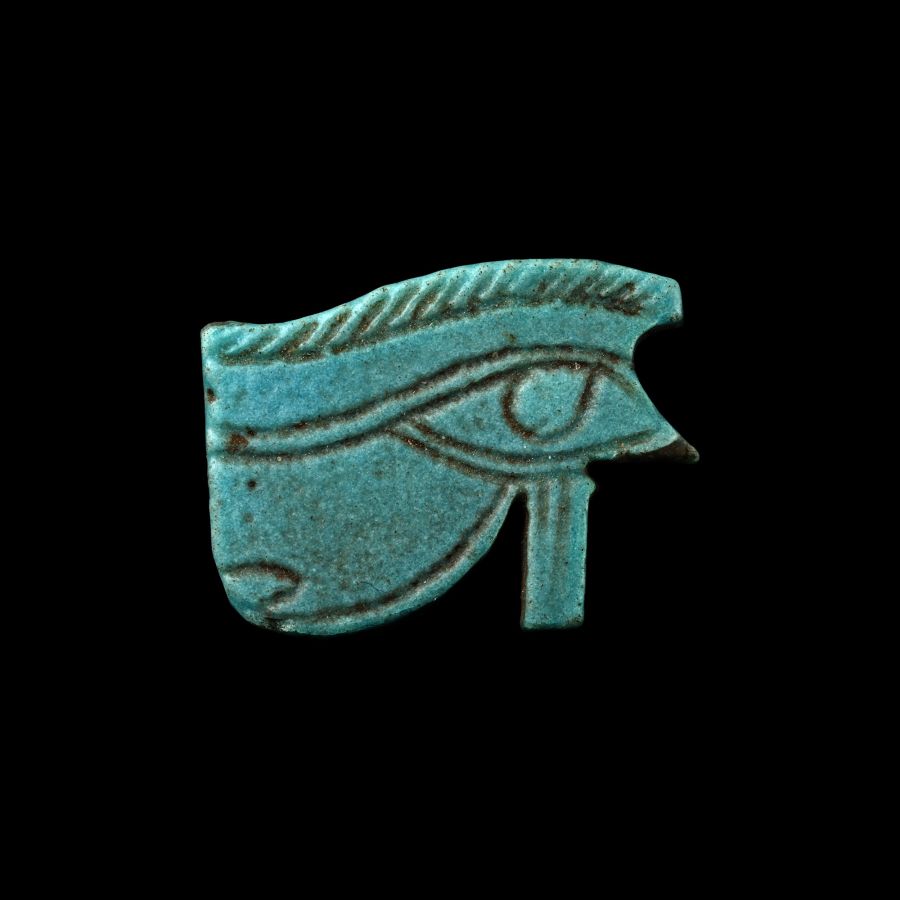
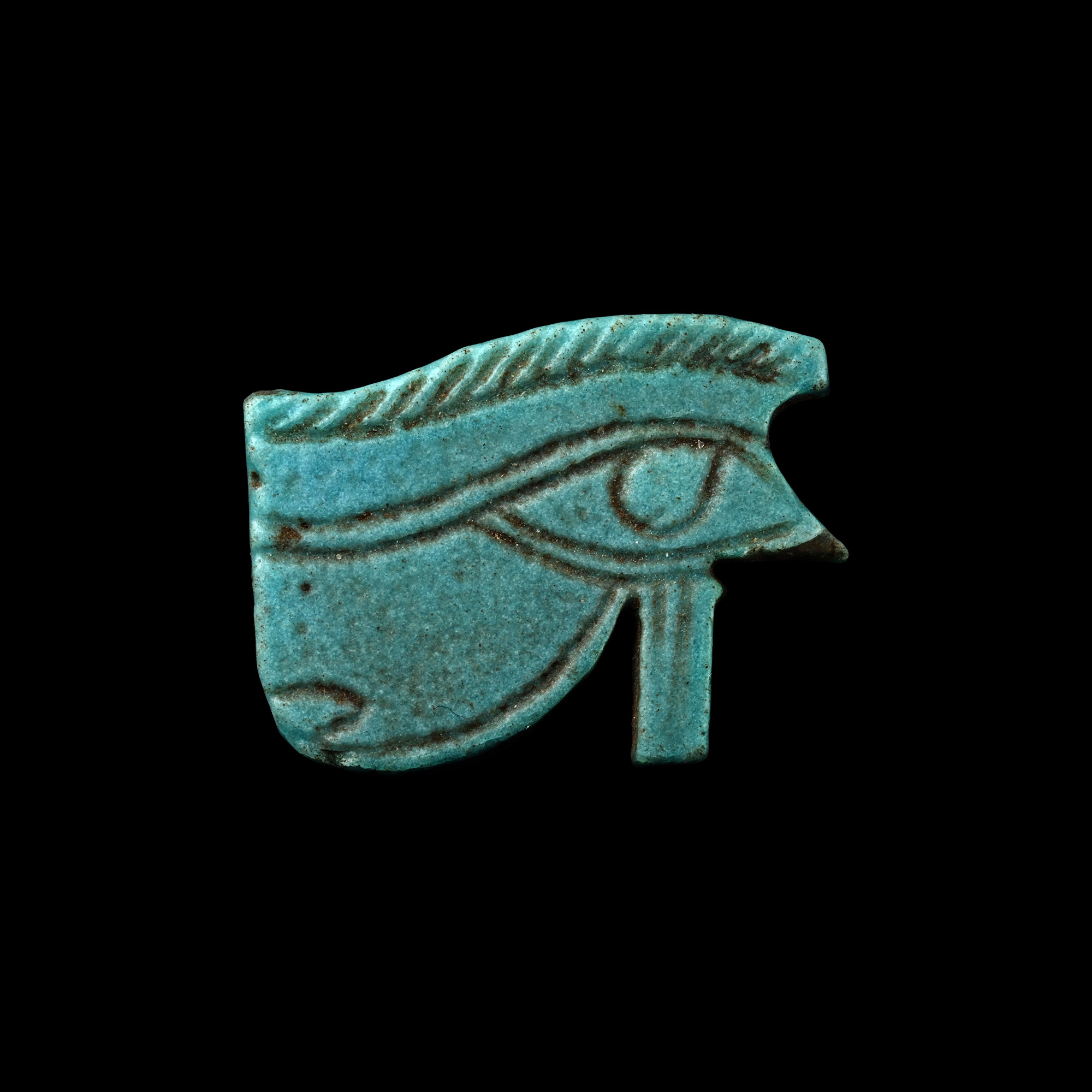
Egyptian Eye of Horus Amulet
LATE PERIOD, 664-332 B.C.
3/4 in. (1.71 grams, 21 mm).
Blue glazed wedjat eye with incised details to one face, pierced for suspension.
ProvenanceEx AB collection, Surrey, 1940s, thence by descent.
This lot is accompanied by an illustrated lot declaration signed by the Head of the Antiquities Department, Dr Raffaele D'Amato.
TimeLine Auctions follows a vetting process to ensure the authenticity and legality of all items, reinforcing our commitment to integrity and responsible trading. Each antiquity, antique, and coin lot undergoes thorough examination by a vetting committee of at least ten external specialists, professional trade association members, scientists, and archaeologists: Our Vetting Process
AUCTIONS:
TimeLine is a leading auction house specialising in antiquities, ancient art, collectables, natural history, coins, medals, and books. Our auctions offer museums, collectors, historians, and enthusiasts the opportunity to acquire unique and historically significant pieces.
LOT 0422
Egyptian Eye of Horus Amulet
Estimate £400 - 600€460 - 700 (for guidance only)$540 - 810 (for guidance only)
-
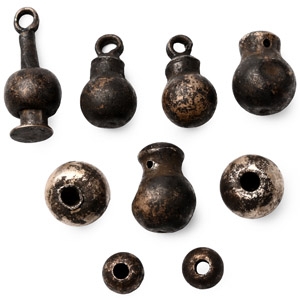
Egyptian Silver Poppy Amulet Collection
Late-Ptolemaic Period, 664-30 B.C.Sold for (Inc. bp): £234
Group of poppy-head amulets, some with suspension loop, others pierced. 7.21 grams total, 5-18 mm
Ex London, UK, gentleman 1980-1990s. This lot is accompanied by an illustrated lot declaration signed by the Head of the Antiquities Department, Dr Raffaele D'Amato.
Amulets in the form of poppies were used to heal and alleviate pain and to ward off death. These types of amulets were also linked to Osiris, the Egyptian deity of agriculture, death, and the afterlife. -
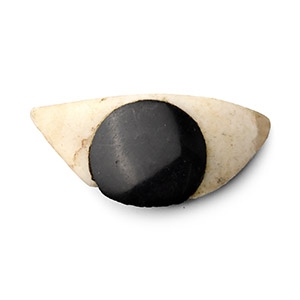
Egyptian Stone Mummy Eye
Late Period, 664-332 B.C.Sold for (Inc. bp): £117
Carved insert for a mask, white with large inset black pupil. 9.94 grams, 39 mm
From the collection of a gentleman, acquired on the London art market in the 1990s. This lot is accompanied by an illustrated lot declaration signed by the Head of the Antiquities Department, Dr Raffaele D'Amato. -
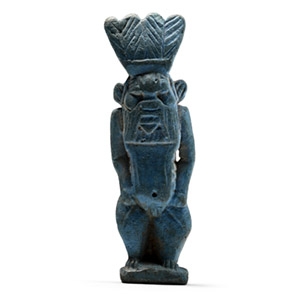
Egyptian Blue Amulet of Bes
Third Intermediate Period, circa 1069-735 B.C.Sold for (Inc. bp): £520
Modelled in the round, Bes standing nude with a lion's tail, wearing a feathered headdress. 4.13 grams, 44 mm
Archéologie; François de Ricqlès, Paris, 30 September-1 October 1996, no.322 (part). Private collection, London, UK, acquired from the above sale. Accompanied by a copy of a French cultural passport, dated 30 September 1996. Accompanied by a copy of the François de Ricqlès invoice. This lot has been checked against the Interpol Database of stolen works of art and is accompanied by a search certificate number no.12630-235074. This lot is accompanied by an illustrated lot declaration signed by the Head of the Antiquities Department, Dr Raffaele D'Amato.
From the New Kingdom onwards, Bes became one of ancient Egypt's most popular apotropaic deities. Despite his somewhat fearsome appearance, Bes served as the patron and protector of pregnant women and children, and was also believed to shield them from snakes.
