
Loading, please wait...
LOT 0453
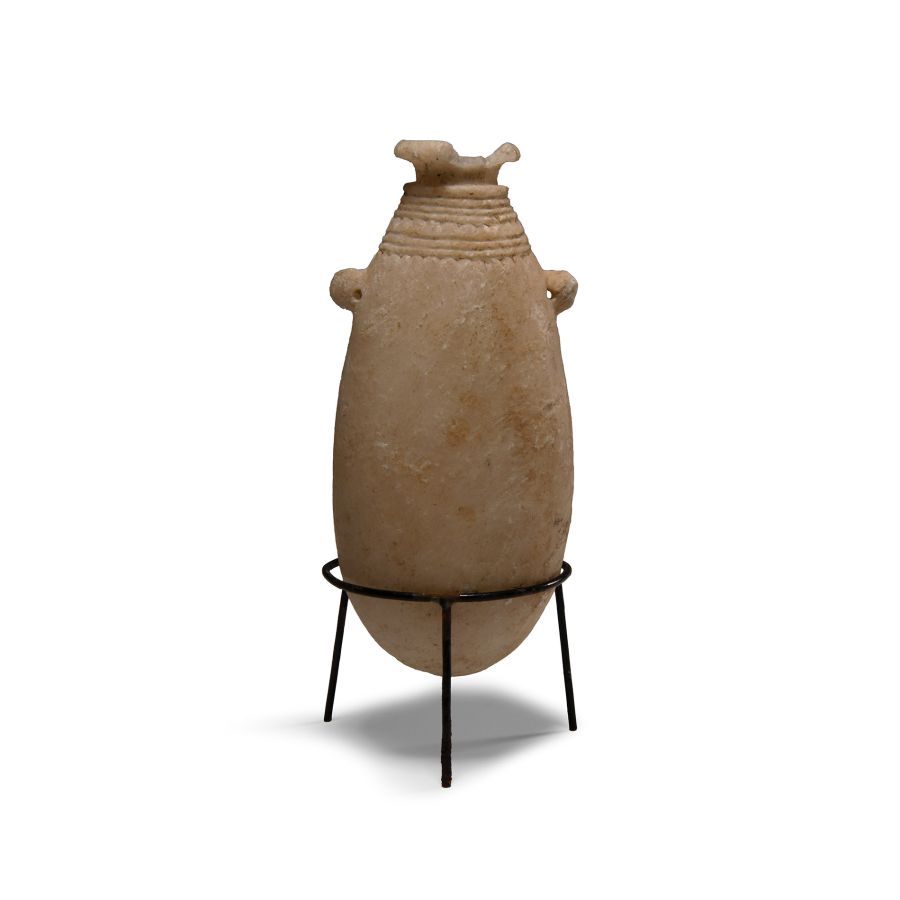
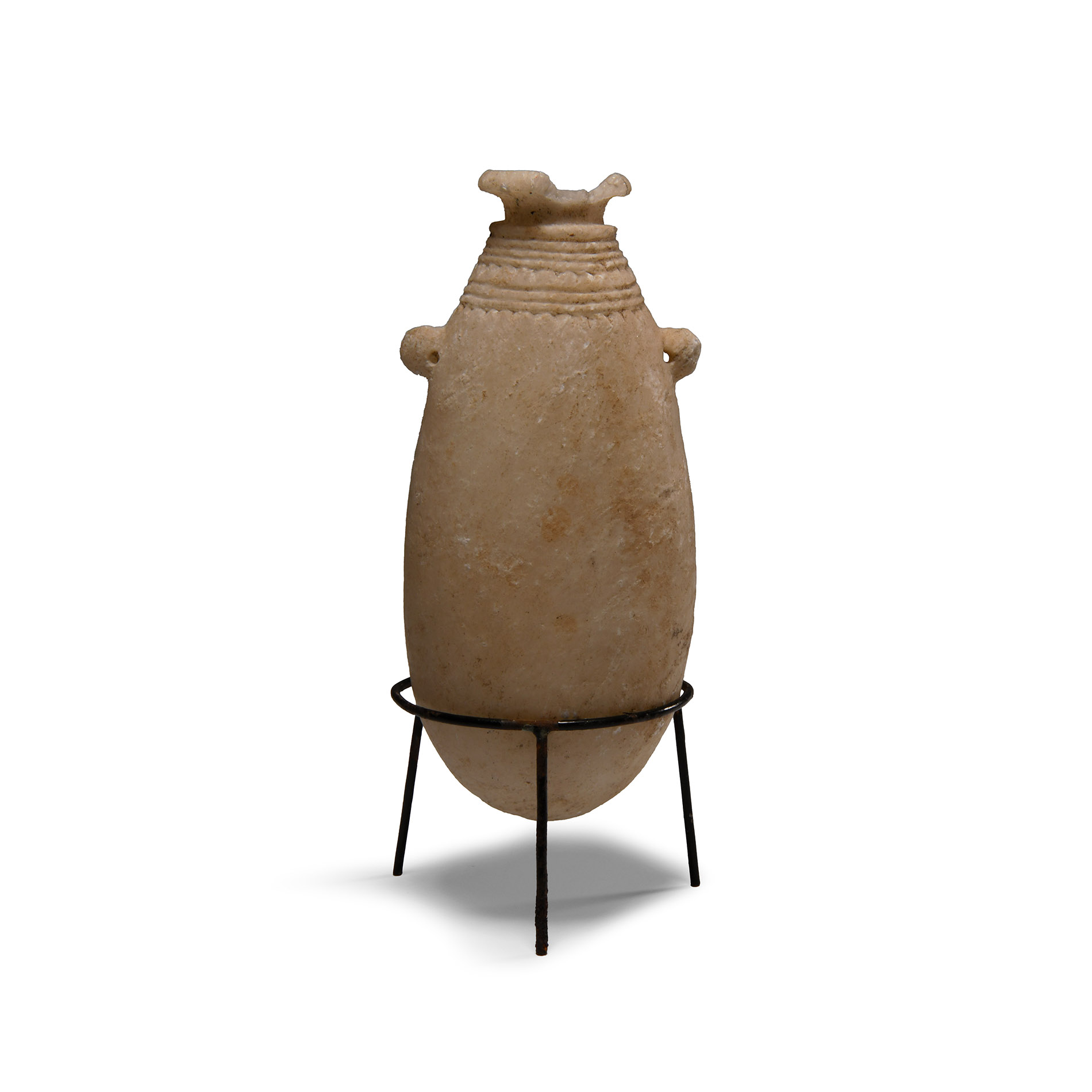
Egyptian Decorated Alabaster Alabastron
CIRCA 500 B.C.
6 in. (281 grams total, 15 cm high including stand).
Lentoid in section with pierced lateral lugs at the shoulder, circumferential banding at the neck with dentilled detailing; supplied with a custom-made stand.
ProvenancePrivate collection, Germany, 1990s-2000s.
LiteratureSee The Metropolitan Museum, New York, accession number 41.162.157, for similar.
CONDITIONTimeLine Auctions follows a vetting process to ensure the authenticity and legality of all items, reinforcing our commitment to integrity and responsible trading. Each antiquity, antique, and coin lot undergoes thorough examination by a vetting committee of at least ten external specialists, professional trade association members, scientists, and archaeologists: Our Vetting Process
AUCTIONS:
TimeLine is a leading auction house specialising in antiquities, ancient art, collectables, natural history, coins, medals, and books. Our auctions offer museums, collectors, historians, and enthusiasts the opportunity to acquire unique and historically significant pieces.
-
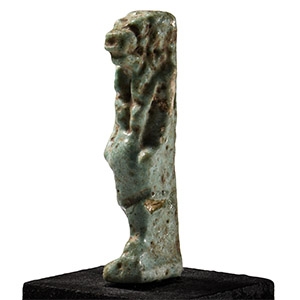
Egyptian Faience Taweret Amulet
Late Period, 664-332 B.C.Sold for (Inc. bp): £98
The pendant of Taweret in hippopotamus form, pierced lug to the rear; mounted on a custom-made stand. 9.66 grams total, 50 mm high including stand
Ex Pax Romana, London WC1. Private collection of Mr T.H., Norfolk, UK. Accompanied by a previous dealer's certificate of authenticity.
Taweret was a female hippopotamus, with the arms and legs of a lion and the back and tail of a crocodile. Despite her fearsome appearance, Taweret was a household deity and protector of women in childbirth. -
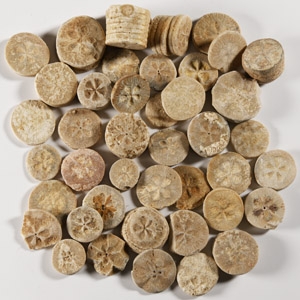
Egyptian Limestone Floral Inlay Group
Roman Period, 30 B.C.-323 A.D.Sold for (Inc. bp): £117
Group of discoid inlay plaques with cinquefoil motif. 77 grams total, 11-20 mm
From a central London ADA member's gallery, 1990s. -
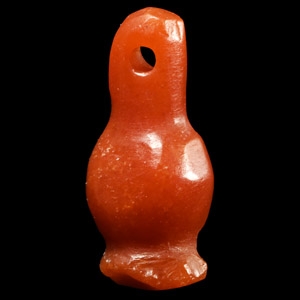
Egyptian Orange Carnelian Poppy Head Amulet
New Kingdom, 18th Dynasty, 1550-1292 B.C.Sold for (Inc. bp): £98
Polished and with integral suspension loop. 0.3 grams, 11 mm
UK gallery, early 2000s.
