
Loading, please wait...
LOT 0714
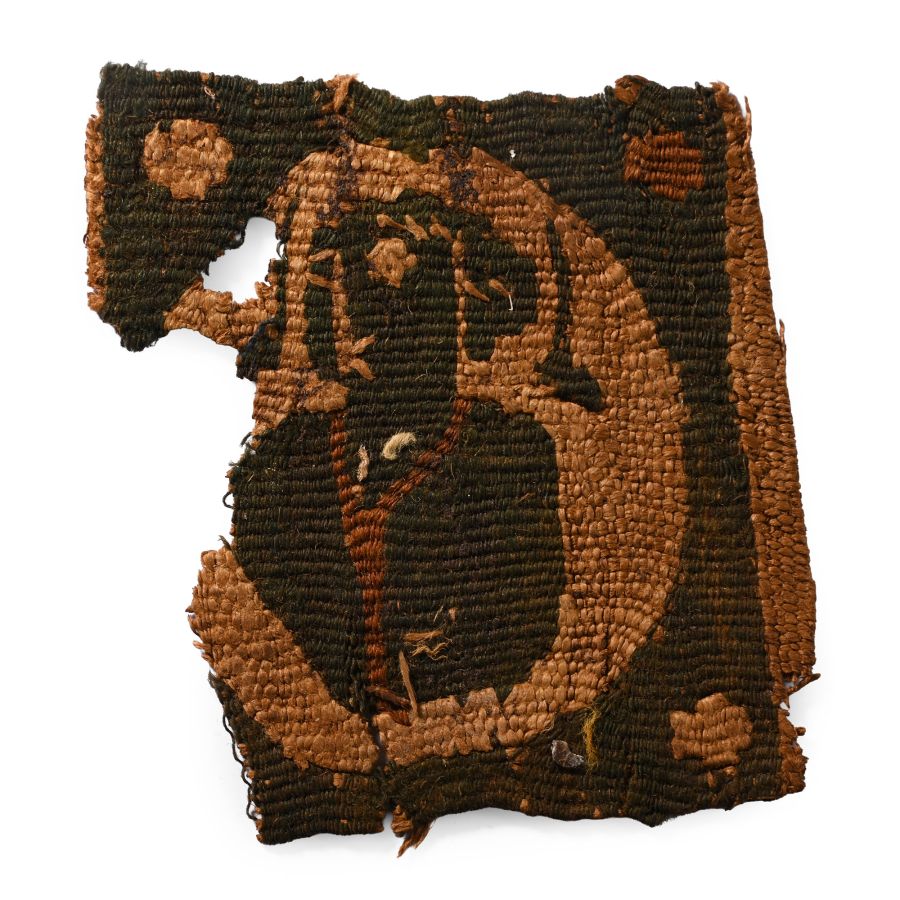
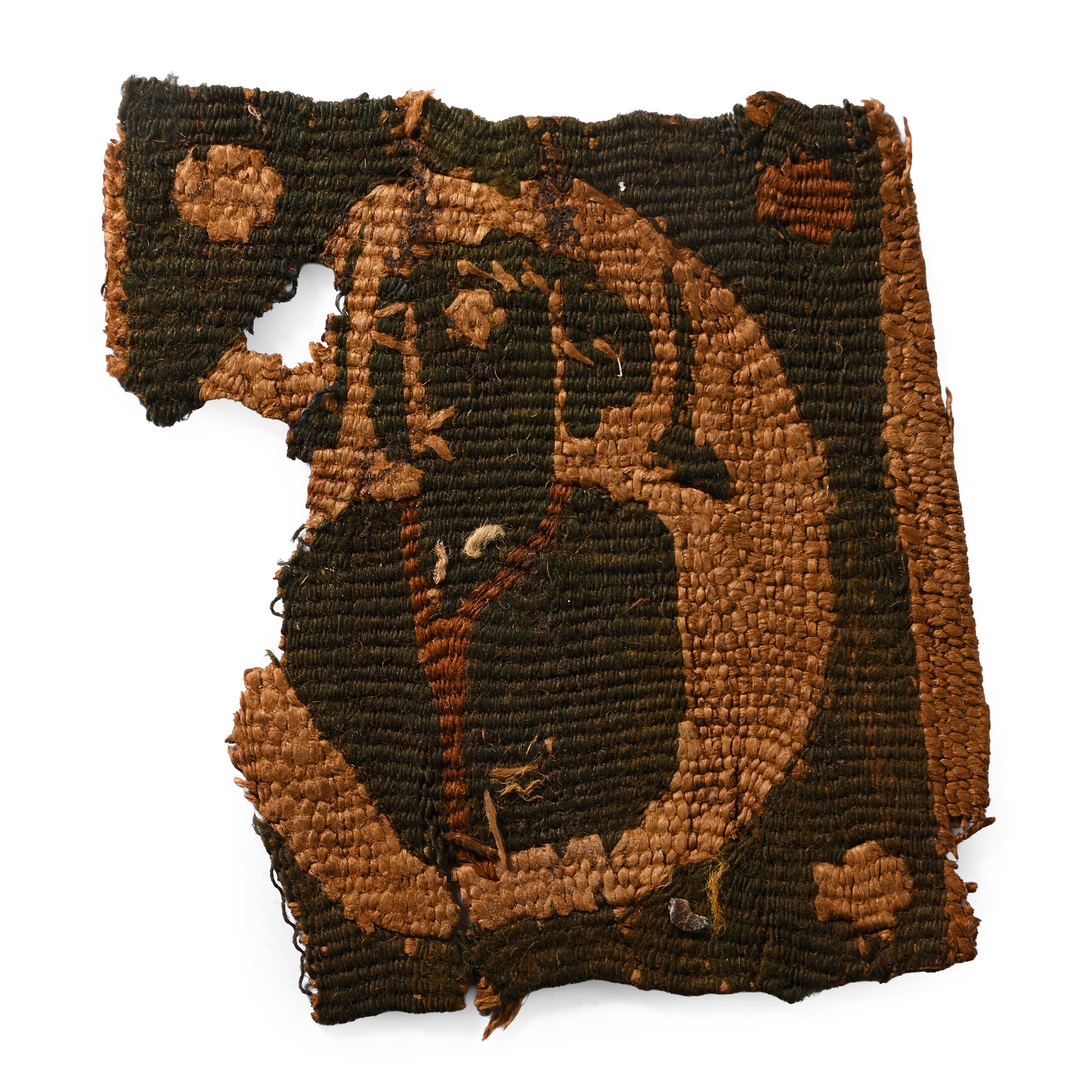
Egyptian Coptic Tunic Textile Fragment with Bust of a Man
CIRCA 6TH CENTURY A.D.
3 1/4 in. (3.41 grams, 82 mm).
A tablion in purple and red wool on linen, showing a male figure inside a medallion, four circlets on the corners. [No Reserve]
ProvenanceAcquired 1970s-1996.
Property of a North American collector.
London collection, 2016.
Cf. Rutschowscaya, M.H., Tissus Coptes, Paris, 1990, p.33, for a similar figure in a medallion (Louvre inv.no.AF 5664).
FootnotesThe tabula, or tablion, was a square embroidery used to decorate tunics or mantles. Such images, depicting black warriors or hunters, are possibly related to the Dionysiac cortege or to Nilotic iconography.
CONDITIONTimeLine Auctions follows a vetting process to ensure the authenticity and legality of all items, reinforcing our commitment to integrity and responsible trading. Each antiquity, antique, and coin lot undergoes thorough examination by a vetting committee of at least ten external specialists, professional trade association members, scientists, and archaeologists: Our Vetting Process
AUCTIONS:
TimeLine is a leading auction house specialising in antiquities, ancient art, collectables, natural history, coins, medals, and books. Our auctions offer museums, collectors, historians, and enthusiasts the opportunity to acquire unique and historically significant pieces.
LOT 0714
Egyptian Coptic Tunic Textile Fragment with Bust of a Man
Estimate £40 - 60€46 - 70 (for guidance only)$54 - 81 (for guidance only)
Opening Bid
£5 (EUR 6; USD 7) +BP*
-
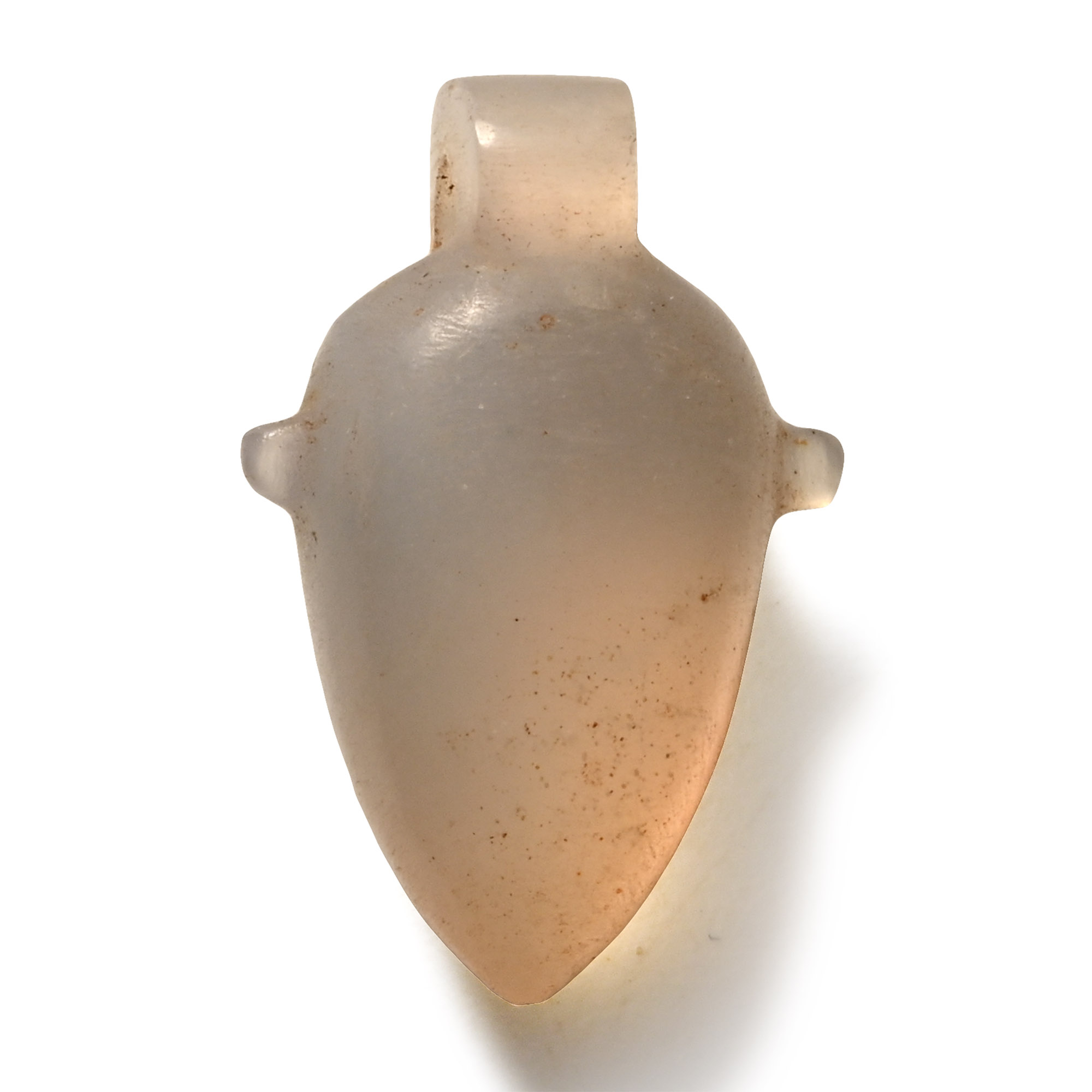
Egyptian Chalcedony Heart Amulet
Late Period, 664-332 B.C.Estimate: £100 - 140 (+bp*)
Opening Bid: £50
Carved with lateral lugs and surmounted by a suspension loop. 0.85 grams, 15 mm
Ex London collection, 1990s.
Ancient Egyptians viewed the heart (ib) as the seat of intelligence, emotions, behaviour, and memory. During the ‘Weighing of the Heart’ ceremony, it spoke for the deceased before Osiris and accounted for their actions. For this reason, Egyptians placed heart amulets on mummies to protect the organ and secure a favourable judgment. -
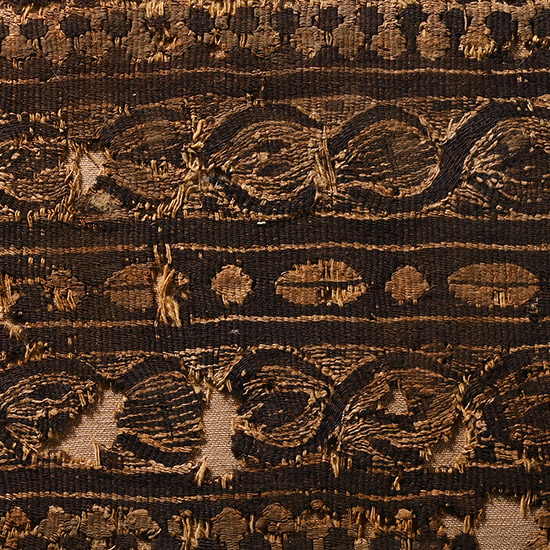
Egyptian Mounted Coptic Tunic Textile Fragment of a Clavus with Nilotic Ornament
Circa 6th century A.D.Estimate: £40 - 60 (+bp*)
Bids: 2 | Current Bid: £10
Comprising a large segmentum in linen and wool, purple wool on linen, S-torsion, borders with dentilled decoration, floral and vegetal embroidery divided into three running strips; mounted on linen backing. 88 grams total, 26 cm
Acquired 1970s-1996. Property of a North American collector. London collection, 2016.
This embroidery was typical of tunics and garments characterised by full-length clavi, decorated with either intricate geometric patterns or with a multitude of small figures and animals, often edged with geometric borders and finished with thick, weft-loop fringes or cords. -
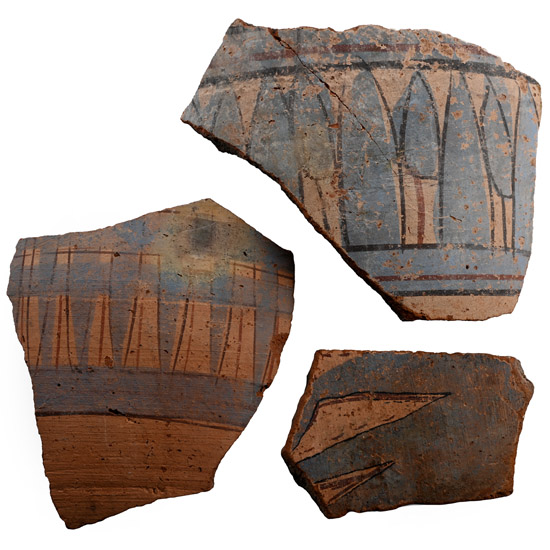
Large Egyptian Painted Bowl Fragments
New Kingdom, 18th Dynasty, Amarna Period, 1379-1362 B.C.Estimate: £80 - 100 (+bp*)
Opening Bid: £5
Three substantial fragments from blue-painted vessels, two with stylised floral motifs and one with a fragment of figurative decoration. 300 grams total, 8.3-13.2 cm
Acquired circa 1979. From the private collection of Peter Clayton, FCILIP, Dip, Arch, FSA, FRNS, Hemel Hempstead, Hertfordshire, UK; formed since the late 1950s.
The distinctive blue colour on these pottery fragments derives from a cobalt-and-aluminium slip that reacts during firing. The designs could incorporate floral, geometric, and figurative motifs (for an illustrated discussion of the technical production of blue-painted pottery, see Seyfried, F. (ed.), In the Light of Amarna: 100 Years of the Nefertiti Discovery, Berlin, 2012, pp. 132-135.
