
Loading, please wait...
LOT 0733
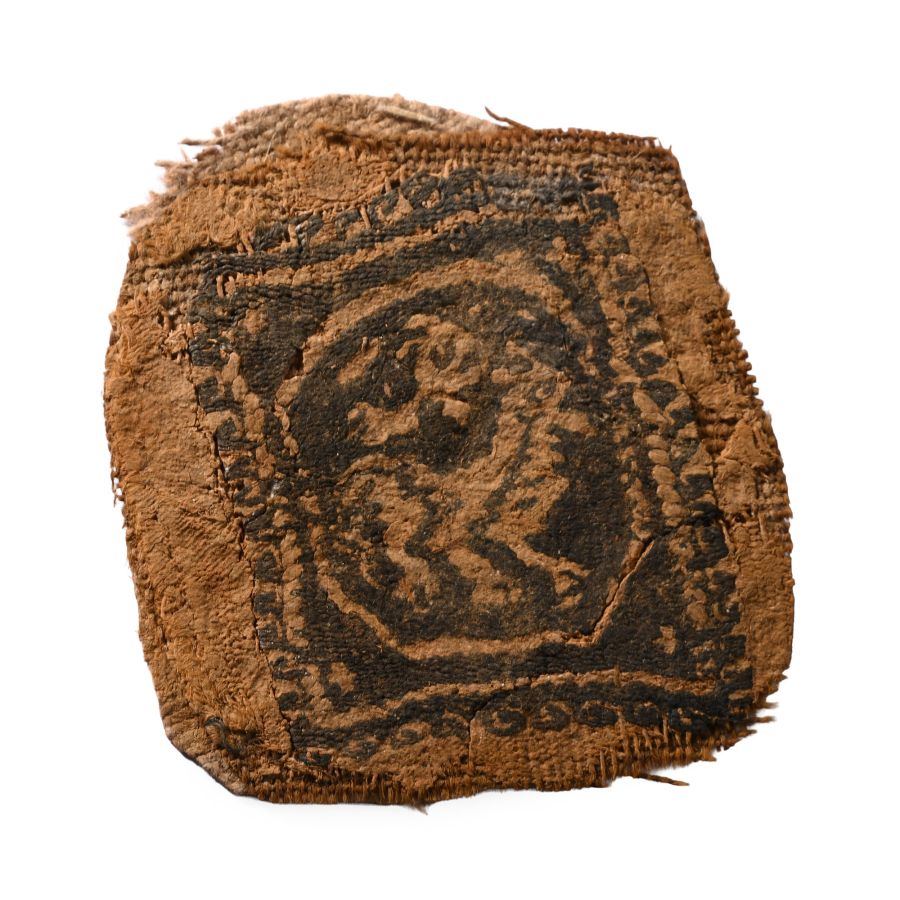
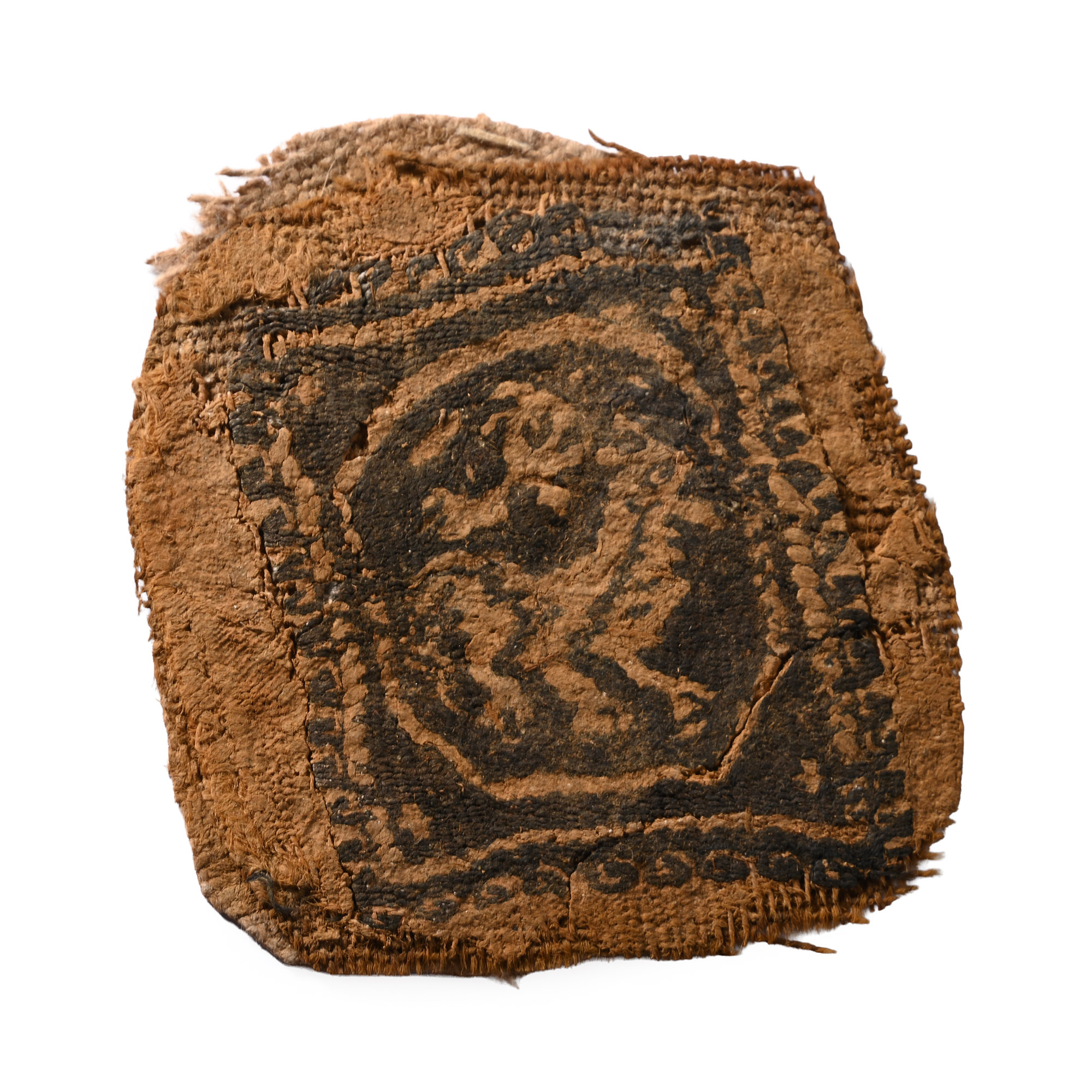
Egyptian Coptic Textile Fragments from a Tunic Tablion with Putto and Horse
CIRCA 5TH-6TH CENTURY A.D.
2 5/8 - 2 7/8 in. (3.84 grams total, 67-74 mm).
In white linen and blue wool, tapestry work (S-twist), showing a flying putto with a horse, borders with meander decorations. [2, No Reserve]
ProvenanceAcquired 1970s-1996.
Property of a North American collector.
London collection, 2016.
Cf. Del Francia Barocas, L., Museo dell'Alto Medioevo, Roma, I materiali Copti, pp.138-139, nos.29 A-B, for a similar textile.
FootnotesThe tabula, or tablion, was a square embroidery used to decorate tunics or mantles.
CONDITIONTimeLine Auctions follows a vetting process to ensure the authenticity and legality of all items, reinforcing our commitment to integrity and responsible trading. Each antiquity, antique, and coin lot undergoes thorough examination by a vetting committee of at least ten external specialists, professional trade association members, scientists, and archaeologists: Our Vetting Process
AUCTIONS:
TimeLine is a leading auction house specialising in antiquities, ancient art, collectables, natural history, coins, medals, and books. Our auctions offer museums, collectors, historians, and enthusiasts the opportunity to acquire unique and historically significant pieces.
LOT 0733
Egyptian Coptic Textile Fragments from a Tunic Tablion with Putto and Horse
Estimate £50 - 70€58 - 81 (for guidance only)$68 - 95 (for guidance only)
Opening Bid
£5 (EUR 6; USD 7) +BP*
-
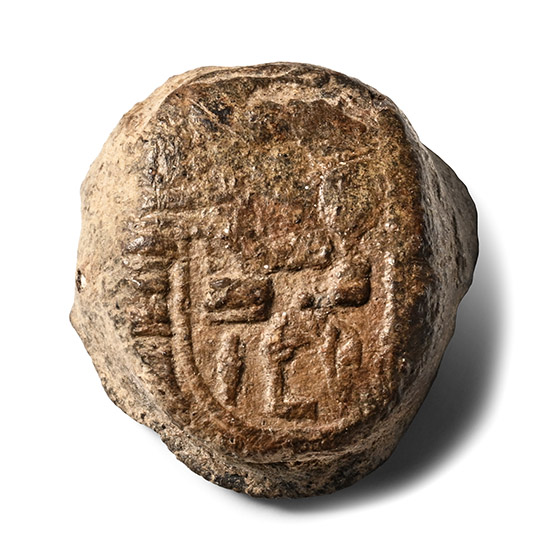
Egyptian Terracotta Bulla with Royal Cartouche
New Kingdom, circa 1400-1292 B.C.Estimate: £60 - 80 (+bp*)
Bids: 1 | Current Bid: £5
Discoid seal impression with one face preserving a partial impressed cartouche, the other side bearing the impression of a cord and linen. 1.92 grams, 17 mm
London, UK, art market, 1980s. Private collection, London, UK.
Clay seals were used to secure doors and containers holding valuable commodities and goods. The impression on the underside of this example indicates that it once sealed a linen bag or a linen lid cover. -
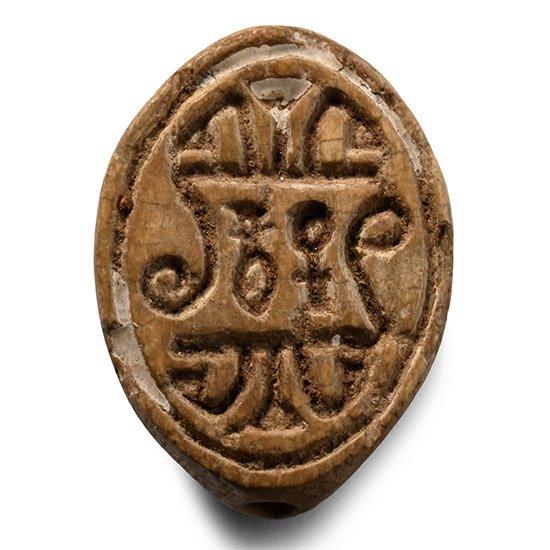
Egyptian Steatite Scaraboid Amulet with Hieroglyphs
Hyksos Period-early New Kingdom, circa 1782-1500 B.C.Estimate: £40 - 60 (+bp*)
Bids: 1 | Current Bid: £5
Plano-convex in section, underside with nfr and ankh hieroglyphs meaning 'good life', with a stylised lotus plant motif above and below. 2.36 grams, 20 mm
Excavated from Egypt in 1914. From the private collection of Mr David Sams and his wife, Elizabeth Kate Sams, gentry and amateur archaeologists who travelled to Egypt in 1914 with their daughter, Ethel. Mr Sams and his wife led digging expeditions from which these items come, from the family estate of Mr and Mrs Sams, by direct descent to their granddaughter. -
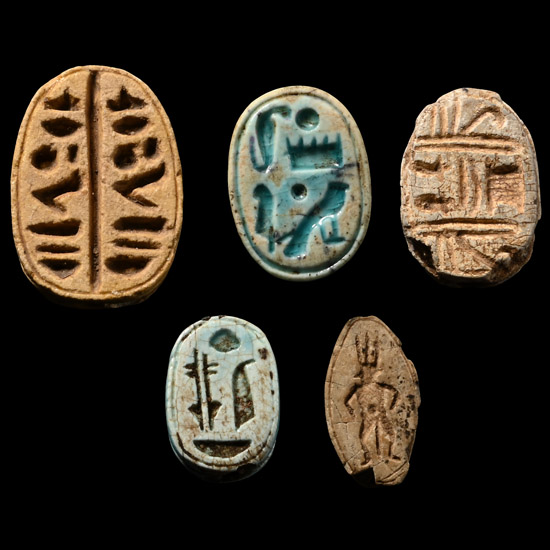
Egyptian and Phoenician Stone Scarab and Cowroid Group
Late Period-Ptolemaic Period, 664-30 B.C.Estimate: £120 - 170 (+bp*)
Bids: 2 | Current Bid: £10
Including turquoise, white, and cream scarabs with segmented carapaces and lateral leg detailing, hieroglyphs and symbols on the underside, and one slender cowroid bearing a stylised depiction of Bes. 9.27 grams total, 14-20 mm
From the private collection of a European gentleman (1942-2024), formed since the 1970s.
