
Loading, please wait...
LOT 0619
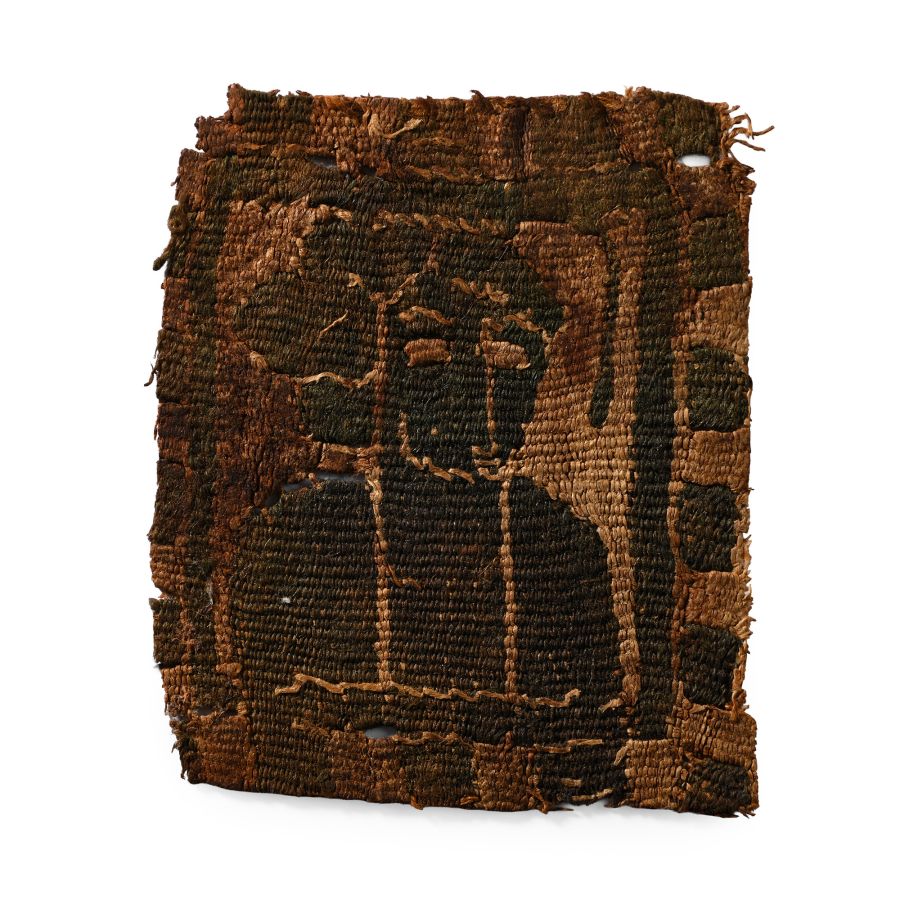
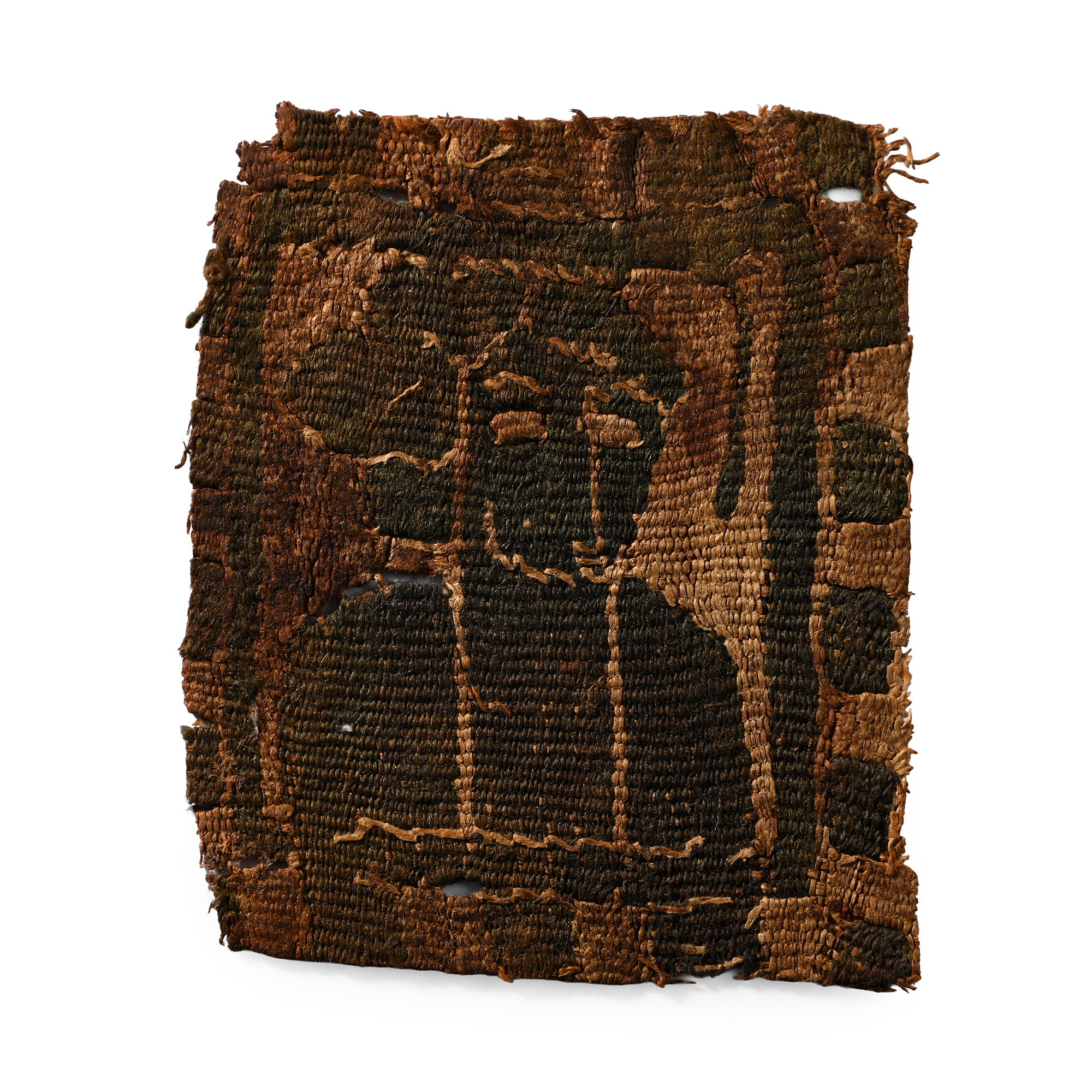
Egyptian Coptic Textile Fragment of a Tablion from a Tunic with Facing Bust
CIRCA 5TH CENTURY A.D.
4 in. (4.68 grams, 10 cm).
In linen and wool, showing the half-bust of a man clad in tunica paragaudata, borders with geometric decorations. [No Reserve]
ProvenanceAcquired 1970s-1996.
Property of a North American collector.
London collection, 2016.
Cf. Del Francia Barocas, L., Museo dell'Alto Medioevo, Roma, I materiali Copti, p.98, for a similar textile.
FootnotesThe tabula, or tablion, was a square embroidery used to decorate tunics or mantles. This one, interestingly, shows a man dressed in the typical late Roman tunic, featuring the image of a soldier or military servant.
CONDITIONTimeLine Auctions follows a vetting process to ensure the authenticity and legality of all items, reinforcing our commitment to integrity and responsible trading. Each antiquity, antique, and coin lot undergoes thorough examination by a vetting committee of at least ten external specialists, professional trade association members, scientists, and archaeologists: Our Vetting Process
AUCTIONS:
TimeLine is a leading auction house specialising in antiquities, ancient art, collectables, natural history, coins, medals, and books. Our auctions offer museums, collectors, historians, and enthusiasts the opportunity to acquire unique and historically significant pieces.
LOT 0619
Egyptian Coptic Textile Fragment of a Tablion from a Tunic with Facing Bust
Estimate £60 - 80€70 - 93 (for guidance only)$81 - 108 (for guidance only)
-
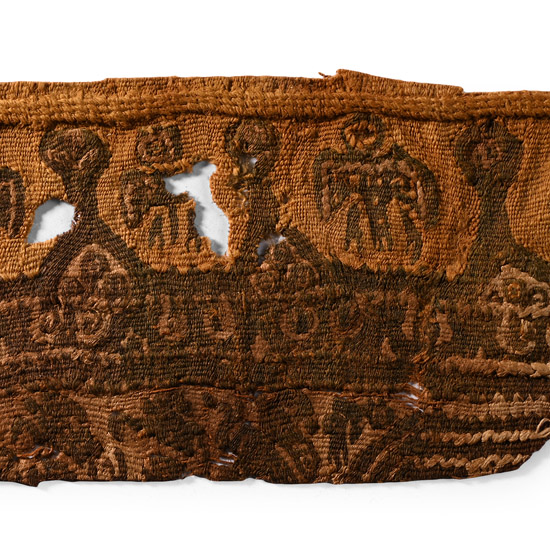
Egyptian Coptic Tunic Textile Fragment of a Segmentum with Eagles and Other Birds
Circa 7th century A.D.Estimate: £50 - 70 (+bp*)
Bids: 1 | Current Bid: £5
Fragment of a large segmentum in linen and wool, embroidered with rows of eagles and other birds, the borders with geometric decorations. 8 grams, 19 cm
Acquired 1970s-1996. Property of a North American collector. London collection, 2016.
The segment is realised in the tapestry technique. They were part of the decoration of a tunic, and the presence of the Imperial eagle, not a common pattern, could refer to a military tunic. -
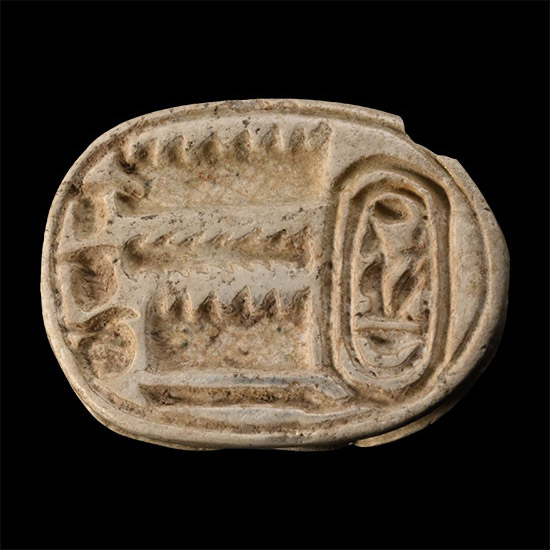
Egyptian Steatite Scarab for Pharaoh Amenhotep III
New Kingdom, 18th Dynasty, circa 1386-1349 B.C.Estimate: £300 - 400 (+bp*)
Bids: 1 | Current Bid: £5
Ellipsoid in plan with carapace and leg detailing; on the underside, a cartouche of Amenhotep III and possible epithet to the side, nb-mꜢꜤt-RꜤ (s)mn mnw ('Neb-maat-Re, establisher of monuments'). 2.54 grams, 17 mm
with a privately curated collection, 1980s-early 2000s. From the private collection and estate of Christine Simons (1943-2025), West Midlands, UK. Accompanied by a copy of a two page archival record and provenance report. -
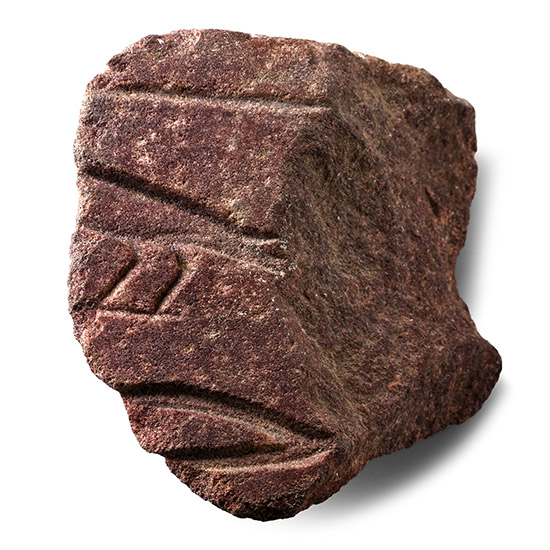
Egyptian Red Quartzite Granite Hieroglyphic Fragment
New Kingdom, 18th Dynasty, Amarna Period, 1379-1362 B.C.Estimate: £100 - 140 (+bp*)
Opening Bid: £5
Irregular fragment preserving two partial hieroglyphs: the swallow and the mouth signs, possibly writing the word wr, meaning 'great'. 150 grams, 81 mm
Acquired in April 1980. From the private collection of Peter Clayton, FCILIP, Dip, Arch, FSA, FRNS, Hemel Hempstead, Hertfordshire, UK; formed since the late 1950s. Accompanied by an old handwritten information card by Peter Clayton, collection no.145.
