
Loading, please wait...
LOT 0519
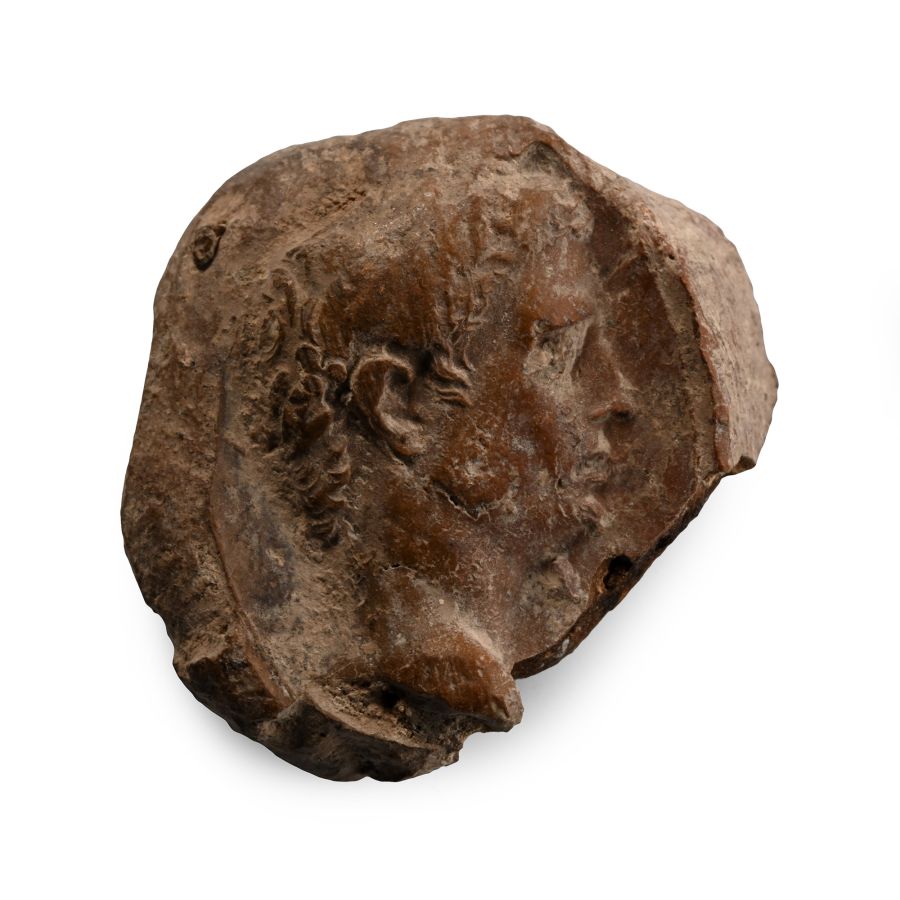
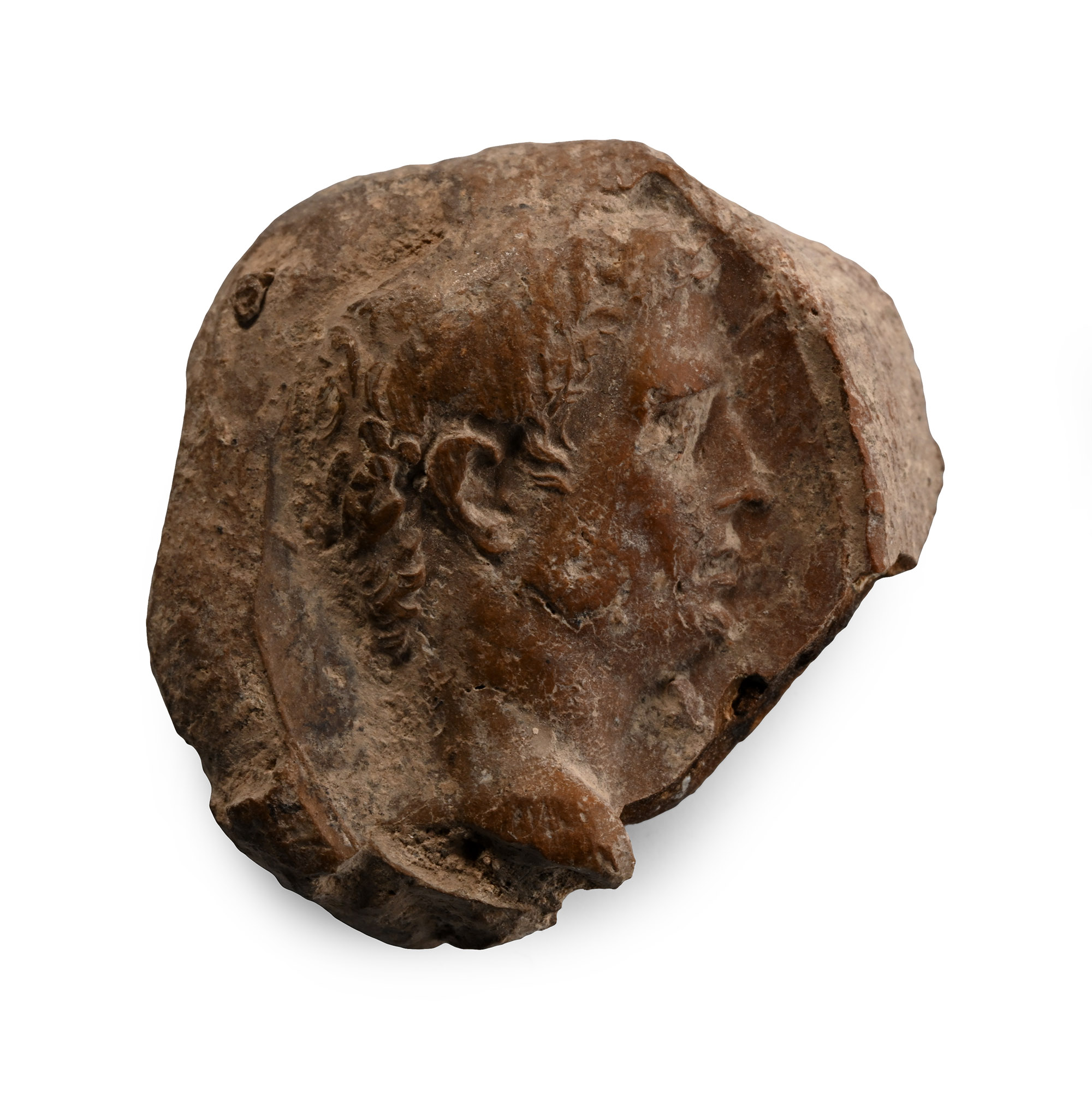
Egyptian Clay Papyrus Document Sealing with Bust of Tiberius
ROMAN PERIOD, EARLY 1ST CENTURY A.D.
1 in. (3.78 grams, 25 mm).
Discoid in plan with impressed seal, profile bust of Tiberius (14-37 A.D.) placed to one side.
ProvenanceEx German art market, 2000s.
Acquired from an EU collector living in London.
From the collection of a Surrey, UK, gentleman.
TimeLine Auctions follows a vetting process to ensure the authenticity and legality of all items, reinforcing our commitment to integrity and responsible trading. Each antiquity, antique, and coin lot undergoes thorough examination by a vetting committee of at least ten external specialists, professional trade association members, scientists, and archaeologists: Our Vetting Process
AUCTIONS:
TimeLine is a leading auction house specialising in antiquities, ancient art, collectables, natural history, coins, medals, and books. Our auctions offer museums, collectors, historians, and enthusiasts the opportunity to acquire unique and historically significant pieces.
LOT 0519
Egyptian Clay Papyrus Document Sealing with Bust of Tiberius
Sold for (Inc. bp): £208
-
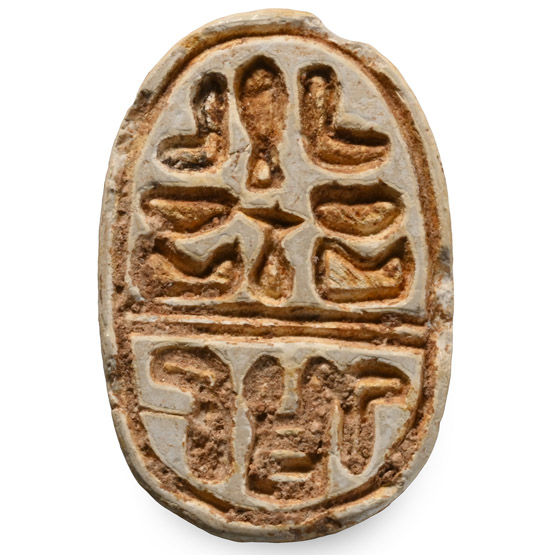
Egyptian White Stone Scarab with Hieroglyphs
Hyksos Period, 15th Dynasty, circa 1650-1550 B.C.Sold for (Inc. bp): £117
Plano-convex in section with scarab detailing to the upper face; underside featuring a hieroglyphic inscription, including addorsed stylised cobras, right-angled netjer and nefer signs; pierced longitudinally. 1.61 grams, 18 mm
Ex Constable collection, 1990s. Ex P. Morris collection. -
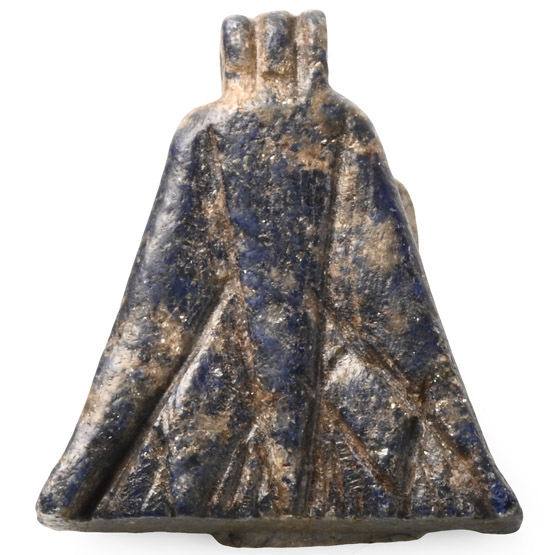
Egyptian Lapis Lazuli Lotus Amulet
Late Period, 664-332 B.C.Sold for (Inc. bp): £117
With ribbed suspension loop bell-shaped plaque; collector's sticker to reverse. 1.77 grams, 17 mm
Ex UK collection, 1970s.
The lotus served as a symbol of both divine beauty and the sun's rejuvenating power. -
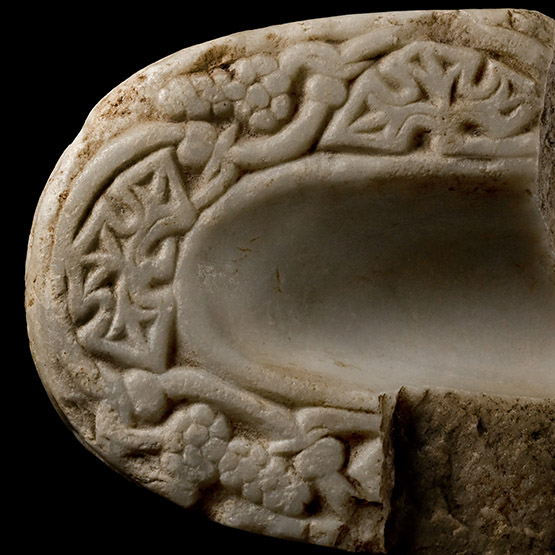
Coptic Marble Liturgical Vessel Fragment with Inscription
6th century A.D.Estimate: £1,500 - 2,000 (‡+bp*)
Opening Bid: £833
Tongue-shaped with low rounded pad on the underside, raised edge with low-relief decoration of grape vines and leaves, the edge with pairs of opposing doves eating grapes; dedicatory Demotic inscription on the underside. 87 grams, 55 mm
Acquired in the mid 1980s-1990s. Private collection, Switzerland, thence by descent. Private collection, since the late 1990s. Accompanied by an academic report by Dr Raffaele D'Amato. This lot has been checked against the Interpol Database of stolen works of art and is accompanied by a search certificate number no.12575-232108.
These vessels were used as liturgical objects for church offerings or ritual, and were extensively employed from late antiquity in ecclesiastical contexts.
