
Loading, please wait...
LOT 0633
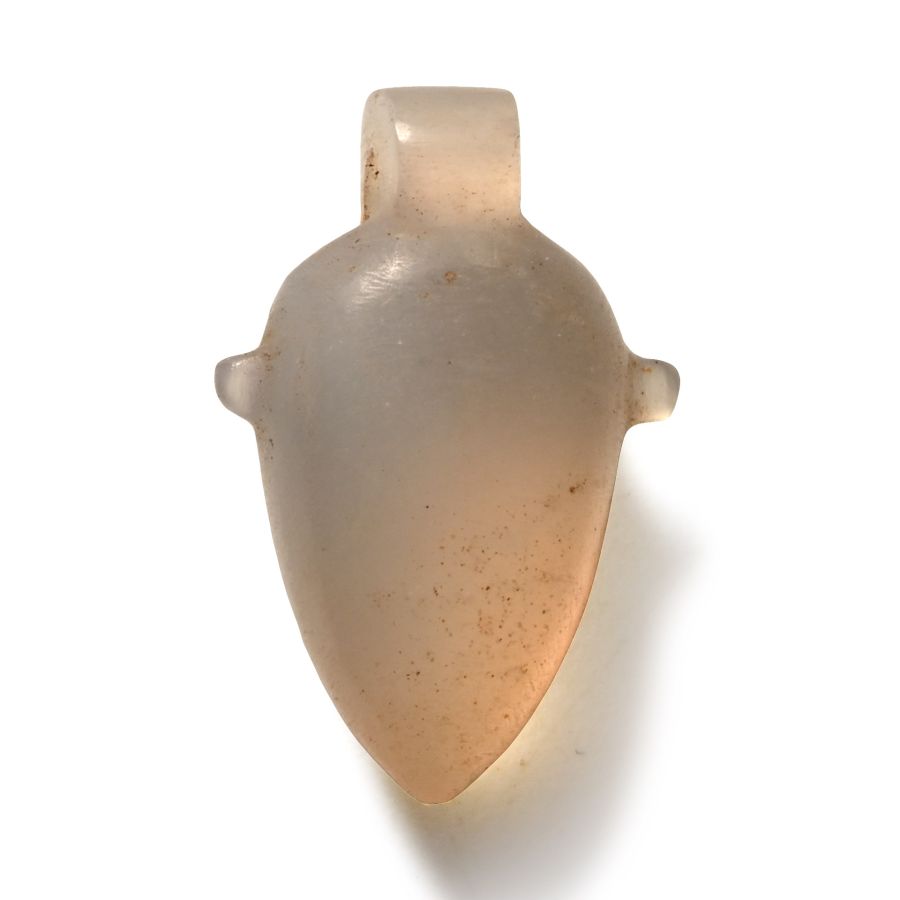
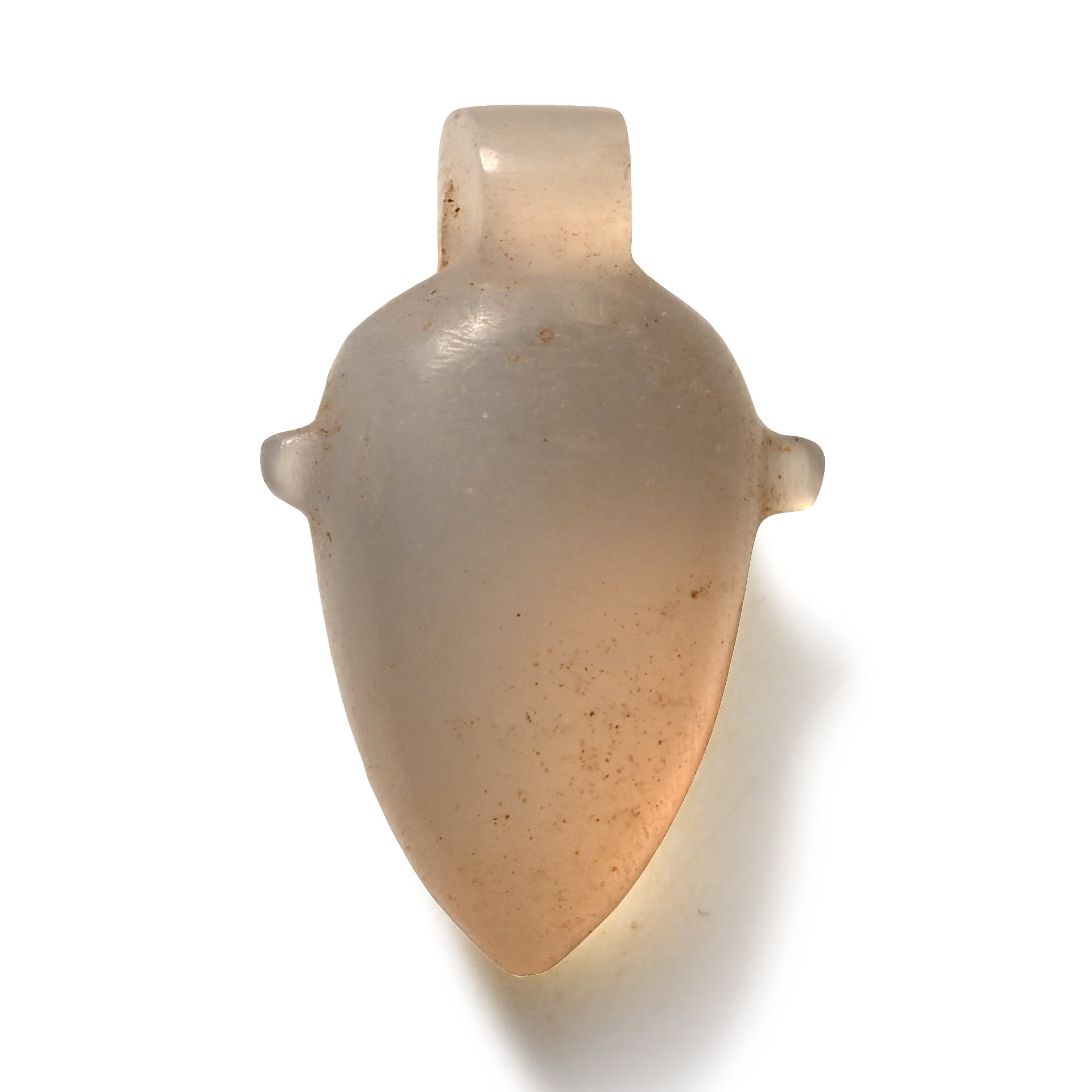
Egyptian Chalcedony Heart Amulet
LATE PERIOD, 664-332 B.C.
5/8 in. (0.85 grams, 15 mm).
Carved with lateral lugs and surmounted by a suspension loop.
ProvenanceEx London collection, 1990s.
FootnotesAncient Egyptians viewed the heart (ib) as the seat of intelligence, emotions, behaviour, and memory. During the ‘Weighing of the Heart’ ceremony, it spoke for the deceased before Osiris and accounted for their actions. For this reason, Egyptians placed heart amulets on mummies to protect the organ and secure a favourable judgment.
CONDITIONTimeLine Auctions follows a vetting process to ensure the authenticity and legality of all items, reinforcing our commitment to integrity and responsible trading. Each antiquity, antique, and coin lot undergoes thorough examination by a vetting committee of at least ten external specialists, professional trade association members, scientists, and archaeologists: Our Vetting Process
AUCTIONS:
TimeLine is a leading auction house specialising in antiquities, ancient art, collectables, natural history, coins, medals, and books. Our auctions offer museums, collectors, historians, and enthusiasts the opportunity to acquire unique and historically significant pieces.
LOT 0633
Egyptian Chalcedony Heart Amulet
Estimate £100 - 140€120 - 160 (for guidance only)$140 - 190 (for guidance only)
Opening Bid
£50 (EUR 58; USD 68) +BP*
-
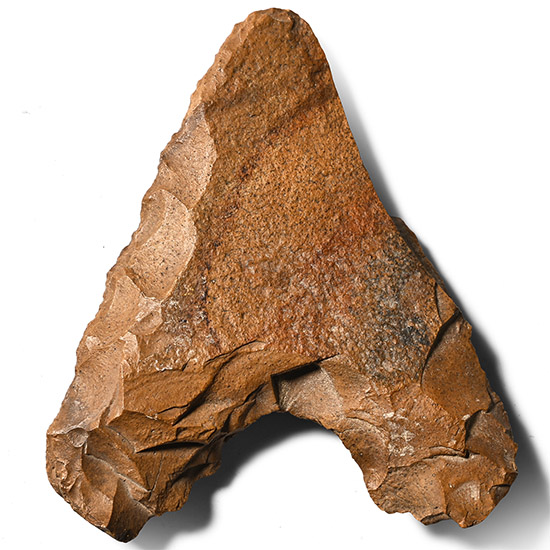
'Saqqara' Egyptian Stone Age Knapped Spearhead
Neolithic Period, circa 6,000 B.P.Estimate: £50 - 70 (+bp*)
Opening Bid: £5
Triangular in plan with swept barbs to the rear edge; marked 'Near Great Pyramid 1912' and 'G[.]RRA'. 59.5 grams, 84 mm
Found near the Great Pyramid, Saqqara, Egypt, 1912. Acquired from Sotheby's, 16 June 1959 (part), £4.10. From the private collection of Peter Clayton, FCILIP, Dip, Arch, FSA, FRNS, Hemel Hempstead, Hertfordshire, UK; formed since the late 1950s. Accompanied by a copy of an old handwritten identification card written by Peter Clayton. -
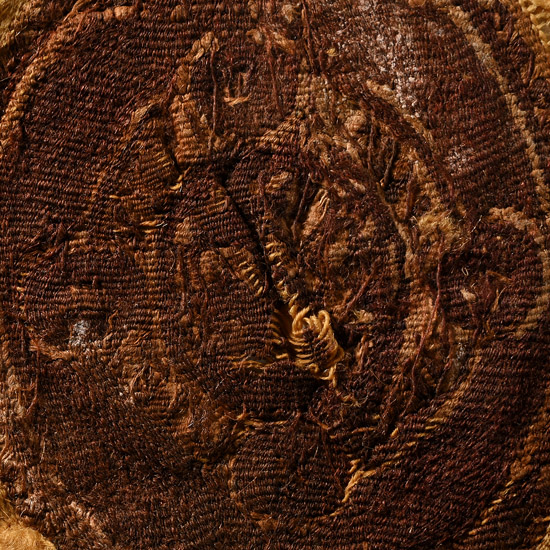
Egyptian Coptic Textile Fragment of an Orbiculus from a Tunic
Circa 4th century A.D.Estimate: £30 - 40 (+bp*)
Opening Bid: £5
In purple wool and coarse linen, on a brown linen background, S-torsion, embroidered with vegetal ornaments, and the borders decorated with meanders. 6.38 grams, 10 x 9.8 cm
Acquired 1970s-1996. Property of a North American collector. London collection, 2016.
In the Late Roman Period, round orbiculi decorated the shoulders and the lower part of tunics and kamisia (inner tunics). These fabrics were of great decorative finesse, displaying an unusual and extremely well-preserved colour palette. When the tunic was removed from use, these embroideries could be recycled and patched onto another garment. -
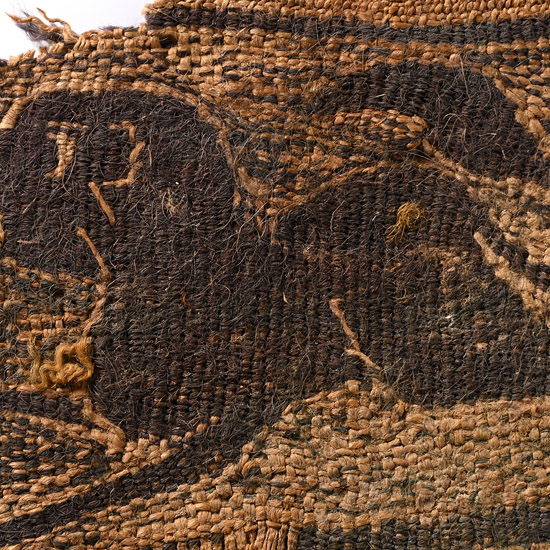
Egyptian Coptic Textile Fragment of a Clavus from a Tunic with Embroidered Lion
Circa 4th-5th century A.D.Estimate: £50 - 70 (+bp*)
Opening Bid: £5
With a representation of a running lion, with its tail curved over its body. 2.58 grams, 90 mm
Acquired 1970s-1996. Property of a North American collector. London collection, 2016.
The theme of rabbits or hares, in association with other characters and animals of the Dionysian thiasos (here, a lion), in a hunting setting, has notable parallels. Such representations are linked to narratives of the Dionysian cycle.
