
Loading, please wait...
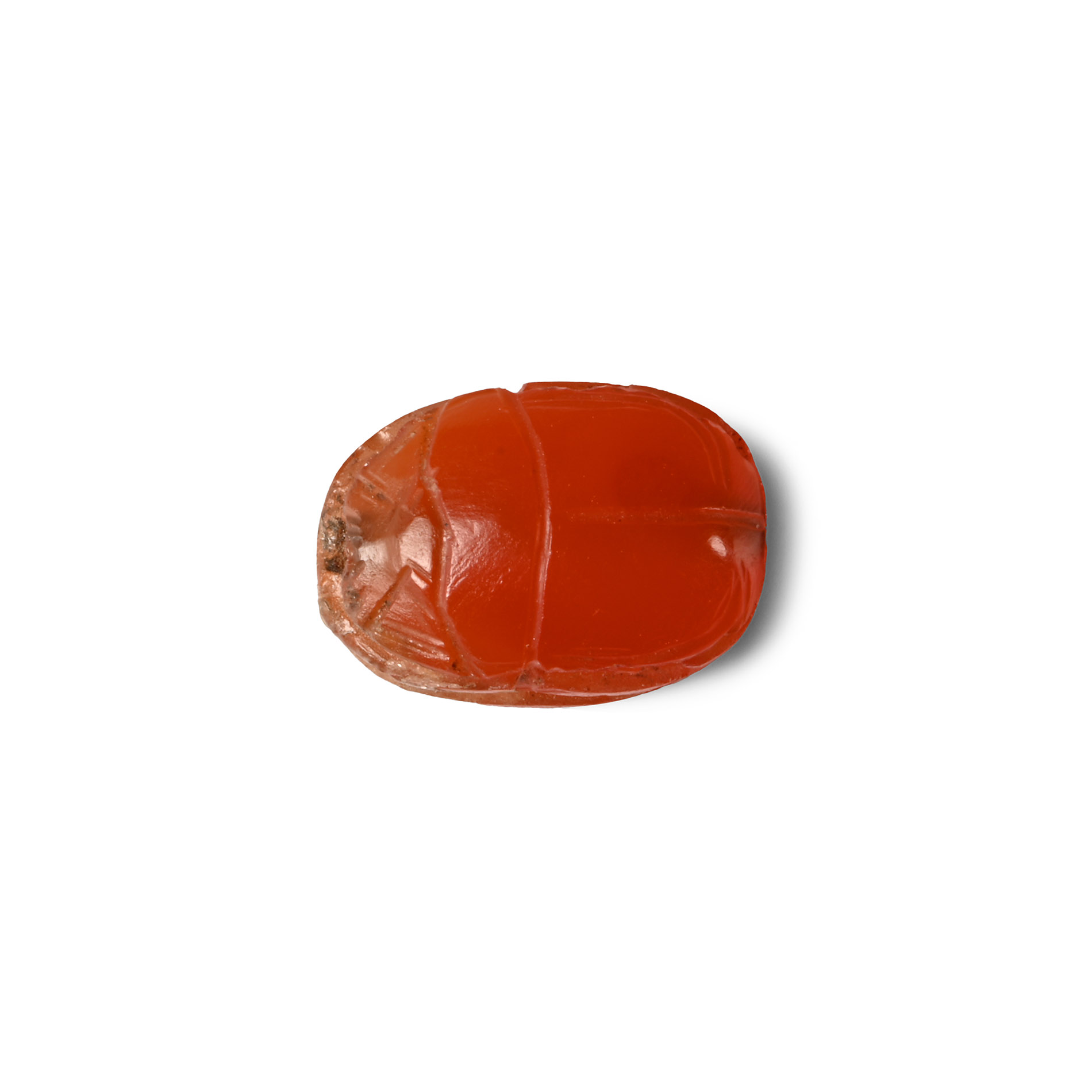
LOT 0037
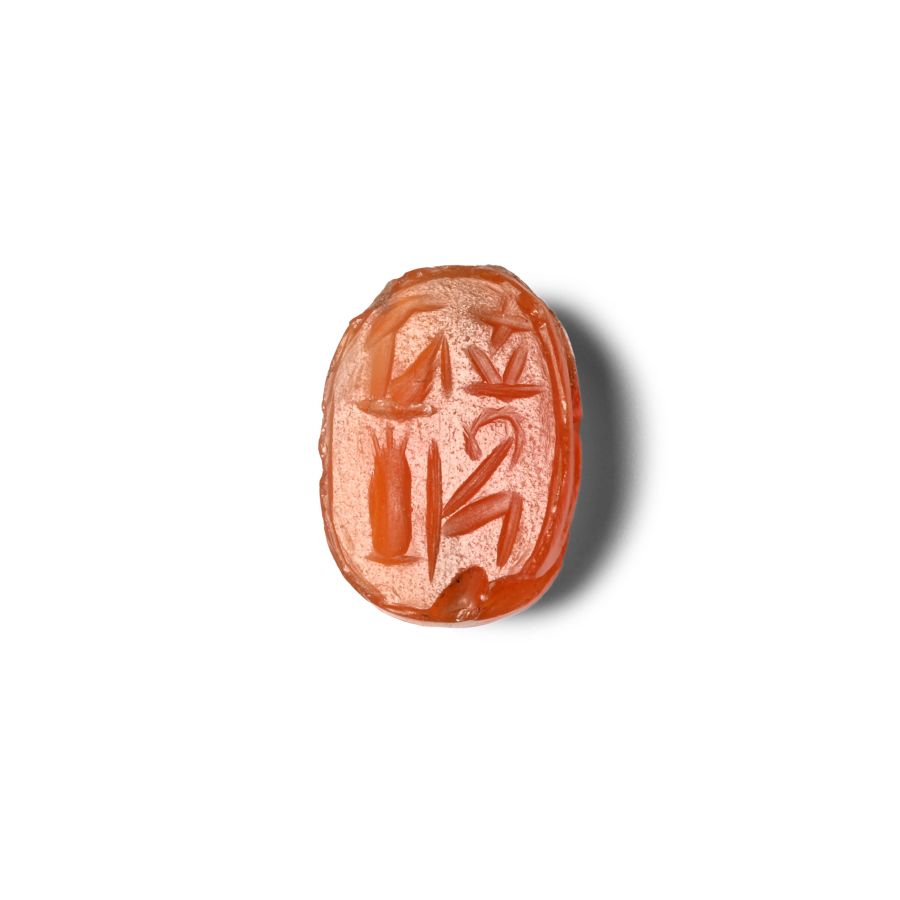
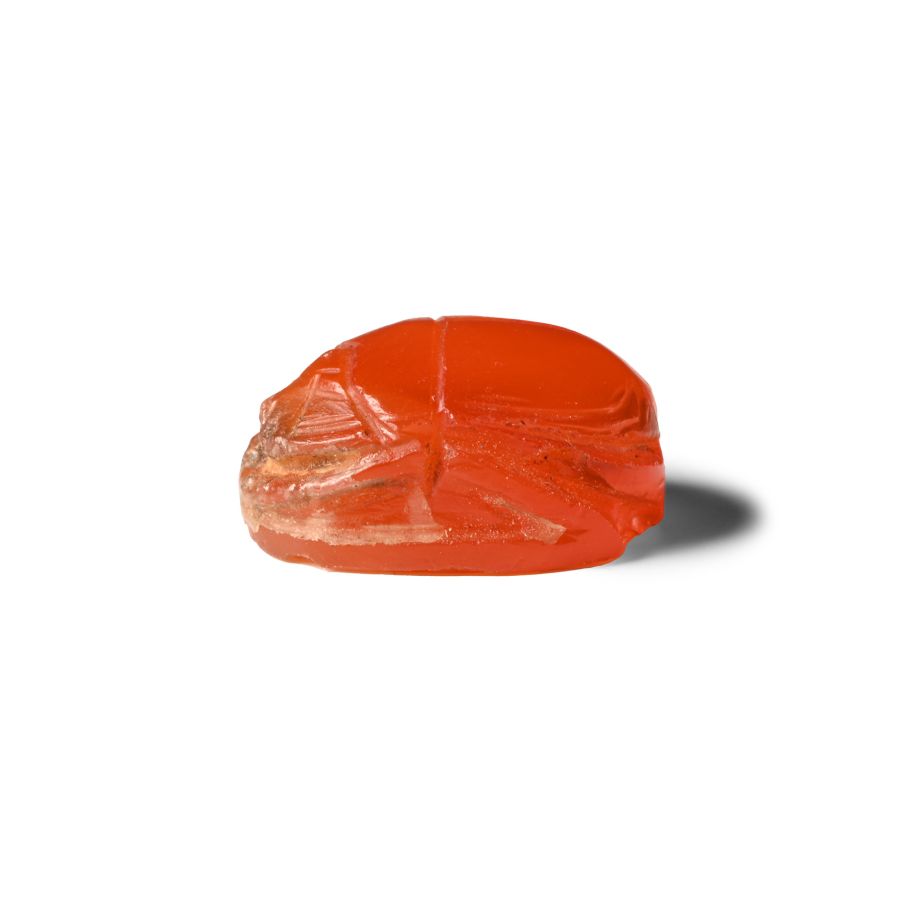
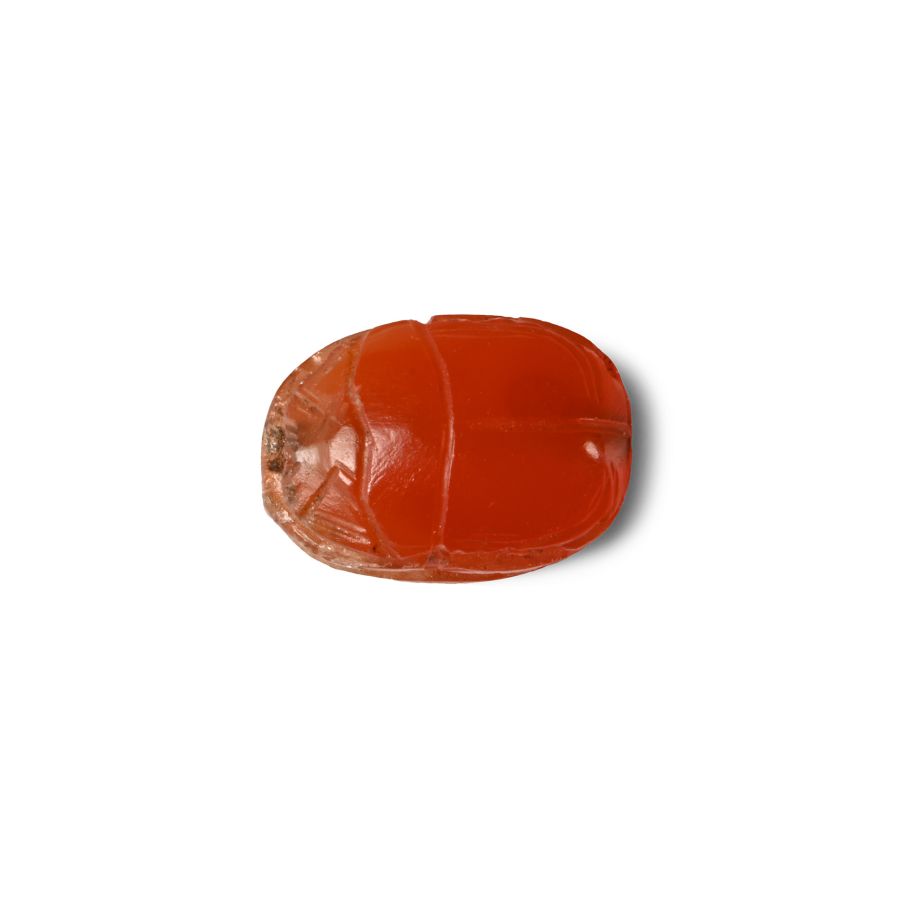
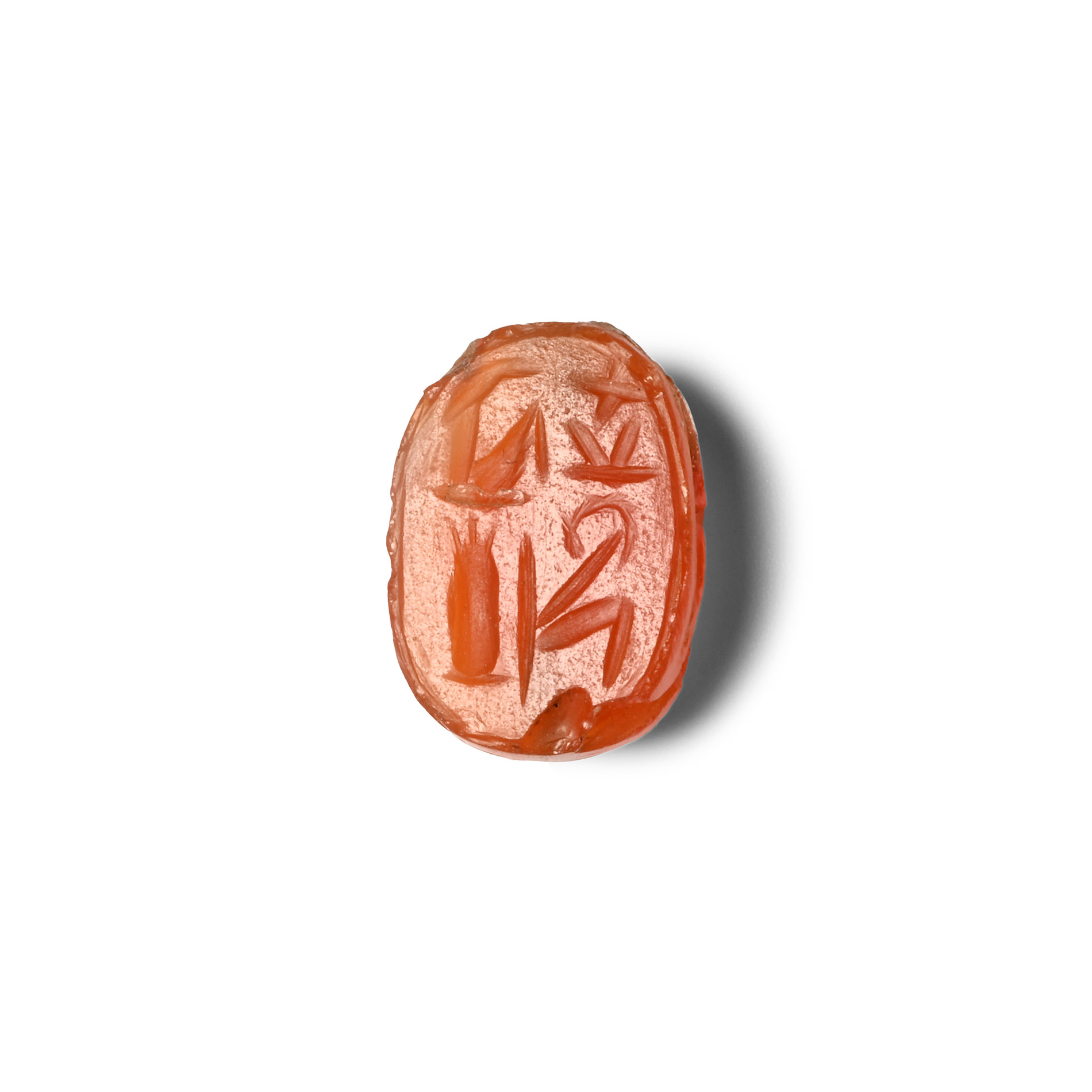
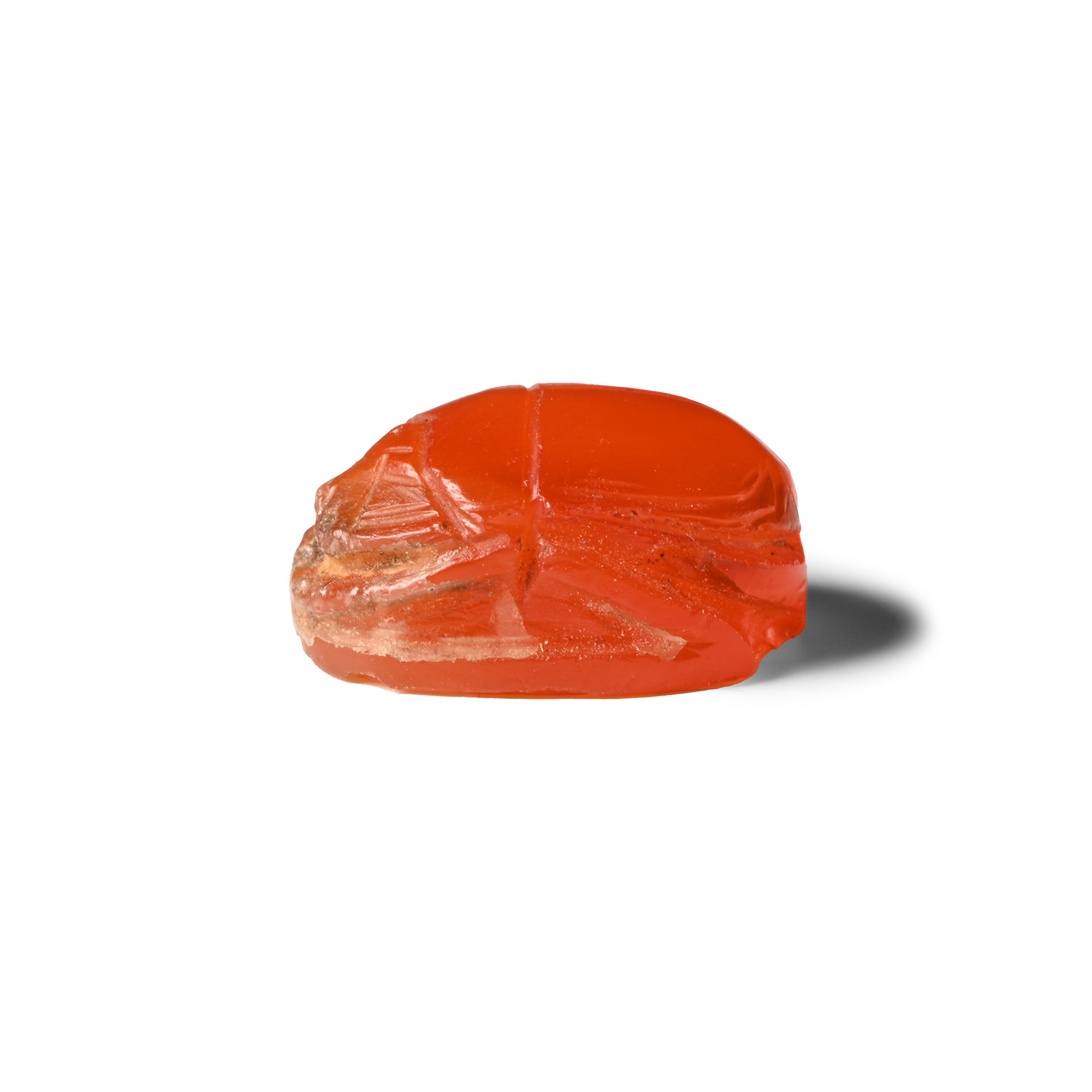
Egyptian Carnelian Scarab
NEW KINGDOM, 1550-1070 B.C.
5/8 in. (2.23 grams, 16 mm).
With incised carapace and leg detailing, hieroglyphs to the underside. [No Reserve]
ProvenanceEx North London, UK, gentleman, 1990s.
CONDITIONTimeLine Auctions follows a vetting process to ensure the authenticity and legality of all items, reinforcing our commitment to integrity and responsible trading. Each antiquity, antique, and coin lot undergoes thorough examination by a vetting committee of at least ten external specialists, professional trade association members, scientists, and archaeologists: Our Vetting Process
AUCTIONS:
TimeLine is a leading auction house specialising in antiquities, ancient art, collectables, natural history, coins, medals, and books. Our auctions offer museums, collectors, historians, and enthusiasts the opportunity to acquire unique and historically significant pieces.
-
.jpg)
Egyptian Bronze Kneeling Priest Statuette
Late Period, circa 664–332 B.C.Estimate: £1,500 - 2,000 (‡+bp*)
Opening Bid: £750
The male figure of a kneeling supplicant with back pillar inscribed with hieroglyphic text: 'Neith gives life [to] ...'. 54 grams total, 76 mm including stand
Private collection S., Freiburg im Breisgau, Germany, acquired in the first half of the 20th century. Accompanied by a copy of an Art Loss Register certificate number S00140657, dated 23 October 2018.
This figure was likely attached to a separately cast base and positioned kneeling before a larger figure of the goddess Neith. Such objects were donated to temples to secure the god or goddess's protection for the donor, represented by the kneeling figure. -
.jpg)
Egyptian Memphis Triad Amulet
Late Period, 664-332 B.C.Estimate: £600 - 800 (+bp*)
Opening Bid: £300
Rectangular plaque with ledge to the lower edge, ribbed loop above, the half-round figures of the goddesses Nephthys and Isis wearing their characteristic headdresses flank the figure of the young Horus wearing the sidelock of youth. 9.1 grams, 37 mm high
From an early Home Counties, UK, collection, 1930-1940. Ex London, UK, collection.
The deities of this triad are the protagonists associated with the myth of Osiris. -
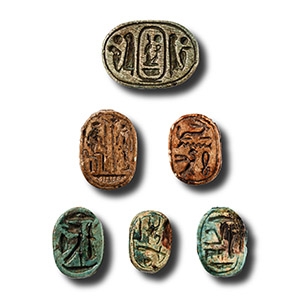
Egyptian Steatite and Other Scarab Collection
Late Period, 664-332 B.C.Sold for (Inc. bp): £715
Group of steatite and glazed composition scarabs each with hieroglyphs to the underside, the largest with a cartouche of Amenophis III. 10.1 grams total, 13-18 mm
Ex North London, UK, gentleman, 1990s.
