
Loading, please wait...
LOT 0542
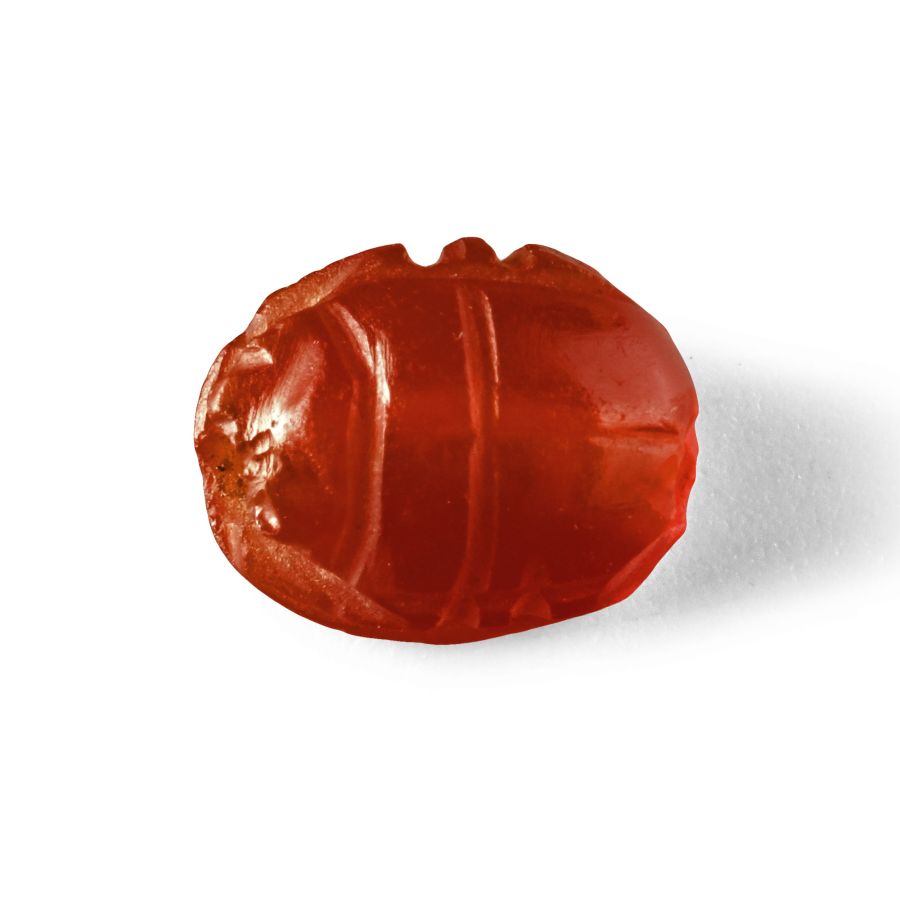
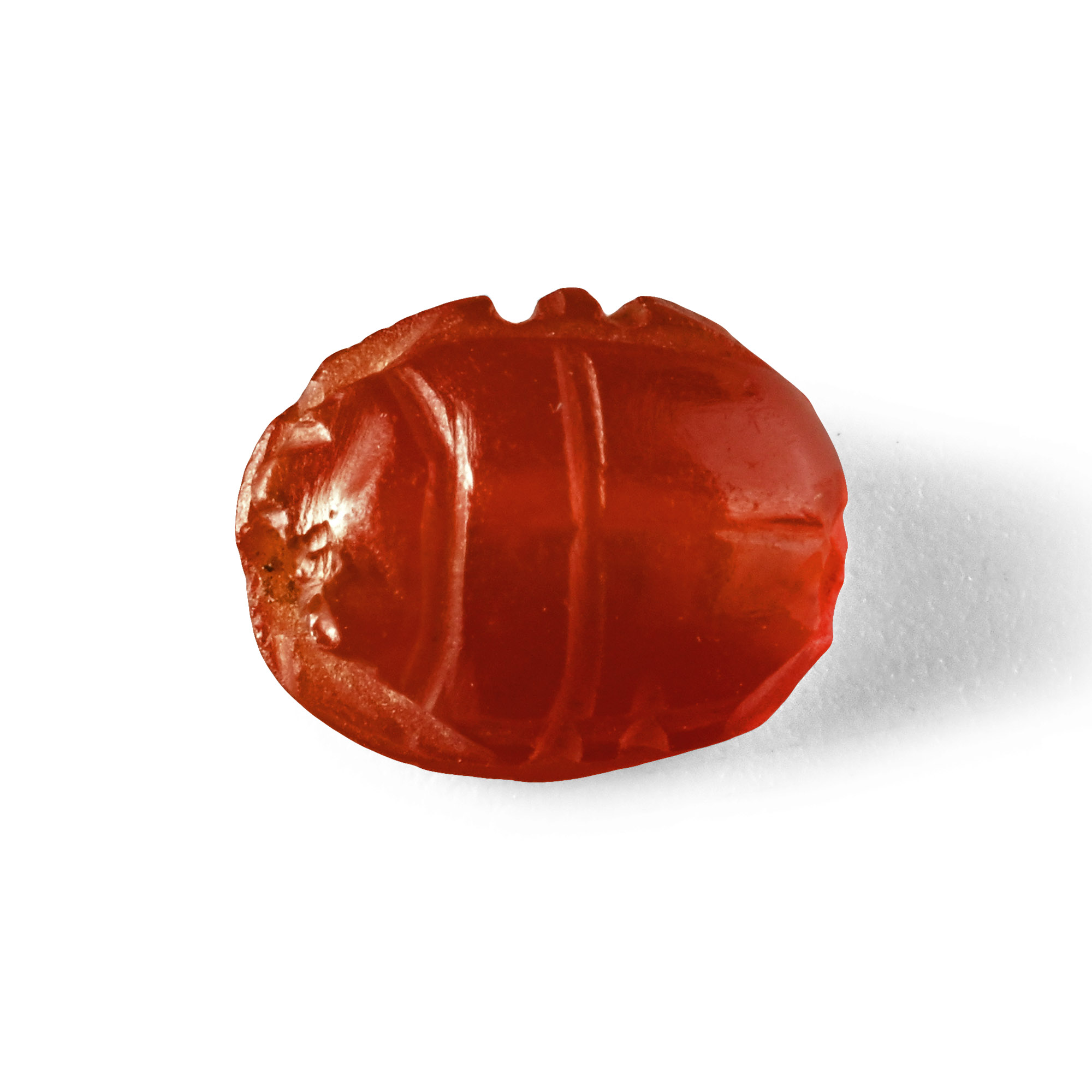
Egyptian Carnelian Scarab Amulet
LATE PERIOD, 664-332 B.C.
3/8 in. (0.40 grams, 8.5 mm).
Carved in the round scarab with longitudinal piercing. [No Reserve]
ProvenanceEx Belinda Elliston collection, 20th century.
CONDITIONTimeLine Auctions follows a vetting process to ensure the authenticity and legality of all items, reinforcing our commitment to integrity and responsible trading. Each antiquity, antique, and coin lot undergoes thorough examination by a vetting committee of at least ten external specialists, professional trade association members, scientists, and archaeologists: Our Vetting Process
AUCTIONS:
TimeLine is a leading auction house specialising in antiquities, ancient art, collectables, natural history, coins, medals, and books. Our auctions offer museums, collectors, historians, and enthusiasts the opportunity to acquire unique and historically significant pieces.
-
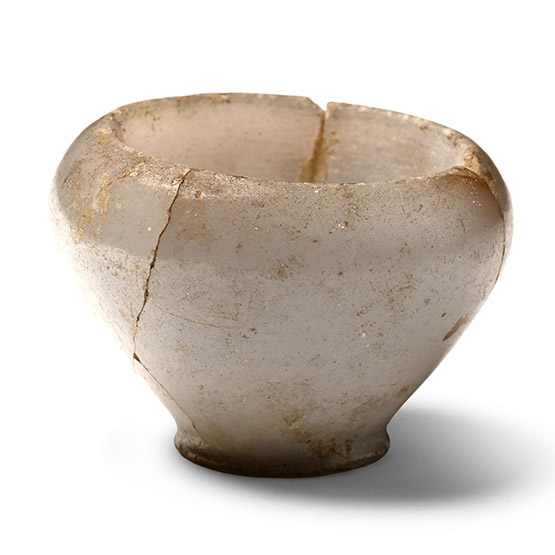
Egyptian Anhydrite Cosmetic Bowl
Middle Kingdom, circa 2040-1780 B.C.Sold for (Inc. bp): £156
Conical in profile with rounded rim, narrow disc base; repaired; a rare stone. 33.68 grams, 39 mm
Ex William Ohly, 1883-1955. Ex Abbey Museum, Barnet, by descent.
Anhydrite, incorrectly called "blue marble" by early excavators, was a stone favoured by the ancient Egyptians from the Middle Kingdom to the Second Intermediate Period. This particular example follows a Middle Kingdom-style cosmetic kohl jar that could be modelled with or without an integral rim. -
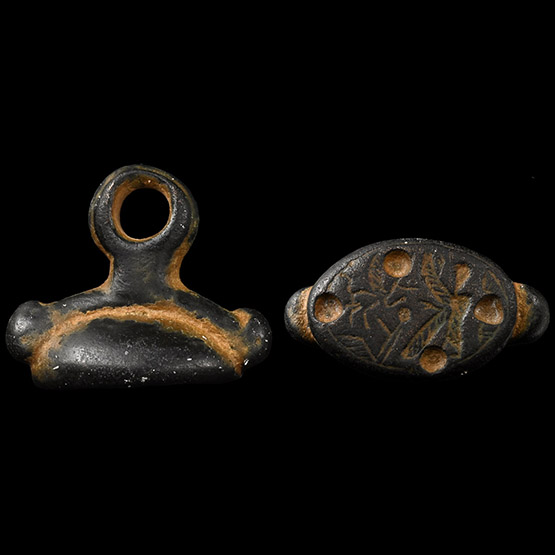
Phoenician Bronze Scarab Pendant
6th-4th century B.C.Sold for (Inc. bp): £293
With suspension loop and frame, intaglio figural scene including stylised birds and winged scarabs, with recesses; with museum-quality impression. 13.5 grams, 23 mm
Ex London, UK, gentleman 1980-2000s. -
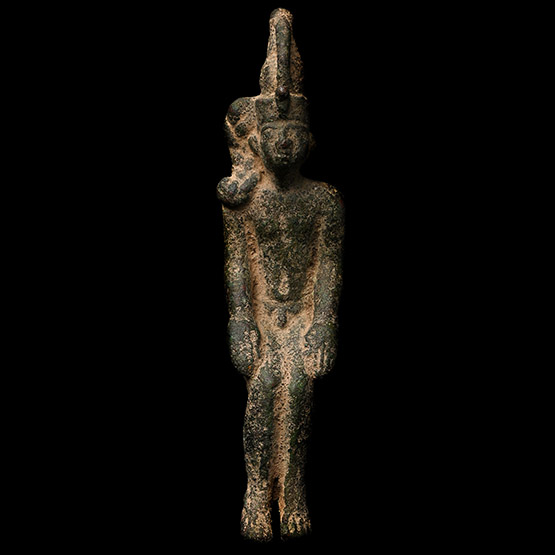
Egyptian Bronze Seated Harpocrates
Late Period, 664-332 B.C.Estimate: £900 - 1,200 (+bp*)
Opening Bid: £475
Substantial cast figurine modelled in the round of Harpocrates sitting with hands on his thighs, double crown and sidelock. 389 grams, 16.2 cm
From the collection of a gentleman, acquired on the London art market in the 1990s.
Harpocrates is the Greek rendering of the Egyptian Hor-pa-khered, which means ‘Horus the Child’. This name refers to Horus as the divine infant of Isis and Osiris. Wearing an amulet of Harpocrates was believed to give the wearer the same protection that Isis offered to her beloved son. Larger bronze statuettes probably served as votive offerings to Harpocrates to secure his favour and protection.
