Loading, please wait...

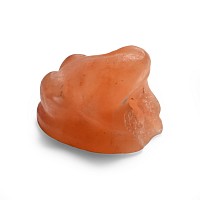
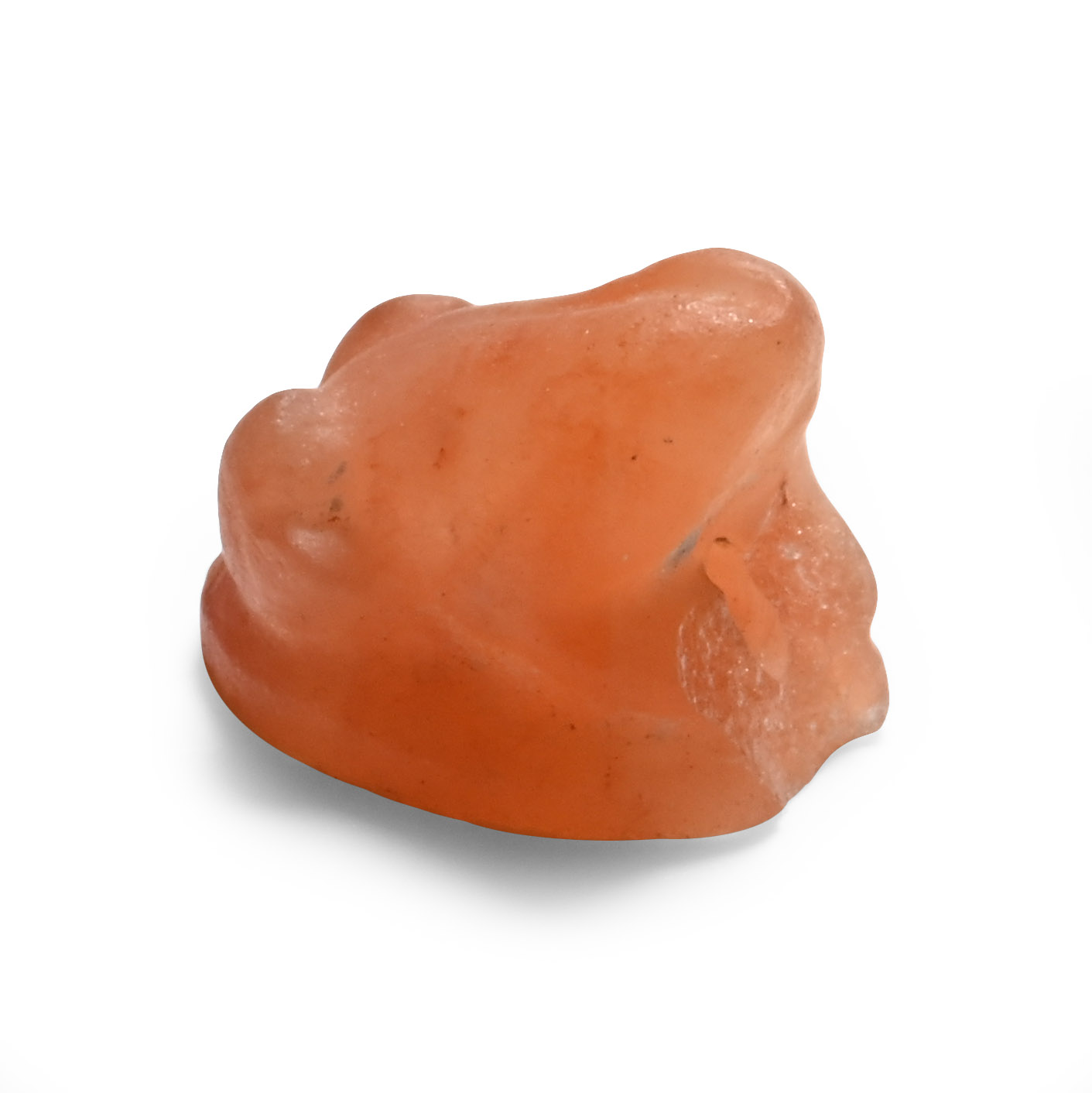
Egyptian Carnelian Frog Amulet Egyptian Carnelian Frog Amulet Egyptian Carnelian Frog Amulet
Use mousewheel to zoom in and out, click to enlarge
Details

LOT 0488

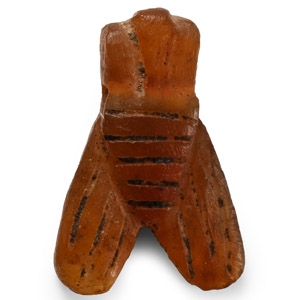
Egyptian Carnelian Frog Amulet

NEW KINGDOM, CIRCA 1550-1070 B.C.

1/2 in. (1.2 grams, 12 mm).

Seated frog on an oval base, with longitudinal suspension hole between legs; damaged.

Provenance

From an early 20th century collection.

CONDITION
VETTING:

TimeLine Auctions follows a vetting process to ensure the authenticity and legality of all items, reinforcing our commitment to integrity and responsible trading. Each antiquity, antique, and coin lot undergoes thorough examination by a vetting committee of at least ten external specialists, professional trade association members, scientists, and archaeologists: Our Vetting Process


AUCTIONS:

TimeLine is a leading auction house specialising in antiquities, ancient art, collectables, natural history, coins, medals, and books. Our auctions offer museums, collectors, historians, and enthusiasts the opportunity to acquire unique and historically significant pieces.

LOT 0488

Egyptian Carnelian Frog Amulet

Sold for (Inc. bp): £117

Print page

RELATED LOTS
  • Egyptian Female Fertility Figurine Plaque
    Egyptian Female Fertility Figurine Plaque
    Late Period-Ptolemaic Period, 664-31 B.C.

    Estimate: £1,000 - 1,400 (+bp*)

    Opening Bid: £556

    Carved rectangular plaque with central recess, carved image of a nude female modelled in the half-round with a deeply striated bag wig, arms by her side; traces of red and black pigment on the body; mounted on a custom-made stand. 502 grams total, 17.1 cm including stand


    From a central London collection, formed 1980-2000. From the private collection of Mr David Barker, London, UK; thence by descent.

    The rectangular limestone plaque almost certainly represents a shrine. Such plaques first appeared in Lower Egypt and became widespread in the Late Period and Ptolemaic era. They may have developed from earlier female figurines depicted on beds and are usually associated with the female goddesses Isis and Hathor, both powerful protectors of women and childbirth and associated with fertility.

    Lot Details

  • Very Large Egyptian Faience Shabti for Hor-Aset
    Very Large Egyptian Faience Shabti for Hor-Aset
    Late Period, 664-322 B.C.

    Sold for (Inc. bp): £2,860

    The upper part of a large mummiform shabti wearing a striated tripartite wig and long plaited divine beard, holding a pick in the left hand, the right hand holding a hoe and the cord of a seed bag hanging over his left shoulder; the face expertly modelled with carefully rendered cosmetic lines around the eyes, slightly smiling lips giving it a serene expression; plain back pillar terminating at the base of the wig; five horizontal rows of hieroglyphic inscription giving the dedication sḥḏ wsı͗r ḥr (-pn-n-) Ꜣst, ‘The illuminated one, the Osiris Hor (pen-en) Aset’ followed by a version of Chapter 6 from the Book of the Dead; mounted on a custom-made display stand. 509 grams total, 20 cm including stand


    Ex Y.F. collection. Acquired in the US, 2011. with Medusa Ancient Art, Quebec. Private collection, Europe. This lot has been checked against the Interpol Database of stolen works of art and is accompanied by a search certificate number no.12374-226922.

    Lot Details

  • Phoenician Painted Terracotta Wine Jug
    Phoenician Painted Terracotta Wine Jug
    Circa 900-800 B.C.

    Sold for (Inc. bp): £176

    With globular body and carinated tubular neck, flared rim to the mouth; loop handle to the shoulder and low basal ring; painted radiating strokes to the shoulder, segmented band to the equator with hatching and other decoration. 720 grams, 20.6 cm


    Property of a British collector, acquired in the 1980s. From a family collection of a North American gentleman living in the UK.

    Lot Details

Stay up-to-date with the latest from TimeLine Auctions by joining our mailing list