
Loading, please wait...


LOT 0005
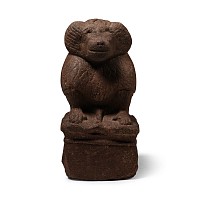
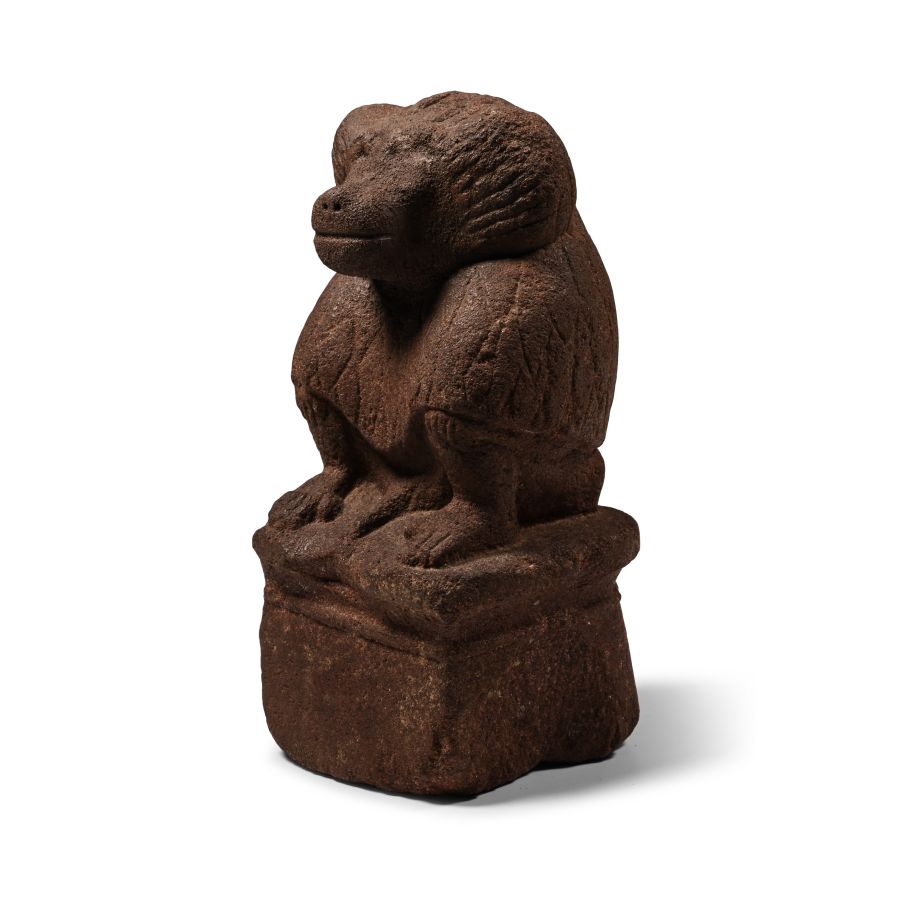
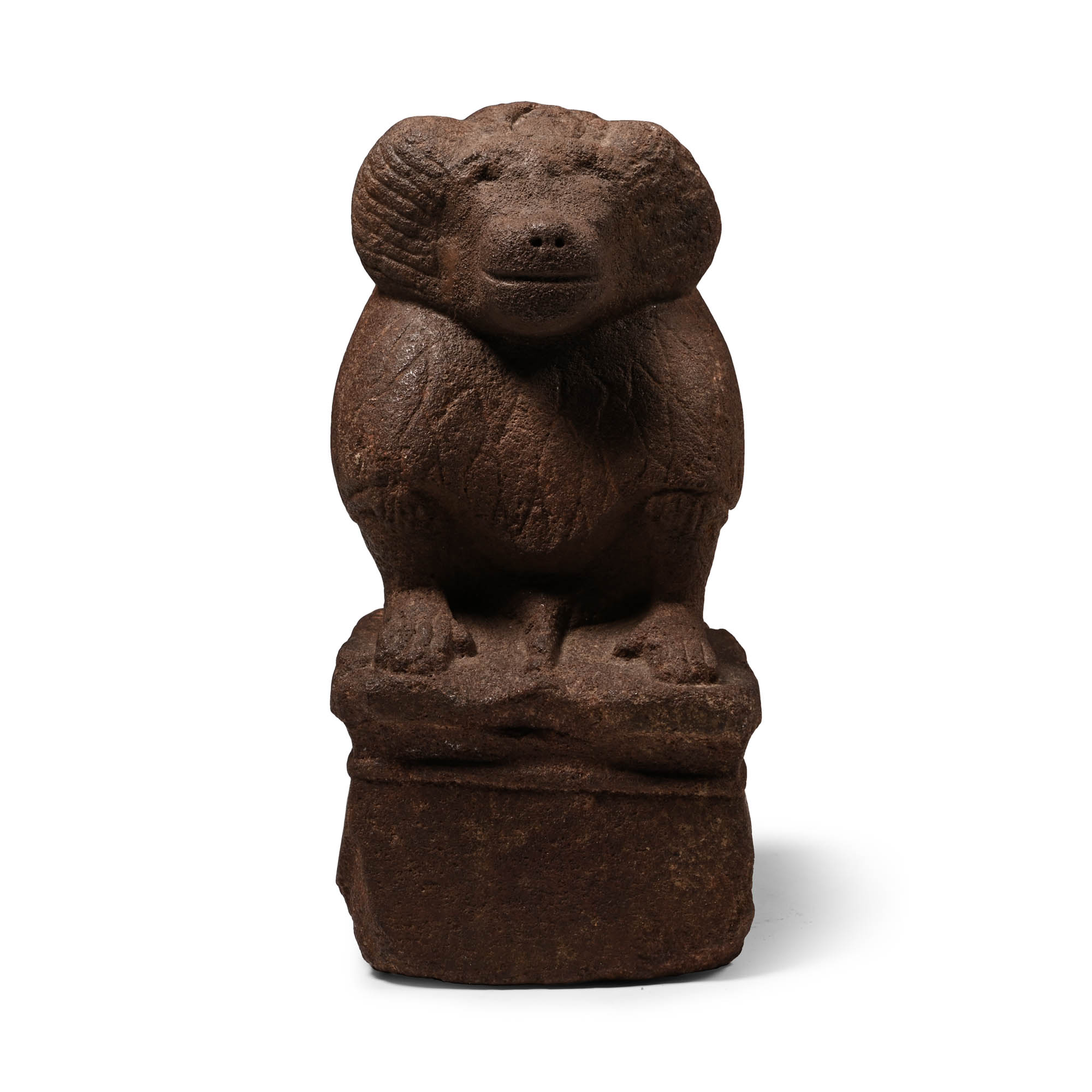
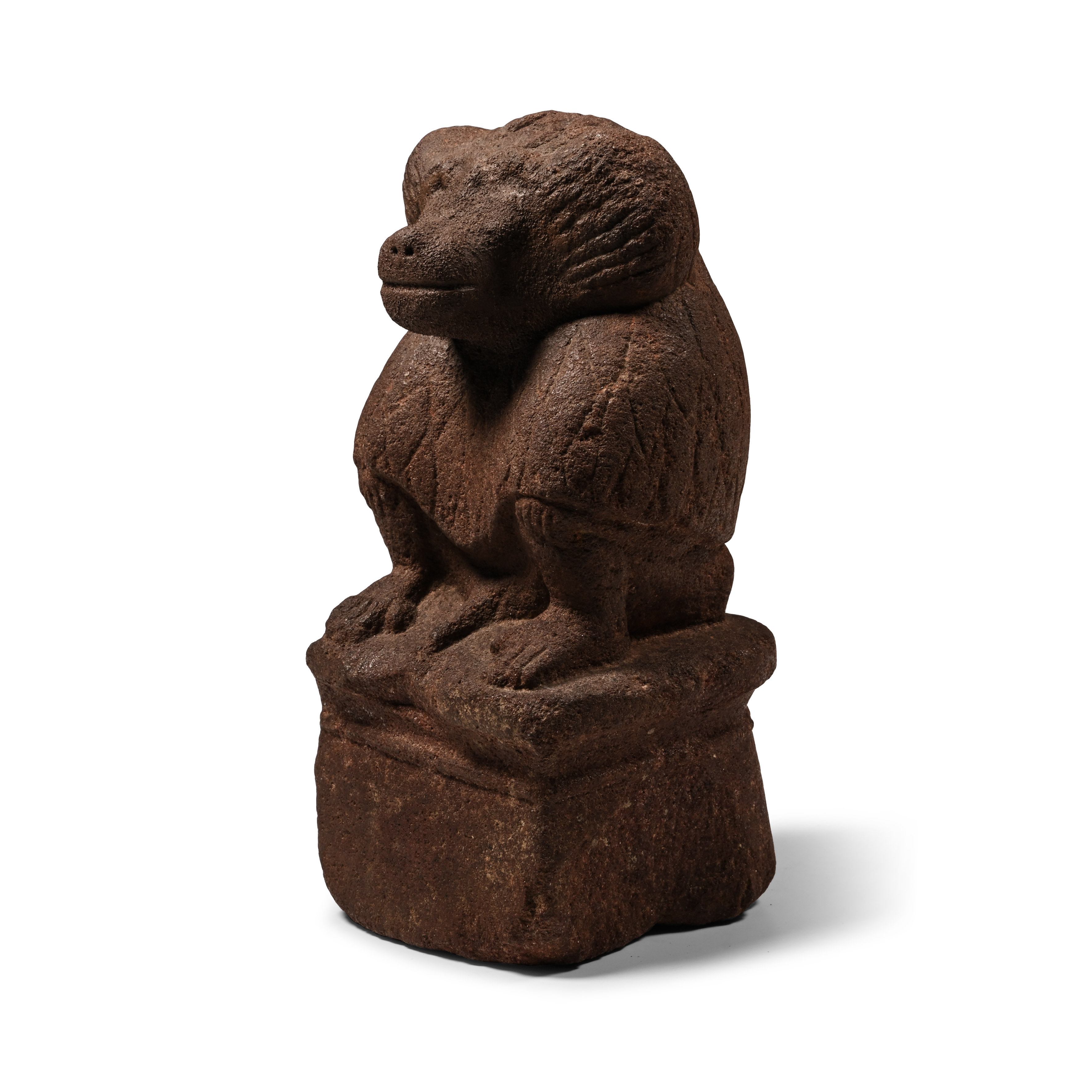
Egyptian Brown Quartzite Baboon Animal Figurine
NEW KINGDOM, CIRCA 1550-1070 B.C.
5 7/8 in. (1.15 kg, 15 cm).
Carved in a typical pose, sitting on its haunches with its tail curving around the right side, its front paws resting on its knees and protruding beneath its thick furry pelt, with incised detailing, its feet either side of the phallus, the head with bulbous, striated hair on either side, chipped, snout restored; seated on a high shrine-shaped plinth with squared front and rounded back, featuring a cavetto cornice and roll detailing on the upper part.
ProvenanceFrom a deceased American estate, 1970-1989.
with Bonham's, London, 28 October 2009, no.35.
Accompanied by copies of the relevant Bonham's catalogue pages.
This lot has been checked against the Interpol Database of stolen works of art and is accompanied by a search certificate number no.12368-226706.
Cf. seated baboon of brown quartzite, Kozloff, A.P. & Bryan, B.M., Egypt's Dazzling Sun, Cleveland, 1992, fig 36, p.227.
FootnotesThe baboon was an animal manifestation of the god Thoth, who was revered for his association with knowledge, writing, and healing.
CONDITIONTimeLine Auctions follows a vetting process to ensure the authenticity and legality of all items, reinforcing our commitment to integrity and responsible trading. Each antiquity, antique, and coin lot undergoes thorough examination by a vetting committee of at least ten external specialists, professional trade association members, scientists, and archaeologists: Our Vetting Process
AUCTIONS:
TimeLine is a leading auction house specialising in antiquities, ancient art, collectables, natural history, coins, medals, and books. Our auctions offer museums, collectors, historians, and enthusiasts the opportunity to acquire unique and historically significant pieces.
LOT 0005
Egyptian Brown Quartzite Baboon Animal Figurine
Estimate £6,000 - 8,000€6,960 - 9,280 (for guidance only)$8,100 - 10,800 (for guidance only)
-
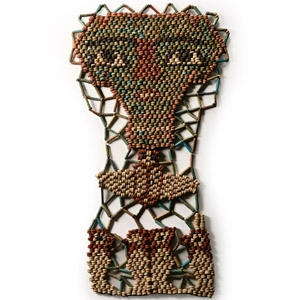
Egyptian Faience Mummy Beadwork Mask with Sons of Horus
Ptolemaic Period, 332-30 B.C.Sold for (Inc. bp): £416
A netted beadwork panel of annular and tubular glazed composition beads in blues, greens, black, cream and red-brown colours, depicting a mummy face mask with a false beard, a scarab with extended wings below, and beneath the 'Four Sons of Horus’, Duamutef, Qebehsenuef, Imsety, and Hapy joined together with areas of open netting of tubular examples; restrung with some later beads. 115 grams, 28.5 cm
Mariaud de Serres, Paris, 1990s.
Winged scarabs were often used as funerary amulets, and were believed to symbolise the rebirth and regeneration of the deceased. The Four Sons of Horus were deities responsible for protecting the deceased's internal organs. The jackal-headed Duamutef protected the stomach, the falcon-headed Qebehsenuef protected the intestines, the human-headed Imsety protected the liver, and the baboon-headed Hapy protected the lungs. These internal organs were often placed in canopic jars, each with the head of the respective Son of Horus. Amulets depicting these deities were placed within the mummy wrappings. -
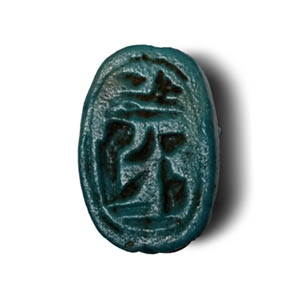
Egyptian Faience Scarab with Hieroglyphs
Late Period, 664-332 B.C.Estimate: £200 - 300 (+bp*)
Opening Bid: £100
Blue glazed faience scarab beetle, with detailed features; the underside decorated with a recumbent jackal above a seated figure in an attitude of praise before two hieroglyphs. 4.18 grams, 23 mm
From the collection of a gentleman, acquired on the London art market in the 1990s. -
.jpg)
Egyptian Bronze Head of a Pharaoh with Inlaid Eyes
Third Intermediate Period, 21st-22nd Dynasty, circa 1069-900 B.C.Sold for (Inc. bp): £49,400
Hollow-formed mask with integral tripartite wig and mount for a uraeus; impassive facial detailing and applied gold cosmetic lines to eyes, eyebrows, and lateral chin straps of the braided 'false beard'; segment of the wesekh-collar visible between the lappets of the wig; some restoration; mounted on a custom-made stand within a padded wooden display case. 1.2 kg, 22.5 cm high including stand (3.27 kg total, 27 cm including case)
Old French family collection of Monsieur and Madame D., 1960s. Ex Rennes Enchères, Hôtel des Ventes, France, 11 March 2003, no.117 (front-cover) for 150,000.00 euros. Acquired from Mansour Gallery, London W1, UK, in 2013. From the collection of a Kensington gentleman. Private collection, UK. Accompanied by the original Rennes Enchères catalogue. Accompanied by a copy of French passport no.058205 dated 15 April 2003. Accompanied by a copy of Mansour Gallery’s invoice, 2013. Accompanied by previous typed and illustrated collection cataloguing pages. Accompanied by an academic report by Egyptologist Paul Whelan. This lot has been checked against the Interpol Database of stolen works of art and is accompanied by a search certificate number no.12372-225585.
