
Loading, please wait...
LOT 0473
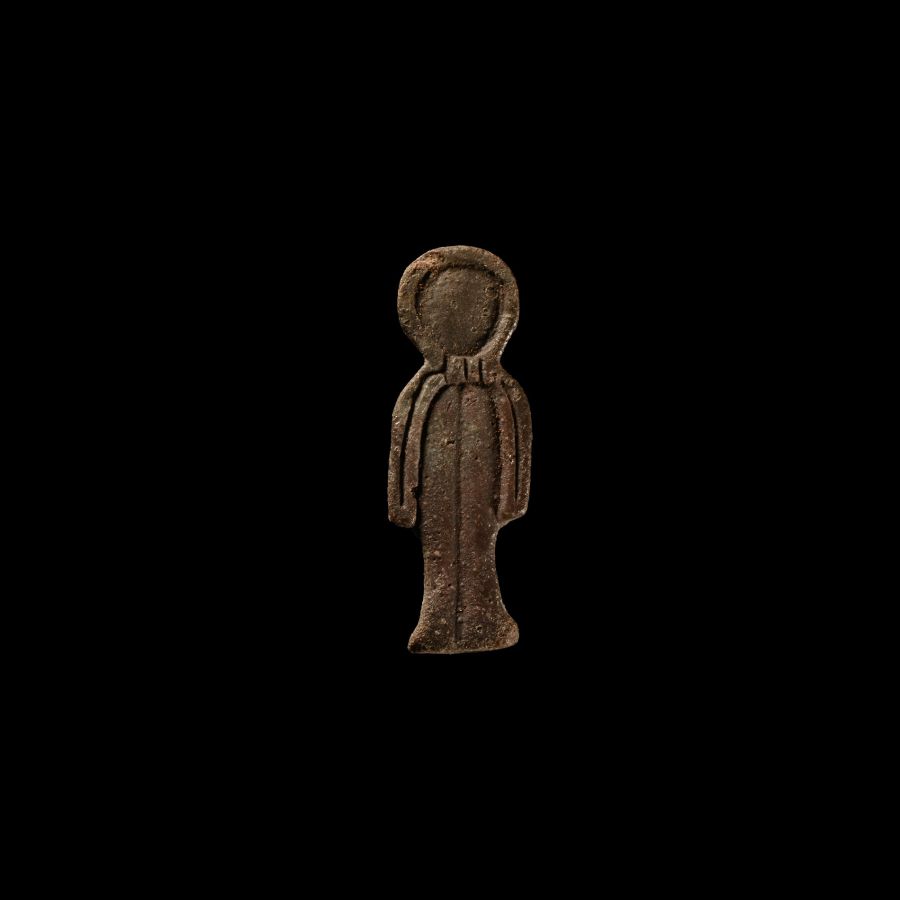
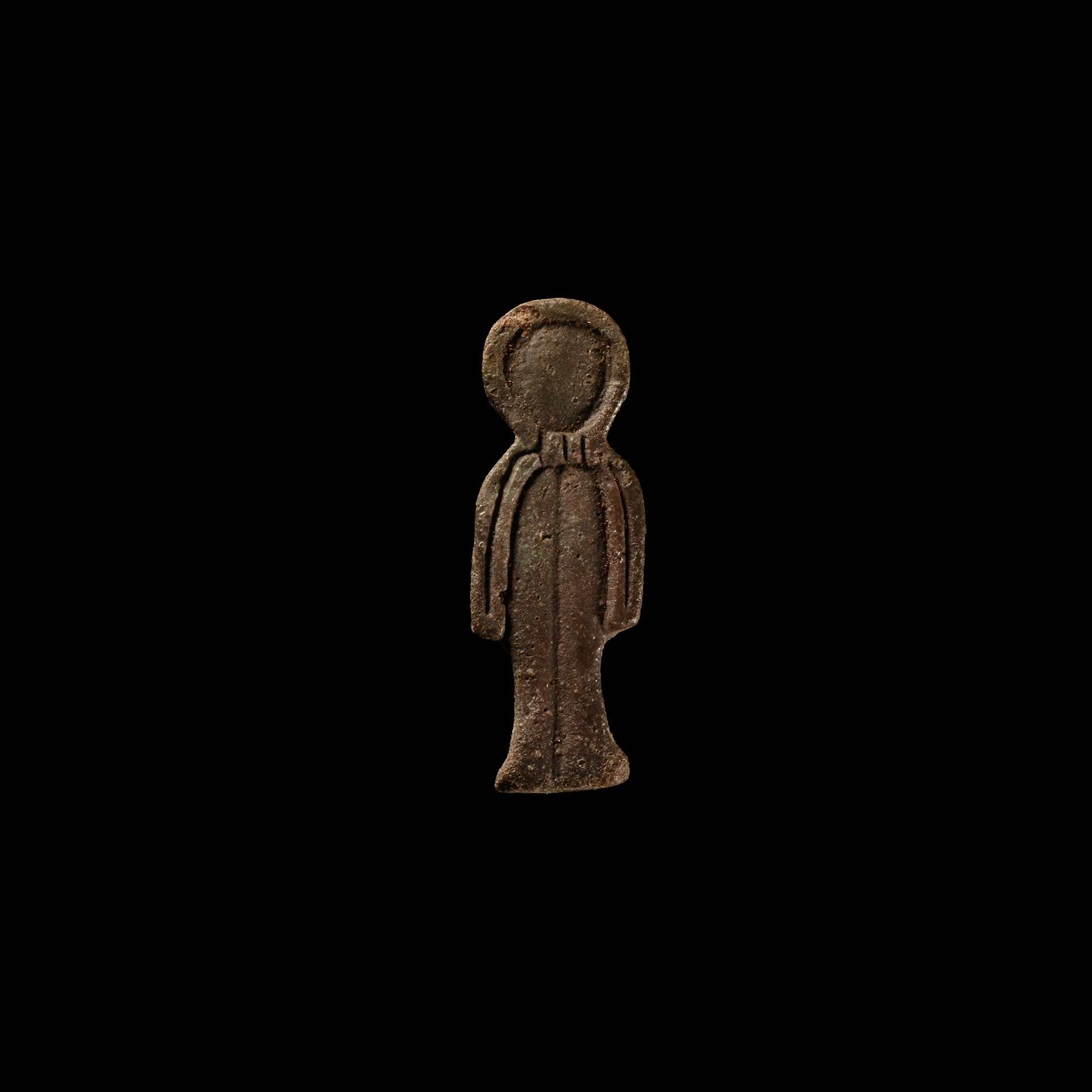
Egyptian Brown Faience Tyet Amulet
LATE PERIOD, 664-323 B.C.
1 1/2 in. (3.52 grams, 40 mm).
Also known as tit, or the knot of Isis; with pillar to reverse, pierced for suspension. [No Reserve]
ProvenanceFrom an early 20th century collection, Caernarfon, North Wales, UK.
LiteratureCf. Petrie, W.M.F., Amulets. Illustrated by the Egyptian Collection in University College, London, London, 1914, pl.VII 88c-e, for similar examples.
CONDITIONTimeLine Auctions follows a vetting process to ensure the authenticity and legality of all items, reinforcing our commitment to integrity and responsible trading. Each antiquity, antique, and coin lot undergoes thorough examination by a vetting committee of at least ten external specialists, professional trade association members, scientists, and archaeologists: Our Vetting Process
AUCTIONS:
TimeLine is a leading auction house specialising in antiquities, ancient art, collectables, natural history, coins, medals, and books. Our auctions offer museums, collectors, historians, and enthusiasts the opportunity to acquire unique and historically significant pieces.
-
Egyptian Coptic Textile Collection in Folder
Circa 5th-7th century A.D.Sold for (Inc. bp): £520
Comprising 31 fragments of linen and wool textiles decorated with various subject matter: geometric motifs; symbolic interlaced panels and frieze; vases; human and animal figures; the designs executed using a variety of colours; displayed in a ring binder. 768 grams, 29 x 25 cm
Acquired 1970s-1996. Property of a North American collector. London collection, 2016. -
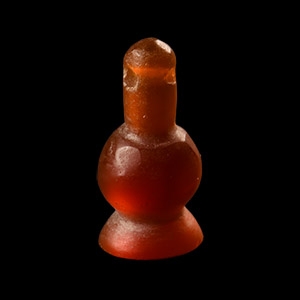
Egyptian Carnelian Poppy Head Amulet
New Kingdom, 18th Dynasty, 1550-1292 B.C.Sold for (Inc. bp): £156
Polished and with integral pierced suspension loop. 0.53 grams, 13 mm
UK gallery, early 2000s. -
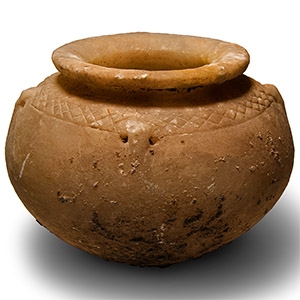
Egyptian Calcite Jar
Early Dynastic Period, 2900-2350 B.C.Estimate: £5,000 - 7,000 (‡+bp*)
Opening Bid: £2,222
Carved from 'Egyptian alabaster' or marble, squat-bodied with a broad, rounded shoulder and narrow flat base, short neck and everted rim, four pierced lugs to the shoulders incorporated into a circumferential band of engraved cross-hatching. 746 grams, 11.8 cm
From a British collection, acquired in 1993. This lot has been checked against the Interpol Database of stolen works of art and is accompanied by search certificate number no.11835-206783.
