
Loading, please wait...
LOT 0536
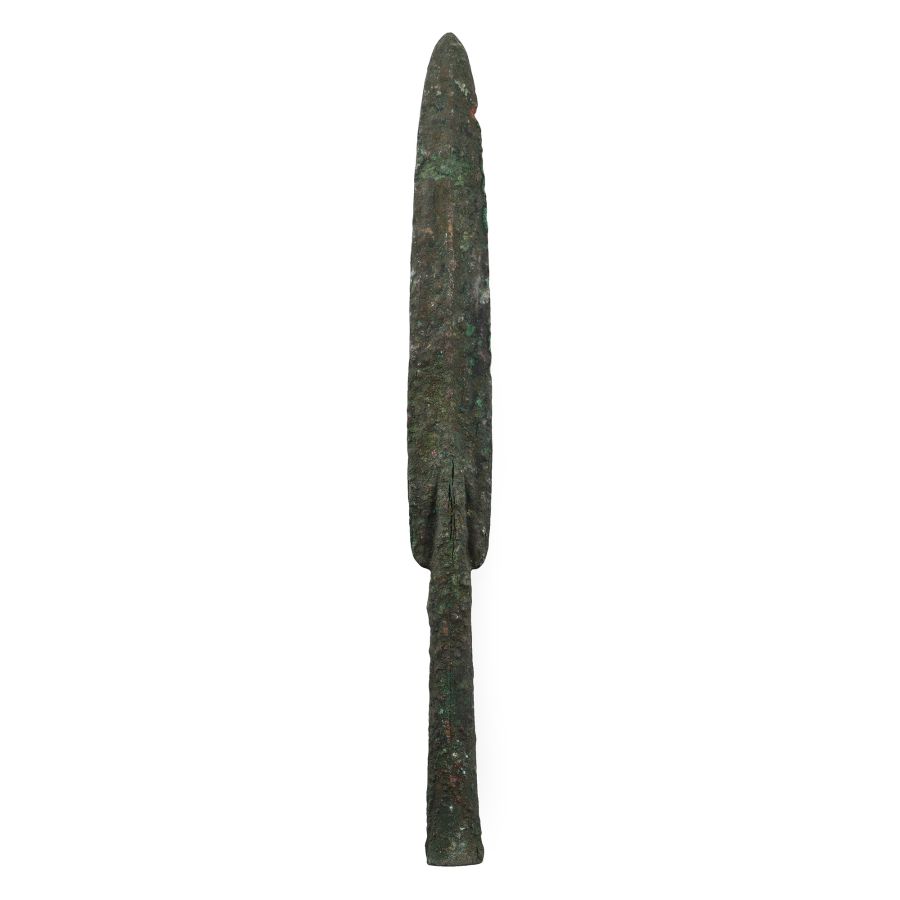
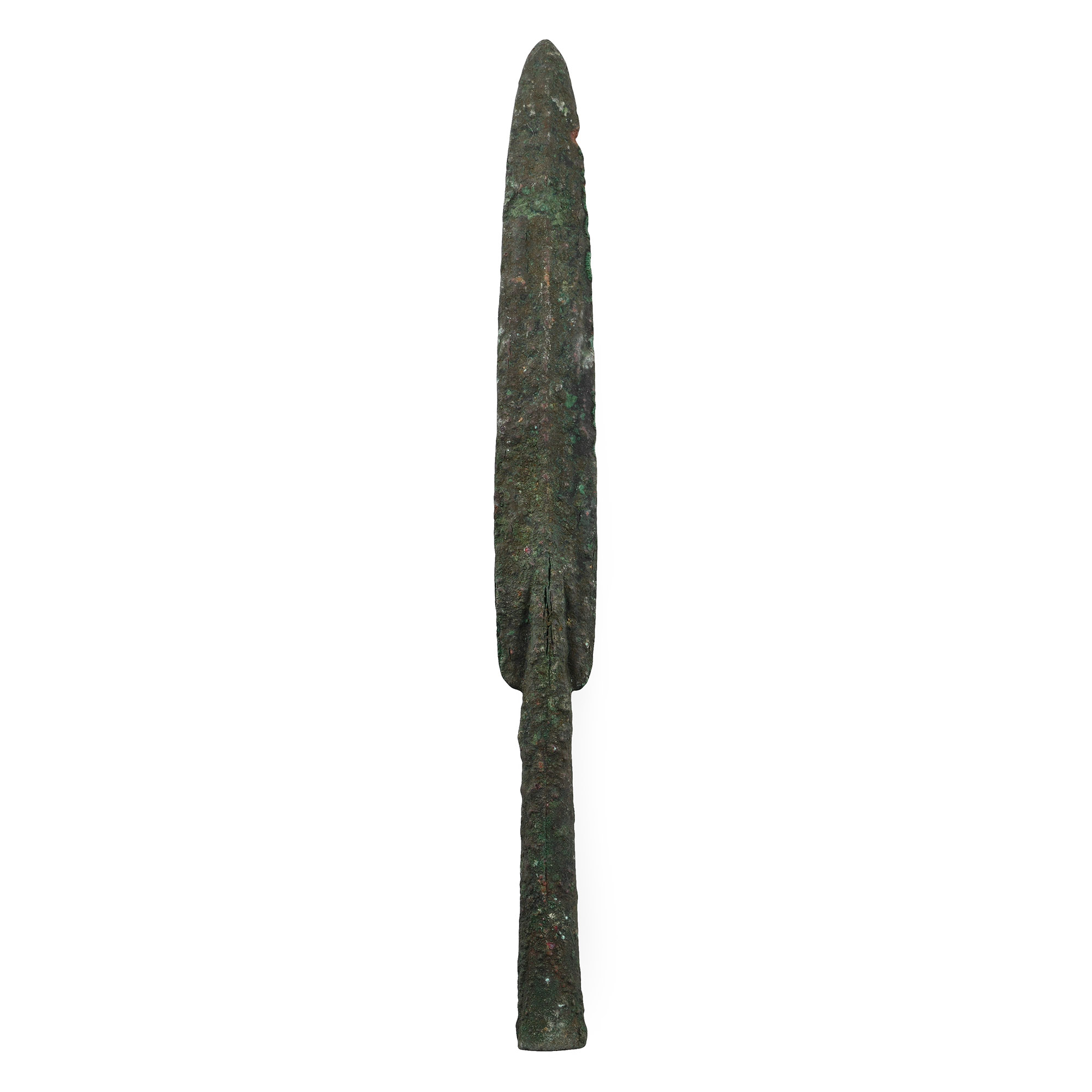
Egyptian Bronze Socketted Spearhead
NEW KINGDOM, 15TH-14TH CENTURY B.C.
11 in. (204 grams, 28 cm).
Foliate blade and tapering, short tubular shaft, marked mid-rib and rounded shoulders.
ProvenanceEx Abelita family collection, 1980s-2000s.
LiteratureCf. Gorelik, M., Weapons of Ancient East, IV millennium BC-IV century BC, Saint Petersburg, 2003, pl.XXXIV, no.17, from Abydos, dated the 15th-14th century B.C.
FootnotesWith the introduction of the socketted spearhead in the Middle East in the second half of the 3rd millennium BC, by the middle of the 2nd millennium, socketted spearheads became dominant throughout the ancient East and Egypt, and spearhead design has remained virtually unchanged since then.
CONDITIONTimeLine Auctions follows a vetting process to ensure the authenticity and legality of all items, reinforcing our commitment to integrity and responsible trading. Each antiquity, antique, and coin lot undergoes thorough examination by a vetting committee of at least ten external specialists, professional trade association members, scientists, and archaeologists: Our Vetting Process
AUCTIONS:
TimeLine is a leading auction house specialising in antiquities, ancient art, collectables, natural history, coins, medals, and books. Our auctions offer museums, collectors, historians, and enthusiasts the opportunity to acquire unique and historically significant pieces.
-
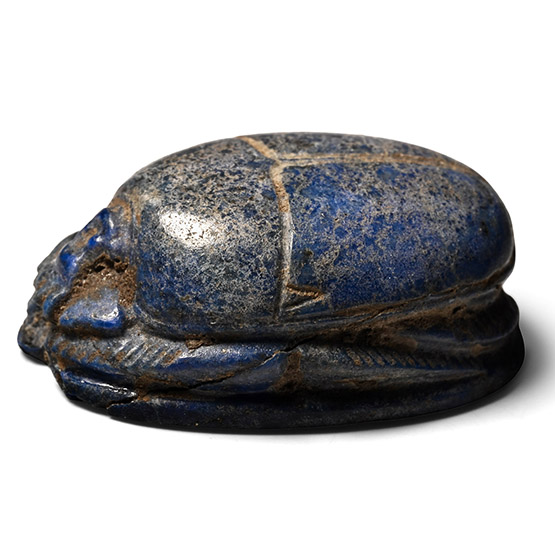
Egyptian Lapis Lazuli Scarab
Late Period, 664-332 B.C.Sold for (Inc. bp): £715
Carved in the round with longitudinal piercing, ellipsoid base. 12.8 grams, 30 mm
Ex early 20th century collection. -
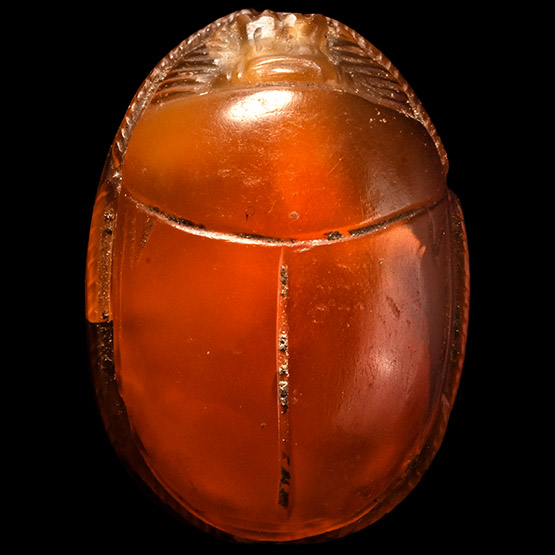
Large Egyptian Carnelian Scarab
Ptolemaic-Roman Period, circa 332 B.C.-300 A.D.Estimate: £1,000 - 1,400 (+bp*)
Opening Bid: £500
Carved in the round with segmented carapace, pierced longitudinally for suspension. 4.75 grams, 22 mm
UK private collection before 2000. Acquired on the UK art market. Private collection, London, UK. -
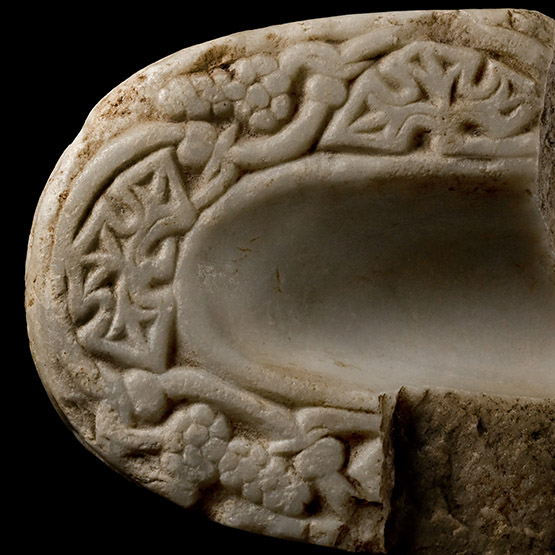
Coptic Marble Liturgical Vessel Fragment with Inscription
6th century A.D.Estimate: £1,500 - 2,000 (‡+bp*)
Opening Bid: £833
Tongue-shaped with low rounded pad on the underside, raised edge with low-relief decoration of grape vines and leaves, the edge with pairs of opposing doves eating grapes; dedicatory Demotic inscription on the underside. 87 grams, 55 mm
Acquired in the mid 1980s-1990s. Private collection, Switzerland, thence by descent. Private collection, since the late 1990s. Accompanied by an academic report by Dr Raffaele D'Amato. This lot has been checked against the Interpol Database of stolen works of art and is accompanied by a search certificate number no.12575-232108.
These vessels were used as liturgical objects for church offerings or ritual, and were extensively employed from late antiquity in ecclesiastical contexts.
