
Loading, please wait...
LOT 0424
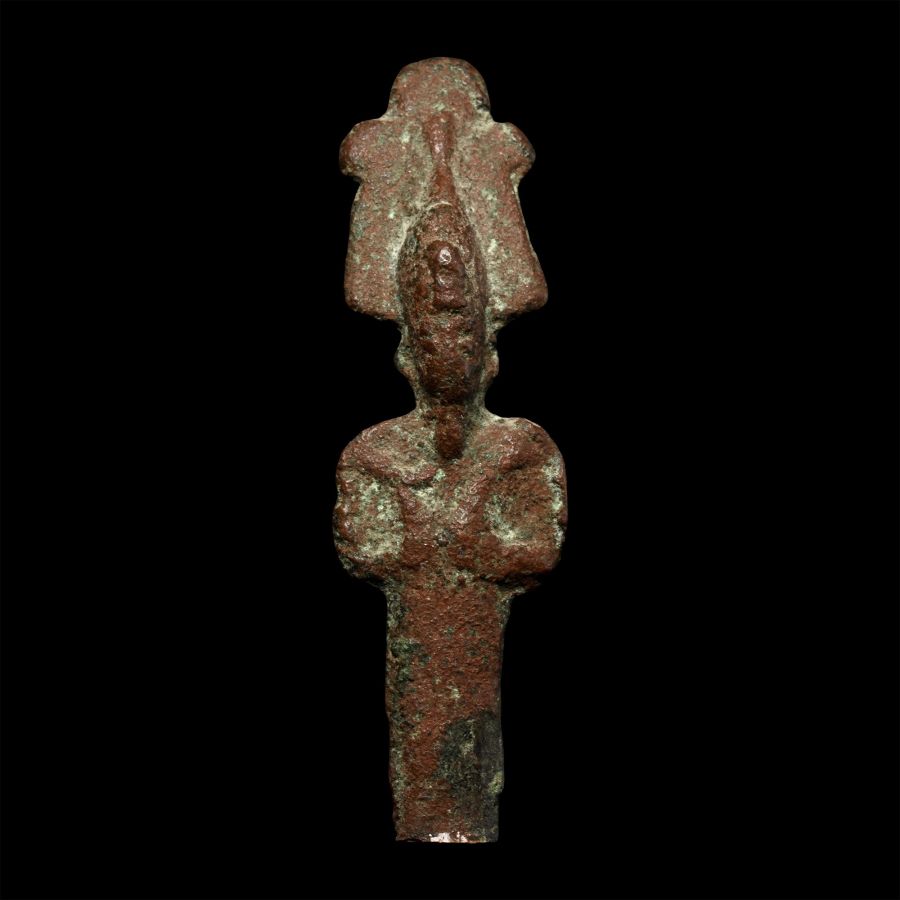
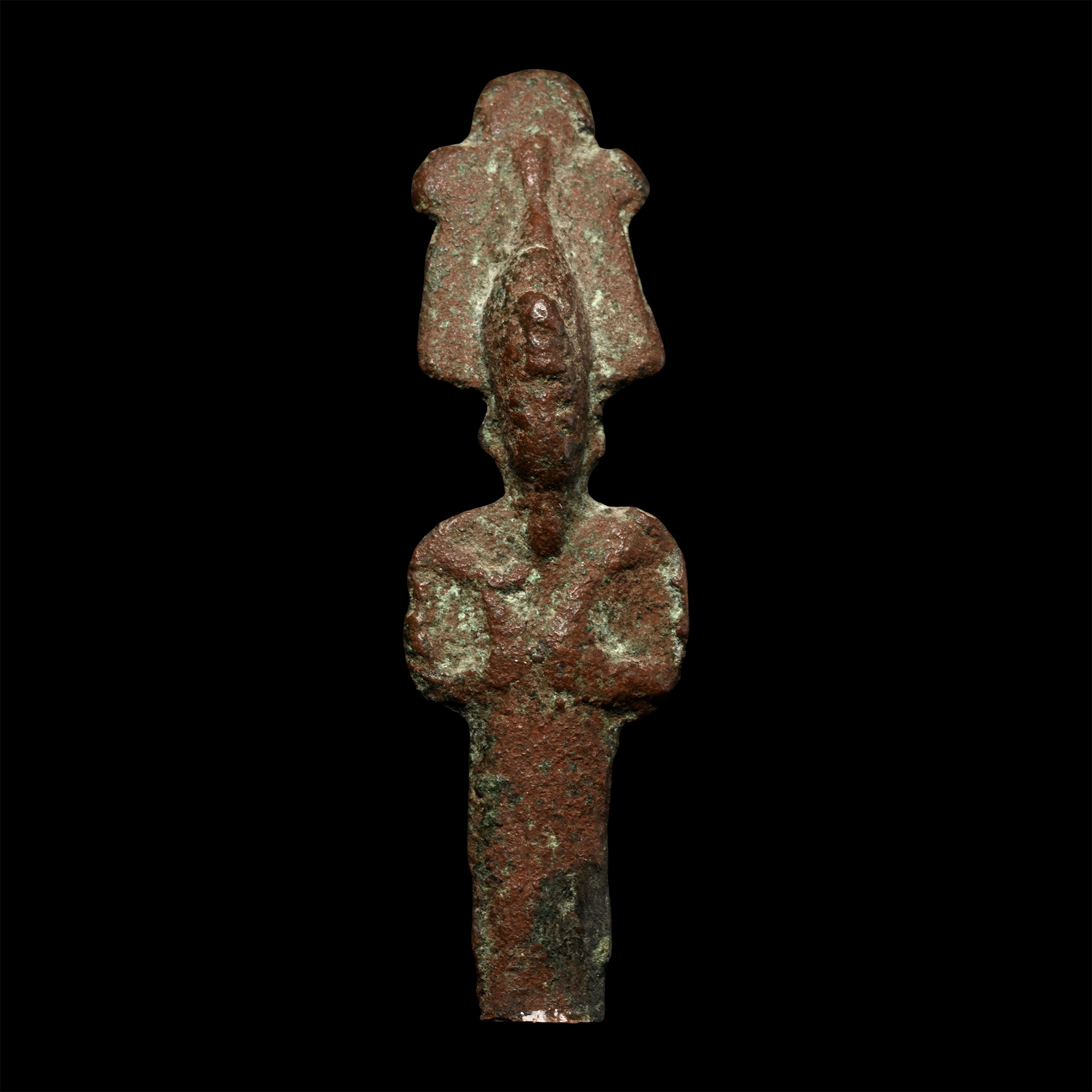
Egyptian Bronze Osiris Figure
LATE-PTOLEMAIC PERIOD, CIRCA 664-30 B.C.
2 3/8 in. (12.7 grams, 60 mm).
Modelled in the half-round in a standing pose, wearing the atef crown with flanking ostrich plumes and frontal uraeus; holding the crook (heka) and flail (nekhakha) regalia in his hands arranged knuckle to knuckle; lower legs absent. [No Reserve]
ProvenanceFrom the private collection of a Canadian gentleman living in Essex, UK, formed since the 1920s-circa 1990.
Property of an Essex lady until the late 1990s; thence by descent.
From the private collection of an Essex gentleman since the late 1990s.
Cf. Tinius, I., Altägypten in Braunschweig. Die Sammlungen des Herzog Anton Ulrich-Museums und des Städtischen Museums, Wiesbaden, 2011, p. 108, no. 164, for an Osiris figure with similar hand placement.
CONDITIONTimeLine Auctions follows a vetting process to ensure the authenticity and legality of all items, reinforcing our commitment to integrity and responsible trading. Each antiquity, antique, and coin lot undergoes thorough examination by a vetting committee of at least ten external specialists, professional trade association members, scientists, and archaeologists: Our Vetting Process
AUCTIONS:
TimeLine is a leading auction house specialising in antiquities, ancient art, collectables, natural history, coins, medals, and books. Our auctions offer museums, collectors, historians, and enthusiasts the opportunity to acquire unique and historically significant pieces.
-
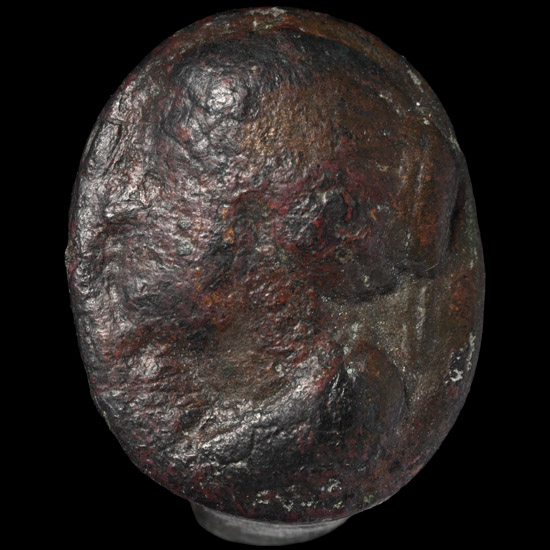
Romano-Egyptian Bronze 'Cleopatra' Ring
Ptolemaic Period, circa 1st century B.C.Sold for (Inc. bp): £169
Thick rounded hoop with ellipsoid bezel, low-relief female profile bust with hair dressed in a chignon. 11.66 grams, 24.82 mm overall, 17.22 mm internal diameter (approximate size British M 1/2, USA 6 1/4, Europe 13.09, Japan 12)
From the private collection of Mr Brian Edwards, New Malden, Surrey, UK, formed from the late 1970s-early 1980s; thence by descent. Accompanied by the original collector's data sheet(s) with reference no.A127. -
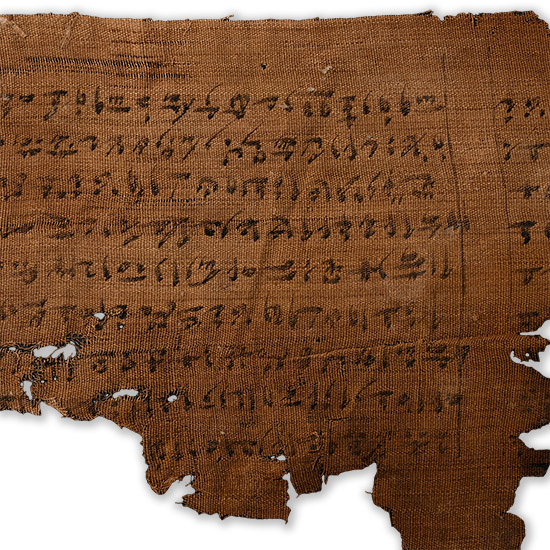
Egyptian Funerary Linen Fragment with Hieratic Text from the Book of the Dead for Ta-sherit-n-ta-ihet
Graeco-Roman Period, circa 3rd century B.C.-2nd century A.D.Sold for (Inc. bp): £1,690
Bearing a portion of Chapter 17, a spell written in late hieratic script executed in black ink on woven linen, consistent with funerary bandages of the Graeco-Roman period; the inscription identifies the owner as a woman named Ta-sherit-n-ta-ihet, with her mother named Iset-(m-)khebit; as is typical for funerary manuscripts of this period, the father’s name is not recorded. 5.08 grams, 22 cm wide
Found inside an 18th-century Bible and believed to be a souvenir acquired in the 19th century. From the private collection of a North American lady. An academically identified and unpublished fragment, offering potential for further scholarly study and publication. Accompanied by a report in progress dated 28 April 2026 by Holly Lund.
Spell 17 is among the most important and widely transmitted compositions in the Book of the Dead, concerned with cosmology, divine knowledge, and the transformation of the deceased in the afterlife. Even in fragmentary form, such texts provide valuable insight into funerary belief and scribal practice during the later phases of ancient Egyptian religion. This description was prepared using information provided by Dr Ann-Katrin Gill, Academic Assistant at the Egyptological Institute, University of Leipzig, and a separate assessment by Steve Vinson, Professor and Director of Graduate Studies in the Department of Middle Eastern Languages and Cultures at Indiana University, Bloomington. The linen fragment may derive from a nineteenth-century mummy unwrapping, a practise widely attested in this period. -
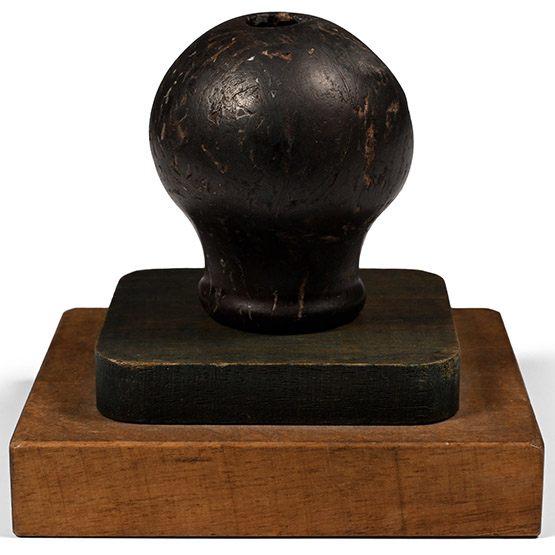
Egyptian Haematite Mace Head
4th-3rd millennium B.C.Sold for (Inc. bp): £286
Globular body with short socket and thickened rim; accompanied by a custom-made display stand. 457 grams total, mace: 60 mm high
Ex Norman Fargo collection. with Olympia Auctions, 26 June 2024, no.119. This lot is accompanied by an illustrated lot declaration signed by the Head of the Antiquities Department, Dr Raffaele D'Amato.
Norman Fargo was born in Los Angeles, California in 1945, the son of Hungarian immigrant Frank and his wife, Rose. His lifelong passion for collecting began at the age of six with a simple interest in rocks. By the 1960s, Norman had become a dedicated student of antique arms and armour, developing a deep appreciation for both craftsmanship and historical context. He began collecting at a time when many items now considered rare were still relatively accessible. A friendship with renowned collector Howard Curtis—whose important collection was partially sold at Christie’s, London in 1984—opened doors to early and exceptional material. Norman also acquired outstanding pieces from respected figures such as Frank Bivens and others known today through museum and auction catalogue provenance. Alongside his core collection of arms and armour (c.1450-1700), Norman developed an eye for period furniture and accessories. He also built a growing collection of Pre-Columbian art with an emphasis on Southern Mexican cultures, particularly Veracruz, as well as fine examples of Japanese Satsuma ware and cloisonné.
