
Loading, please wait...
LOT 0471
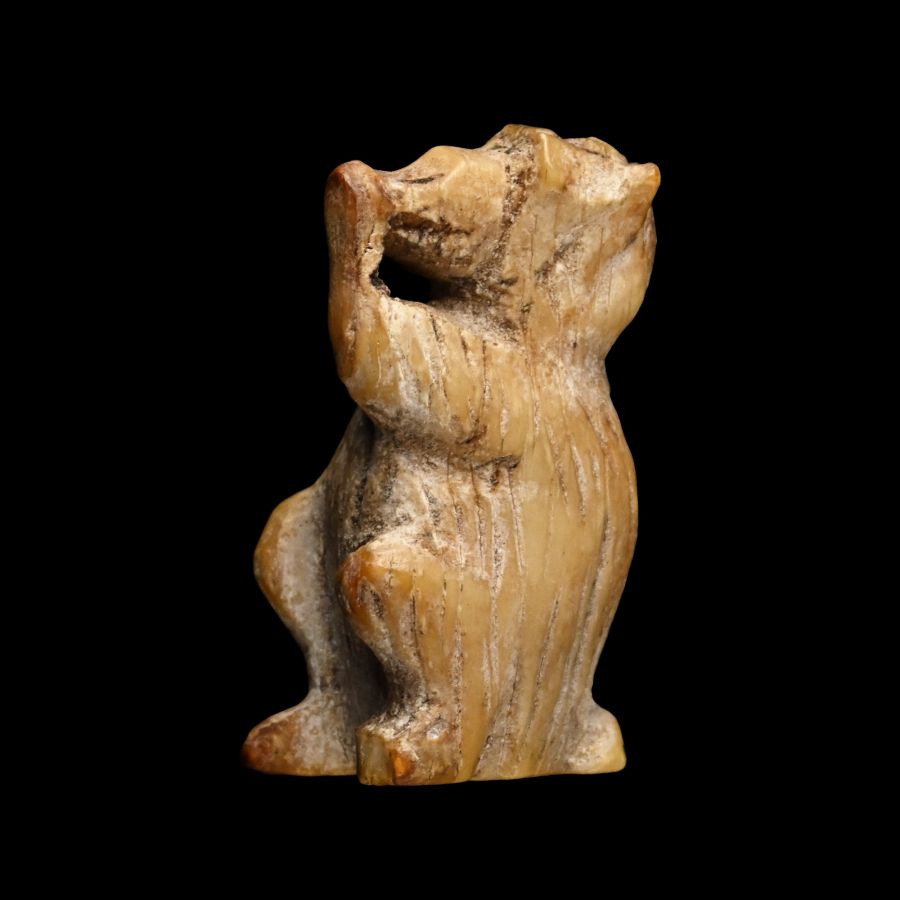
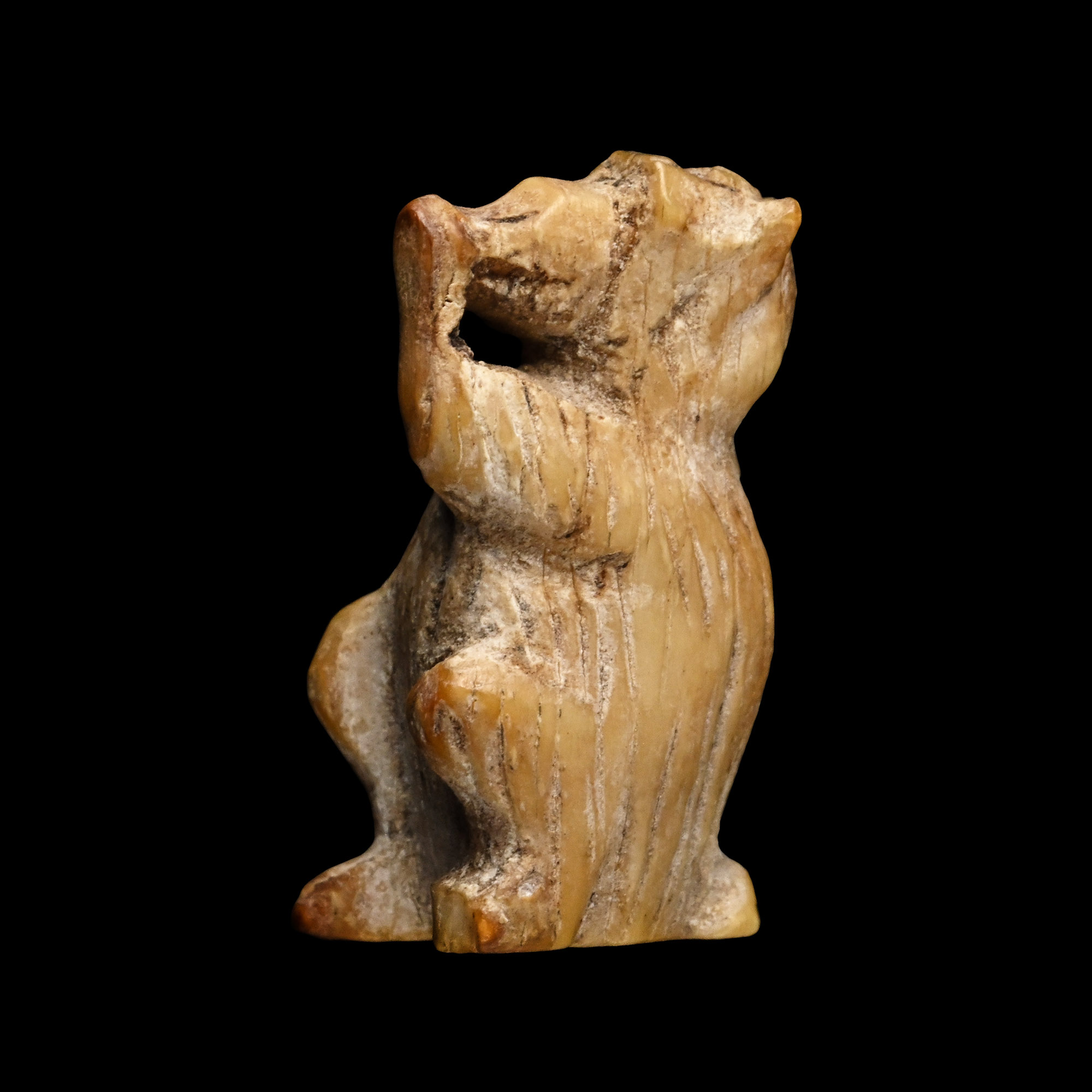
Egyptian Bone Baboon Amulet
ROMAN PERIOD, 30 B.C.-323 A.D.
5/8 in. (1.17 grams, 17.91 mm).
Modelled seated with its left front paw raised to its lips. [No Reserve]
ProvenanceFrom the private collection of a European gentleman (1942-2024), formed since the 1970s.
CONDITIONTimeLine Auctions follows a vetting process to ensure the authenticity and legality of all items, reinforcing our commitment to integrity and responsible trading. Each antiquity, antique, and coin lot undergoes thorough examination by a vetting committee of at least ten external specialists, professional trade association members, scientists, and archaeologists: Our Vetting Process
AUCTIONS:
TimeLine is a leading auction house specialising in antiquities, ancient art, collectables, natural history, coins, medals, and books. Our auctions offer museums, collectors, historians, and enthusiasts the opportunity to acquire unique and historically significant pieces.
-
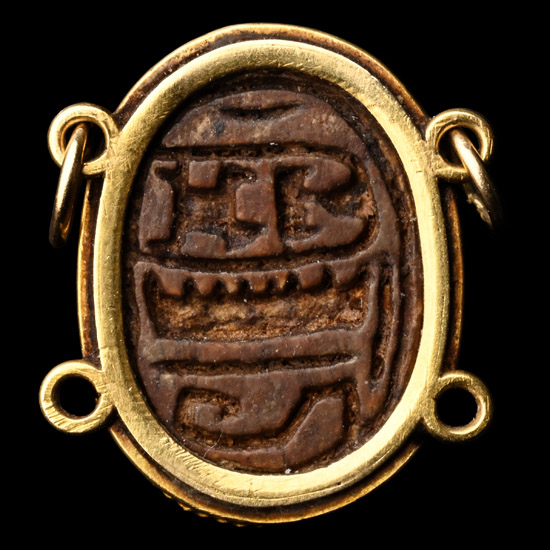
Egyptian Steatite Scarab in Antique Pendant Mount
Late Period, 664-332 B.C. and laterSold for (Inc. bp): £195
The scarab with anatomical detailing on the body, underside with a cartouche for Tuthmoses III and other hieroglyphs; set in a gold filigree mount with four lateral loops. 3.68 grams, 18.3 mm
From the private collection of a European gentleman (1942-2024), formed since the 1970s. -
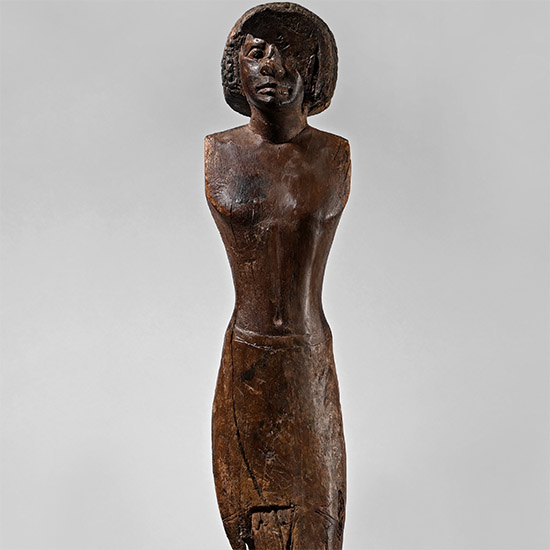
Large Egyptian Wooden Figure of a Man
Old Kingdom, 5th-6th Dynasty, 2450-2182 B.C.Estimate: £40,000 - 60,000 (+bp*)
Opening Bid: £19,444
Of slender form, shown striding and wearing a kilt with a central tab, and a rounded wig covering the ears, composed of echeloned rectangular curls; the face with a broad mouth with finely outlined lips, rounded at the corners; the front of the kilt and portion of the advancing left leg preserved; the arms and the lower right leg missing, having been carved separately; with traces of polychrome. 1.46 kg total, 55.7 cm high including stand
Joseph Altounian (1889-1954) and Henriette Lorbet, Altounian-Lorbet Gallery, Mâcon, France. Believed acquired at Sotheby’s, London: The MacGregor Collection of Egyptian Antiquities, 26 June–3 July 1922. Acquired by the previous owner from Henriette Lorbet, January 4th, 1967. This lot has been checked against the Interpol Database of stolen works of art and is accompanied by a search certificate number no.13232-250113.
The statue stands as another admirable example of wooden sculpture from the early dynasties. Its highly realistic face depicts a young man, mirrored by the slender body, with a sober and elegant design. The statue was undoubtedly originally coated in stucco and colour. The striking figure, slightly asymmetrical, along with the serious mouth and haughty expression, gives this portrait a remarkably lively appearance. -
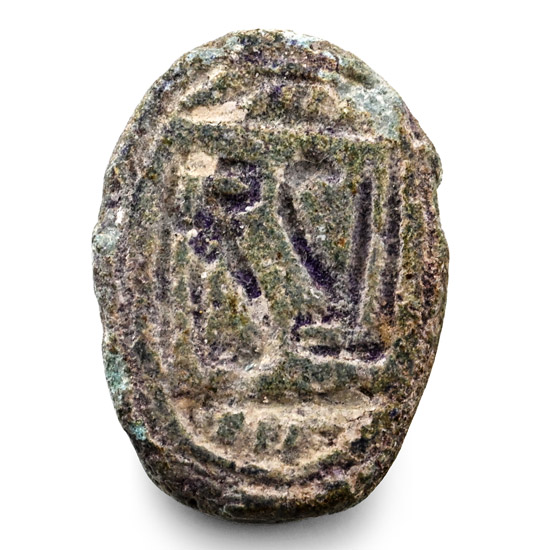
Phoenician Faience Scaraboid with Patterns
1st millennium B.C.Sold for (Inc. bp): £33
Anatomical detailing on the body and symbols on the underside. 0.9 grams, 15 mm
From a late Warwickshire numismatic collector, his collection formed from the early 1980s.
