
Loading, please wait...
LOT 0466
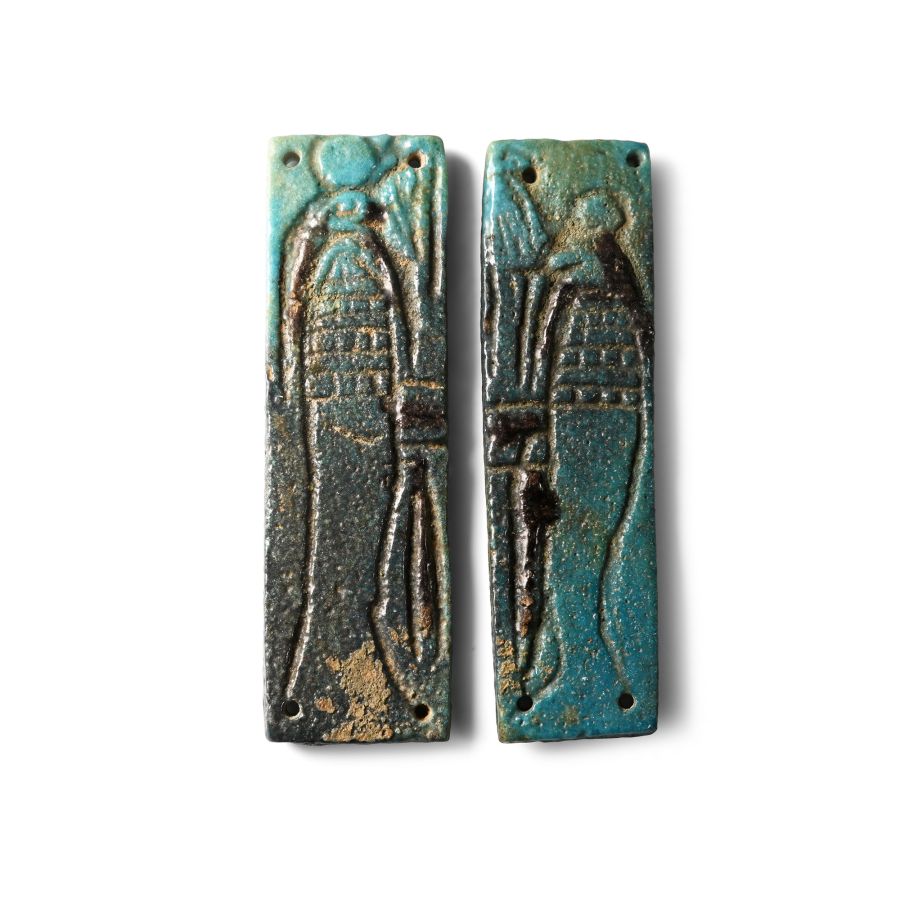
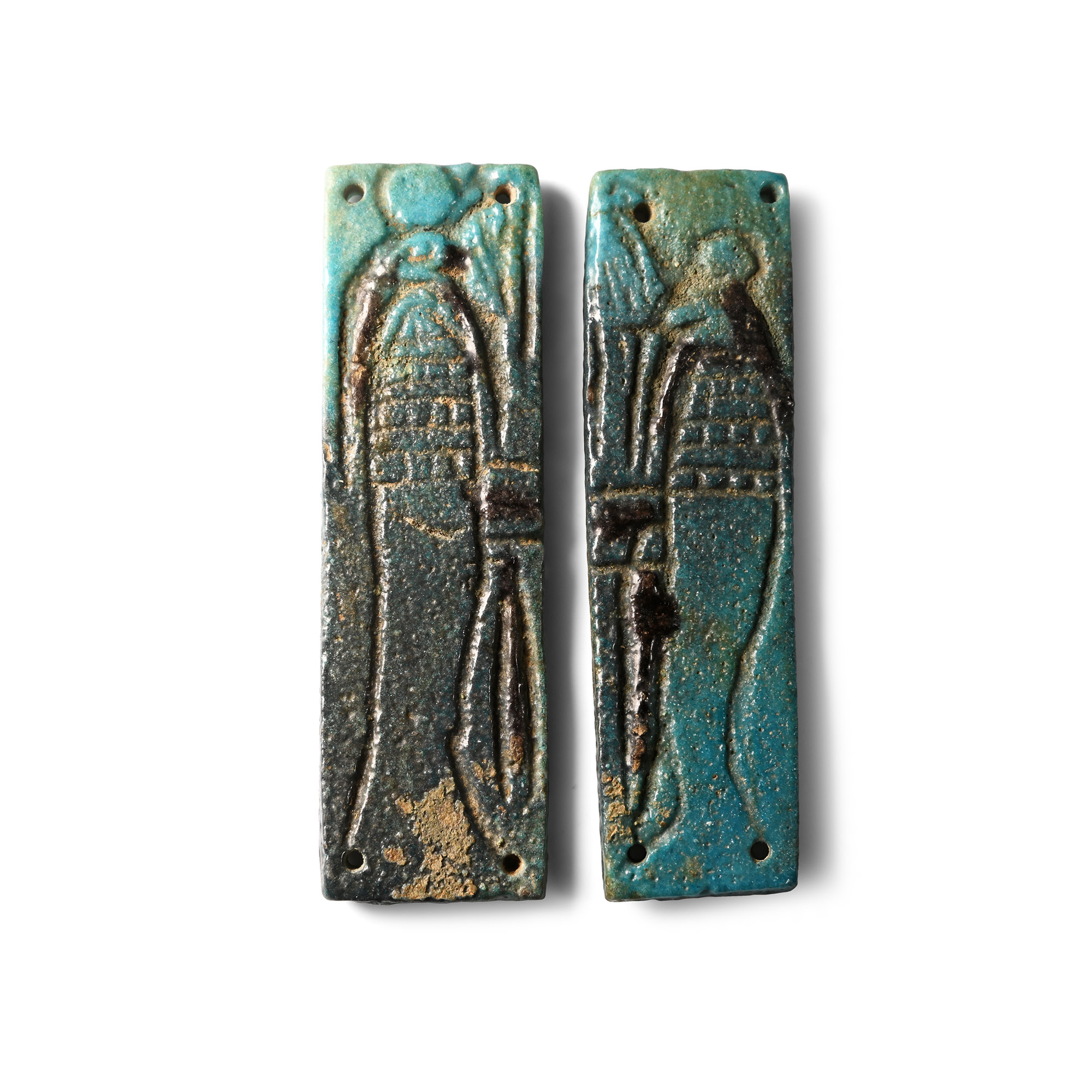
Egyptian Blue Faience Sons of Horus Plaques
LATE PERIOD, 664-332 B.C.
3 1/8 in. (26.8 grams total, 79-80 mm).
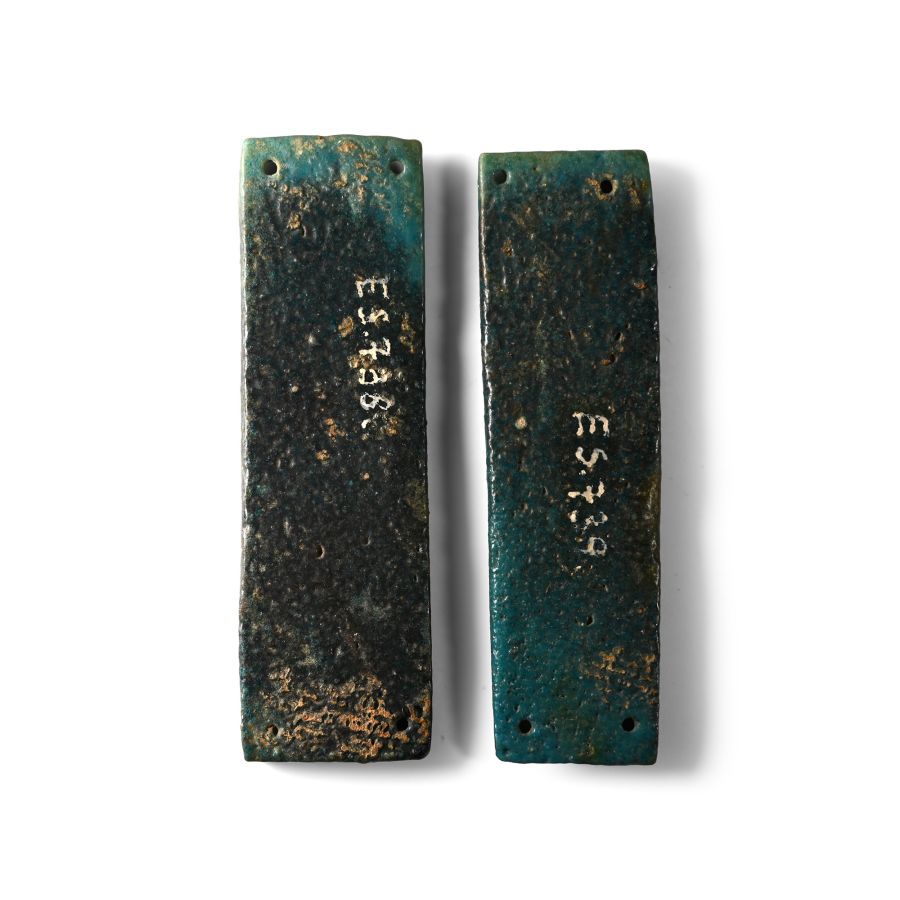
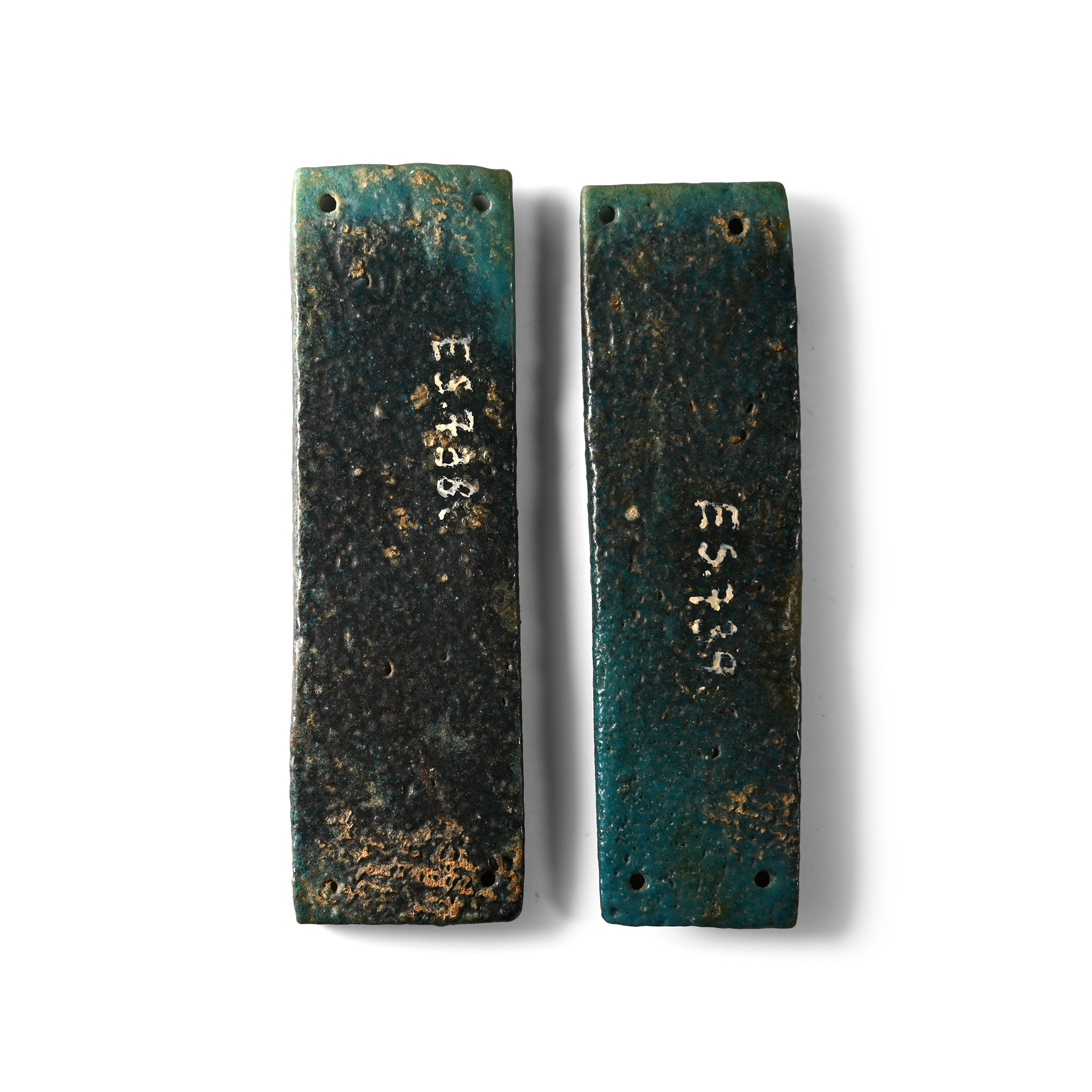
Two rectangular plaques, each depicting one of the 'Four Sons of Horus' - Qebehsenuef and Hapi - shown mummiform, wearing a tripartite wig and broad collar, both pierced at the upper and lower edges. [2]
ProvenanceProfessor Haeberlin collection, acquired in Egypt in the late 19th century.
Acquired by E.S., Germany, in 1962.
Private collection of Mr K.A., acquired in the 1990s-early 2000s.
This lot is accompanied by an illustrated lot declaration signed by the Head of the Antiquities Department, Dr Raffaele D'Amato.
The Four Sons of Horus were deities tasked with protecting the internal organs of the deceased. The human-headed Imsety safeguarded the liver, the baboon-headed Hapy looked after the lungs, the jackal-headed Duamutef defended the stomach, and the falcon-headed Qebehsenuef protected the intestines. Amulets featuring these deities were included within the mummy wrappings.
CONDITIONTimeLine Auctions follows a vetting process to ensure the authenticity and legality of all items, reinforcing our commitment to integrity and responsible trading. Each antiquity, antique, and coin lot undergoes thorough examination by a vetting committee of at least ten external specialists, professional trade association members, scientists, and archaeologists: Our Vetting Process
AUCTIONS:
TimeLine is a leading auction house specialising in antiquities, ancient art, collectables, natural history, coins, medals, and books. Our auctions offer museums, collectors, historians, and enthusiasts the opportunity to acquire unique and historically significant pieces.
-
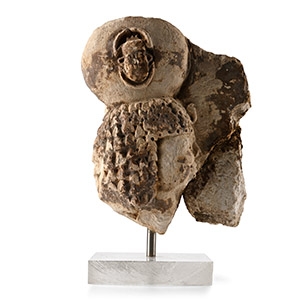
Egyptian Limestone Relief
Late-Ptolemaic Period, 664-30 B.C.Sold for (Inc. bp): £910
Relief fragment comprising: a sun disc with high-relief scarab motif to the centre; below this, a head in profile wearing a tiered wig with uraeus to the brow; mounted on a custom-made stand. 1.61 kg total, 22.2 cm including stand
Collection of Mr C., Geneva, Switzerland (1936-2016), assembled between 1985 and 2010. This lot is accompanied by an illustrated lot declaration signed by the Head of the Antiquities Department, Dr Raffaele D'Amato. -
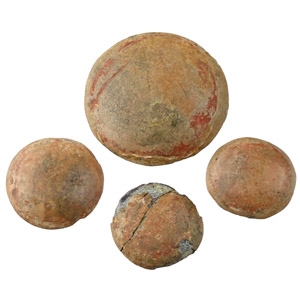
Egyptian Red-Glass Disc Collection
Ptolemaic Period, 332-30 B.C.Sold for (Inc. bp): £39
All four gently domed on one side and flat backed; three are of similar diameter, with one larger. 45.3 grams total, 25-41 mm
Acquired on the UK art market, 1977-1979. Private collection, London. This lot is accompanied by an illustrated lot declaration signed by the Head of the Antiquities Department, Dr Raffaele D'Amato. -
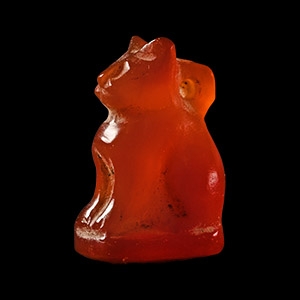
Egyptian Carnelian Cat Amulet
Ptolemaic Period, 332-30 B.C. or laterSold for (Inc. bp): £286
Amuletic pendant of the cat goddess Bastet, sitting on a rectangular base, suspension loop behind the shoulders. 1.82 grams, 16 mm
Acquired 1990s. Property of a Staffordshire lady collector. Ex Quercus of Quonians, Lichfield, UK, 2018. Property of a Sussex, UK, teacher. Private collection, London. This lot is accompanied by an illustrated lot declaration signed by the Head of the Antiquities Department, Dr Raffaele D'Amato.
The cat was sacred to Bastet, a protective mother goddess and the daughter of the sun god Re. Amulets provided the wearer with the goddess's protection. Her name means ‘she of the bast [ointment jar],’ which may have contained a substance favoured by or exclusive to royalty. Originally, Bastet was depicted as a woman with the head of a lioness, but by the late New Kingdom, she was typically depicted with a cat's head. She is sometimes shown with kittens, emphasising her maternal role as a fierce protector of offspring.
